
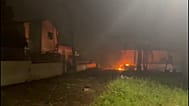
















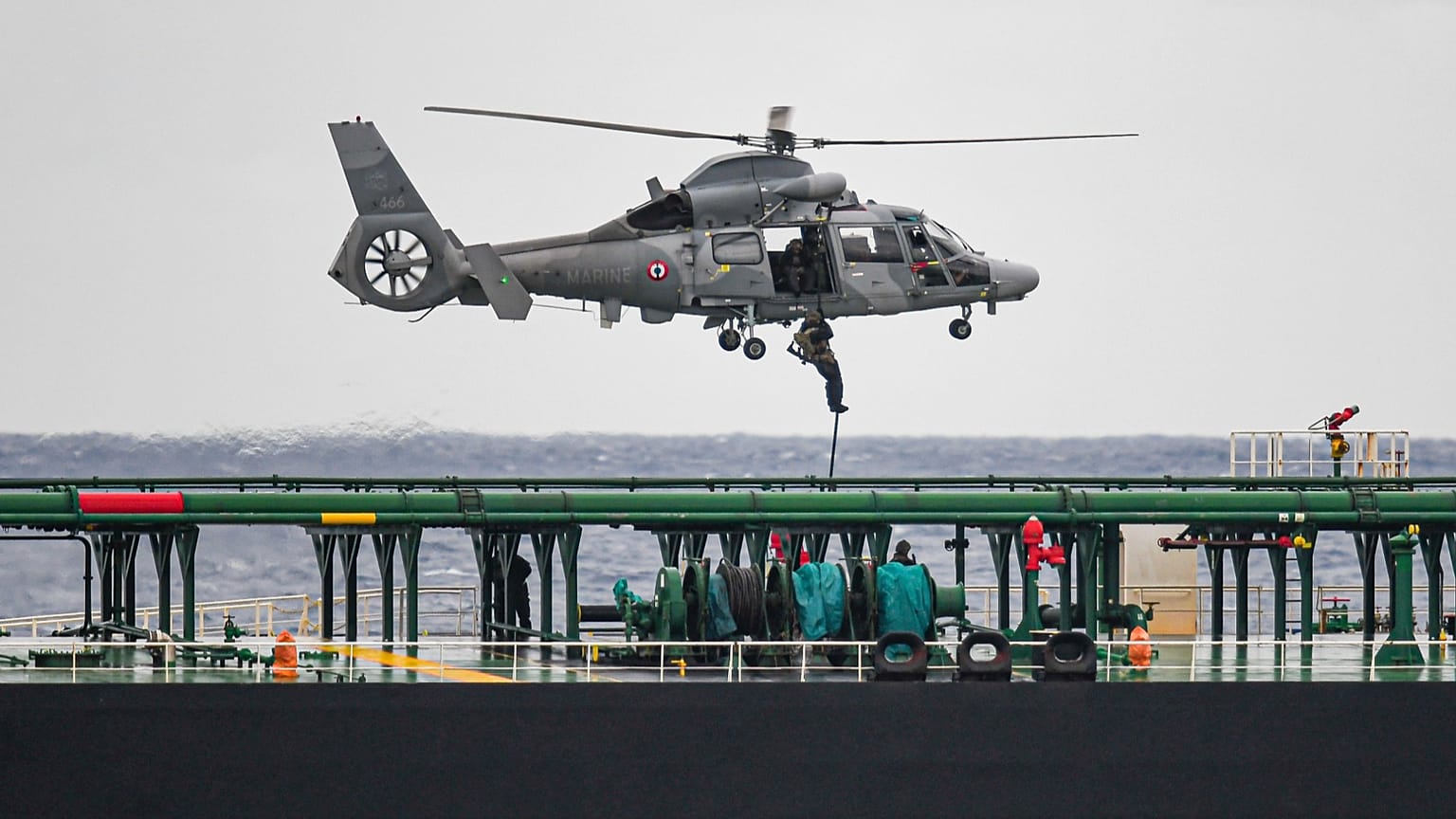













The Russian sanctioned tanker was damaged by explosions and has been drifting unmanned in the Mediterranean for several weeks. Several EU leaders warned the vessel, carrying hazardous cargo, could pose a serious environmental risk.
The Russian tanker damaged in a series of explosions, which has been drifting in the Mediterranean Sea for the past two weeks has entered Libya’s search and rescue zone and is headed towards the country, Italy’s civil protection agency said on Friday.
 ADVERTISEMENT
ADVERTISEMENT
ADVERTISEMENT
Since the vessel is now in Libya's waters, any intervention would fall under the Libyan authorities, the agency said. Italy has offered its help if asked.
The gas carrier called the Arctic Metagaz is part of Russia's sanctioned "shadow fleet," which ships oil in violation of international sanctions over the war in Ukraine.
The tanker, carrying liquefied natural gas, was damaged in a suspected sea drone attack near Maltese waters earlier this month. Russia claims that the vessel was attacked by Ukrainian naval drones. Kyiv has not yet commented on these claims.
The massive 277-metre tanker lost control after explosions on 3 March, when 30 crew members were forced to abandon ship. All those who had been aboard survived but the damaged tanker is now drifting without a crew.
The Italian agency, which has been closely tracking the vessel, said the main risk at present is the potential release of gas, adding that no leaks have been detected so far.
“Based on prevailing southbound winds and sea currents, and assuming they do not change, it could take four, five or six days, more or less, for the vessel to reach Libyan land,” said Civil Protection spokesman Pierfrancesco Demilito at a press conference in Rome.
Another concern, according to Demilito, is that the unmanned tanker could potentially collide with an offshore oil platform. The spokesman did clarify that this risk is lower, as no such platforms are currently nearby.
Demilito said the vessel is estimated to be carrying 450 metric tons of heavy oil and 250 tons of diesel as fuel supplies, plus an "uncertain" quantity of LNG, which may have been partly dispersed.
Leaders of Italy, Spain, Malta, Greece and Cyprus sent a joint letter to the European Commission on Wednesday, requesting to activate the bloc's civil protection mechanism as the vessel could pose an "imminent and serious risk" of a major ecological disaster.
In their letter, the five leaders highlighted broader risks posed by vessels operating outside international standards, warning of threats to maritime safety and the environment across the Mediterranean.