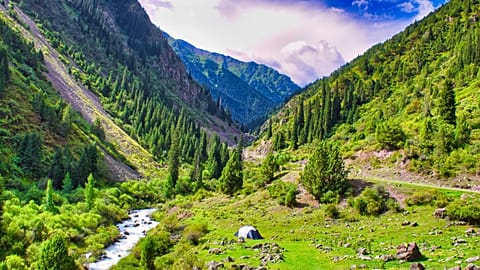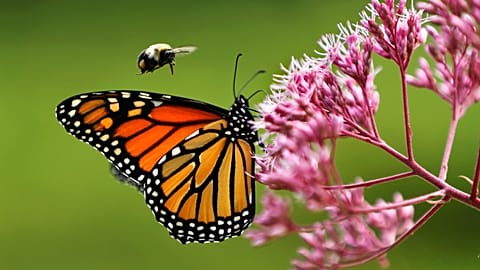





























Live broadcasts from national parks and protected areas are booming in Spain. Once a tool for science and outreach, they are now a new digital pastime.
Watching an Iberian lynx crossing the Sierra Morena, following the life of a bird’s nest or gazing for hours at a natural landscape have become popular hobbies in Spain - all without leaving home.
 ADVERTISEMENT
ADVERTISEMENT
ADVERTISEMENT
Nature webcams are booming, transforming the way thousands of people connect with wildlife.
The phenomenon is not new, but it has grown in popularity thanks to better technology, high-definition streaming and 24-hour access via websites, YouTube and social media.
What began as a tool for scientific monitoring and environmental outreach has become mindful relaxation for millions, somewhere between wildlife watching, environmental education and virtual tourism.
During the COVID pandemic, the Ministry for Ecological Transition highlighted the role of these cameras as a way of following “nature live and in real time without leaving home”.
Ceneam (the National Centre for Environmental Education), part of the Autonomous Agency for National Parks, noted at the time that it was enough to connect to the cameras installed by conservation groups, universities, public institutions and research centres to “follow the pulse of nature live and in real time” and gain a better understanding of the challenges wild birds face during the breeding season.
In Spain, one of the most established projects is SEO/BirdLife, mainly focused on birds. The organisation has been using live cameras since 2006 to bring the lives of different species to the public, study their biology and behaviour, and show nature “as it really is”. Its broadcasts are free and some remain active 24 hours a day.
These cameras make it possible to observe a wide range of species and landscapes: from peregrine falcons, swifts, storks or booted eagles to wetlands such as Las Tablas de Daimiel or sites such as the Sierra de Guadarrama, Cabañeros, Doñana or the Atlantic Islands of Galicia.
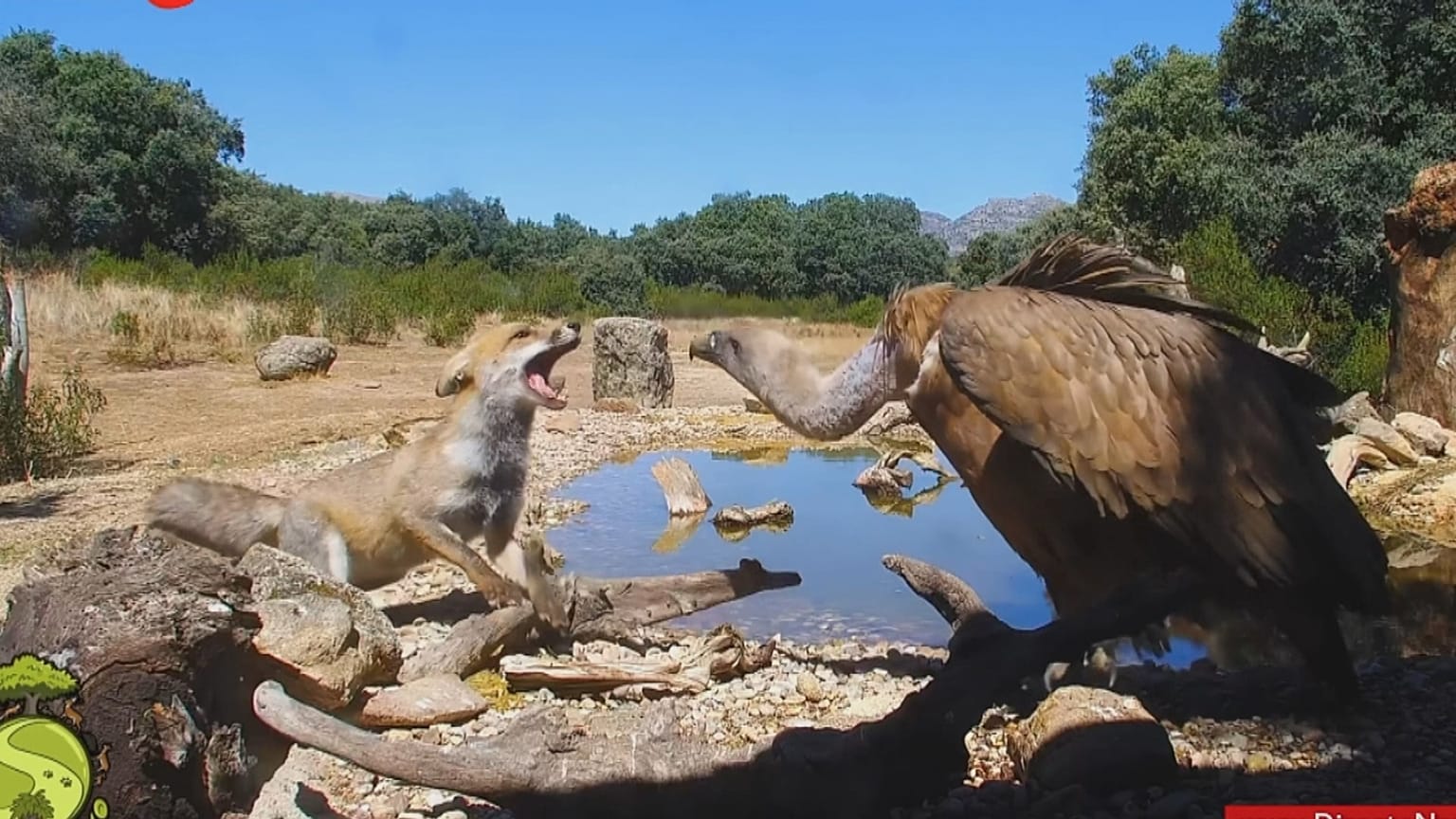
SEO/BirdLife explains that its cameras go live according to breeding periods and that there are also streams from lagoons, feeding stations or carrion sites, where several species can be seen at once.
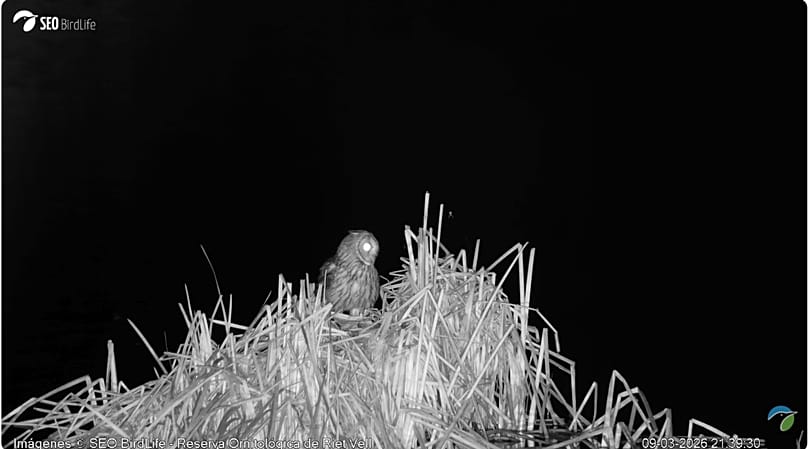
'No scripts, editing or post-production'
But the phenomenon goes far beyond birds. Platforms such as Directo Natura have broadened the focus to other animals and landscapes, with high-quality cameras installed in natural habitats to observe wildlife without disturbance.
“With our remote cameras you can see wildlife first-hand without disturbing the species,” its website explains. The absence of commentary or editing seems to have contributed to the popularity of many of its videos: “No scripts, editing or post-production, what you see is nature as it really is,” they say.
Among its most-followed streams are those dedicated to the Iberian lynx in the Sierra Morena, one of the most emblematic conservation species in Spain.
Unhurried and unfiltered
The joy of these broadcasts is in the waiting**.** Unlike the short and fast-paced videos that fill our social media streams, many users spend hours watching seemingly uneventful scenes: an animal approaching a watering hole, a pair feeding their chicks, egg-laying or a chick’s first flight.
Nature does not always provide instant spectacle, and that slowness is part of its appeal. In an age of fast content consumption, the success of these streams also reflects the appeal of watching nature without filters and without haste.
There is also a scientific and citizen-participation component. SEO/BirdLife points out that more than a hundred volunteers have followed some cameras every day as part of the “Dando alas a la Biodiversidad” project, collecting thousands of hours of data on incubation, feeding, chick development and reproductive behaviour.
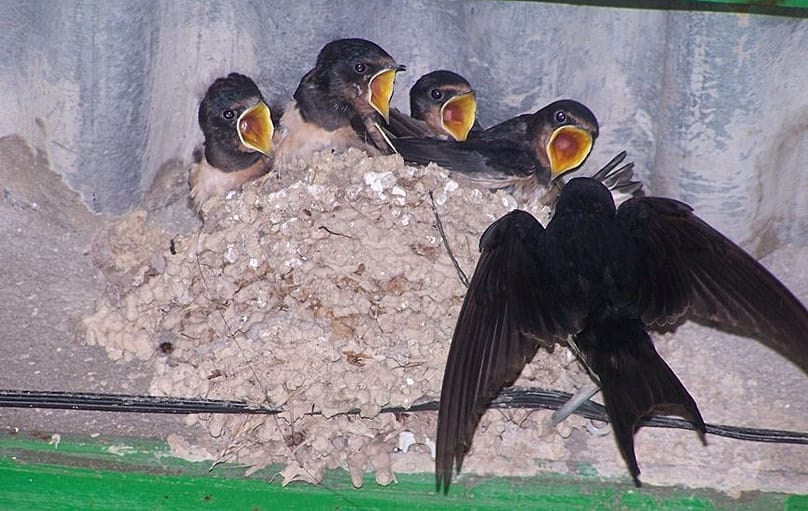
Organisations nevertheless recall that these cameras show wild animals subject to the laws of nature. In its frequently asked questions, SEO/BirdLife warns that viewers may see difficult scenes, such as predation, fights or death, and that they do not always intervene except in specific cases, for example when a threatened species is involved or when there is a non-natural cause.
Another key point is responsible installation. SEO/BirdLife says it carefully selects species and locations, installs the equipment outside the breeding season and uses camouflaged systems or zoom lenses to interfere as little as possible with animal behaviour.
What happens in a nest, a forest or at a watering place is no longer reserved for researchers or hikers: anyone can follow it live from home.