













A major new UN report details the risks of overshooting 1.5°C of warming – and how we can limit them.
It’s no longer possible to keep global warming below 1.5°C – but there is a pathway out, according to a new UN Environment Programme (UNEP) report.
 ADVERTISEMENT
ADVERTISEMENT
ADVERTISEMENT
“Overshoot, peak and decline” is now our best bet at dipping back below the warming threshold set in the Paris climate agreement to avoid the worst effects of climate change, it says.
The report projects a best-case 1.8°C of warming and over 2°C in other scenarios. "Every fraction of a degree will cost lives, destroy livelihoods, deepen inequality, and push ecosystems closer to irreversible damage," says UN Secretary-General Antőnio Guterres
Securing humanity’s future will require making this overshoot as “small and short as possible”, says Guterres.
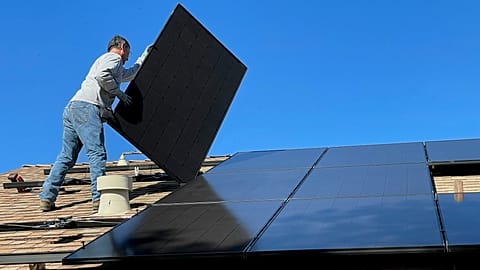
Renewables are a key part of the puzzle.
But a separate report just released by international think tank the Energy Transitions Commission (ETC) reveals a “paradox of progress” on energy. Surging demand from AI data centres and cooling, combined with overwhelmed electricity grids, are outpacing the gains of record renewables growth.
Why record renewable energy isn’t lowering emissions
A record €1.9 trillion is now being invested in clean energy yearly, prompting rapid growth – yet it still only meets 40 per cent of the increase in demand.
Heatwaves are driving increased demand for energy-intensive air-conditioning, while the AI boom is placing major new strain on electricity systems.
Data centre energy consumption grew by 17 per cent in 2025, accounting for about 1.5 to 2 per cent of the global total, according to the International Energy Agency (IEA). It’s expected to double by 2030.
They’re also competing for space on overloaded power grids from the US to the UK, where connection wait times stretch as long as 10 years and hefty upfront fees are being considered to secure a spot in the queue. As a result, some developers are building onsite power solutions like solar and gas microgrids.
At the same time, outdated power grids are resulting in a huge amount of wasted green energy potential – in Europe alone, 375 GW of renewables is waiting to connect, while 2,300 GW is stuck in US queues.
As a result, global emissions are plateauing rather than falling, putting the world on course for 2.5°C of warming, according to ETC’s assessment.
And with electricity only accounting for about a fifth of total energy use, decarbonising heating, industry and transport is also essential.
Limiting overshoot: How can the world get back on track?
Both reports agree on near-term solutions to the problem – starting with tackling methane.
Significantly more potent than carbon dioxide, this powerful greenhouse gas is responsible for around 0.5°C of global warming, though comparatively it lingers for less time in the atmosphere.
Early reductions – targeting the oil and gas sector, food waste and landfills – can therefore significantly lower temperatures.
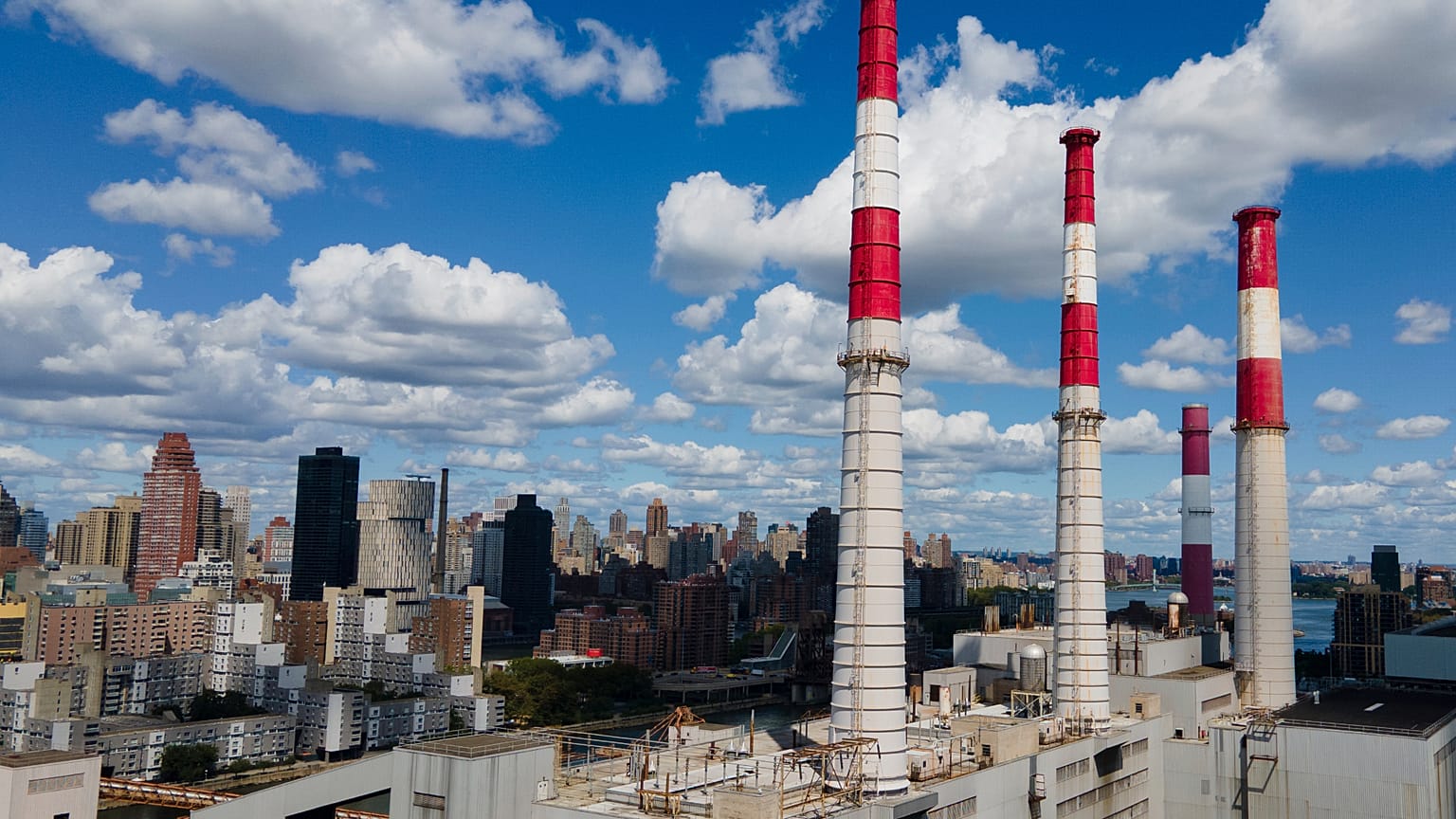
Countries should also shift investments from old, high emissions infrastructure, such as fossil-based power plants, transport systems and industrial facilities, to low-emissions alternatives like renewables.
In 2025, renewable sources generated almost 34 per cent of global electricity. Scaling this to 60–70 per cent by 2030 would help the world achieve a limited-overshoot scenario, according to UNEP’s report.
This is in line with the COP28 commitment to triple global renewable energy capacity by the end of the decade. Storage, demand flexibility and grid upgrades should be the focus – as the Energy Transitions Commission highlights, there is more funded clean generation waiting for grid connections than the entire 900 GW annual shortfall needed to meet the 2030 target.
The faster emissions are reduced, the less we will be forced to rely on uncertain future technologies like carbon dioxide removal (CDR), UNEP’s report says – although it highlights the responsible deployment, monitoring and scaling of CDR as an important long-term focus.
Reducing demand is another key part of the puzzle, highlighting low-cost solutions including energy efficiency improvements, electrification of heating and cooling, and behavioural shifts around transport and diets – changes that will rely on policy shifts rather than individual choice alone, UNEP warns.