













In Italy's Carrara marble quarries, a centuries-old craft is being transformed by artificial intelligence. Robots can now carve complex sculptures from blocks of stone, raising a fundamental question: if a machine does the carving, where does the art begin and the craft end?
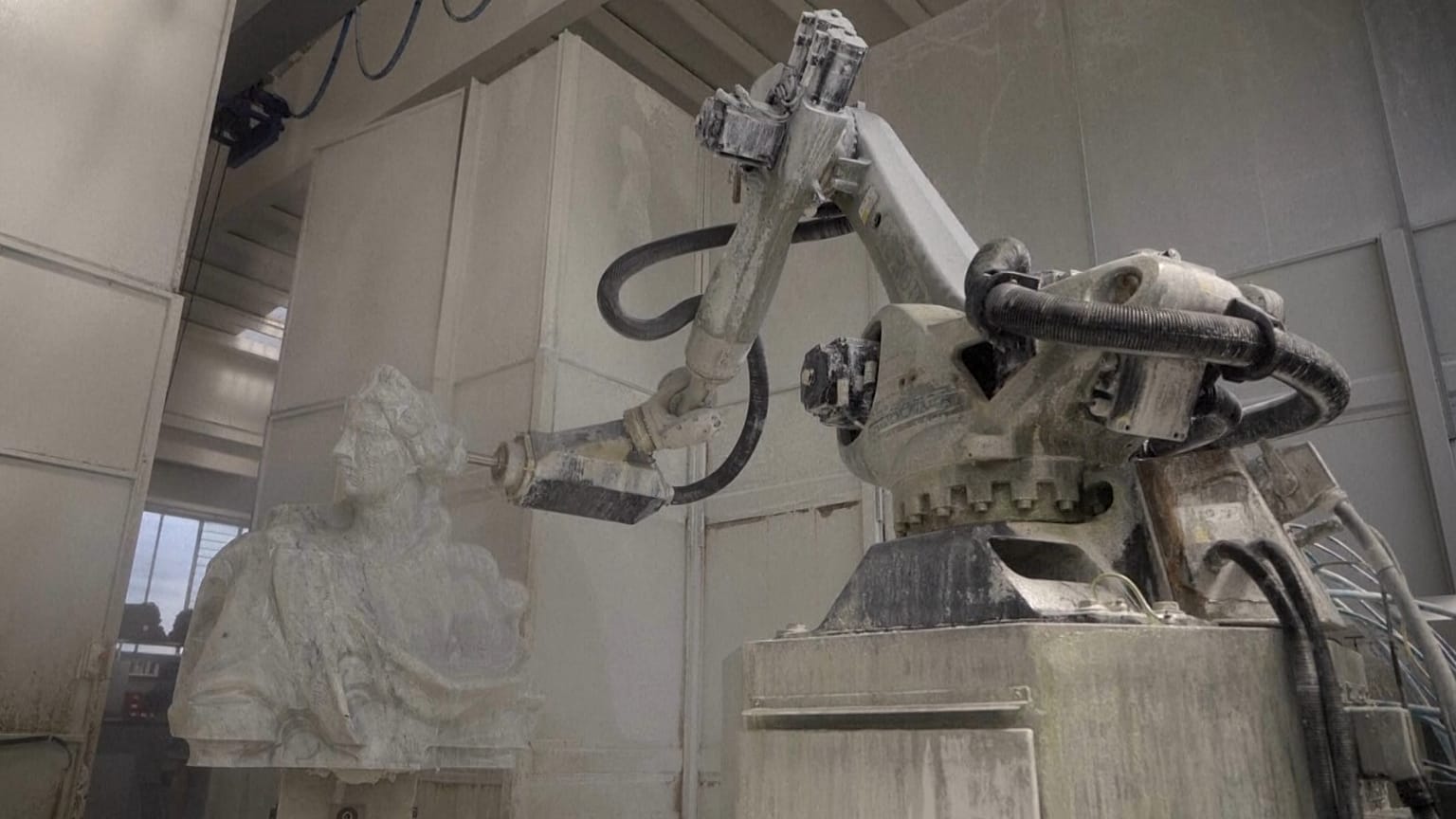
Robotic arms are being used to carve complex sculptures from blocks of marble, guided by software that turns digital designs into precise instructions for the machines.
 ADVERTISEMENT
ADVERTISEMENT
ADVERTISEMENT
The technology is being developed by Italian companies LITIX and ROBOTOR, which say it could make marble sculpture more accessible.
"The goal is to be able to create something out of your idea, even if you don't have the skill to do that," says Giacomo Massari, founder and CEO of LITIX and ROBOTOR.
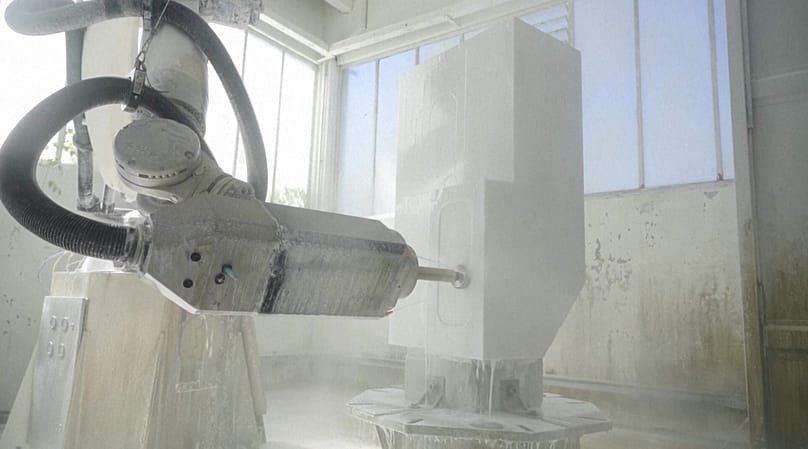
A digital image can be converted into a 3D file before software generates the toolpaths used by the robot. The machine can then carry out most of the carving, leaving skilled workers to refine the sculpture.
A changing role for sculptors
The arrival of robots has prompted mixed reactions among traditional sculptors in Carrara. Some have been uneasy about machines taking over work that has traditionally required years of training.
"You're not killing a job, you're just evolving that job," says Massari. He adds robots can take on as much as 99% of the carving, allowing artisans to concentrate on the final details.
The company also argues that this could make working with marble safer and less physically demanding.
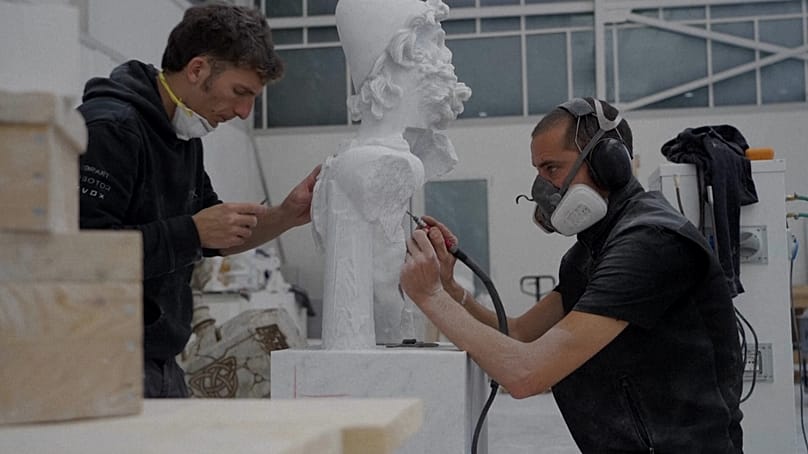
But the debate goes beyond jobs. As machines become capable of translating digital ideas directly into physical objects, artists are also having to consider what constitutes the creative act.
'Algorithmic sculpting'
Italian Artist Davide Quayola uses algorithms and robotic machines as part of his own practice.
Rather than seeing the robot as an independent creator, he describes it as an extension of his artistic gesture.
"I am actually feeling that I'm completely in control," he says. Quayola calls his approach "algorithmic sculpting".
He says he and his studio programme the machine's movements, making the robot part of the process through which the artwork is created. For him, the distinction is important. The machine may perform the physical work, but the artist decides how it operates and what the finished work is intended to become.
The future of marble
Carrara has long been associated with traditional craftsmanship and the white marble used by some of history's most celebrated sculptors.
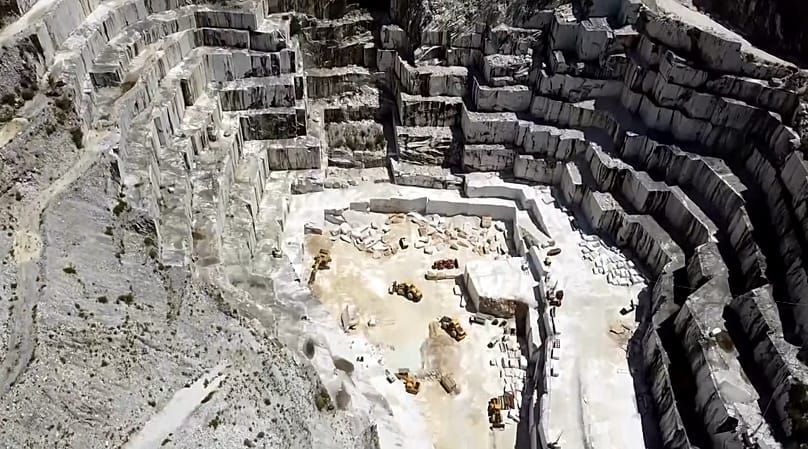
Now, the same material is being shaped using technology that would have been unimaginable to earlier generations of artists.
The change does not necessarily mean an end to traditional craftsmanship.
Instead, the role of the sculptor may increasingly shift from physically removing stone to designing, programming and refining the final work.
As robots take on more of the physical process, one question remains: where does the work of the machine end and the work of the artist begin?