













Paracetamol, ibuprofen, carbamazepine, diclofenac, and other pharmaceuticals are being found in the Baltic Sea. Researchers say changing how some medicines are prescribed, used and disposed of could help reduce the flow.
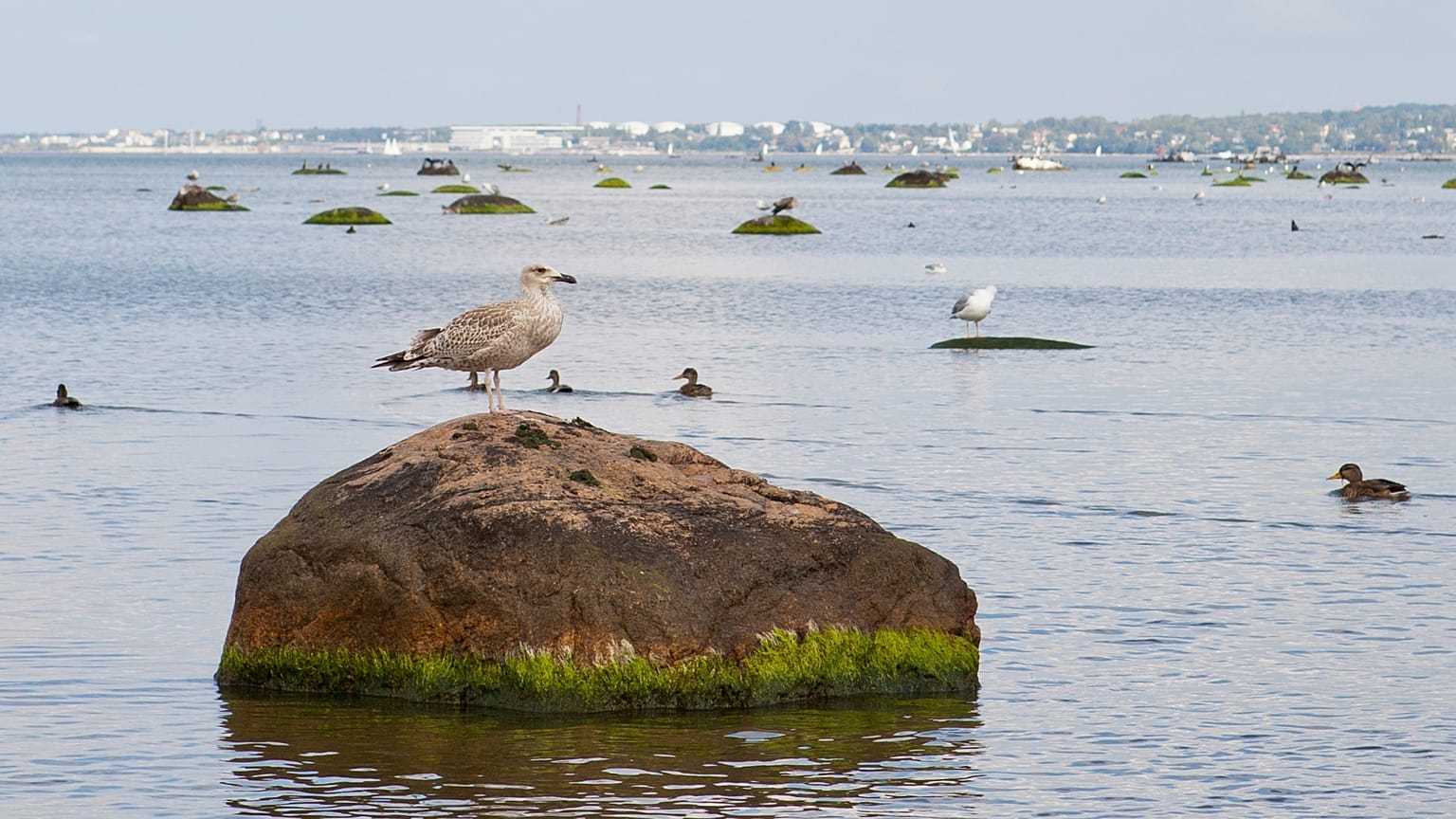
The Baltic Sea — an inland sea surrounded by nine countries in the northeast of Europe — is one of the most polluted seas in the world.
 ADVERTISEMENT
ADVERTISEMENT
ADVERTISEMENT
It carries the legacy of decades of pollution: thousands of tonnes of chemical munitions and other war material were dumped into its waters after the Second World War.
Today, microplastics, industrial chemicals and agricultural runoff are adding to the pressure on an ecosystem that is particularly vulnerable because of its semi-enclosed nature.
The pharmaceutical pollution is what researchers from four different countries — Sweden, Finland, Lithuania and Latvia — are after, arguing that the Baltic's pharmaceutical problem cannot be solved entirely at the shoreline.
“It's not only about wastewater treatment,” Marmar Nekoro, a researcher at the faculty of pharmacy at Uppsala University in Sweden, told Euronews. “We have to look across the rest of the life cycle.”
Some of the pharmaceutical pollution may be preventable much earlier — when a medicine is prescribed, when a patient decides whether and how to take it, and when an unused packet is returned to a pharmacy rather than discarded.
The approach does not mean asking patients to stop taking medicines they need. Instead, researchers say doctors could consider the environmental impact when choosing between medicines, while patients and health systems could do more to prevent unused drugs from entering the environment.
One of the medicines researchers are watching is diclofenac, a widely used anti-inflammatory painkiller that has been detected in aquatic environments. According to Kristina Garuolienė, a researcher at Vilnius University, there can be circumstances in which alternative medicines could be considered.
“That is turning to rational prescribing; when doctors are prescribing medicine, they have to also think about which medicine is not dangerous to the environment,” she told Euronews.
The issue is particularly relevant in the Baltic Sea, an inland sea surrounded by nine countries in northeastern Europe. It is one of the most polluted seas in the world and is particularly vulnerable because of its semi-enclosed nature.
The toll of pollution
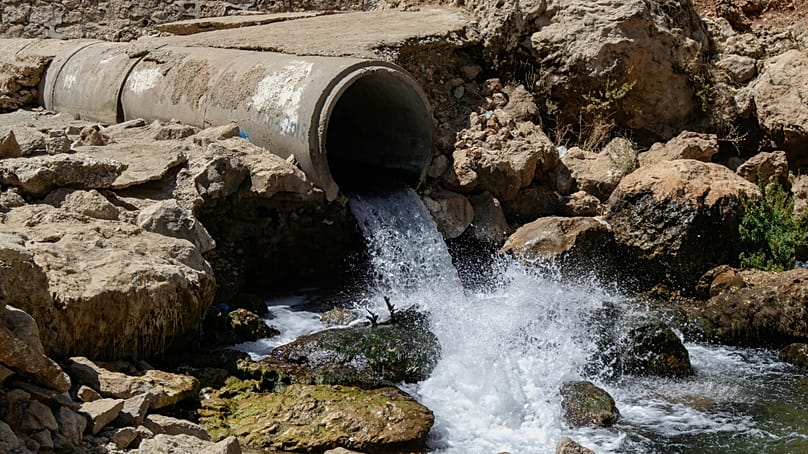
Pharmaceuticals enter the Baltic Sea through multiple pathways, including wastewater from households and hospitals, discharges from pharmaceutical production sites, and runoff from agriculture and other land-based sources. Companion animals can also contribute when their faeces are not properly collected and disposed of.
Wastewater treatment plants alone are estimated to release around 1,800 tonnes of pharmaceuticals into the Baltic each year, according to a decade-old report by UNESCO and the Baltic Marine Environment Protection Commission. Most wastewater treatment plants are yet to be equipped with a fourth treatment stage specifically designed to remove pharmaceutical pollutants.
“Whenever you ingest pharmaceuticals, you take it as a patient, your whole body or the whole medicine is not taken up by your body; part of it or quite a large part of it is excreted,” Marmar Nekoro, a researcher at the faculty of pharmacy at Uppsala University in Sweden, told Euronews.
Once pharmaceuticals reach the sea, they can persist in the environment for long periods. Carbamazepine, a prescription medication used to treat epilepsy, nerve pain and bipolar disorder, has been repeatedly detected across the Baltic.
“It takes almost three and a half years for it to break down into half,” Nekoro said. “So the breakdown is very, very slow,” which leads to accumulation of the substance.
The main concern is not that people will be harmed simply by swimming in the water, according to Björn Wettermark, professor of pharmacoepidemiology at Uppsala University who leads the project, aside from the risk of antibiotic or antimicrobial resistance.
Instead, researchers are concerned about the effects on non-target organisms living in the sea. Pharmaceuticals can affect wildlife and contribute to the broader problem of antimicrobial resistance.
Fish, frogs and other species can experience feminisation due to synthetic oestrogens, potentially affecting entire populations. The Baltic blue mussel, Mytilus edulis — a key species in the ecosystem because it filters water — can have less energy available for normal metabolism and growth when exposed to some painkillers.
Changes to mussel populations could create additional pressure on an ecosystem already affected by pharmaceuticals and other pollutants, as well as eutrophication — the process by which a body of water becomes overly enriched with nutrients, leading to rapid plant and algae growth that depletes dissolved oxygen.
Prescribing the right medicines
Therefore, researchers are looking at improving how medicines are prescribed and used as one of the ways to cut pollution.
That does not mean asking patients to stop taking medicines they need. Rather, researchers say that when several clinically appropriate options are available, environmental impact could become another factor in the choice.
“We know for several studies for a long time that not the best drugs are being prescribed, neither from the clinical effect of it, or we have an overuse which is unnecessary,” Wettermark said.
“So there are lots of win-wins here through improving the prescribing and the use of medicines first, but both are probably needed to get an impact on the environment.”
But changing prescribing practices is not simply a matter of telling doctors to choose “greener” medicines.
A recent study of environmentally responsible prescribing in Sweden found that doctors need more targeted education and better access to environmental information about pharmaceuticals.
Returning unused medicines
Unused medicines can also find their way into the environment if they are thrown into household waste, poured down sinks or flushed down toilets.
In Lithuania, Garuolienė said, awareness of returning unused medicines to pharmacies has been increasing.
“Every year, people are returning more and more medicine to pharmacies,” she said, adding that Lithuania has rules governing how medicines should be returned.
That is a positive development, she said, because it means people are less likely to throw medicines away or flush them down the toilet.
But it also raises another question: why were the medicines unused in the first place?
“Probably they are not using [them] as prescribed, or maybe our doctors are prescribing too many medicines and some of them are not necessary,” she said.
The researchers’ aim is ultimately to move beyond individual prescribing decisions and build a broader picture of how pharmaceutical pollution can be reduced across the Baltic region.