

















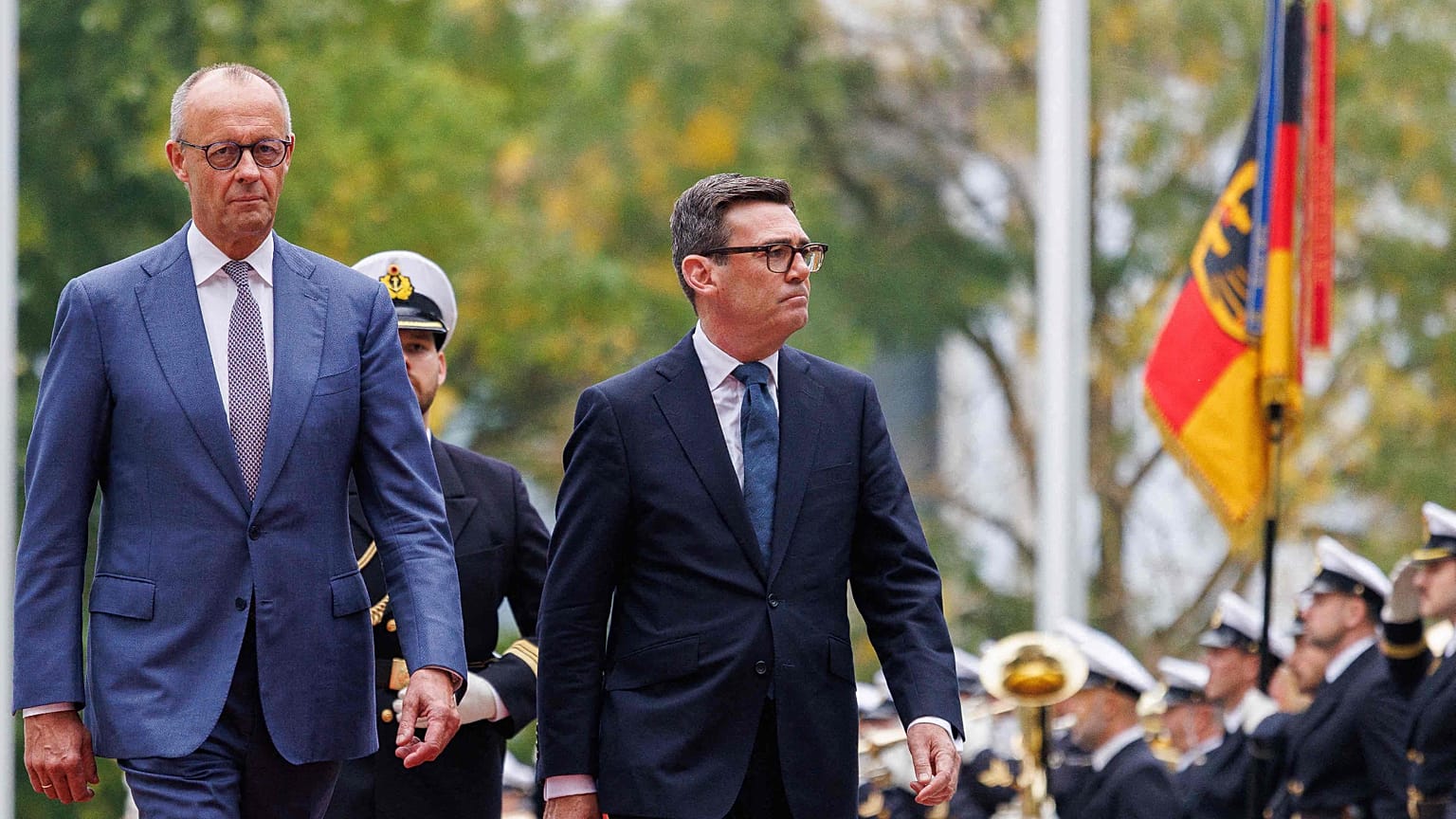














Burnham's meeting with Merz comes amid increasing warnings of hybrid threats in Europe and follows a drone attack on Leipzig/Halle airport in August - which Berlin has accused Russia of orchestrating.
UK Prime Minister Andy Burnham on Thursday arrived in Berlin on his first official visit to Germany for talks with Chancellor Friedrich Merz that focuses on cyber security and hybrid threats from Russia among others.
 ADVERTISEMENT
ADVERTISEMENT
ADVERTISEMENT
Burnham was received with full military honours at the Chancellery in Berlin following his arrival.
The Berlin visit comes as Burnham faces questions about Britain's future relationship with the European Union. At a Labour Party conference last week, Burnham said he would set out options for a closer relationship with the bloc later this year, leaving open the prospect of eventually rejoining.
According to Downing Street, the UK and Germany are to commit to deepening cooperation on cybersecurity and countering sabotage and other hybrid threats.
"The hybrid threat from our adversaries – especially Russia – extends across Europe and beyond, threatening our collective security," a government press release said. "The UK and Germany will jointly act on identifying and disrupting hybrid activity, wherever it comes from."
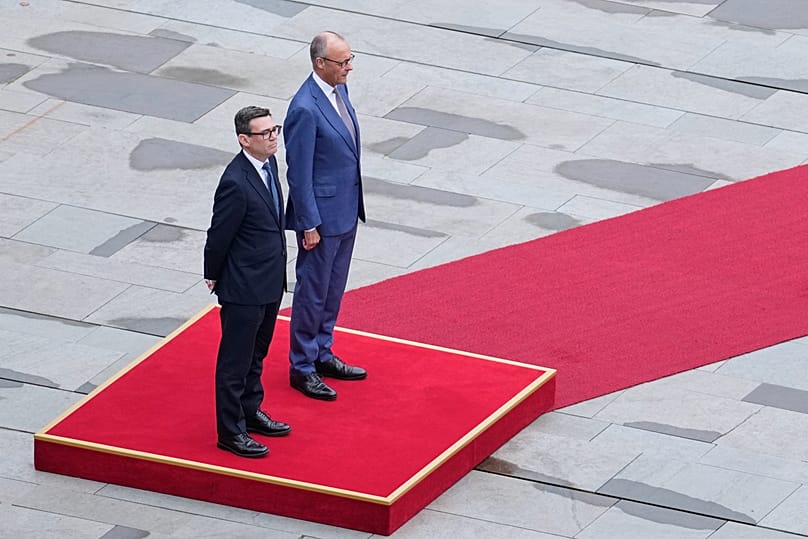
The new joint-partnership will see the two nations share information and coordinate action to monitor and disrupt threats as they seek to "degrade hostile actors’ capacity to operate in Europe."
"Attacks on our infrastructure, our businesses and our democracies are not a distant threat. They reach into people’s homes and workplaces, and they are designed to make us weaker and more divided," Burnham said.
"Britain and Germany are joining forces to find, expose and disrupt this activity. Security and growth go hand in hand, and both must be felt in every town and city in our two countries," he added.
Burnham's meeting with Merz comes amid increasing warnings of hybrid threats in Europe and follows a particularly notable drone attack on Leipzig/Halle airport in August - which Berlin has accused Russia of orchestrating.
The two leaders are expected to formally sign off on the Kensington Treaty, a bilateral agreement struck in 2025 committing both countries to closer cooperation on defence, security, science, technology and economic growth.
In Late September, Burnham indicated his plans for more cooperation with the EU saying Brexit had "done more harm than good" and that the UK needed a clear strategy on its long-term relationship with the EU.
"We will not give Britain the clear path we need into the rest of this century until we decide on a long-term relationship with what is still our largest market," he said.