

From rising food prices and unaffordable housing to stagnant purchasing power and strained public services, demonstrations across Europe highlight growing frustration over living standards.
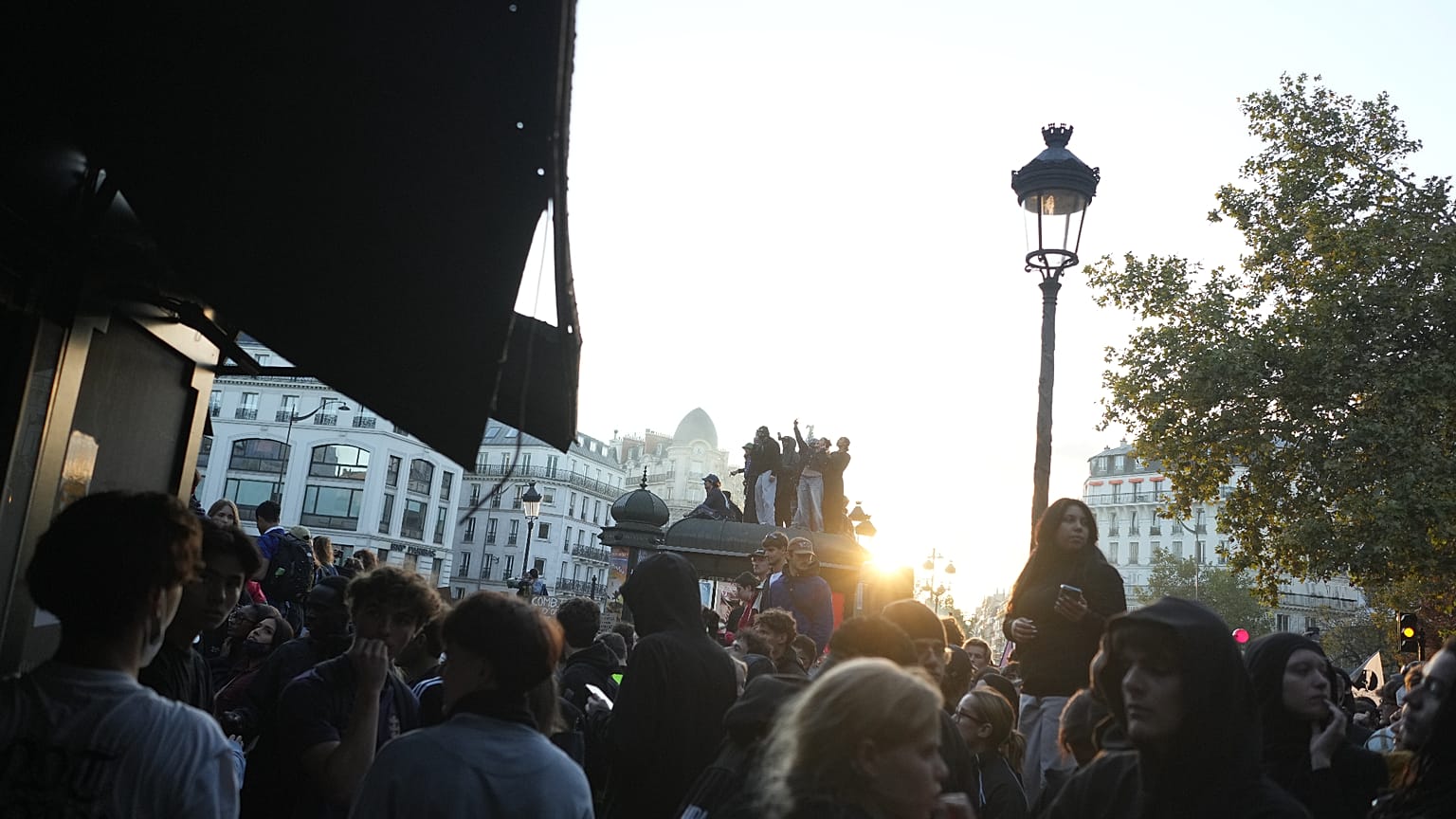
Thousands of people took to the streets across Europe over the weekend to protest against rising living costs, unaffordable housing, low wages and pressure on public services. While the grievances varied from country to country, the demonstrations highlight growing frustration over household budgets.
 ADVERTISEMENT
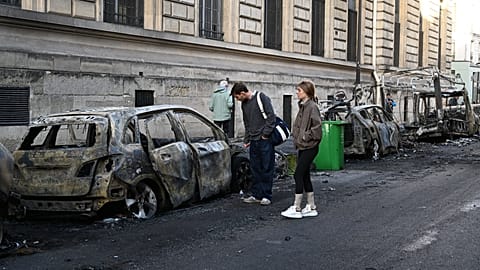
In France, hundreds of thousands of people joined demonstrations involving students and other groups protesting over living costs and public services. Many marched peacefully, but French President Emmanuel Macron vowed to hold accountable those who “sought to bring down the Republic" after some gatherings descended into looting and rioting across major cities, with some 1,500 shops and retailers damaged.
The cost to the establishments will run to "several hundreds of millions of euros", Alexandre Bompard, president of the Retail and Trade Federation, told LCI television, adding it was too early to give an exact figure.
Limoges city hall went up in flames, as did the iconic tourist office on Place Bellecour in Lyon. Vandals also forced their way into town halls in Marseille, Lille, and Angers, whilst in Bordeaux, the prefect's residence was ransacked.
"Protesting is a right, and anger deserves to be heard. Yet, no disagreement or grievance can ever justify the destruction of public property," Guillaume Guérin, the mayor of Limoges, said, calling the violence "unacceptable."
In Belgium, police clashed with demonstrators in Brussels and Liège during cost-of-living protests. High-school students had also demonstrated in recent weeks against rising education costs, joining students in France protesting over school conditions and teacher shortages.
Sharing the same sentiment as the mayor of Limoges and other politicians, Belgian interior minister Bernard Quintin said on Saturday that the situation was "no longer simply a protest," calling it "pure and simple violence."
In Portugal, trade unions and housing-rights groups called for higher wages, better pensions, improved public services and action on housing affordability. Organisers pointed to rising rents, mortgage costs and everyday expenses as mounting pressures on household budgets.
Italy also saw demonstrations over economic conditions and rising prices. Clashes in Milan, Turin and Bologna left people injured, while dozens were detained in Milan.
Why are Europeans angry?
Rising food, housing and energy costs have left many households struggling to make their incomes stretch further. Even when inflation slows, prices generally remain higher than they were before, leaving consumers with less room in their budgets.
Housing is a particular concern for renters and younger people in many cities. Low-paid workers face pressure from essential expenses, while concerns over education and other public services have added to discontent in some countries.
Eurostat data analysed by Euronews Business shows that EU food and non-alcoholic beverage prices rose by 34% between August 2021 and August 2026. The amount of food a gross monthly minimum wage could buy fell by 6% in Malta, 5% in Spain and 4% in France, while it increased in most of the countries studied. The comparison excludes taxes, rent and other household expenses, however, and does not capture the full cost-of-living squeeze.
The protests do not represent a single Europe-wide movement, and their demands differ. However, they highlight the pressure on household finances and the growing challenge of ensuring wages keep pace with the cost of essentials.