


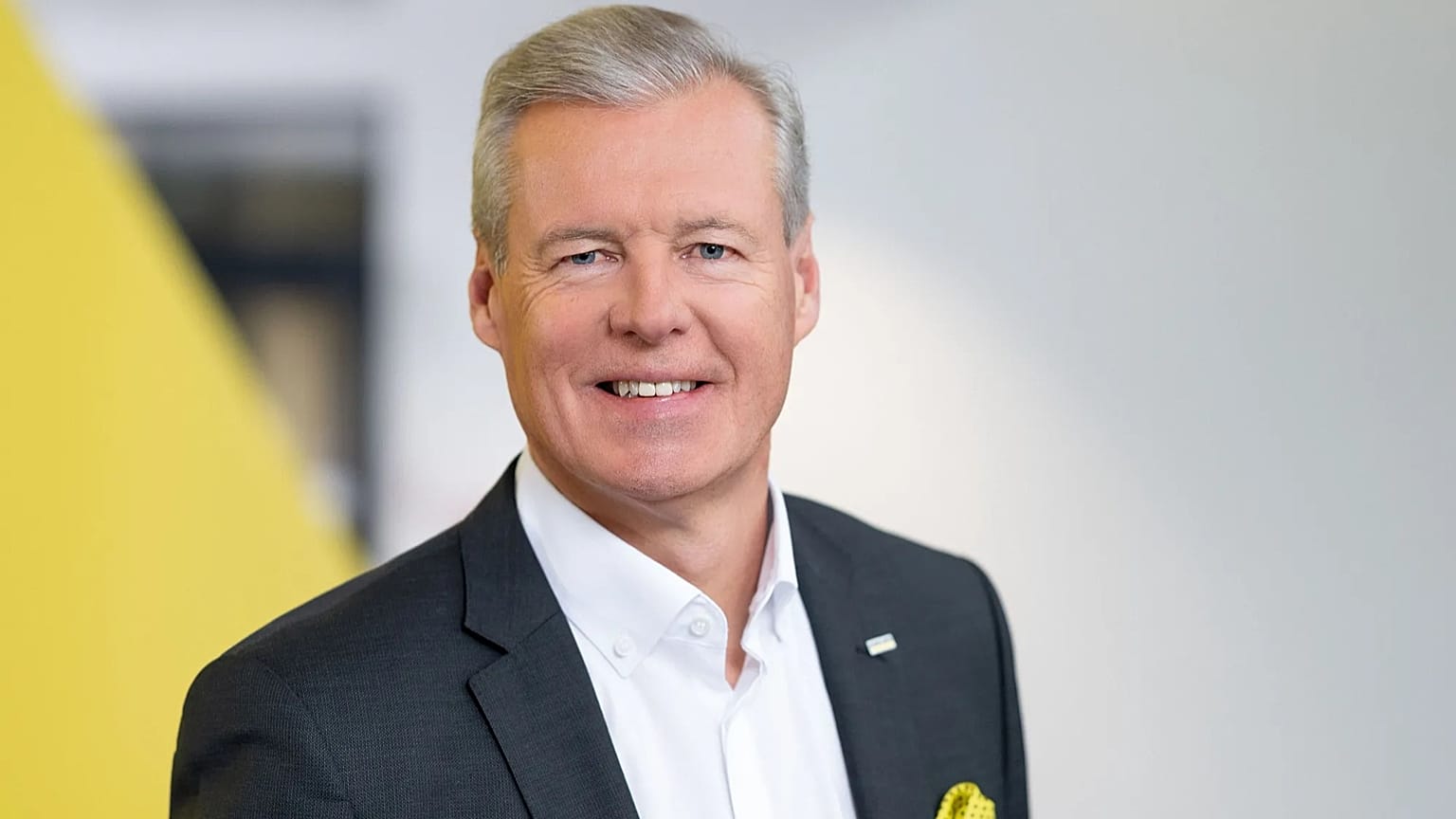


Europe and Germany risk deindustrialisation, Kärcher CEO Hartmut Jenner has warned. He is urging major cuts in bureaucracy, incentives for extra work and a firm EU trade policy towards China and the US.
Hartmut Jenner, the CEO of German cleaning equipment manufacturer Kärcher, believes Germany and Europe are facing a "perfect storm" when it comes to the economic situation facing the continent.
 ADVERTISEMENT
"Geopolitical crises are casting a shadow over the European economy. The unpredictable trade policy of the U.S. keeps threatening, without warning, to raise tariffs and erect trade barriers – a toxic scenario for free global trade and export-oriented companies," he wrote in an exclusive opinion piece for Euronews.
US and China are making fair competition 'virtually impossible'
In addition to US trade policy, the executive also pointed to the threat posed by China's tech growth: "China is no longer merely a low-cost manufacturer but has become a highly aggressive technological competitor that, with its tremendous speed, threatens to outpace key European industries in future-oriented fields," he wrote.
China's success is the result of a targeted state industrial policy. The country operates with massive subsidies in strategic key industries and with a "currency policy artificially focused on competitiveness," per Jenner.
Both help contribute to "noticeable market distortions and overcapacity," he went on.
For privately run companies like Kärcher, this creates an imbalance "that makes fair global competition almost impossible," Jenner added.
Germany faces the threat of deindustrialisation
Jenner, 61, has been the head of Kärcher since 2001 and has tripled both staff numbers and turnover in that time.
Now he is warning of a downturn in the German economy: "The loss of tens of thousands of industrial jobs and the decline in production volume show that deindustrialisation is not an abstract threat – it is happening right now."
"When plant closures and production relocations are being negotiated in key German industries such as the automotive and manufacturing sectors, it must be clear even to the most optimistic observer: We are at a critical turning point," he continued.
So far Kärcher has managed to make it through these difficult moments, Jenner said.
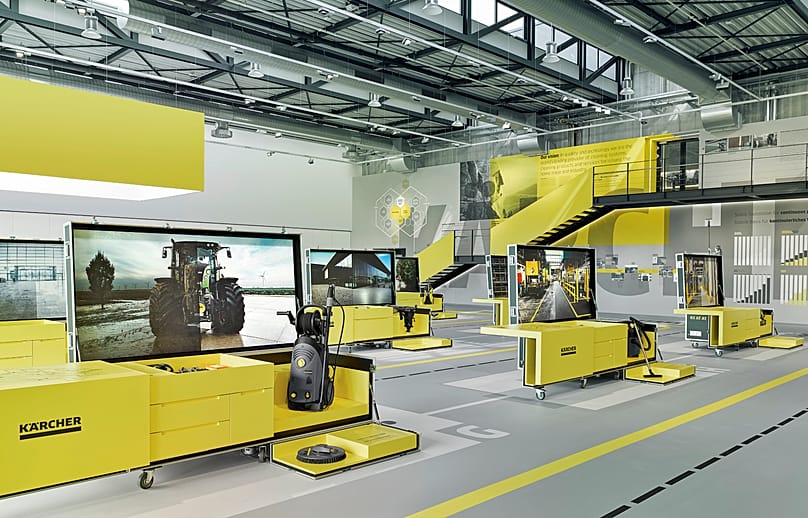
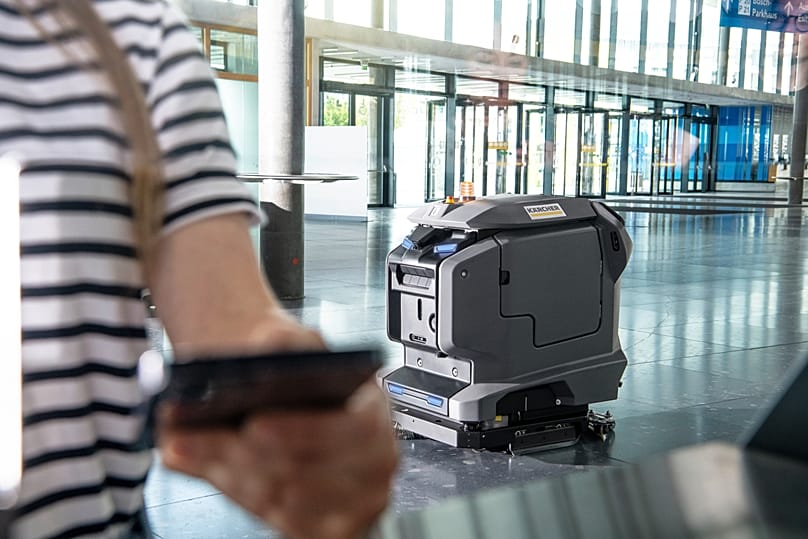
The company invests heavily in research and development, setting benchmarks in cleaning robots, battery technologies and the digitalisation of all areas of the business.
According to the company, more than 1,000 employees worldwide work in research and development.
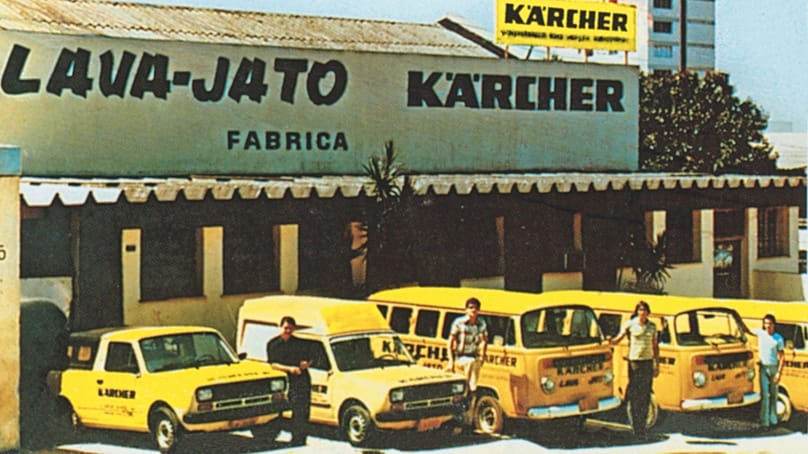
Kärcher was founded in 1935. In 2025, the company generated almost €3.5 billion in turnover. The firm, which is still family owned, earned 86% of that abroad.
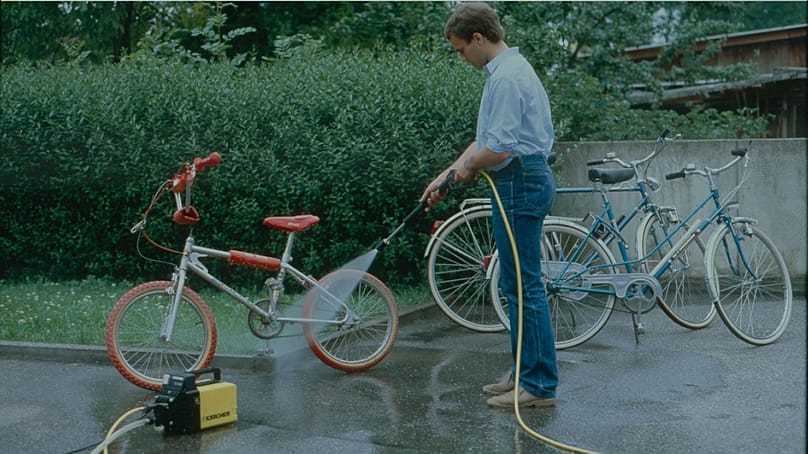
Kärcher's portfolio comprises more than 3,000 products related to cleaning and care, with its high-pressure cleaners particularly well known.
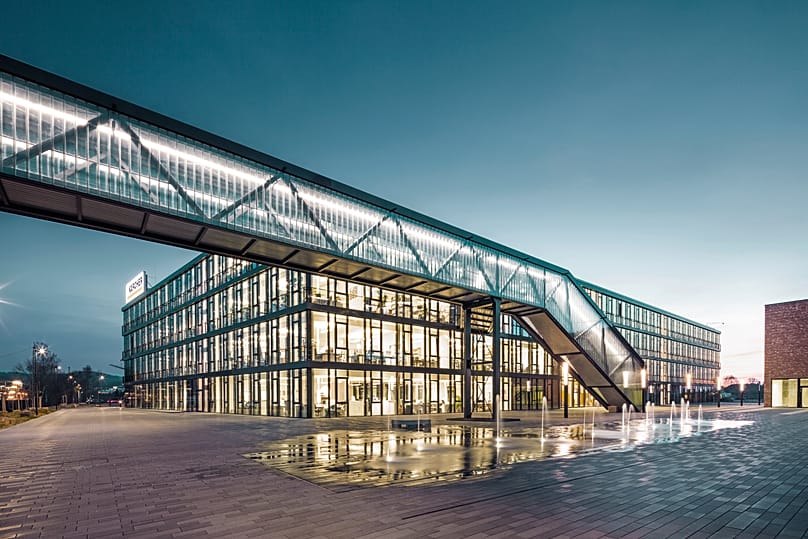
The company's headquarters are in Winnenden in the state of Baden Württemberg. It operates in 87 countries and employs 17,000 people around the world.
Business conditions and unfair competition making new jobs uneconomical
Yet even "innovation leaders" as Jenner describes his company cannot always prevail against "increasingly challenging operating conditions."
In view of sharply rising structural and labour costs, new production facilities and additional jobs in Germany and Europe are barely economically viable, he said.
Accordingly, Jenner is taking the German government to task.
Forecasts of 1.3% economic growth in Germany are "cautiously optimistic," but he warned that people should not be fooled by them, arguing it was "borrowed growth" - artificially driven by government debt, defence orders and subsidies.
"A short-term boost fueled by debt is no substitute for a real, self-sustaining recovery in private investments," Jenner wrote for Euronews.
"The causes of the ongoing weakness are largely homegrown: a creeping reform fatigue and a regulatory frenzy on the part of government institutions that hinders rather than facilitates investment," he added. "Instead of promoting entrepreneurship, regulations from Brussels to Berlin are suffocating the courage to embrace change."
Jenner grew up as the youngest child on his parents' farm in Winnenden. He studied business administration and engineering and continued to work on the family farm alongside his studies until he joined Kärcher in 1991 as an assistant. Hard work was instilled in him on the family farm.
"Success doesn’t just fall from the sky; for me, it consists of 97% hard work and dedication, 2% talent, and 1% luck."
His conclusion: "If we want to secure our prosperity and our social standards, we must once again recognize that value creation is the precondition for prosperity – and not the other way around. If you rest, you rust – that applies to people just as much as it does to economies."
Fight against bureaucracy, more work and determined trade policy
The Kärcher boss is therefore calling for "a real fitness programme for Germany."
Above all, rigid rules, excessive bureaucracy, high energy costs and steadily rising non-wage labour costs are poison for Germany as a business location, he argued.
But instead of tackling the problem at its root, a flood of regulations is allowed to continue, tying up valuable working time and costing companies millions, Jenner went on.
"Money and personnel that are needed for core business operations and innovation are being wasted on documentation requirements alone."
Cosmetic corrections are not enough, he said, what is needed is a cultural shift in the administrative apparatus, with authorities acting as service providers for business, pragmatic, fast and supported by AI.
"If other countries are already moving toward eliminating reporting obligations overall, this must send a clear signal to Germany and all Europe."
People should not shy away from necessary labour market debates either, Jenner stressed, adding that "demographic trends require an increase in the overall volume of work in the economy."
"Incentives for overtime, flexible working hours, practical rules regarding continued pay during medical leave, and a noticeable reduction in bureaucracy when employing skilled workers are essential."
Jenner is also calling on the EU to pursue a "resolute trade policy at the European level that guarantees fair competition and consistently punishes rule-breakers – because free trade only works when everyone follows the same rules."
Jenner's conclusion is that Germany's and Europe's future competitiveness can only be secured if they move away from bureaucracy and back to a "can-do mentality."
"Less regulation, more personal responsibility, ambitious investment incentives, reliable framework conditions, and, above all, the courage to tackle issues properly and comprehensively once again. Real change begins in the mind – it’s time to act."