




It would give the Democrats a significant check on Trump, potentially allowing the party to investigate his administration and to increase pressure on the White House over its policies.
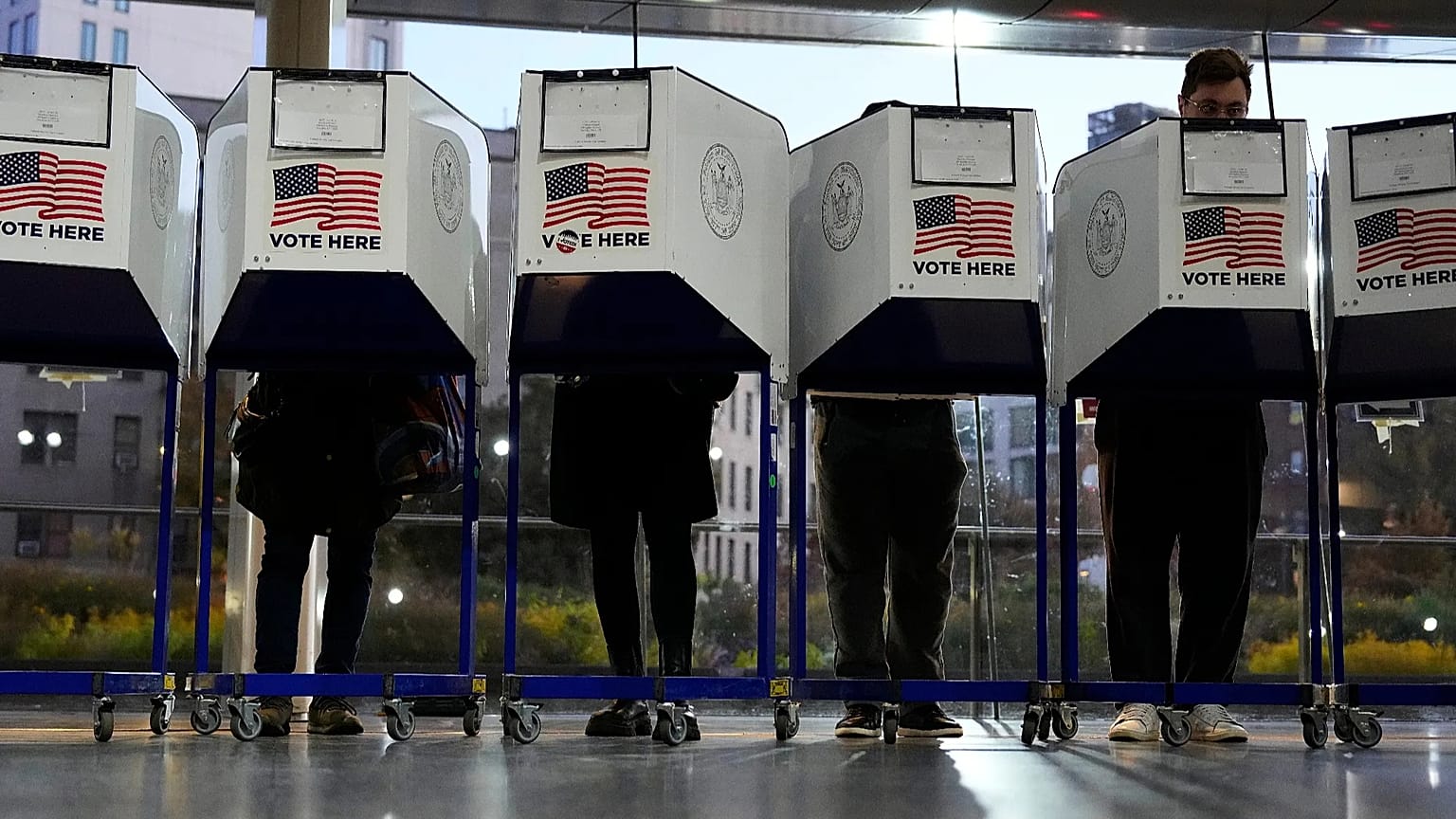
The Democrats took control of Congress after sweeping gains in the US' midterm elections overnight into Wednesday, including in parts of the country traditionally most loyal to the Republican Party.
 ADVERTISEMENT
Democrats took majority control of both the Senate and the House of Representatives, which would give them a significant check on US President Donald Trump.
Key Senate races in South Carolina and Texas went in favour of the Democrats - who also flipped House seats across the country. In the Texas Senate race, James Talarico defeated Republican Ken Paxton in a major blow for the GOP, while South Carolina also swung to Democrat Annie Andrews.
The Democrats also notched up historic Senate wins in Iowa and Kansas.
Gubernatorial elections also heralded a number of important results, including Democrat Amy Acton defeating Vivek Ramaswamy in Ohio, a state that has leaned Republican in recent years and that was previously represented by Vice President JD Vance as senator.
Trump wasted no time in sharing his opinion of the night, firing off a series of posts on his Truth Social account in which he appeared to distance himself from his party.
"I wasn’t on the ballot and if I was, we would have won in a landslide!" he wrote in one post.
He later added that he was planning to become a "political pundit, both good and bad, on the reasons these candidates won and lost."
Before polls had begun to close, the president told CBS News that he could veto Democratic legislation if the party took control of either the House or the Senate.
"I have the ultimate power - it's called veto," he told the outlet, adding that he did not mind being dubbed "Mr. Veto."
He also shared another social media post as the night drew on showing a red cap emblazoned with the word "veto."

However, Trump told The New York Times that he was "absolutely willing" to accept the results of the elections and that he was ready to work with the Democrats.
Around a third of the Senate's 100 seats were up for grabs on Tuesday, with 51 needed for a party to hold a majority. Coming into the night, Republicans held 53 to the Democrats 45, while two were with independents.
In the House of Representatives, 218 seats are needed to gain control of the chamber, the exact number that had been held by the Republicans before the vote.
Congressional elections take place every two years, with midterms coming halfway through a sitting president's four-year term. They are often regarded as a referendum on the president's performance in office.