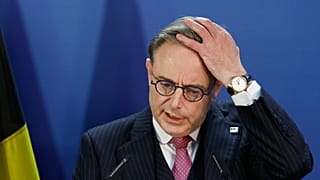


Prime Minister Bart De Wever offered his resignation to the king on 2 November over the budget impasse, but the monarch refused to accept it and gave him more time to find a solution.
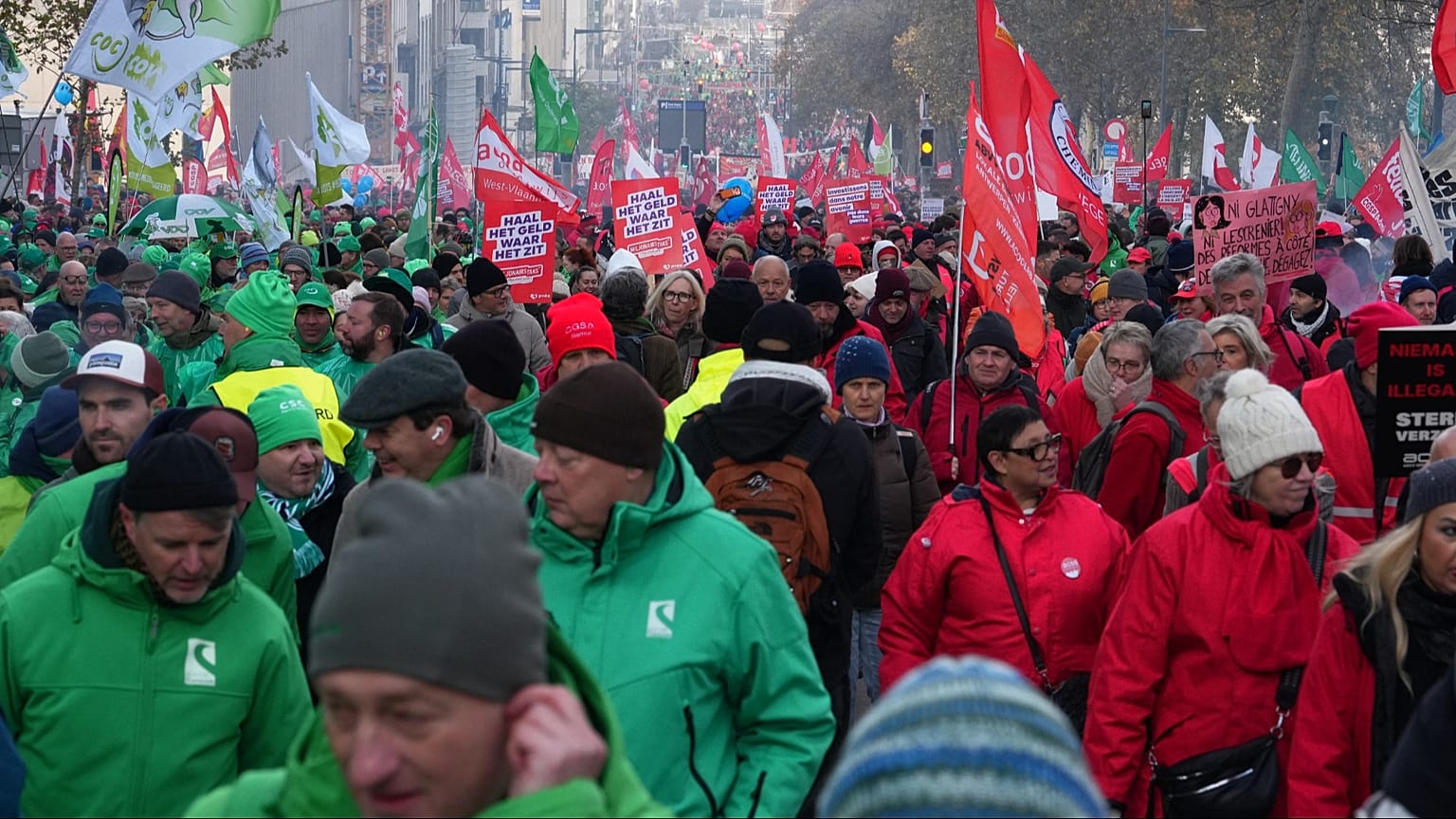
Tens of thousands of people protested against planned austerity measures in Belgium on Monday, as the government won more time to agree to a new cost-cutting budget despite inconclusive coalition talks.
 ADVERTISEMENT
King Philippe told Prime Minister Bart de Wever to continue to work towards a spending deal after the Flemish conservative reported for the third time in a month that discussions had failed to produce a breakthrough.
"While expressing regret over the lack of significant progress, the king encouraged the prime minister to persevere in order to reach an agreement as soon as possible," the royal palace said.
The palace meeting came as a national strike against the planned cuts grounded all flights, with public transport, schools and other public services also facing disruptions.
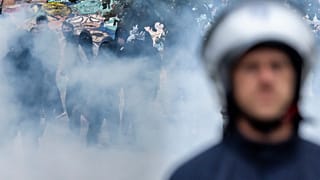
In the capital, police said 50,000 people turned out to march through the streets, blowing whistles and waving labour union flags, with signs like "The rich earn more, workers pay more!" and "BDW - Basta!", calling out the prime minister by his initials.
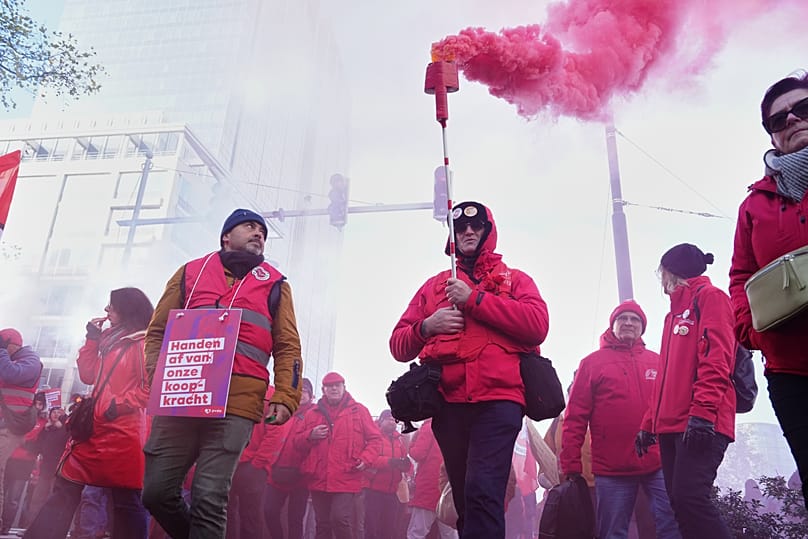
Air traffic came to a standstill after controller Skeyes said it was unable to provide regular services at Belgian airports due to staff walking out.
Belgium has seen repeated rounds of strikes and cost-of-living protests in recent months.
Much of the anger has been directed at De Wever's efforts to save €10 billion over the next few years in a bid to reduce the country's high deficit.
The issue has caused controversy also within the Flemish conservative's ruling coalition, which has been locked in budget talks for weeks.
De Wever offered his resignation to the king on 2 November over the budget impasse, but the monarch refused to accept it and gave him more time to find a solution.
The prime minister is due to report to the king again next week.
To bring down the deficit, which exceeds 5% of GDP, the government is looking at spending cuts notably in healthcare and a VAT increase.
Under the current EU fiscal framework, EU governments must keep their budget deficits below 3% of GDP and public debt under 60% of GDP.
But divisions within the coalition remain with the only leftist party in the mix, as well as unions pushing for taxes on high earners to offset some of the cuts.