

The EU, the UK and many small nations rejected a pact that promoted carbon capture and omitted a commitment to move away from fossil fuels.
After 44 hours of overtime on top of two weeks of negotiations, COP31 ended on Sunday without a climate agreement.
 ADVERTISEMENT
The so-called Antalya Pact failed after several countries, including the EU, the UK and many small Pacific island states, rejected a final draft that made no mention of fossil fuels – the leading cause of climate change.
In fact, the pact proposed by co-hosts Türkiye and Australia did not even refer to the “transition away from fossil fuels”, or TAFF, the landmark agreement reached at COP28 in Dubai.
For a global population facing stronger, more unpredictable weather and ecosystem collapse, the failure to agree on a fossil fuel phaseout or provide climate finance to developing nations means another year without a collective action plan in a rapidly warming world.
More than a decade after nearly 200 countries agreed to limiting global warming to 1.5°C at COP21 in Paris – also known as the Paris Agreement – 2026 is on course to become the second calendar year to exceed that threshold. The UN warns that a long-term breach will happen soon, too, with every fraction of a degree increasing the risk of irreversible environmental damage.
“There may be no consensus in the negotiating room. There is no ambiguity in the science,” UN Secretary-General António Guterres said after the summit.
But is there reason for hope anyway? While COP31’s failure marks a setback, some think the acrimonious ending in Antalya might come with a silver lining.
Why COP31 ended without a deal
The final hours of COP31 exposed some of the deep divisions that have long plagued the event.
While other COP summits have gone into overtime, most ended with deals. As last week progressed, it became clear that a COP31 compromise would be hard to reach.
Oil-producing nations, led by Saudi Arabia, began to dig in their heels in opposition to explicit references to coal, oil and gas. Climate finance was just as contentious a topic.
Despite setting a red line around the pact’s language on fossil fuels, the EU resisted calls for additional climate finance. The bloc’s climate commissioner, Wopke Hoekstra, had even ruled out new funding commitments before the summit began.
In the end, although developing nations asked for more money to protect themselves against worsening floods, droughts and other disasters, a target of roughly €110 billion a year in climate adaptation finance by 2035 disappeared from the final draft.
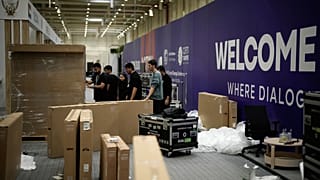
The breakdown in talks means that Ethiopia, which will host COP32 next year, will face many of the same unresolved disputes all over again.
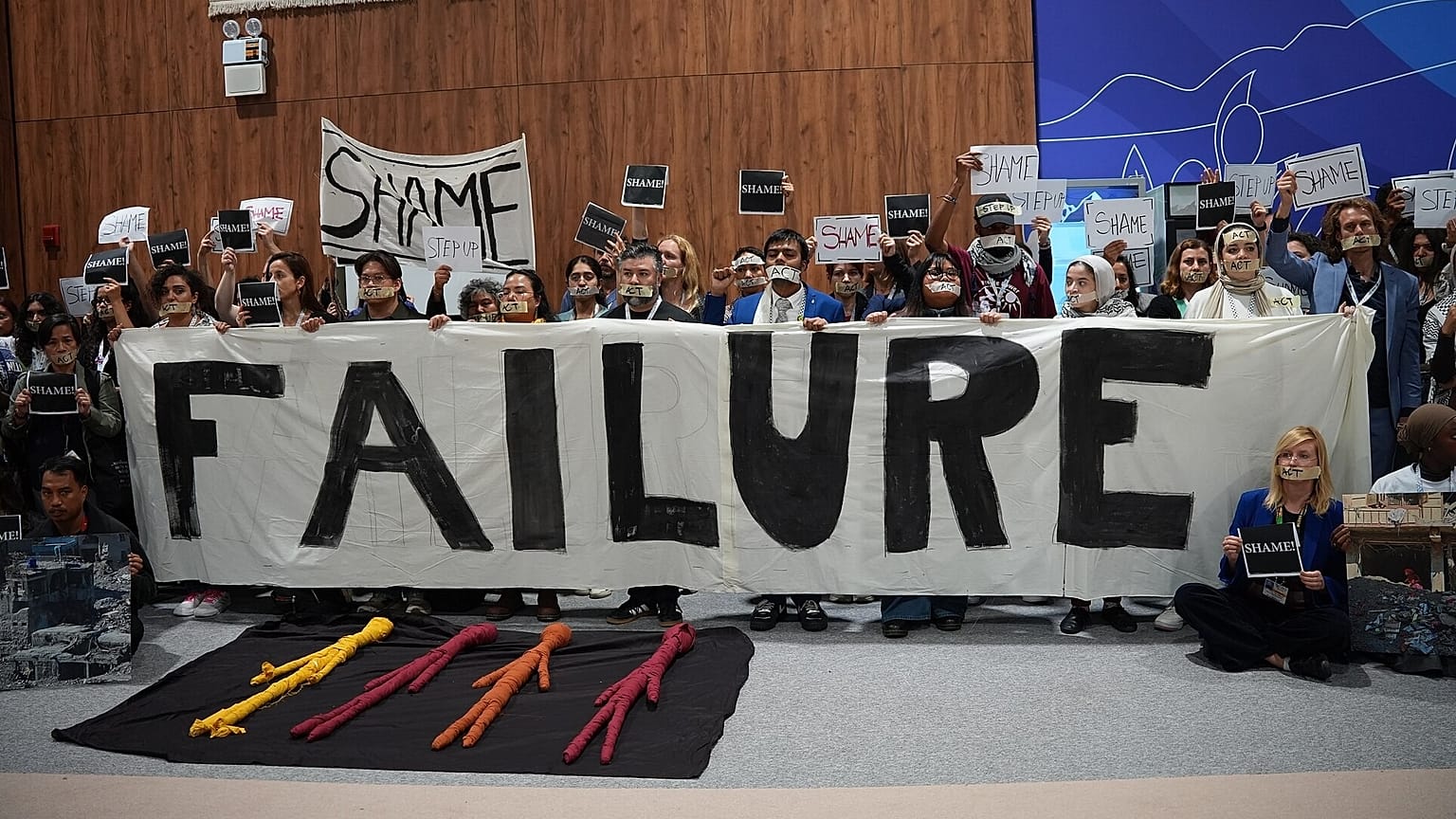
The climate campaign group 350.org said “the world deserves better”, with its East Africa team leader, Rukiya Khamis, accusing Türkiye and Australia of handing the incoming presidency “the wreckage of their failed leadership”.
“People across Africa and the world have spent this year struggling with rising energy prices and deadly droughts and floods. Yet rich polluting nations have chosen to side with the fossil fuel lobby and closed their wallets at a time when we urgently need a lifeline,” Khamis said in a statement.
“Countries on the frontline of this crisis should not have to beg for the resources they need to protect their people, rebuild after disasters and secure reliable and accessible renewable energy.”
Did COP31 achieve anything?
Despite ending ignominiously, COP31 still offered some reasons for optimism. For one, it avoided dressing up inaction as progress – or, in other words, greenwashing.
More than 130 countries had demanded that the final agreement reaffirm the commitment to transition away from fossil fuels made at COP28. Instead, the proposed pact promoted carbon capture, a technology championed by the fossil fuel industry that critics say is ineffective on the level it would be needed and allows oil and gas producers to continue polluting.
Former UN climate chief Christiana Figueres says the refusal to accept a weaker agreement shows that governments are prepared to defend their previous commitments, even if it means walking away from the negotiating table.
“Today nations stood up for what science and justice demand,” Figueres said after the summit.
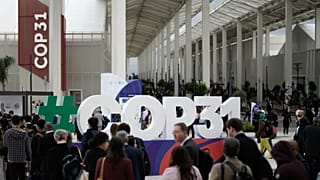

COP31 had several, smaller climate wins throughout the week, too. Outside of formal talks, governments, civil society leaders and businesses announced several new commitments and investment plans that do not depend on global consensus.
For example, more than 90 nations backed Türkiye’s voluntary ‘35 by 35’ pledge to increase the amount of energy the world gets from electricity from about 23 per cent to 35 per cent by 2035.
“Despite this missed opportunity for progress within the COP process, the renewable energy transition is now unstoppable, delivering unprecedented volumes of renewable electricity across the globe,” says Ben Backwell, chair of the Global Renewables Alliance and CEO of the Global Wind Energy Council.
And COP is far from the end of climate talks, too. In April, 56 countries attended a conference in Santa Marta, Colombia, dedicated to a fair transition away from fossil fuels. Afterward, several European nations committed to voluntary phaseout roadmaps. The next edition of the conference is planned in Tuvalu in 2027.
But the urgency of cutting emissions is now so great that the UN speaks of ‘limiting overshoot’ – clinical terms that describe a future in which the world breaches the Paris Agreement’s 1.5°C limit, then attempts to bring warming back down.
Even if it succeeds, some of the damage may be irreversible, and climate change will continue to threaten lives and livelihoods in the meantime, the UNEP warns. Many are now questioning if the agreement-by-consensus model of COP summits no longer works and it is time for a different way of driving coordinated, global climate action.
“The climate crisis will not wait for governments to find common ground,” Guterres said. “Neither can we.”