

Iran summoned a Qatari diplomat in Tehran over a joint statement with Germany condemning Iranian attacks and threats to shipping. Qatar said it will handle the dispute through diplomacy and that both the US and Iran were still participating in its mediation efforts.
Doha reacted on Tuesday to Iran's decision to summon Qatar’s chargé d’affaires in Tehran over a joint statement with Germany, saying any differences should be handled through diplomacy.
 ADVERTISEMENT
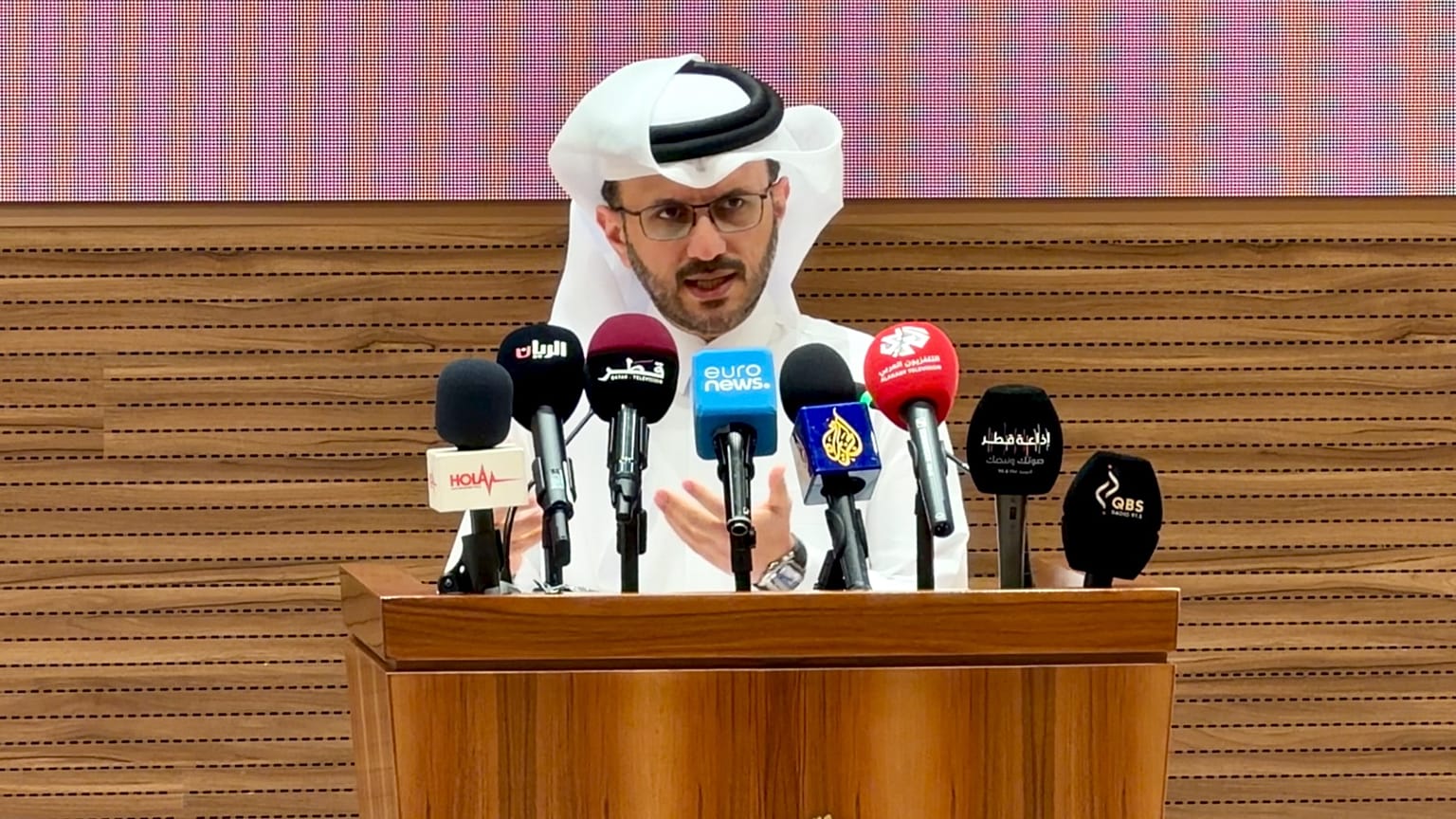
“We will not accept any attacks on our country, whatever form they take,” Majed Al Ansari, spokesperson for Qatar’s foreign ministry, told a media briefing in Doha.
“But at the same time, we stress that diplomatic solutions are the only way to end this crisis,” he added, while describing Iran as a major regional power and pointing to the countries’ longstanding commercial and cultural ties.
His comments followed Iran’s surprise announcement on Monday that it had summoned Qatar’s chargé d’affaires in Tehran to protest against the joint statement issued on Saturday by Doha and Berlin during Emir Sheikh Tamim bin Hamad Al Thani’s state visit to Germany.
The declaration published by Qatar’s foreign ministry condemned Iran's attacks on Qatar and other regional countries, describing them as a “flagrant violation” of sovereignty and international law, and called on Iran to cooperate fully with the UN nuclear watchdog.
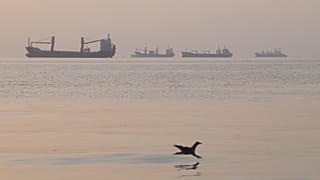
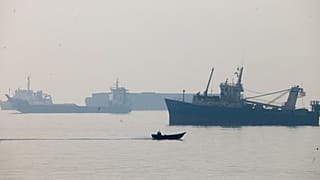
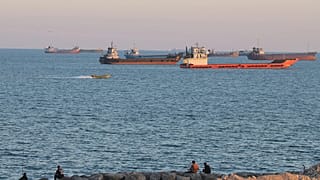
The declaration also called on Iran to end its support for armed groups in the region, including Yemen's Houthis, and condemned attacks and threats against commercial ships, rejecting any action that would close the Strait of Hormuz or obstruct navigation.
Iran's foreign ministry spokesperson Esmaeil Baghaei called Qatar’s position “unexpected” and rejected the statement’s accusations as “completely baseless and unacceptable”.
He questioned why Qatar had joined Germany in issuing the declaration, saying the decision required an explanation.
Al Ansari did not explain why Tehran had reacted this way to the statement since Qatar has maintained these positions consistently ever since the start of the Iran war in February and is now leading the intense mediation efforts to bridge the US and Iran towards a diplomatic resolution of the conflict.
Mediation continues
Al Ansari declined to discuss the details of proposals under negotiation between Washington and Tehran, but confirmed that both sides remained involved.
“What I can confirm is that both sides are engaging in the mediation as we speak right now,” he said in English.
He warned that further military escalation would harm the mediation efforts and affect the chances of reaching an agreement, urging all parties to exercise restraint.
He said restoring freedom of navigation through the Strait of Hormuz was needed to prepare the way for a comprehensive agreement. He also called for a regional security framework that addressed all parties' concerns.
The briefing followed talks in Washington on Monday between Qatar’s prime minister, Sheikh Mohammed bin Abdulrahman Al Thani, and US Secretary of State Marco Rubio.
Iran and freedom of navigation through Hormuz were among the issues discussed during the Qatar-US Strategic Dialogue. Rubio also reaffirmed Washington’s commitment to Qatar’s security in the joint statement.