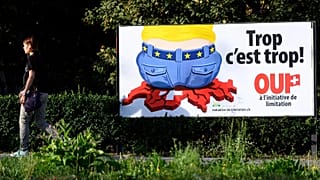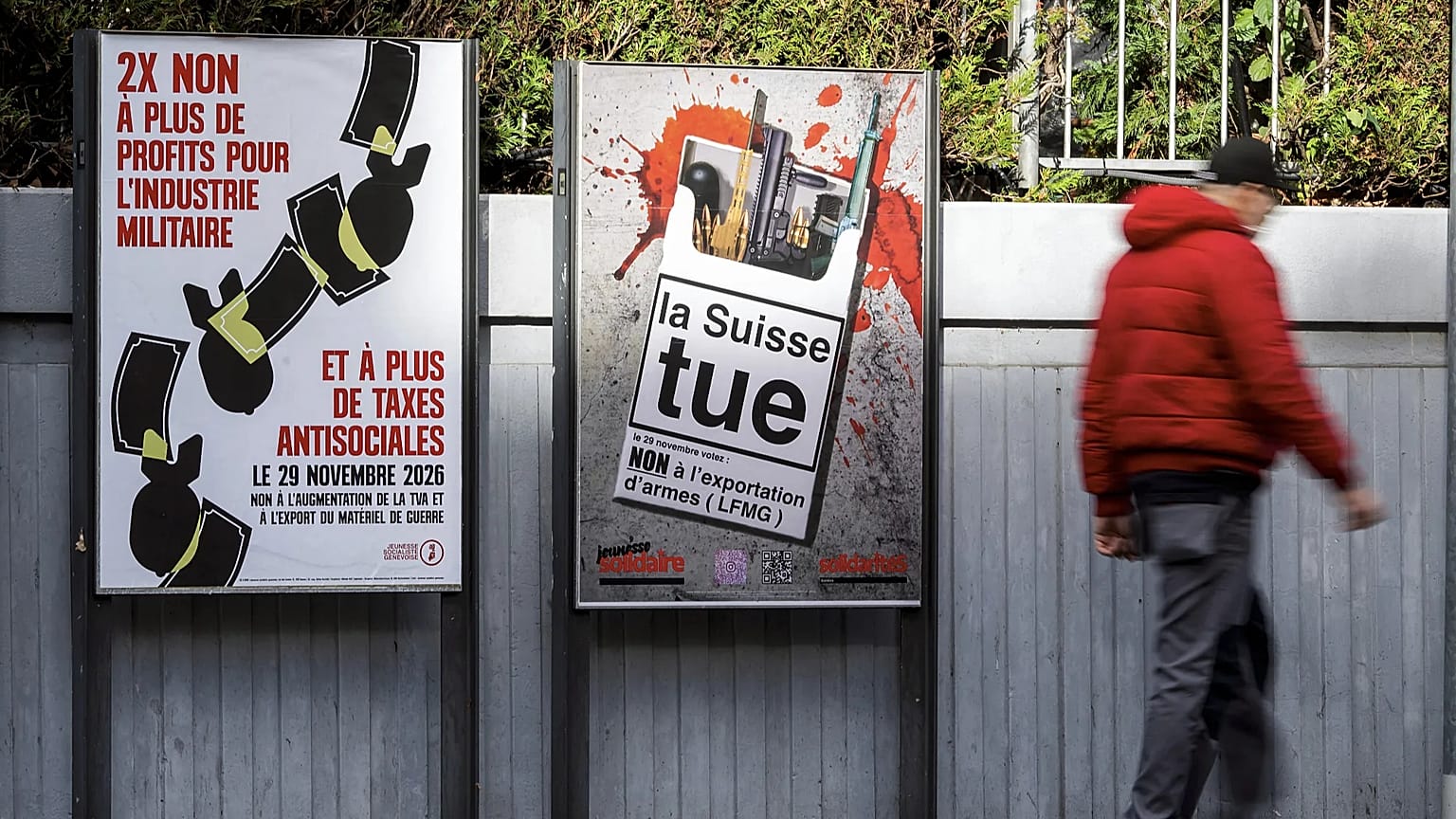


Initial projections show that 54% of Swiss voters agreed to facilitate weapons export in a referendum following several previous decisions loosening arms regulations.
The latest exit poll shows Swiss voters agreed on Sunday, and by a tight margin, to loosen rules on arms exports. About 54% of people voted in favour of easing regulation in the referendum, according to the polling institute gfs.bern.
 ADVERTISEMENT
The wealthy landlocked country doesn't export arms to nations involved in armed conflicts and insists on being consulted if client countries wish to export Swiss-made weapons to other nations.
A forecasted result pitting the country's neutral and humanitarian traditions against security concerns and powerful arms industry manufacturers.
Proponents from centrist and right-wing parties argued that the reform was essential for the country's arms industry competitiveness in international supply chains.
It was a matter of "retaining, within our territory, the expertise essential to our independence and security", said Yvan Pahud, a member of the hard-right Swiss People's Party, during the campaign.
War in Ukraine shook up the status quo
Since Russia invaded Ukraine, the Swiss government has started to loosen regulations, leading to Parliament easing arms export rules last year.
Weapon exports to 36 partner countries — mainly European, including Argentina, Australia, Canada, Japan and the US — are now set to be approved automatically, even if these countries were involved in a conflict. The government would however retain the right to block exports if the country's national interests were at stake.
Left-wing parties and NGOs asked for a referendum this time, arguing further laws would endanger Switzerland's neutrality.
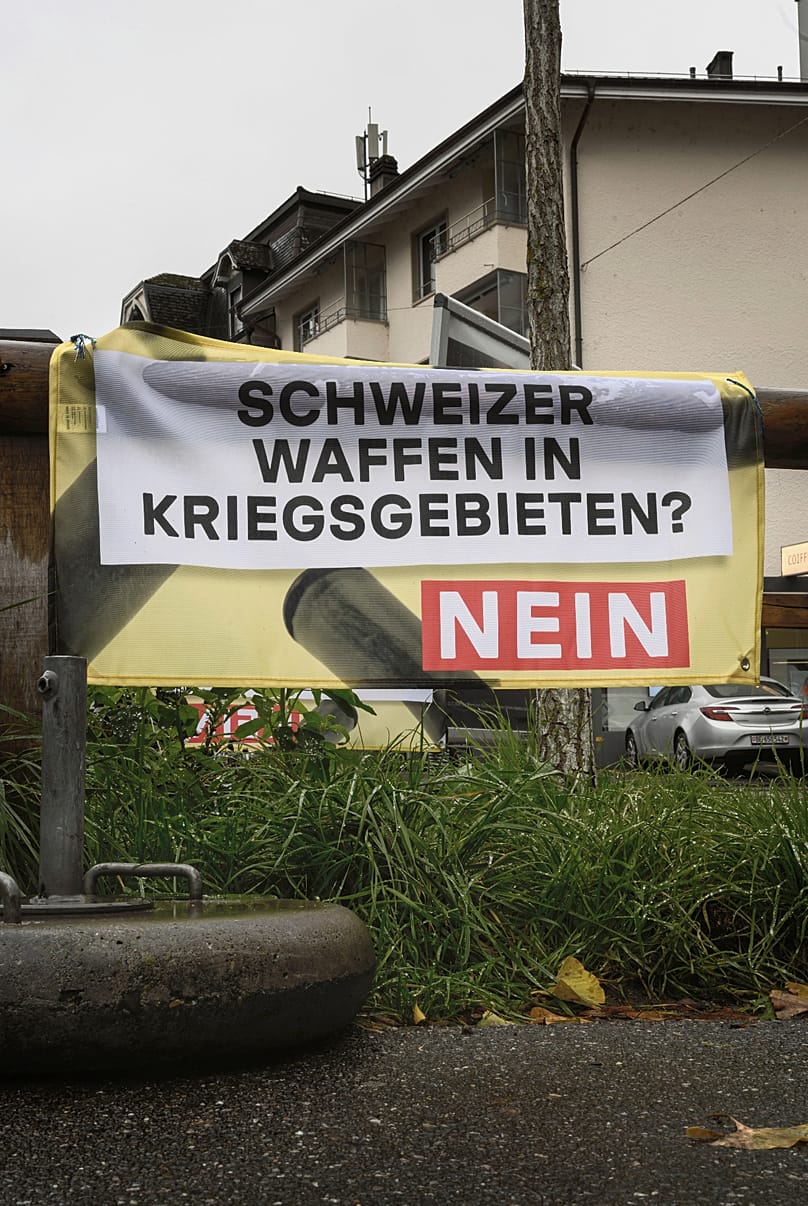
"It significantly increases the risk that Swiss weapons could indirectly end up in civil wars or in the hands of regimes that violate the law," said Monika Maire-Hefti, president of the Caritas Switzerland charity.
Critics, including around 20 NGOs, have condemned "the dismantling of the main safeguards governing Swiss arms exports." They also pointed out that no measures included Ukraine despite repeated requests from European countries.
"Since Switzerland maintains an embargo on military equipment against Russia, it may not supply such equipment to Ukraine either," said the Swiss economy ministry.
20th-biggest arms exporter
The small mountainous country held a 0.3% share of the global arms market between 2021 and 2025. Weapon exports surged by 43% to €1 billion in 2025, primarily due to ammunition and spare parts shipments to Germany.
If the result is confirmed later on Sunday, the decision will be a relief to those in favour who argued that current regulations were harming both the domestic arms industry and defence cooperation with European countries.
The country also voted by 55% against an increase in the value-added tax (VAT) in order to fund a pensions rise but approved by 61% a restriction on the sale of a category of fireworks, according to exit polls.