



























Analysts and businesses had expected a sharper key rate cut, but inflationary risks are holding back monetary easing, which the Russian regulator gingerly links to the war.
The Bank of Russia has cut its key interest rate to 14.25% from 14.5% – less than analysts had expected – against a backdrop of economic difficulties linked to rising spending on the war in Ukraine, Western sanctions and a fuel crisis triggered by Ukrainian drone strikes.
 ADVERTISEMENT
ADVERTISEMENT
ADVERTISEMENT
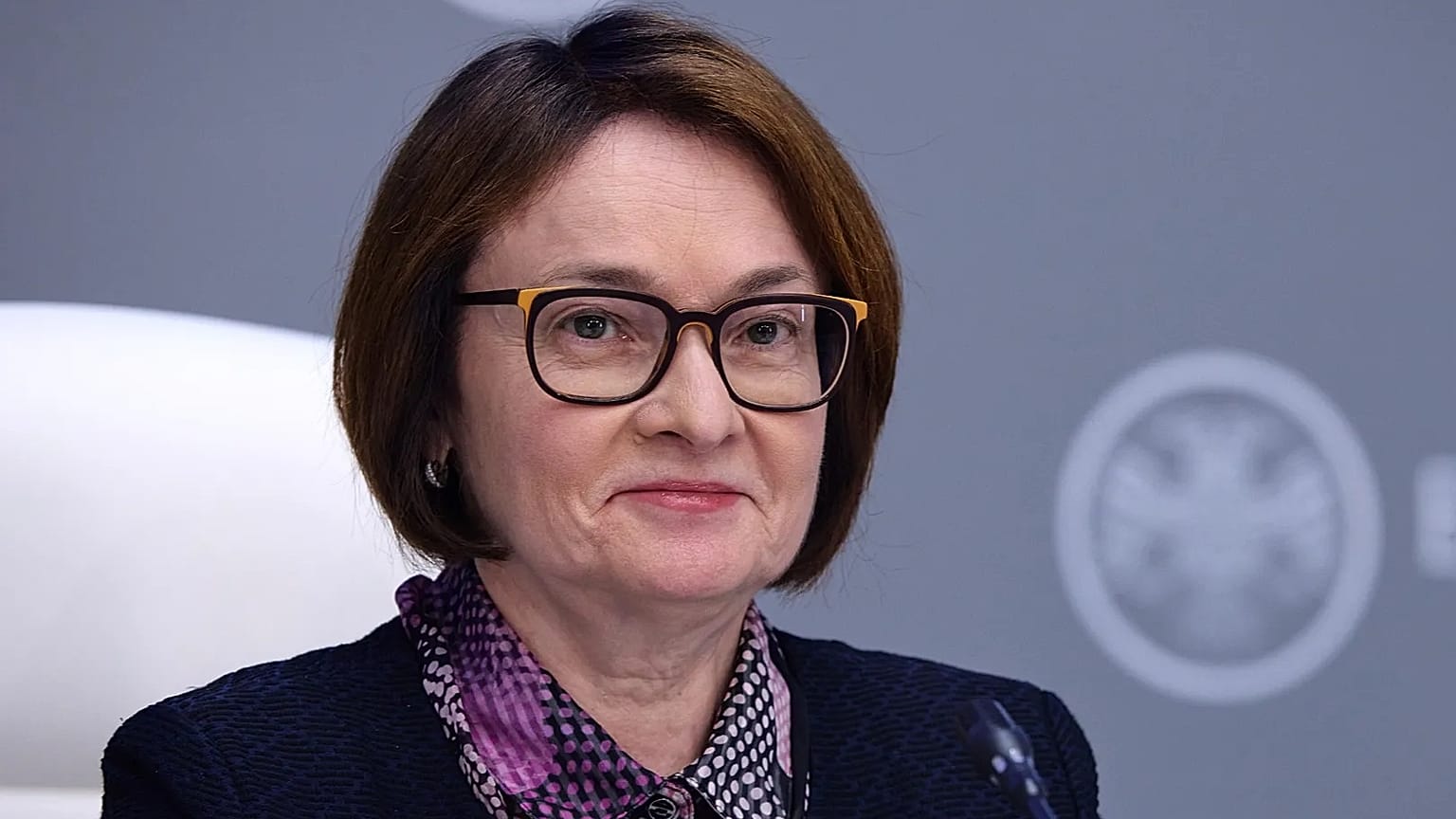
At a Friday press conference, Central Bank chief Elvira Nabiullina, who appeared in public for the first time since early June and explained her absence by illness, made it clear that monetary policy was unlikely to be eased any time soon.
According to the head of the regulator, rates may remain elevated for longer because of "pro-inflationary risks" against the backdrop of higher-than-expected budget spending over the next three years. Nabiullina described this as a "more expansionary fiscal policy".
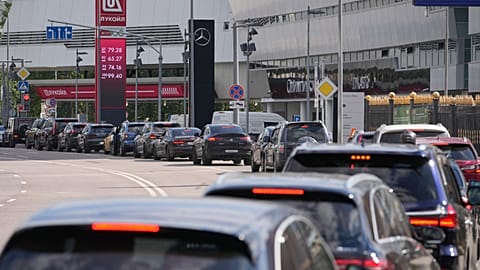
The spike in petrol prices was also one of the key factors behind the decision to opt for a more modest rate cut.
"Rising petrol prices may also affect inflation expectations, as this is a highly sensitive commodity both for people and for companie_s_", Nabiullina said, thereby linking Ukraine's air campaign directly to specific problems in the Russian economy.
Consequences of Ukraine's retaliatory strikes
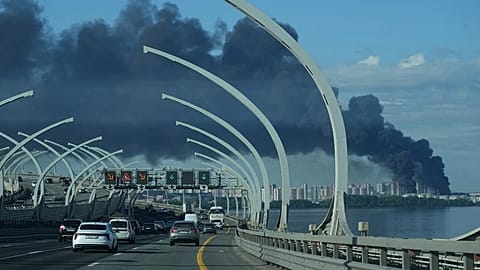
In recent months, against the backdrop of continuing Russian attacks on Ukrainian cities and the Kremlin's refusal to engage in peace talks, Ukraine has stepped up drone strikes on Russian oil refineries, ports and tankers, disrupting the fuel market. Some petrol stations have introduced fuel rationing.
In May, Russia's oil production fell to its lowest level in a year amid intensifying Ukrainian drone attacks on refineries. At least 53 regions of the country experienced some form of petrol shortage.
On the night of 18 June, almost 200 Ukrainian drones struck Moscow and the Moscow region, in the largest attack on the Russian capital since the start of the full-scale war.
Footage of the explosion at the refinery in south-eastern Moscow, which blew the lid off a storage tank, was widely carried in international media.
On Saturday, the business daily _Kommersan_t reported a sharp rise in petrol prices. In the Moscow region, fuel had gone up by more than 3 roubles a litre. Previously, prices for AI-92 and AI-95 grades had been rising on average by 0.1–1 rouble per litre, the Russian outlet noted, without once mentioning Ukraine's retaliatory actions as a cause of the current crisis.
Experts quoted by Kommersant in particular explain the situation by a "reduction in fuel supply", "unscheduled refinery maintenance, increased seasonal demand and panic buying".
Petrol stations that do not belong to the nine largest Russian oil companies have even been forced to purchase "more expensive Belarusian petrol".
Business fears 'freezing over'
Since last year, the central bank has been reducing the rate only cautiously as signs of an economic slowdown have emerged. In the first quarter, the Russian economy contracted for the first time in three years, as civilian sectors were hit by high interest rates and labour shortages.
On average, analysts had expected a sharper rate cut – to 14% – according to a consensus forecast published by the outlet RBC.
On the eve of Nabiullina's appearance, Russian business associations had called on the regulator to cut the rate by 1 percentage point to 13.5%, so that the economy did not "freeze completely". High rates are putting pressure on businesses: large companies are shedding staff and seeking state support, while some small firms are being forced to close.
In 2024 the central bank sharply raised the rate to multi-year highs amid a surge in inflation driven by military spending.
According to Bloomberg, Russia's budget deficit for the first five months of 2026 has already reached 6 trillion roubles (€61–62 billion), or 2.6% of GDP, exceeding the planned annual level by 60%. The government is planning to increase military spending by a further 4–5 trillion roubles (€41–52 billion), unnamed sources told Bloomberg.
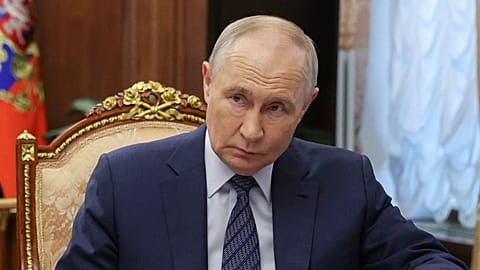
At the St Petersburg International Economic Forum earlier this month, which Elvira Nabiullina did not attend, President Vladimir Putin rejected claims of an economic collapse, saying that GDP growth had "only fallen to the level of the eurozone countries".