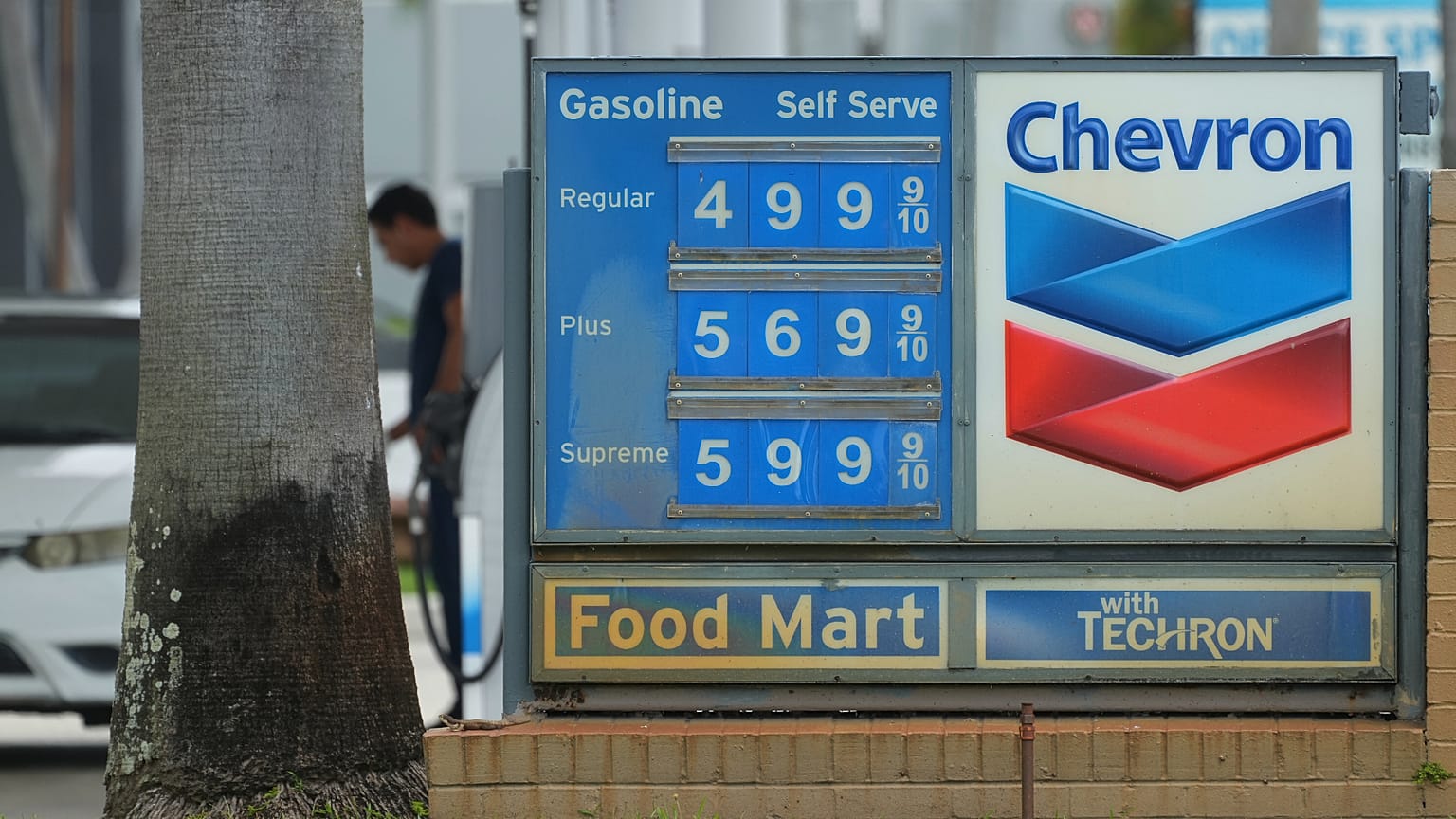













Chevron announced a $7 billion expansion deal for its Venezuelan operations on Wednesday, hours after the country's parliament approved handing Washington control over a fifth of its oil reserves.
America's second-largest oil company has announced it will develop two additional oil fields in Venezuela's Orinoco Belt, more than doubling its output in five years, in a deal worth $7 billion.
 ADVERTISEMENT
ADVERTISEMENT
ADVERTISEMENT
The joint venture between Chevron and Petroindependencia, in which Chevron has a 49% stake, will develop two greenfield sites near existing work and lift output to around 600,000 barrels per day, according to a company press release.
US Energy Secretary Chris Wright landed in Venezuela late Tuesday to unveil fresh investments, with Chevron making the first corporate move to follow the agreement that just cleared Venezuela's National Assembly.
Chevron is the only major American producer to have stayed in Venezuela since Hugo Chávez completed the nationalisation of the industry in 2007, a move that drove Exxon and ConocoPhillips out.
After landing in Caracas, Wright immediately addressed the media and stated that "as large investments flow into this country that creates more jobs which pushes wage pressure up and creates opportunity for Venezuelans' prosperity."
A vote and an argument about the fine print
The announcement lands alongside a much bigger prize, a separate deal giving Washington control of a fifth of Venezuela's oil through a different operator entirely.
Venezuelan lawmakers approved the agreement by a show of hands late Tuesday, though some opposition members abstained, saying they had not seen the terms.
"We need and are obliged to know what is written in the fine print," said opposition lawmaker Luis Emilio Rondón.
"Who benefits from this oil if it stays underground?" argued the National Assembly chief Jorge Rodríguez in return.
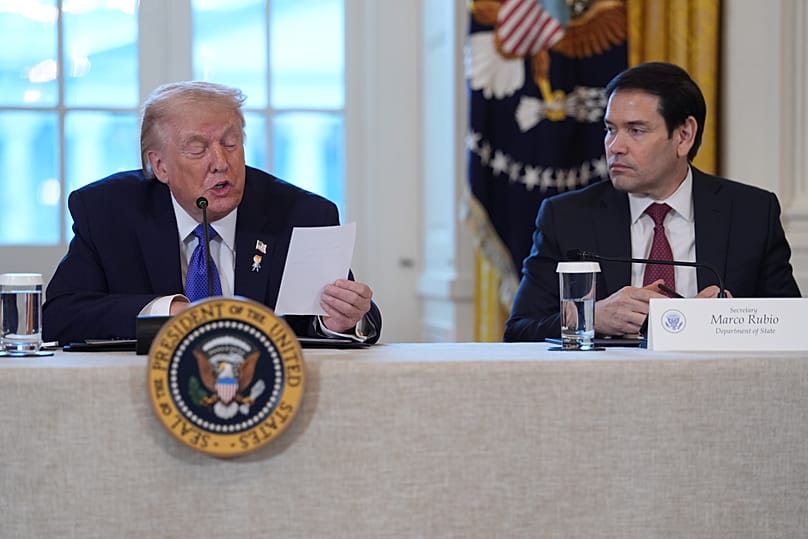
Speaking in Spanish for an interview posted online on Tuesday, US Secretary of State Marco Rubio described the arrangement in blunt terms.
"Essentially, this is now an agreement with the US government, specifically involving the Defense Department, which holds a special account allowing it to take possession of a certain percentage of these assets," Rubio said, adding that American backing would help the company attract the private investment needed to develop the fields.
The "vast majority" of the 17 fields had been in Chinese and Russian hands, Rubio pointed out, as the White House has also cast the agreement as a reassertion of the Monroe Doctrine.
Those fields come with 100-year rights for North American Blue Energy Partners and hold 65 billion barrels. A new company will be created in which the US Department of War's Office of Strategic Capital takes a 35% stake, with the US State Department entitled to buy 20% of output at production cost.
US citizens must form a majority of the board, and Washington holds a veto over appointments.
NABEP is owned by Alejandro Betancourt, who has faced investigations over alleged money laundering in Spain and Switzerland without charges being filed and has been accused of involvement in a corruption scheme at state producer PDVSA.
An unnamed US official called him a "proven operator" while conceding that geopolitics sometimes means dealing with imperfect figures.
"I'm not nominating anyone for sainthood here," the official said. "What I am telling you is that this is a person that, in the past, has been helpful to the United States government."
What the deal has not settled
Analysts remain sceptical that output can be revived quickly, with estimates ranging from one to ten years before new barrels reach the market. Washington is not investing money in the venture, officials say, arguing its backing alone will attract the capital needed.
US President Donald Trump suggested on Monday that others would follow Chevron.
"We have Exxon going in, we have Chevron going in. We have our big oil companies going in," Trump stated.
However, Exxon's position appears unchanged as a spokesman said on Tuesday that "nothing has changed" after CEO Darren Woods also called Venezuela "uninvestable" earlier this year.
For the US administration, the urgency is domestic.
US President Donald Trump just met oil executives at the White House on Tuesday as petrol prices climbed because of new US strikes on Iranian targets near the Strait of Hormuz, posting afterwards that "we are unleashing American Energy Dominance!"
Cheaper fuel is a priority before November's midterm elections, in which Republicans could lose control of both the House and the Senate.