




























The controversial fast fashion brand is in more hot water as independent designers accuse them of racketeering and copyright infringement via an AI algorithm.
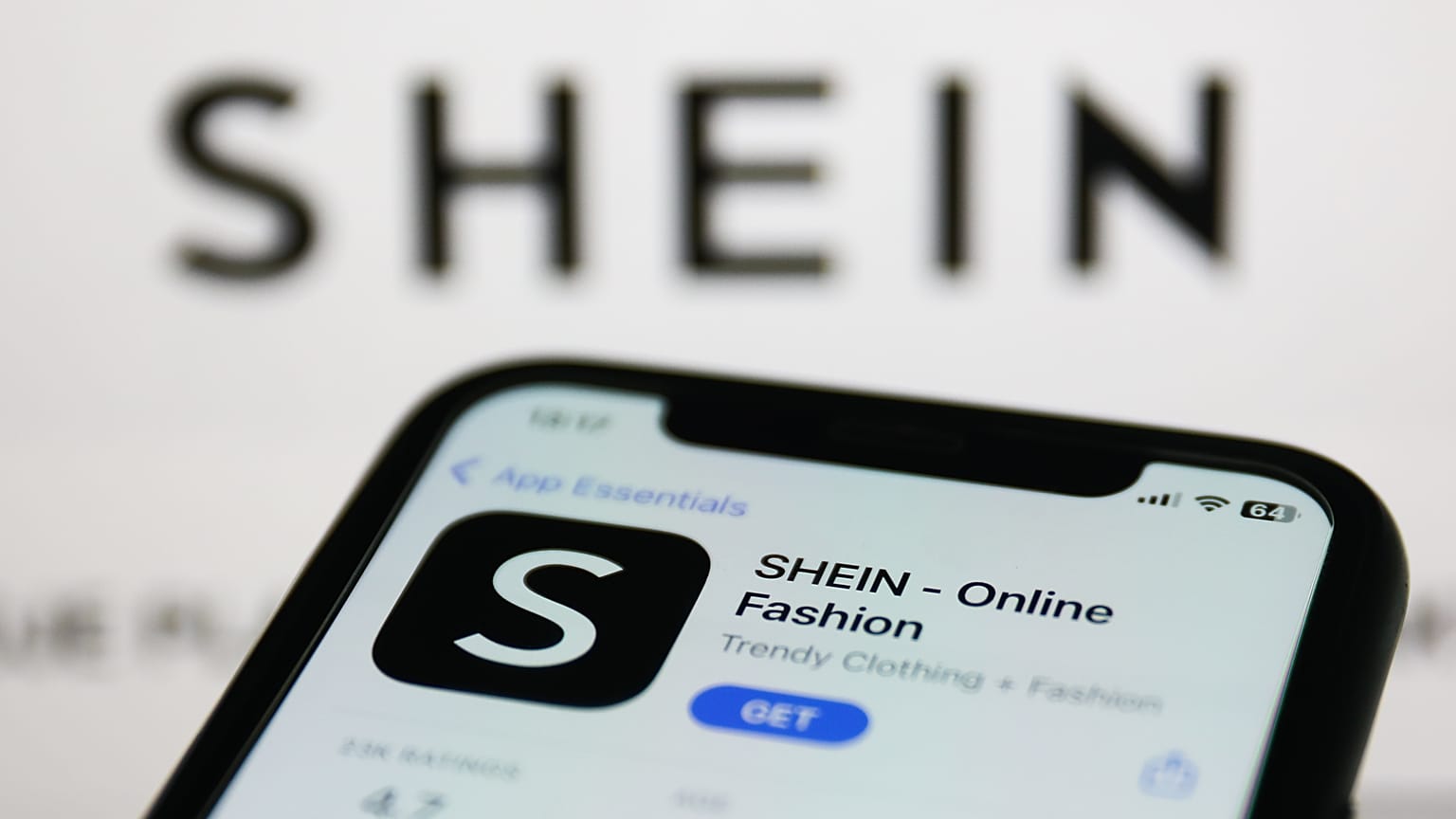
Controversial fast fashion retailer Shein has been accused of copyright infringement and related racketeering activities.
 ADVERTISEMENT
ADVERTISEMENT
ADVERTISEMENT
In a new lawsuit, independent designers have filed a lawsuit against the fashion giant, claiming they have used a “secretive algorithm” to allegedly reproduce work for their own designs.
First reported in The Fashion Law, the lawsuit was filed on Tuesday 11 July in a California federal court. It accuses the clothing company of using the ‘algorithm’ to identify trending art and copy it.
Krista Perry, Larissa Martinez and Jay Baron are the three independent artists suing Shein. They’re claiming that the brand and its parent company, Zoetop Business Company Ltd., engaged in “produc(ing), distribut(ing), and selling exact copies of their creative works”, alleging the apparent process is “part and parcel of Shein’s ‘design’ process and organisational DNA”.
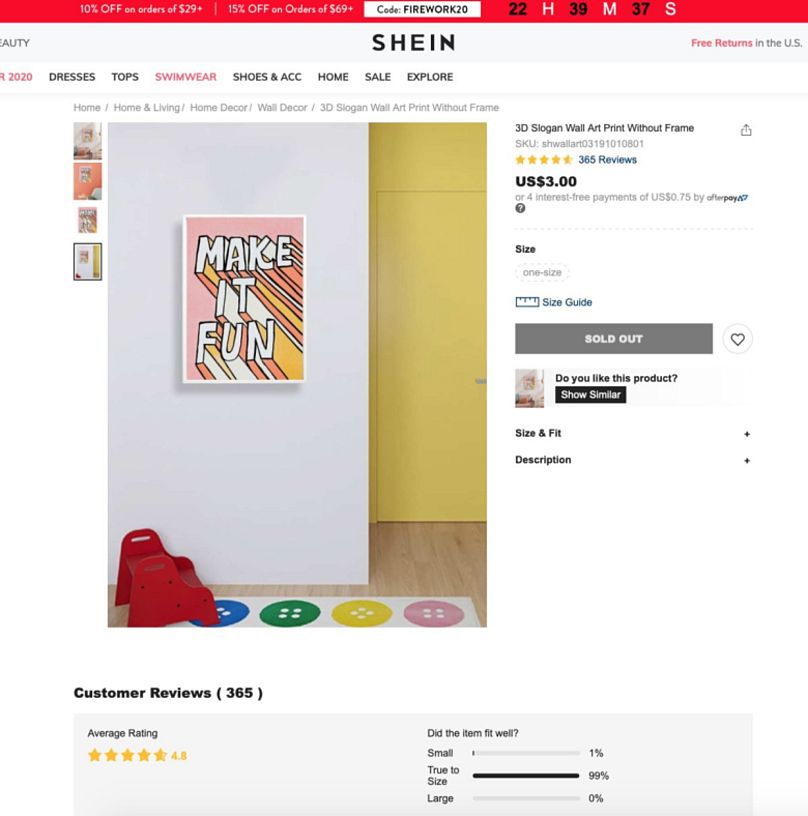
In the suit, the designers claim that Shein have replicated “truly exact copies of (their) copyrightable graphic designs”, citing an artwork by Perry called ‘Make It Fun’ as one example.
Jay Baron’s ‘Trying My Best’ artwork was allegedly copied by Shein but, in a legally complicated twist, the design is not only a registered copyright but the phrase was also trademarked by the artist.
The plaintiffs argue that they “have suffered and will continue to suffer substantial damage” to their businesses and “a diminishment in the value of their designs and art, their rights, and their reputations”.
A “secret algorithm”?
Perry, Martinez and Baron have also alleged that Shein created a “secretive algorithm” to identify growing fashion trends, using the data to “produce very small quantities of (its) item for sale”. By using the work of smaller and independent designers, they say it’s more unlikely the “infringement” will go unnoticed.
Adding to the claim, they say: “The brand has made billions by creating a secretive algorithm that astonishingly determines nascent fashion trends – and by coupling it with a corporate structure, including production and fulfilment schemes, that are perfectly executed to grease the wheels of the algorithm, including its unsavoury and illegal aspects”.
The lawsuit named Chris Xu as the brains behind the algorithm, calling him a “mysterious tech genius”. The designers went on to allege he had made Shein “the world’s top clothing company through high technology, not high design”.
How serious is a RICO claim?
While Shein has frequently been in hot water legally, this newest complaint is particularly notable for its Racketeer Influenced and Corrupt Organizations Act (RICO) claim.
RICO is a federal law designed to fight organised crime in the United States. Individuals or organisations are able to use the Act to file civil claims against alleged racketeering activities performed as an ongoing criminal enterprise.
The suit claims Shein’s alleged infringement activity is “committed not by a single entity, but by a de-facto association of entities”, suggesting that the offending party is not just an individual or business but a criminal organisation.
The complaint claims that Shein’s “confusing corporate structure” allows the company to “avoid liability” in the case of intellectual property infringement. They claim that the brand tends to remove “the product from its sites with (sic) blaming the misconduct on another (Shein entity) actor (implying such actor is independent)”.
Perry, Martinez and Baron are seeking past and future damages, compensation for legal fees and a move to “prevent further racketeering activity” within the company.
A history of controversies
This lawsuit is not the first time Shein has faced accusations of copyright infringement or been criticised for its business ethics.
Among other claims, in May this year, artist Maggie Stephenson settled with Shein for an undisclosed amount following a $100 million (approximately €89,000) lawsuit.
Also in May, Italian fashion designer Giuliano Calza accused the retailer of stealing shoe designs created by his streetwear label, GCDS.
Just last month, Shein was widely criticised for inviting a group of influencers on a paid trip to a factory owned by the retailer in the Chinese city of Guangzhou.
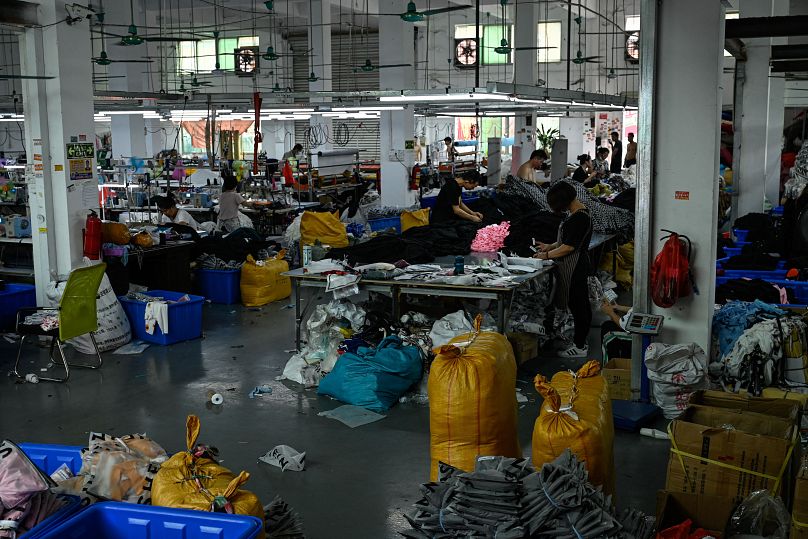
The company has often been accused of labour abuse and its tour of its so-called ‘Innovation Factory’ which appeared across social media, prompted a huge backlash, with some critics saying the group only visited one factory out of some 6,000 owned by Shein.
In their videos, the six US-based influencers only lightly touched on allegations made against Shein on their labour and environmental policies.
Last year, UK TV station Channel 4 sent an undercover worker into two other Shein factories in Guangzhou. They found that workers receive a base salary of just 4k yuan per month - or about €503 - for up to 18-hour-long days, while they are expected to produce 500 pieces of clothing per day with just one day off a month.
In November 2022, Shein’s collaboration with legendary rock band The Rolling Stones was pulled after the group were informed of allegations of labour abuse.
At the time, a spokesperson for the band said, “We do not want to be associated with Shein, having been made aware of the recent revelations about the treatment of workers in its supply chain, and have requested the line be terminated”.
In 2021, the brand’s website was dubbed as ‘fashion’s most manipulative’ by Rouge Media.
They found that the website featured a number of ‘dark patterns’ - a user interface carefully crafted to dupe users into doing things they wouldn’t normally.
In Shein’s case, the ‘dark patterns’ are said to include time-limited countdowns, exclusive subscriber discounts, and frequent prompts to spend more to get a free gift or delivery.
More recently, in May this year, a group of US lawmakers called for an investigation into claims that Shein used Uyghur forced labour to make some of the clothes it sells.
In response, the fast fashion brand said: “We have zero tolerance for forced labour".