















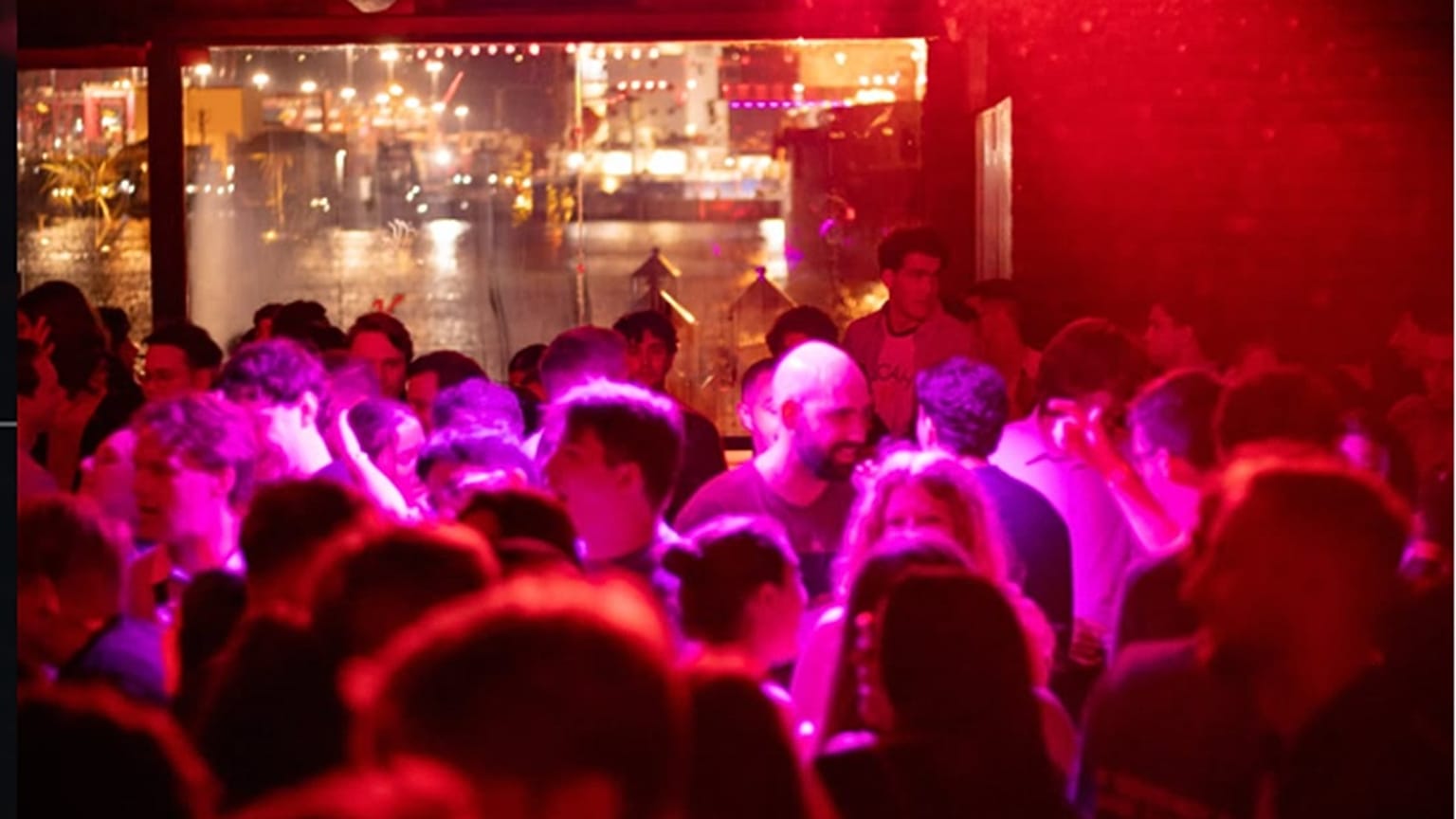













A US content creator and his brother say they were victims of racism at Lisbon's K Urban Beach nightclub, reporting it on social media. The venue has faced similar accusations before.
Using the username nyc.buddha (source in Portuguese), an American photographer and videographer has reported an alleged incident of racism at the door of the Lisbon nightclub K Urban Beach, located on the banks of the Tagus and considered one of the biggest, best-known and busiest clubs in the Portuguese capital. "You realise that discrimination does not always appear the way you expect. Sometimes it is right there at the door," he writes in the video he recorded of what happened in the early hours of Friday.
 ADVERTISEMENT
ADVERTISEMENT
ADVERTISEMENT
The 30-year-old US citizen described the incident as "the most racist moment I have ever experienced in my entire life".
Posted on Friday, the video attracted a large number of views and interactions, but has since been deleted.
In the video, the young man recounts what happened. According to his account, he and his brother were refused entry to the club, allegedly because of the colour of their skin. You can hear the security guard at the venue saying in English: "Yeah, I don't like black people."
The two young men tried to go into the nightclub and were initially told they would have to pay 250 euros to get in. "You're joking, aren't you?" he reportedly asked the guard, who replied, according to what can be heard in the video: "No, this is my decision, it's my job."
The content creator stressed that other people were walking into the club and were not being charged that amount.
The two brothers then decided to go to the website to buy tickets for that night at the club, which cost them around 32 euros for the two of them. When they came back and tried again to get in, there was a woman standing next to the guard who also refused them entry, claiming the nightclub was full and they would be refunded.
As can also be seen in the video, both of them again questioned the guard about why he was not letting them into the club and confronted him over their "skin colour and hair", to which the guard is heard replying "Yeah, I don't like black people," probably in an ironic tone, pointing to the colleague standing next to him, who is also black.
"So what is he then?" the young man asked. "He's my bro!" to which the young man replied: "And to you, what am I? A nigga?" The guard said yes: "You are a nigga."
In the United States, the term nigger is considered extremely offensive. The shortened form nigga is seen as "softer" and is sometimes used within the community itself, but it can also be offensive, depending on the context.
History of racism at Urban Beach
The K Urban Beach nightclub has been the target of several complaints of racism and violent incidents over the years: "We have been receiving complaints about them at least since 2013," tells Euronews the founder and director of the NGO SOS Racismo (source in Portuguese) José Falcão.
The most high-profile case took place in 2014 and involved Olympic athlete Nelson Évora. "On the night of 19 April, my friends surprised me and took me to Urban Beach. There were 16 of us with pre-booked tables and suddenly we were the ones being 'surprised' by the managers. Why? Too many black people in the group!" he wrote on his Facebook page.
Years later, in 2017, the nightclub was again accused of racism, in what became known as the "Ruben case". (source in Portuguese) The story is similar to the one told by this American. Ruben, a young black Frenchman, heard the club's doorman ask him for 250 euros to get in. However, he was part of a group of other people, all white, who were not asked to pay that amount. After accusing the doorman of racism, a fight broke out between the security guards and members of the group.
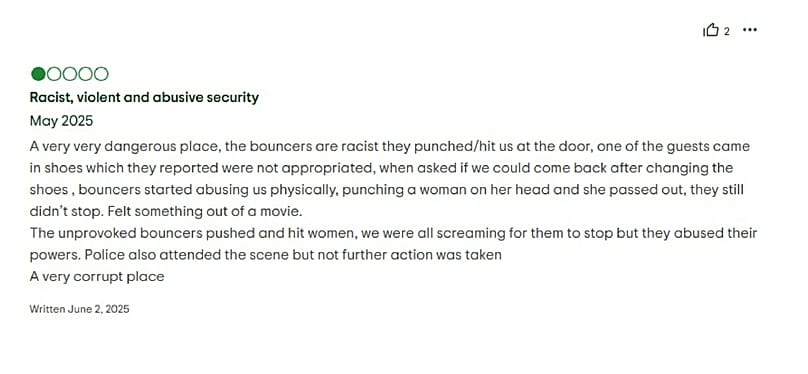
Even today, a quick search through online reviews, for example on the Tripadvisor (source in Portuguese) website, shows the same stories repeating themselves, with black customers reporting discrimination in the amounts they are charged at the door or even in the way they are treated. Accusations of racist, rude and violent behaviour by the doormen are a constant theme in the comments.
There are also several reports of violent incidents allegedly taking place outside the club, including "a woman hit on the head", as described in a comment posted in June 2025 which, like others, accuses the police "of not doing anything":
The repeated complaints, which culminated in the "Ruben case", prompted the public prosecutor's office to request that the venue be shut down, which it was between November 2017 and January 2018. However, the problems continued and kept resurfacing.
Speaking to Euronews, José Falcão says he has already lost count of the number of complaints his organisation has received about K Urban Beach, but estimates it to be in the "dozens": "People are being systematically stopped at the door for the sole reason that they are black. How is it possible that the state does nothing?" he asks angrily.
Falcão says "it is suspicious that Urban is still open after all these complaints, when in other clubs it is enough for someone to just look sideways at the bouncer for the place to be shut down." He adds that "in a nightclub on the outskirts, any minor incident will see the authorities close the venue", unlike what happens with this Lisbon nightspot. Urban belongs to the K Group, owned by brothers João and Gonçalo Rocha, who have run several Lisbon nightlife venues since the late 1980s.
By sharing what happened on social media, "nyc.buddha" said he wanted to "spread the word" and expose the incident, and the post has already had an impact. Since Friday, the K Urban Beach Instagram page has been flooded with comments accusing the guard and the management of racism. Its most recent post (source in Portuguese) already had more than 450 comments by Saturday morning, including from celebrities such as DJ Carol Seubert, most of them calling for a boycott of the venue.
Euronews tried to contact K Urban Beach via the phone number listed online to obtain a comment and hear its version of events, but without success up to the time of publication of this article (Saturday morning).