
















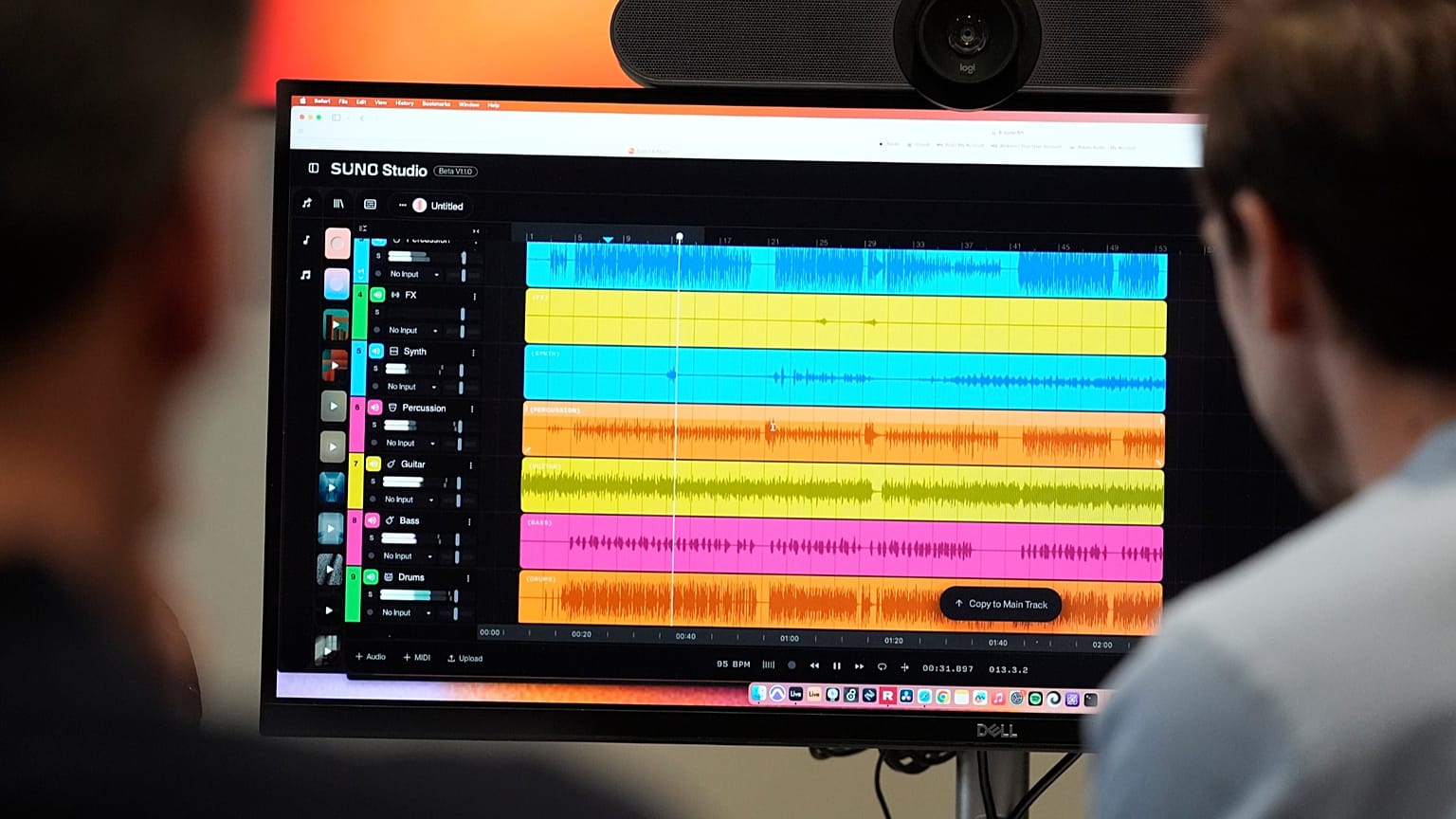













Australia's move comes as AI music floods streaming platforms, with a new study finding 38.5% of music released globally in July involved AI.
Australia has banned largely or wholly AI-generated songs from its official music charts, requiring releases to be "substantially human made".
 ADVERTISEMENT
ADVERTISEMENT
ADVERTISEMENT
The Australian Recording Industry Association (ARIA) says the new rules are designed to "promote the human nature of artistry" as AI-generated tracks increasingly find their way onto streaming services, radio stations and even the charts.
The move follows controversy surrounding Australian DJ Josh Fawaz, whose AI-assisted cover of Madonna’s 'Like A Prayer' recently reached No. 1 on the ARIA dance singles chart and peaked at No. 2 overall.
Following a backlash, Fawaz added generative AI credits to the song, which has been streamed more than 48 million times on Spotify alone.
What artists can and can't do under the new rules
Under ARIA's new rules, artists can still technically use AI as part of the creative process. But humans must have written the song and performed the lead vocal and primary instruments. AI-assisted mastering will also remain allowed.
ARIA chief executive Annabelle Herd said: "Artists already use AI tools in their work, the charts can and should evolve to keep room for that, but music generated wholesale by services built on artists' recordings is a different matter."
She added: "A chart that rewards unlicensed AI output would undercut the very basis of the recorded music we exist to represent."
Most recently, seven-time Grammy-winning producer Dr Dre revealed in an interview with The New York Times that he sees AI as another tool in the music-tech toolbox. He said: "I don’t see it as a threat. I think the only people that see it as a threat are the people who have trouble creating."
He added: “I had a discussion with a few people a few days ago. They were against AI, and I’m like, ‘OK, you sound like the person that would have been against the drum machine when it came out.’ Or synthesisers, right?”
Growing concerns over AI music
ARIA's decision comes as AI's presence in the music industry becomes harder and harder to ignore.
A new study by SubmitHub, an online platform that allows users to submit music to playlists and blogs, found that almost 40 per cent of new music released globally in July 2026 used AI in its creation.
The company analysed more than one million tracks using its SH Labs AI detector. It found that 23.2 per cent were fully AI-generated, while another 15.3 per cent contained AI-generated audio that had been "modified or processed" by humans.
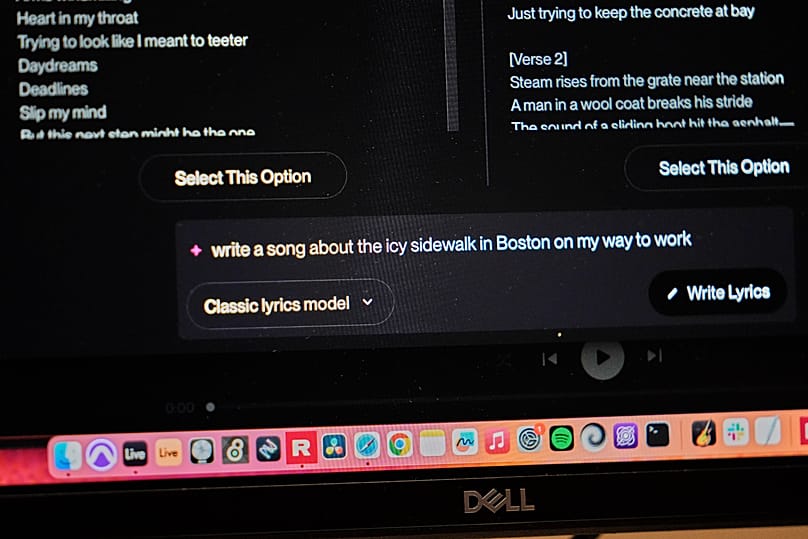
In a statement, SubmitHub’s founder Jason Grishkoff said: "I think the path forward for AI music is disclosure. People should be able to decide for themselves whether they want to engage with AI-generated music.”
Spotify is now taking steps to make AI-generated artists easier for its listeners to spot. From September, the streaming giant will begin adding an "AI Persona" badge to some artist profiles, allowing users to identify artists whose music may have been generated using artificial intelligence.
AI Personas will also be excluded from Spotify’s editorial and algorithmic recommendations, in an effort to give greater visibility to music made by genuine human musicians and artists.
Last year, the platform revealed that it had removed 75 million spam tracks over a 12-month period, as AI tools contributed to a flood of low-quality and fraudulent music.
The alarming success of AI-generated music
But are people actually listening to this AI-generated music? In some cases, yes.
The Velvet Sundown provided an early glimpse of how easily AI-generated artists can break through into the mainstream. The psychedelic rock project appeared on Spotify in 2025 and quickly amassed more than a million monthly listeners, releasing two albums in June.
Its supposed four members - complete with names (led by vocalist and “mellotron sorcerer” Gabe Farrow), photographs and elaborate biographies - appeared to present the band as a genuine four-piece from the US.

But doubts soon emerged. Reddit users started questioning the band’s authenticity after their music began appearing in listeners’ Spotify Discover Weekly playlists, while the group's imagery and promotional material appeared clearly artificial.
The band’s own social media accounts initially denied the allegations, insisting that the music had been created by “real” people using “real instruments, real minds, and real soul”.
Eventually, The Velvet Sundown’s Spotify profile was updated to acknowledge the truth. The band described itself as a “synthetic music project guided by human creative direction”, with its music, voices, lyrics and imagery created with the assistance of AI.
The group still has more than 100,000 monthly listeners and several of their tracks have over one millions streams.
The phenomenon has also spilled into more traditional measures of musical success with the AI-generated country project Breaking Rust reaching No 1 on Billboard’s Country Digital Song Sales chart last year, with 'Walk My Walk'.