

















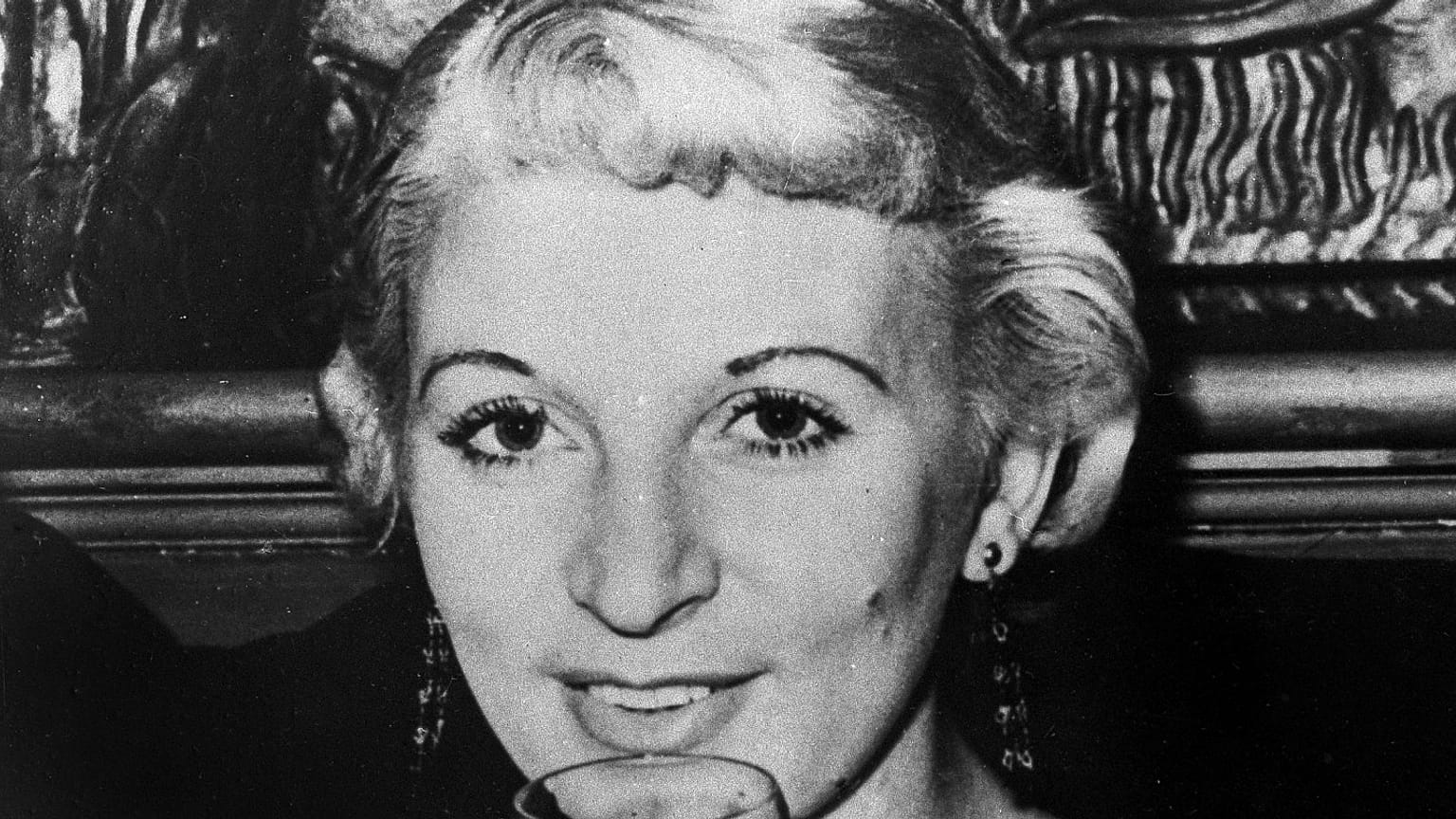













A mother of two children, Ellis' execution in 1955 provoked an outcry and helped swing public opinion against the death penalty.
Ruth Ellis, the last woman to be executed in Britain, will receive a conditional pardon in recognition of a "profound injustice," Deputy Prime Minister David Lammy announced in parliament on Wednesday, after a decades-long campaign by her family.
 ADVERTISEMENT
ADVERTISEMENT
ADVERTISEMENT
Ellis, a 28-year-old nightclub hostess, was hanged in July 1955 for shooting dead her racing driver lover David Blakely as he came out of the Magdala pub in London.
The case gripped Britain and was turned into the 1985 film "Dance with a Stranger" starring Miranda Richardson and Rupert Everett.
A mother of two children aged just three and 10, Ellis' execution provoked an outcry and helped swing public opinion against the death penalty.
Ellis' family had argued that she was an abused woman and that a modern-day case would likely have resulted in a charge of manslaughter not murder.
"I have the honour to say that his majesty the king has accepted our advice to grant Ruth Ellis a conditional pardon," Lammy told lawmakers as two of Ellis's six grandchildren watched from the public gallery.
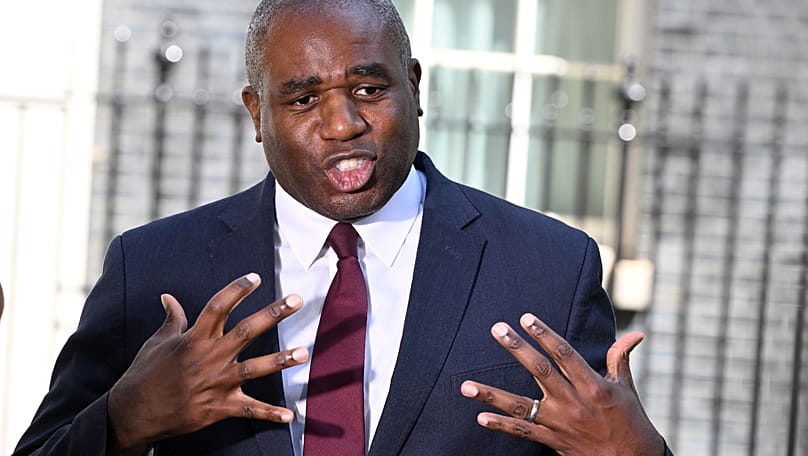
"While the pardon does not claim she was innocent of killing David Blakely, it replaces the death penalty with a sentence of life imprisonment to recognise a profound injustice in this exceptional case," he added.
An application last year to Lammy, also justice minister, by four of her grandchildren highlighted the "repeated and long-standing sexual, emotional and physical abuse Ellis suffered" at the hands of Blakely.
Granddaughter Laura Enston said justice had "finally been done" for Ruth Ellis and the family she left behind.
"Ruth was a victim of sustained and brutal abuse. Her children, our mother and uncle, never recovered. The shadow of Ruth's execution has fallen across two generations," she said in a statement.
"This pardon does not undo what happened 71 years ago. It does not restore the lives that were broken, the children left behind, the years lost."
"But it says, formally and finally, that Ruth should not have been executed; that the justice system failed her," she added.
'Slow-burn provocation'
Enston told the AFP news agency last year that abuse was poorly understood at the time.
She said her grandmother would now have been considered a victim of battered woman syndrome and treated very differently by the justice system.
The glamorous single mother from a modest background had shown no emotion during her trial at which the jury took just 14 minutes to find her guilty.
"She inadvertently played up to that sort of cold-blooded killer persona that she'd been portrayed to be, but knowing what we know now about trauma and slow-burn provocation, Ruth was traumatised...and typical of domestic abuse victims," Enston said.
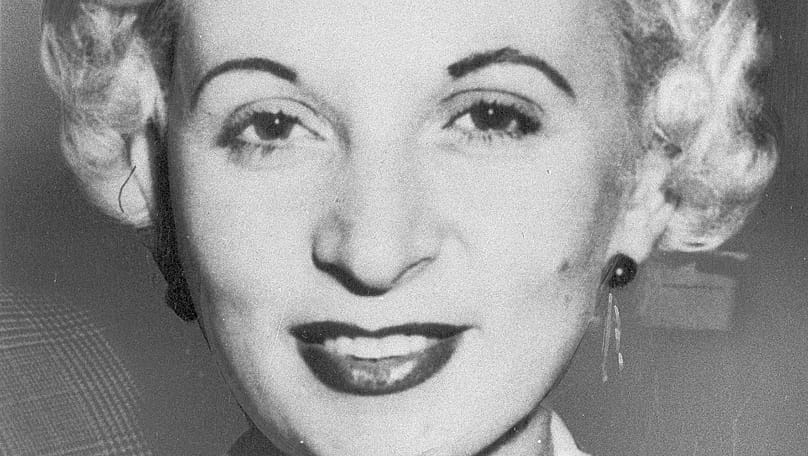
The abuse included an incident 10 days before the killing in April 1955 when Ellis suffered a miscarriage after Blakely, the baby's father, punched her in the stomach.
James Libson of law firm Mischon de Reya, which represented the family, said Ellis "suffered considerably" at the hands of her "abusive, violent partner."
Her hanging proved instrumental in ending the death penalty in Britain.
Following a number of other controversial executions and a series of miscarriages of justice it was permanently abolished for murder in 1969.
Two years after Ellis' execution the law was also changed to allow a defence of diminished responsibility.