

















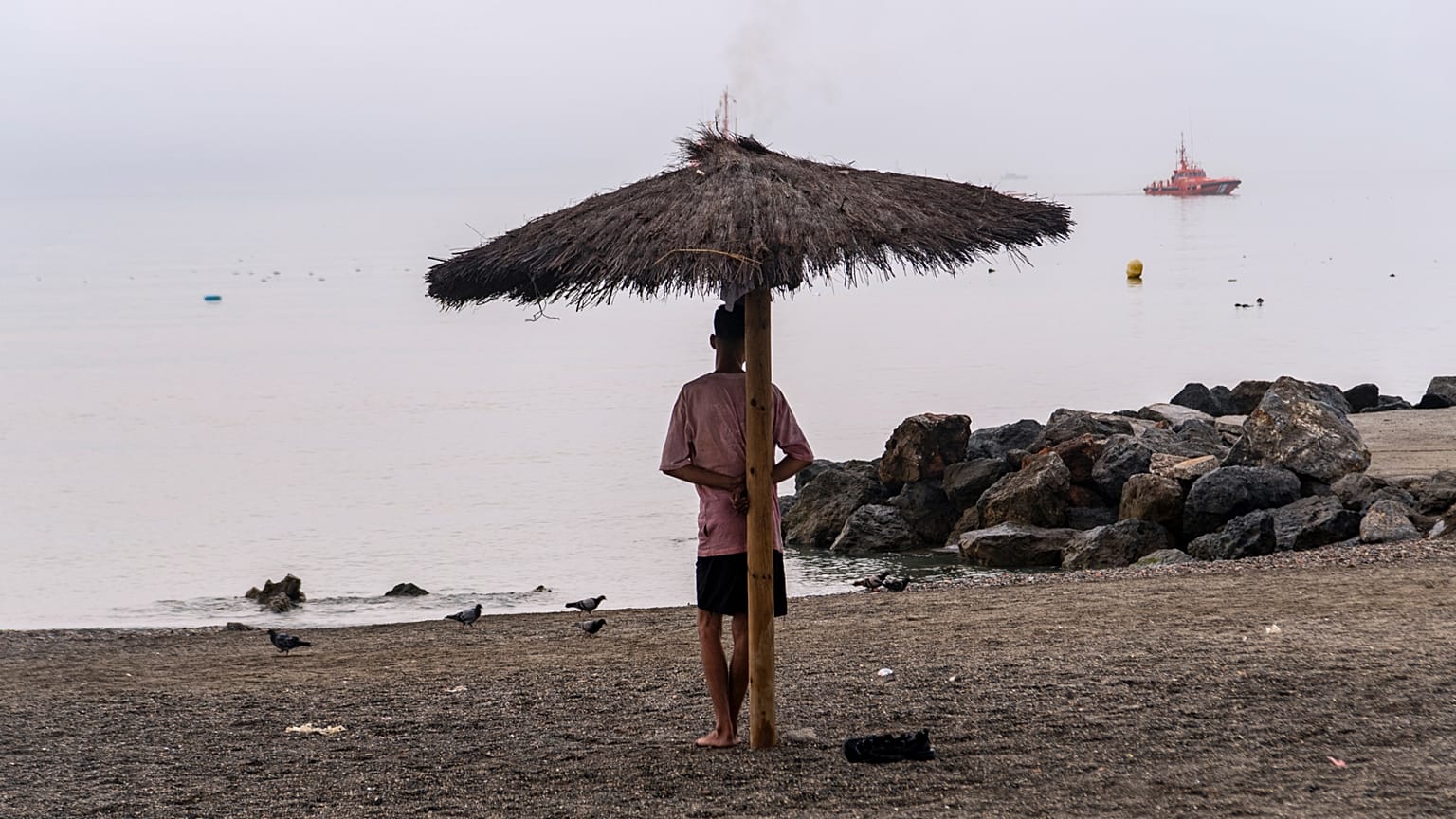














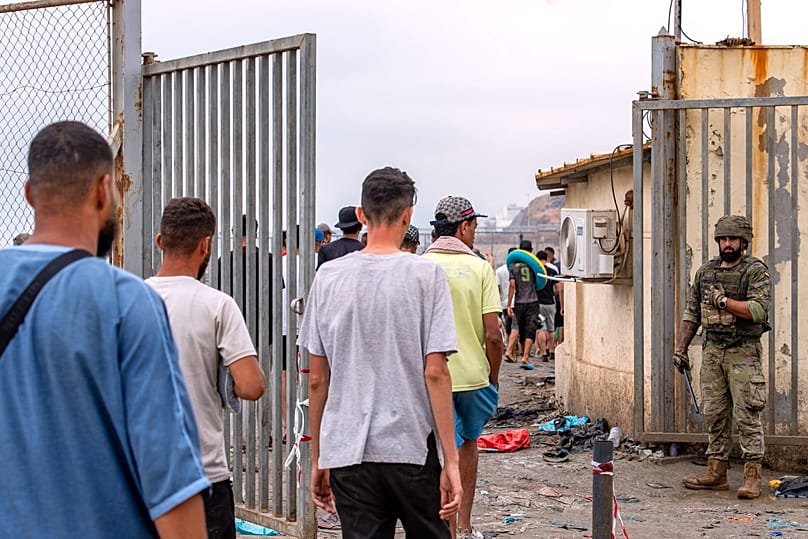
Under the watch of Spanish soldiers and police, the last remaining young migrants continued crossing back over the border to Morocco on Saturday morning.
Almost all of the estimated 60,000 migrants who entered Spain's Ceuta enclave have returned to Morocco, Spanish officials said on Saturday.
 ADVERTISEMENT
ADVERTISEMENT
ADVERTISEMENT
"The situation has been almost entirely reversed," Spain's interior minister Fernando Grande-Marlaska told reporters.
Under the watch of Spanish soldiers and police, the last remaining young migrants continued crossing back over the border to Morocco on Saturday morning.
To cross into Ceuta, many swam around a small border barrier that juts out into the Mediterranean.
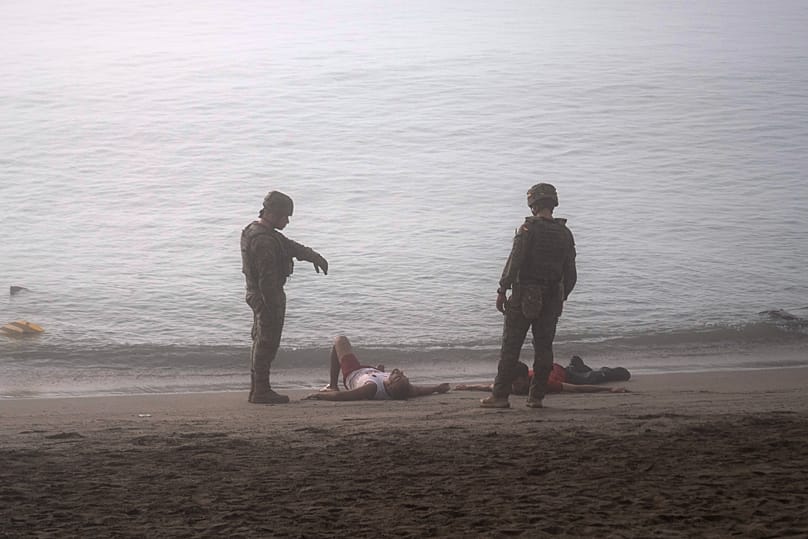
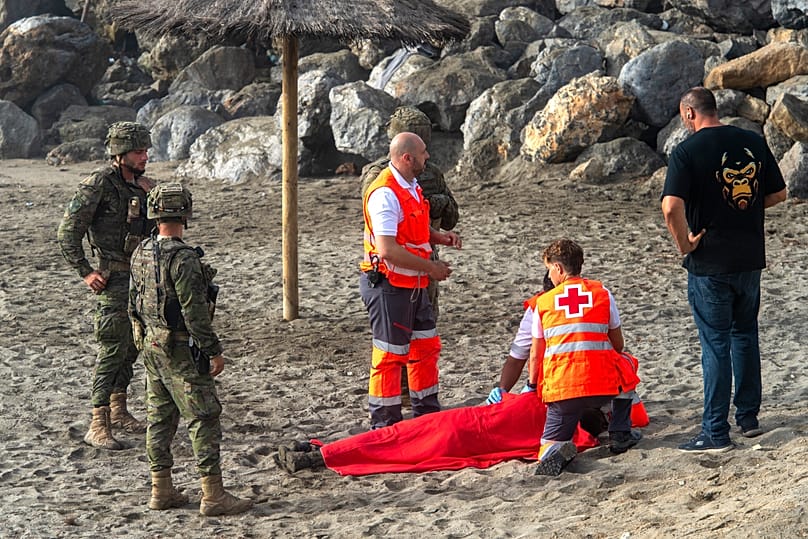
At least 67 people died in the attempt, Grande-Marlaska said, including some who drowned and others who were killed in a stampede to cross a breakwater barrier.
A handful of exhausted migrants who swam to Ceuta's urban Tarajal beach Saturday morning were met by soldiers who escorted them back across the border.
“The events require an evaluation by Spain and Morocco,” Grande-Marlaska added. But it was the cooperation with its neighbours that allowed Spain “to revert the situation in 24 hours.”
“Morocco is not a threat to Ceuta, or to the rest of Spain. It is a reliable partner,” Marlaska emphasised.
Spain announced it was installing a 500-metre-long containment barrier on the sea border between Ceuta and Morocco.
Ceuta, a territory of 18.5 square kilometres, and the nearby exclave of Melilla are Europe's only two land borders with Africa. It sits around 25 kilometres from the coastline of mainland Spain.
It isn’t clear what triggered the influx, but social media was awash with posts encouraging Moroccans to try to enter Ceuta days before it began, said Myriam Cherti, a senior researcher at the University of Oxford’s Centre on Migration, Policy and Society.
The posts included practical information on how to cross the border and what migrants should say to increase their chances of being allowed to stay.
Cherti said some of the migrants she interviewed over the past year had lost count of the number of times they had tried to cross the border.
“They’re doing it out of despair, they’re doing it because they’ve tried other ways to build a life and failed, they’re doing it because they feel the obligation that they want to help their families and support them,” she said. “And that’s possible if they make it to Spain and not necessarily possible if they stay” in Morocco.
Soufian, 42, was one of these hopefuls that attempted to cross the border. He explained he was motivated by the potential to visit his mother, who is ill and lives in Madrid.
"Even though there's no food, nothing at all, I'll endure anything to see my mother," Soufian said, adding he makes just 10 euros a day working 12-hour shifts as a security guard.
As for the others who crossed, he said, "everyone wants to move up, wants a good future, something that doesn't exist in Morocco".
Previous migrant surges have occurred during tensions between Spain and Morocco, including in 2021 which led more than 10,000 migrants to enter Ceuta in just two days.