































Ukraine has struck dozens of Wildberries logistics sites across Russia since mid-July, stating that the e‑commerce giant is being used to help supply Moscow’s military. Wildberries is a critical piece of Russia’s wartime economy, giving Kyiv a new pressure point on Moscow.
Ukraine struck another Wildberries warehouse in Russia's Vladimir region on Monday, the third attack in two weeks on the e-commerce giant's logistics network as Kyiv targets what it says is a key supply chain for Russian military drone components.
 ADVERTISEMENT
ADVERTISEMENT
ADVERTISEMENT
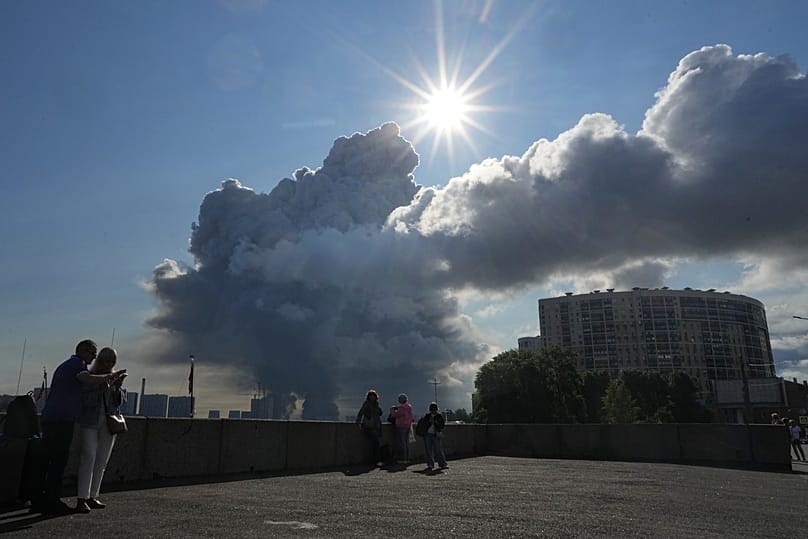
Thick black smoke could be seen rising from the e-commerce warehouse in photos and videos posted on social media by local residents. Drones were also seen flying overhead prior to the strike.
In a post on Telegram, Wildberries' press service confirmed that fire had broken out at the facility and initially said there were no casualties.
Vladimir region governor Alexander Avdeyev later reported that two people were injured in the attack.
Since 18 July, Kyiv has significantly intensified its attacks on Russia’s e-commerce giant, often compared to Amazon.
Why is Ukraine targeting Wildberries sites?
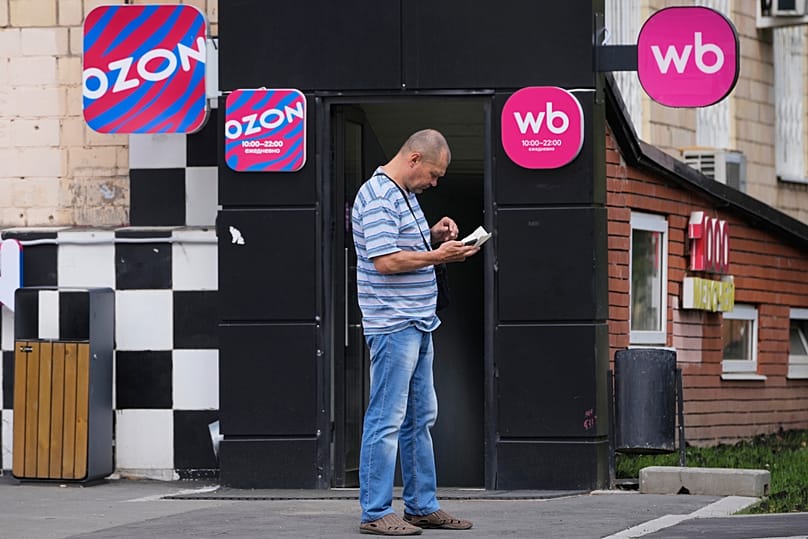
Founded in 2004, Wildberries is Russia’s largest online market.
Ukraine's President Volodymyr Zelenskyy said that warehouses targeted by Ukrainian drones were involved in providing Russian forces with drone components, navigation equipment and other military components.
The e‑commerce platform lists a range of military equipment on its website, including drone components and body armour.
But its importance for Russia’s wartime economy at large goes beyond that.
To understand the scale of the business, Wildberries reports an annual turnover of €70–75 billion, a figure that various estimates put at just over 2% of Russia’s GDP.
The marketplace, often compared to Amazon, directly employs tens of thousands of people — around 50,000 staff according to its own figures — with seasonal peaks pushing its wider logistics workforce well above 100,000.
Wildberries and its founder Tatiana Kim, known as Russia's wealthiest woman, have been targeted by international sanctions over Russia's full-scale invasion of Ukraine that Moscow launched in early 2022.
When imposing sanctions on the company in 2022, Poland described Wildberries as "the largest taxpayer in the Russian Federation."
The company’s banking arm was sanctioned by the EU in July over its financial contribution to Russia's state budget.
And while Kim herself stated last Friday that her business is not legally obliged to compensate users for losses caused by Ukrainian attacks, Wildberries most certainly expects some sort of compensation from Moscow.
Will Russia save its largest online marketplace?
For Russia, Wildberries is simply too big to fail, given its importance for the country’s economy.
According to media reports, the Russian government is exploring ways to support Wildberries and businesses that sell on its platform following the attacks.
State-controlled lender VTB bank is allegedly expected to play a central role in organising state backing, such as loans, subsidies, or tax breaks.
Russian entrepreneurs who have been using Wildberries rushed to social media over the past week to complain they were being left to shoulder huge losses with almost no help from the platform.
Sellers warned that thousands of small businesses risked closure and tax revenue would evaporate unless they received meaningful relief, stressing that tax breaks and loan holidays mattered more than the token compensation they had been offered.
Most of these posts appeared on Instagram, which is officially banned in Russia since March 2022.