
















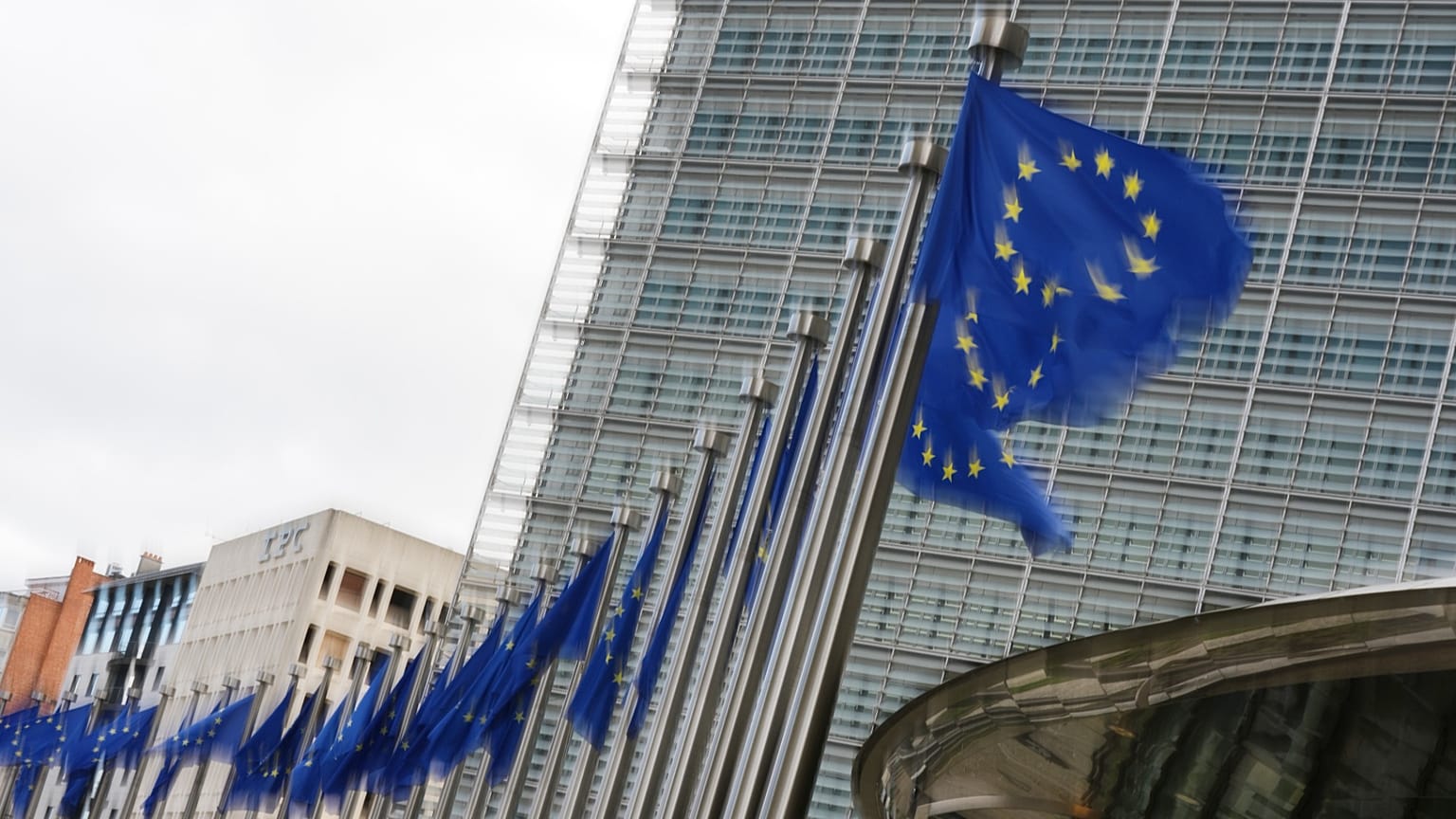













The European Union and various leading press freedom organisations have condemned Belarus’ designation of Euronews as “extremist”, calling it part of a broader crackdown on independent media.
The European Union has condemned Belarus’ decision to designate Euronews as an “extremist” media organisation, saying it forms part of a "broader pattern of repression targeting independent media."
 ADVERTISEMENT
ADVERTISEMENT
ADVERTISEMENT
“It is an ongoing effort to restrict freedom of the press,” said Anitta Hipper, the EU’s spokesperson for foreign affairs and security.
“The EU shares its solidarity with Euronews.”
The comments follow a wave of support for Euronews following last week's listing from Minsk, including from Belarusian opposition leader Sviatlana Tsikhanouskaya who described the move as a “shameful” attempt to curb press freedom.
European Parliament President Roberta Metsola posted on social media platform X that Europe continues to stand with the people of Belarus, and will persist advocating for a country where liberty, media freedom and the will of its people prevail.
“Six years after people stood up for a new future, their voices have not been silenced,” she said, according to the online statement.
“Belarus will be free.”
According to Belarus-based media, the Belarusian information ministry last week placed Euronews’ website on its "Republican List of Extremist Materials”. The ruling is subject to immediate execution under Belarusian civil procedure rules.
The decision means access to the Euronews website will now be restricted in the landlocked Eastern European country, while readers could face administrative penalties for storing or distributing its content.
The broadcaster said the designation risks criminalising its audience as well as limiting access to its factual journalism.
‘Badge of honour’
European Federation of Journalists President Maja Sever said on Monday the “extremist” designation is an attempt to discredit and intimidate independent media, and follows the Kremlin’s example.
“This baseless accusation should be seen as a badge of honour: the so-called ‘extremist’ media are in fact those that defend the Belarusian people’s right to access free, pluralistic and independent information,” she said.
The definition of "extremism" in Russia is open to interpretation, and it enables the authorities to target minorities, political opposition, or stifle freedom of expression or assembly.
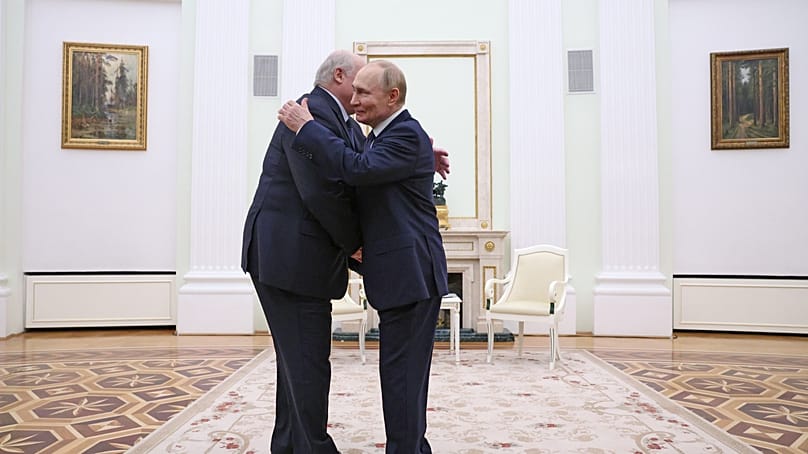
Martin Roux from Reporters Without Borders’ (RSF) crisis desk said Belarus is following Russia’s example by utilising anti-terrorism legislation to criminalise journalism.
“This defamatory label targets foreign media, including Euronews and, previously, the Polish Press Agency, that worry the regime because they cover a country closed off to any information sources contradicting the official narrative,” he said.
Since 2020, RSF has identified more than 60 media outlets designated as “extremist”. In Russia, this includes Euronews, France 24 and the BBC.
There are up to 48 journalists and media professionals imprisoned in Russia, the RFS states, with up to 21 media workers currently imprisoned in Belarus and many more living in exile, according to the Association of Belarusian Journalists (BAJ).
‘A brutal campaign against all dissent’
The comments come a day after the sixth anniversary of the 2020 presidential elections in Belarus.
The vote was widely seen as fraudulent by the EU and many Western governments, as well as opposition figures and citizens. In the days following, protesters took to the streets to contest the official results, which handed Aliaksandr Lukashenka another term in power.
Demonstrations were met with a sweeping crackdown, including violent arrests and the detention of thousands of people.
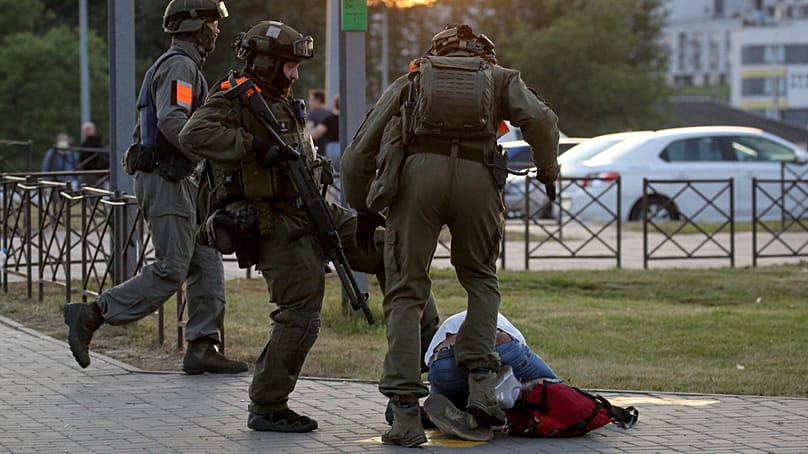
Amnesty International describe Lukashenka’s contested win as one that occurred in a context of “total fear and repression” — which has only heightened.
“Ever since the 2020 presidential election, the already profound human rights crisis in Belarus has deepened even further,” said Marie Struthers, Amnesty International’s Eastern Europe and Central Asia Director.
“Through a brutal campaign against all dissent, the authorities have created a suffocating climate of fear, silencing anything and anyone who challenges the government.”
Despite the release of several political prisoners over the past year, the EU's foreign policy arm, the European External Action Service (EEAS), estimates 800 individuals remain arbitrarily detained, with many subjected to ill-treatment, torture, and no access to essential health services.
Belarusian human rights organisation Viasna says the list of people it recognises as political prisoners grows weekly.