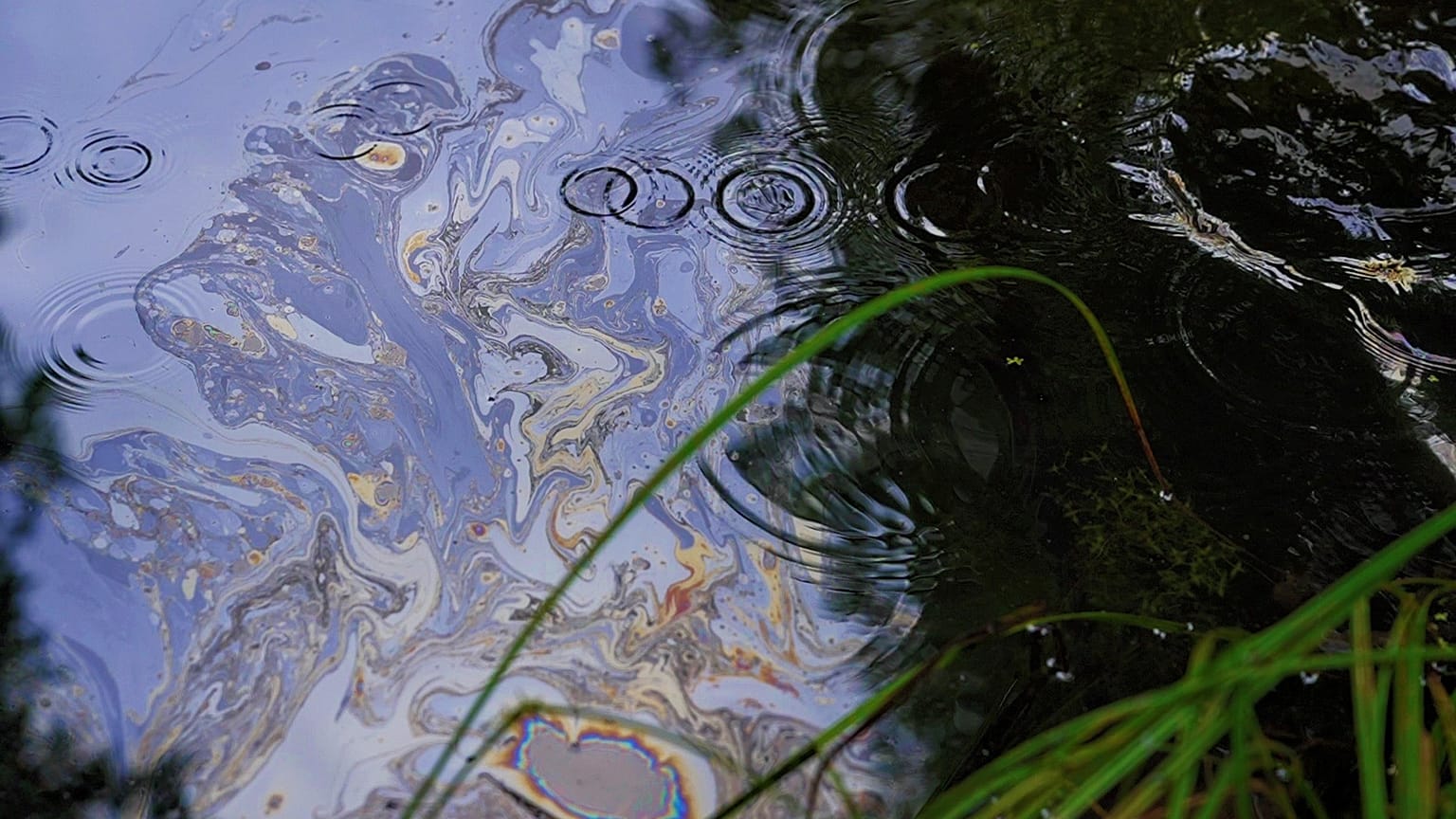
Ocean explores the themes of pollution and marine life, the blue economy, sustainable fishing, aquaculture, climate change, ocean energy and more. We also look at the policies and projects designed to protect our seas.
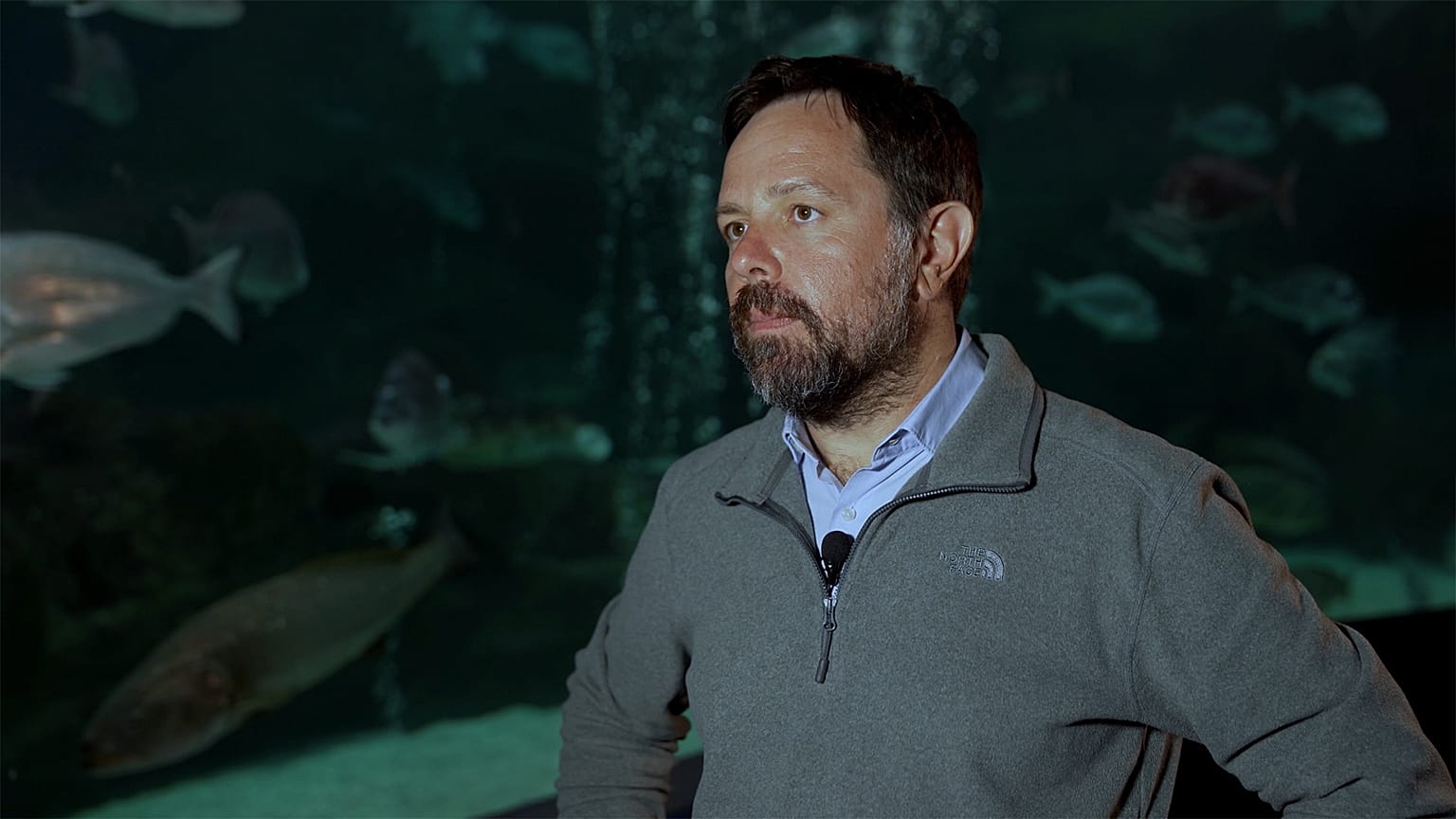
Europe's blue economy employs 4-5 million people and it's growing. Dr. Jann Martinsohn from the EU's Joint Research Centre explains why policymakers and investors need the best ocean data available.
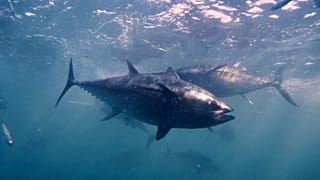
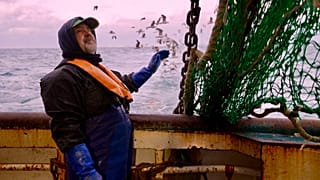
Europe's Atlantic bluefin tuna populations have made a reassuring comeback after nearly collapsing two decades ago. Today, tight international controls keep fishing sustainable across the Mediterranean and East Atlantic — under close scientific oversight.
The speed of Europe's Atlantic bluefin tuna recovery stunned even the scientists monitoring it. Once proper controls were in place, populations bounced back faster than anyone expected.
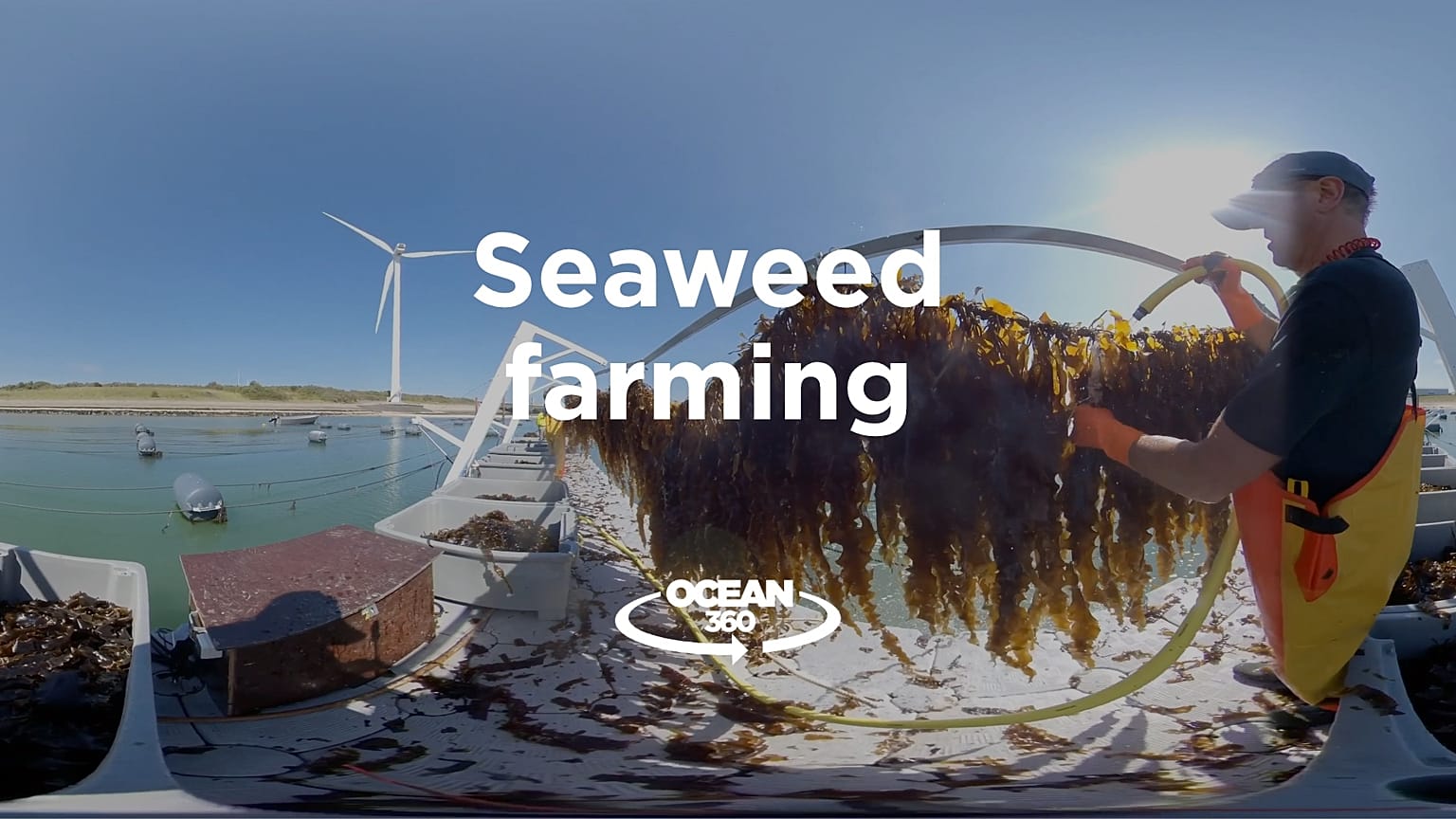
Europe’s offshore wind farms are being reimagined as multi-purpose sites. The first commercial-scale project has successfully harvested seaweed between turbines in the Dutch North Sea.
As Europe’s seas grow crowded, EU-funded marine multi-use projects show how offshore wind and seaweed farming can share space, cut emissions, and boost marine habitats — offering a smart, sustainable path for the future of offshore industries.
Coastal tourism offers something for everyone, from cruises to water sports. But with a rise in ecolabels and green claims, how can travellers tell what is green and what is greenwashing?
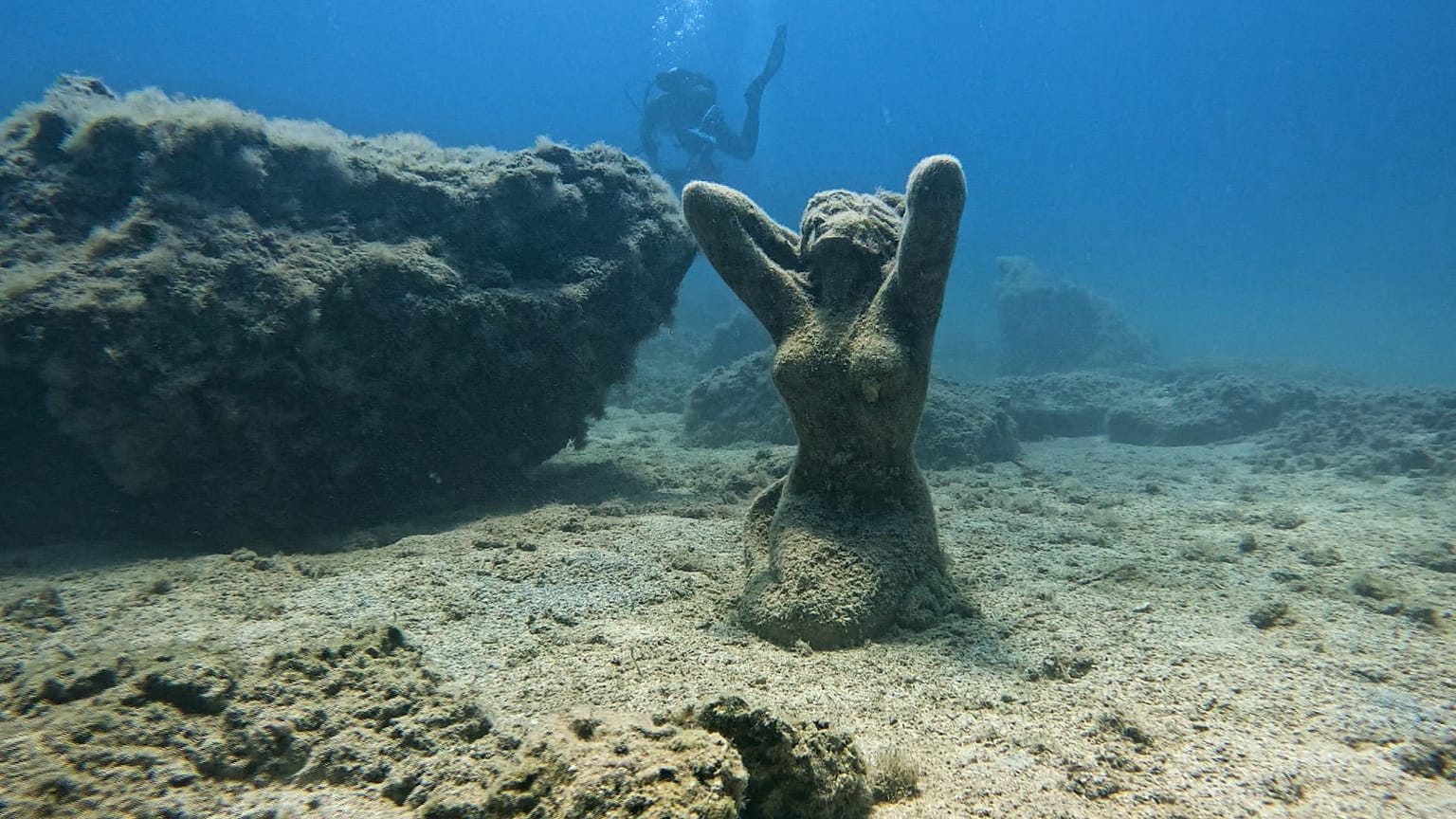
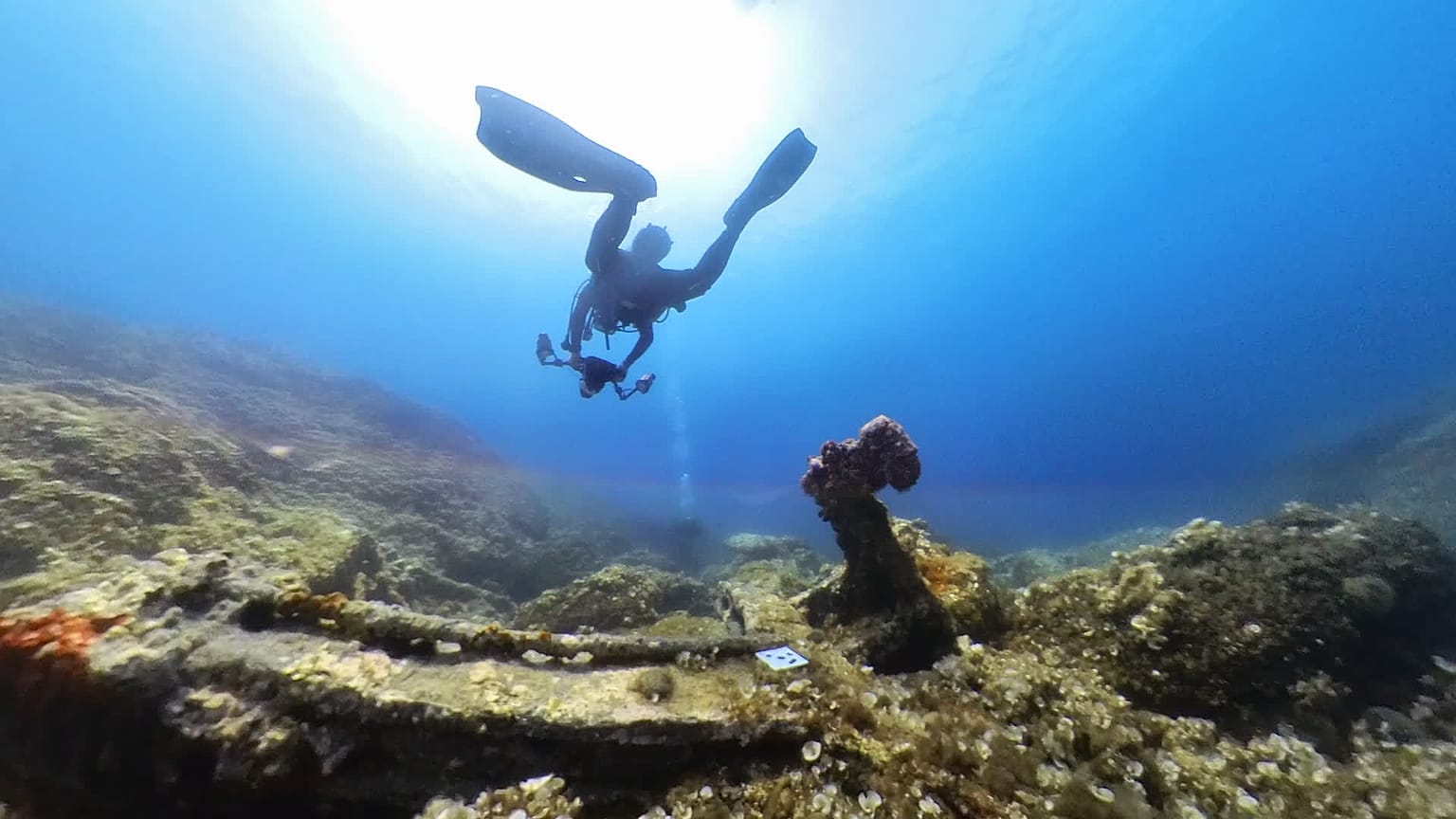
From underwater archaeology to whale-watching tours led by actual scientists, Europe’s Atlantic islands demonstrate how tourism can protect rather than destroy natural and cultural heritage of the ocean.
In the Atlantic’s remote islands, a new EU project is helping reinvent marine tourism. Researcher Dr. Yen Lam González explains how electric boats, hydrophones, and star-guided sailing are paving the way for a greener future of the EU blue economy’s biggest sector.
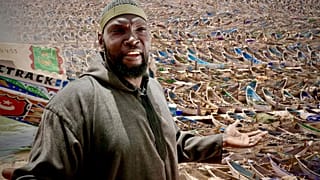
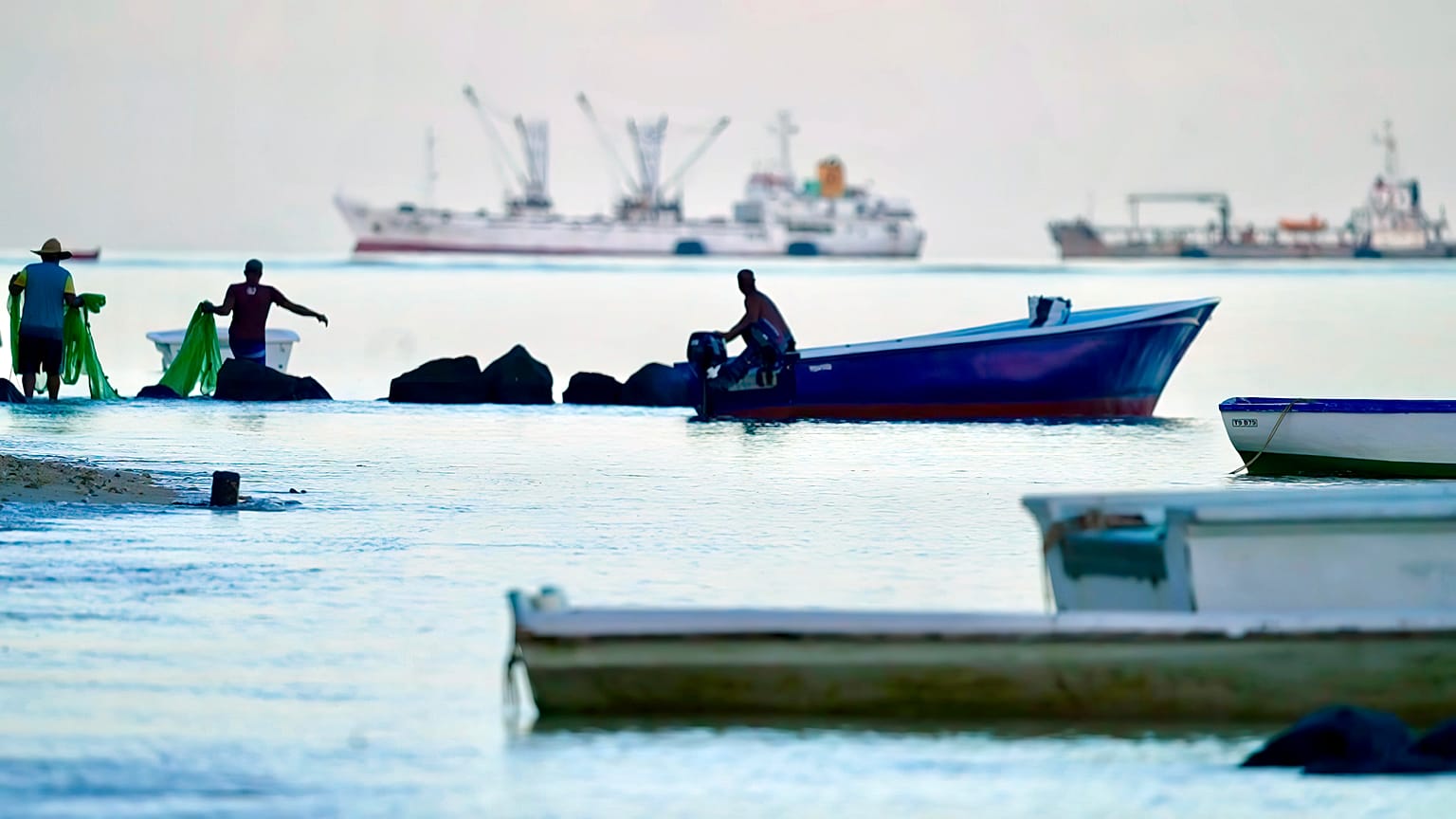
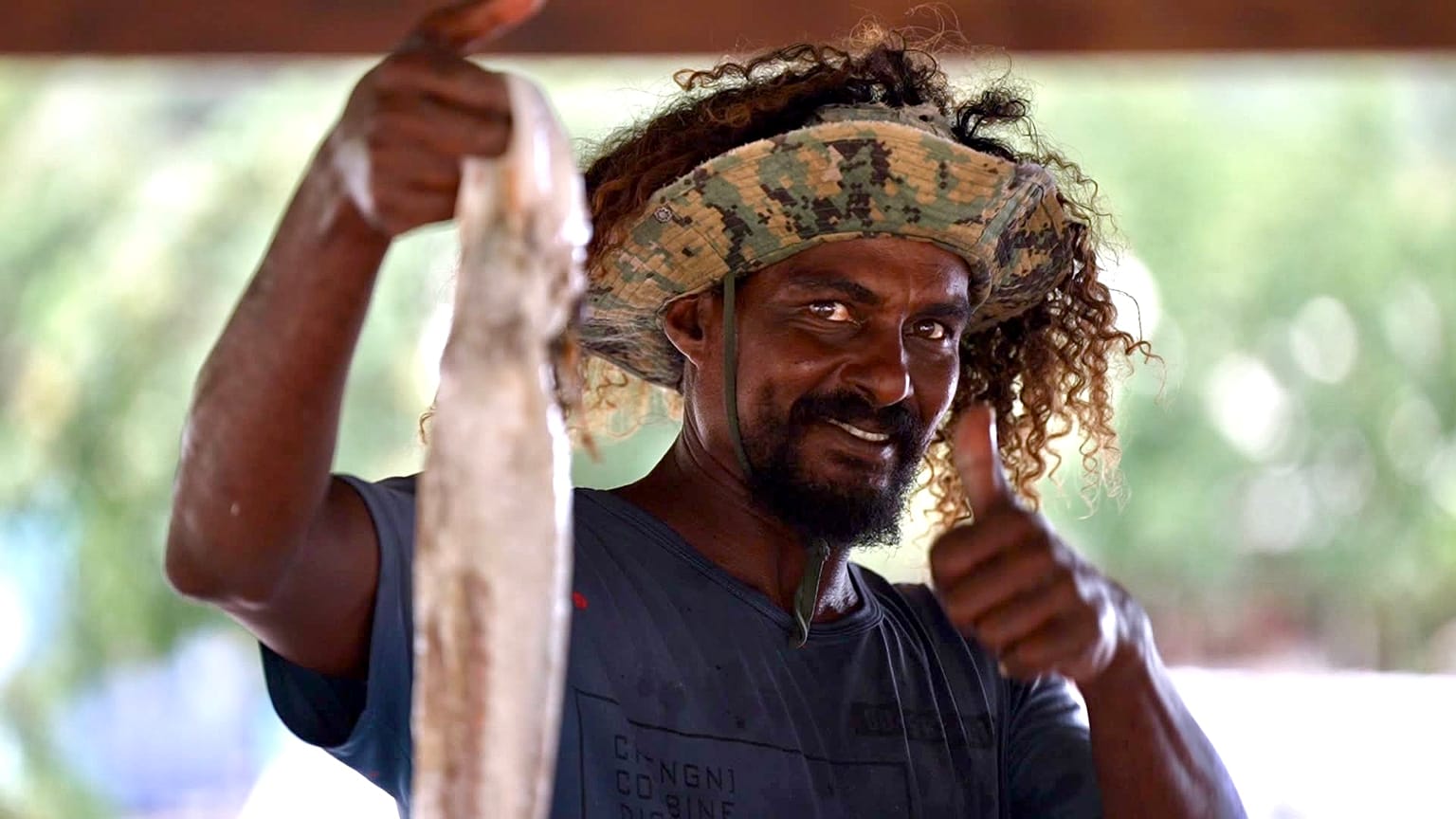
In Mauritania and across North-West Africa, fish is essential. It provides food and jobs for countless people. But this natural resource is under threat. What must be done to protect it, and how can Europe play a part?
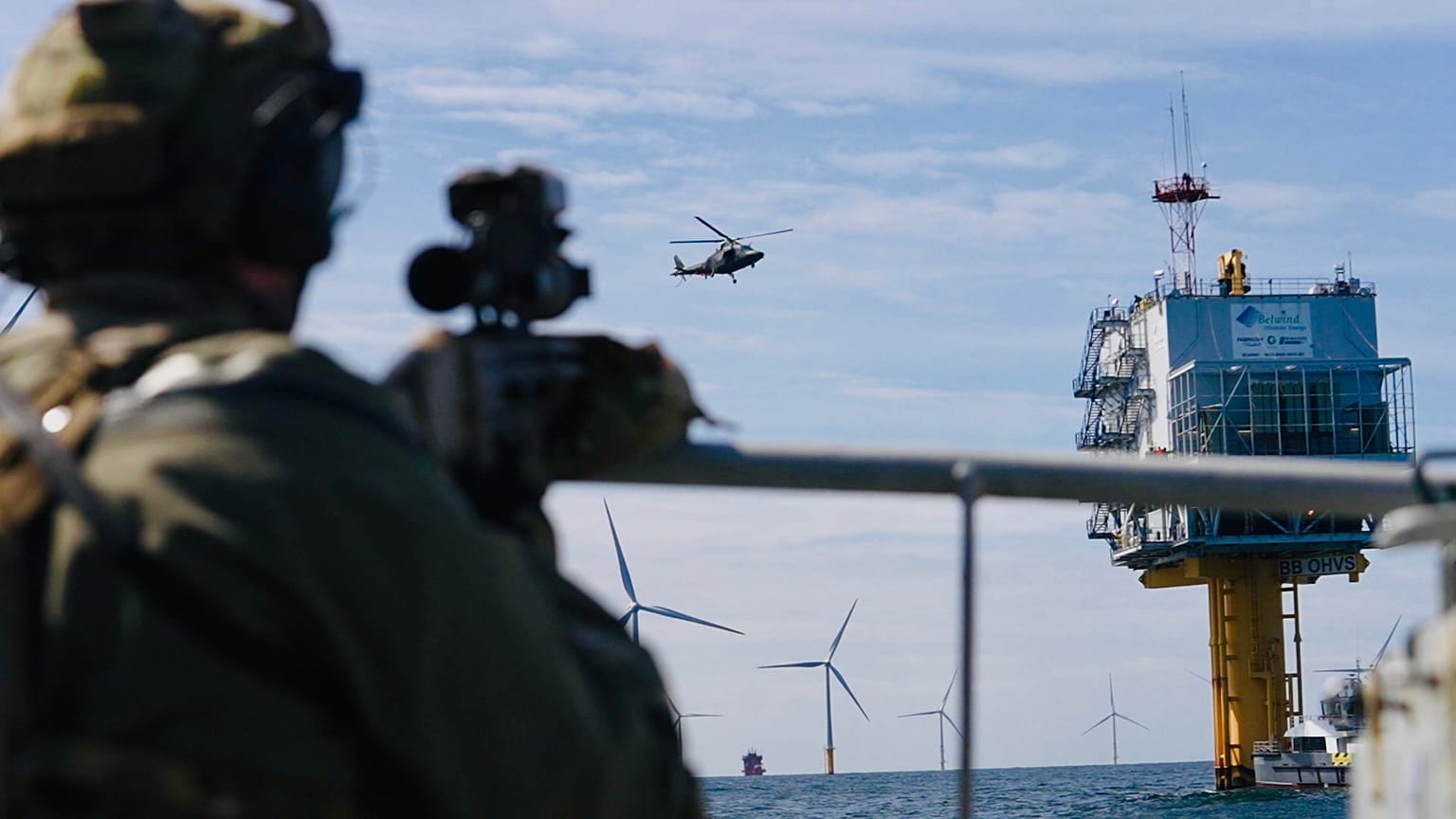
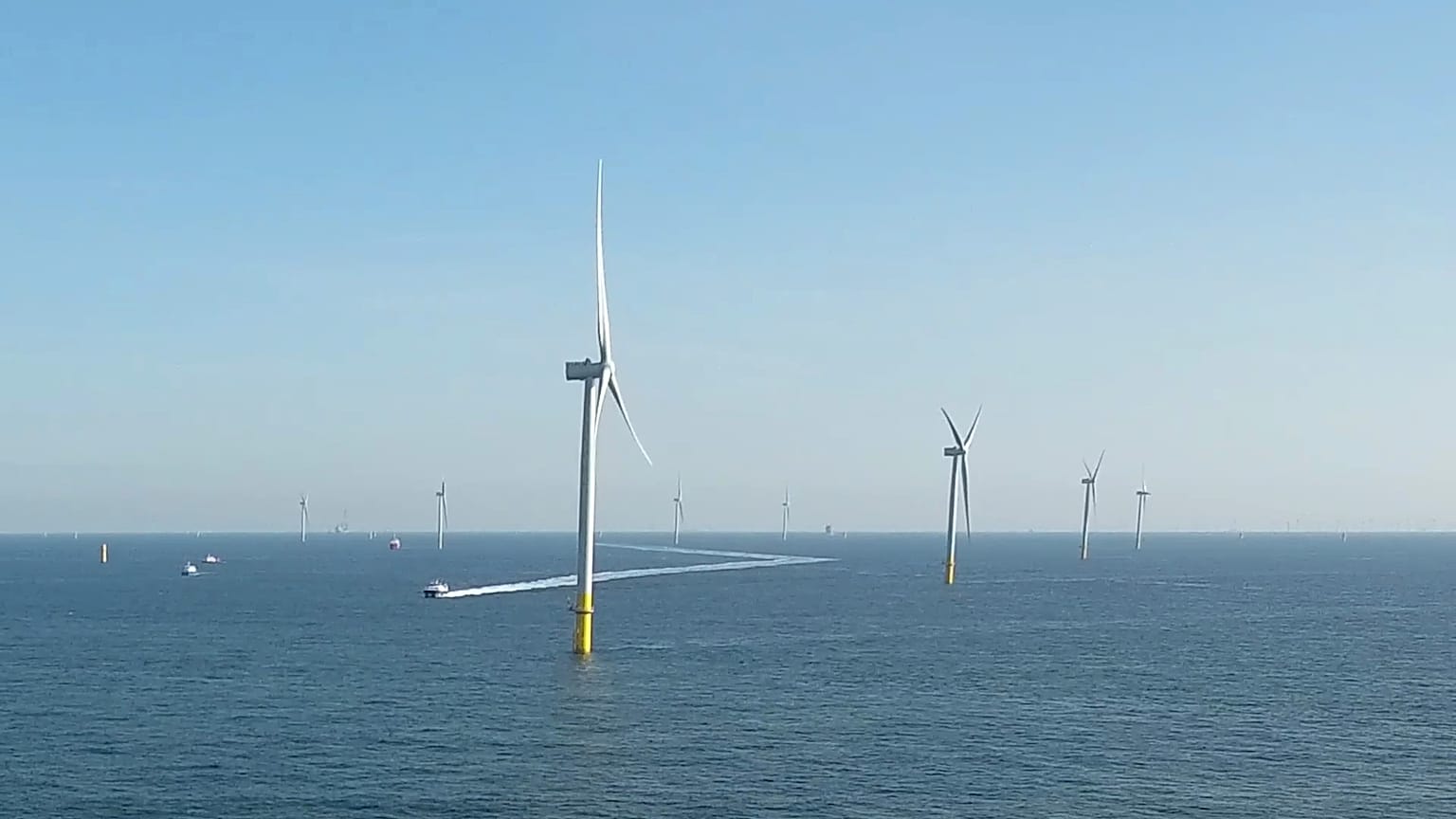
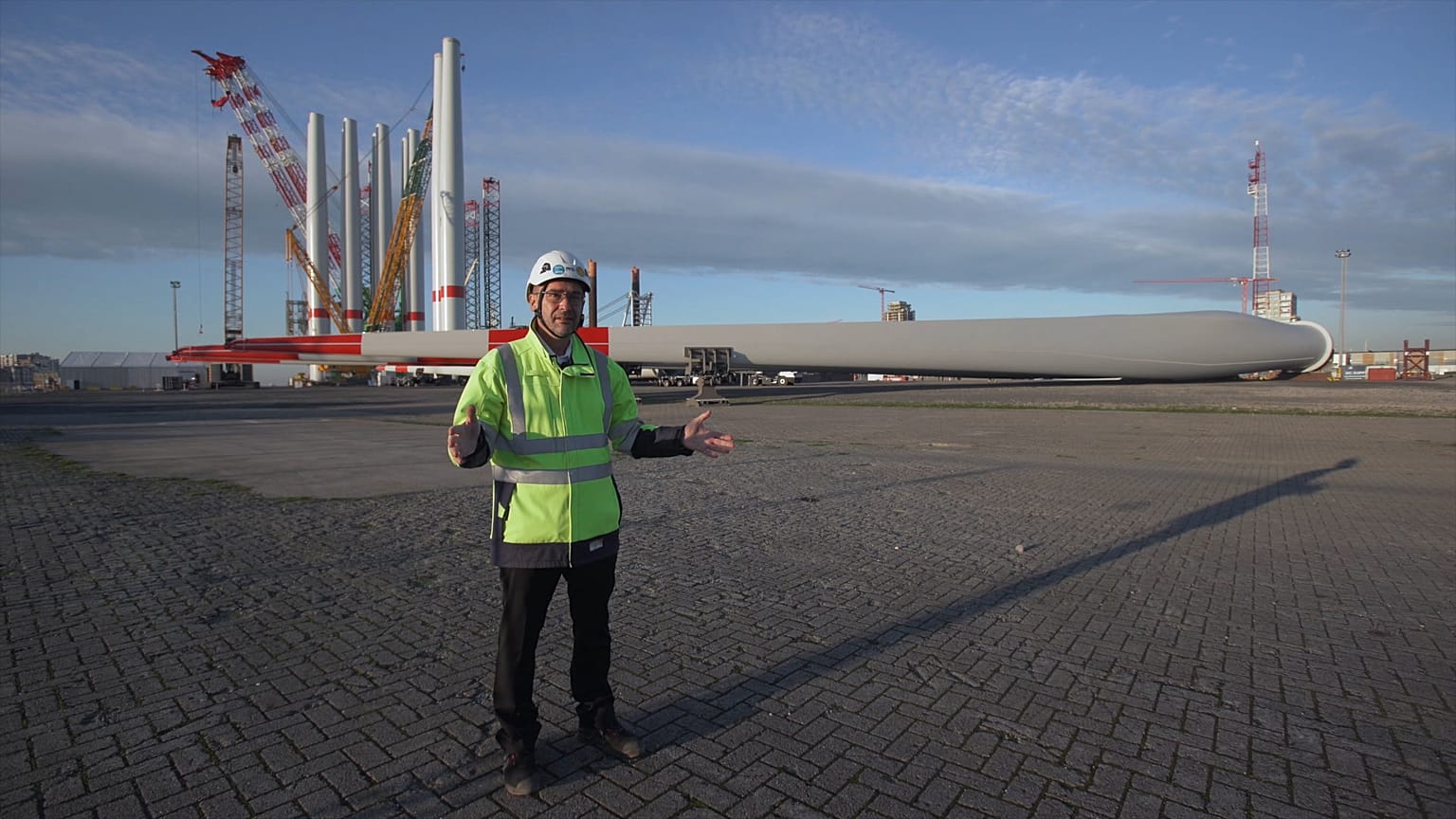
Offshore wind is no longer just a clean energy option — it’s fast becoming one of Europe’s key strategies for energy independence. With the EU planning to ramp up offshore wind capacity, the sector faces a challenge: how to scale up wind farms sustainably while keeping costs down?
Offshore wind farms are cutting energy bills, strengthening Europe’s energy independence, and powering industry with clean, locally produced electricity.
French researchers are turning discarded oyster shells into eco-friendly concrete with significantly lower CO₂ emissions. Currently being tested along the French Atlantic coast, this material could replace scarce sand and gravel while supporting marine life.
A pioneering project is connecting young prison inmates with jobs in Europe’s growing marine industries, offering a win-win solution to two pressing challenges: worker shortages in the blue economy and employment barriers for former offenders.
Europe’s marine sector needs workers, while young former inmates need jobs. “Turning Blue,” an EU-funded project, aims to offer young offenders a new life at sea while helping fill crucial industry gaps.
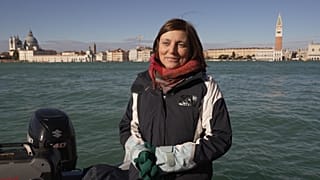
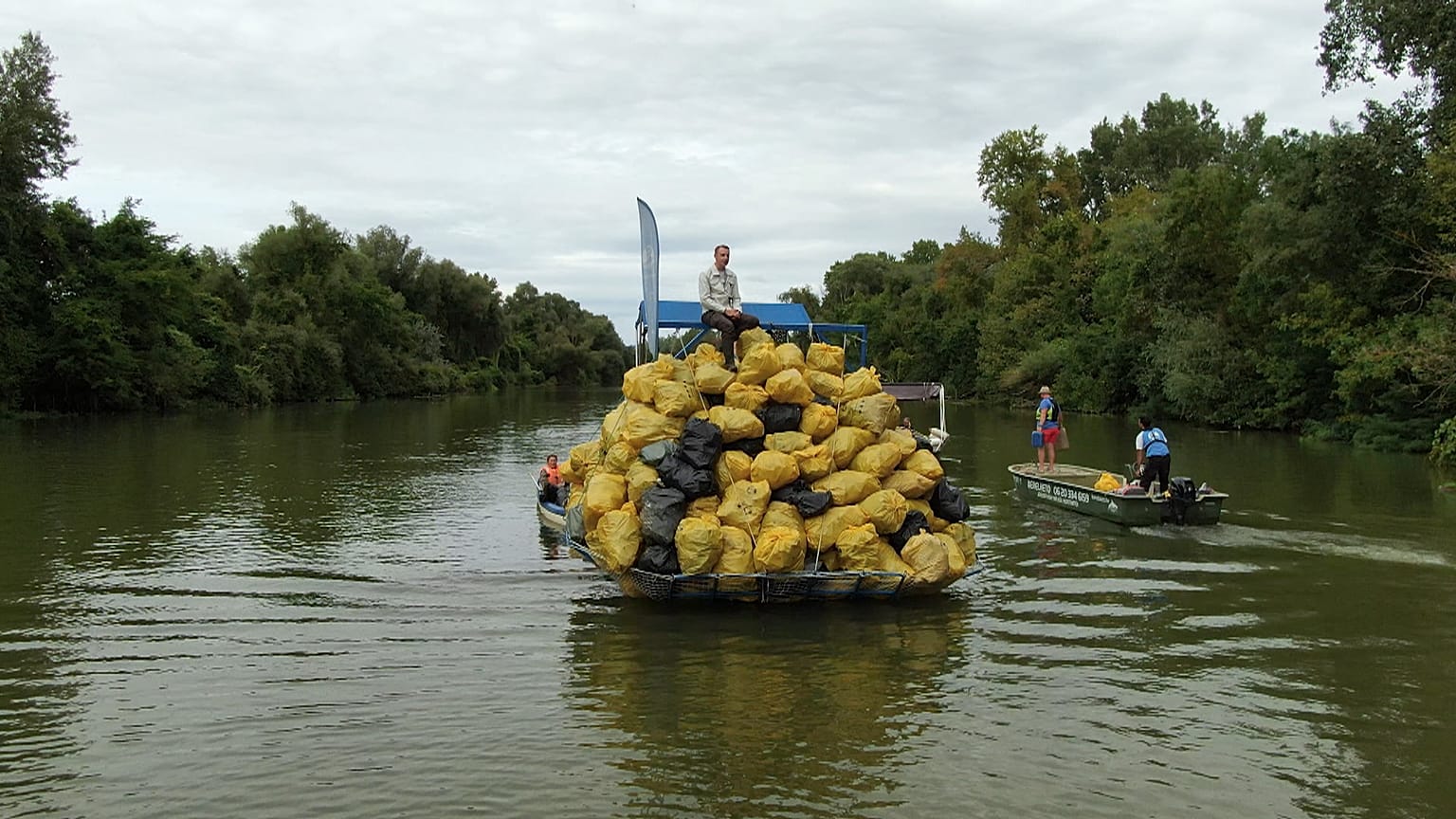
Venice’s famous canals are facing a growing pollution problem. Once plastic litter ends up in the water, it becomes incredibly difficult to remove. Why is this plastic so dangerous, and what can be done about it?
Why is plastic pollution so dangerous for our seas? And what’s the most unexpected find in Venice’s canals? We asked Italian researcher Fantina Madricardo, who led a project using high-tech solutions to tackle the plastic crisis. Watch the video above.
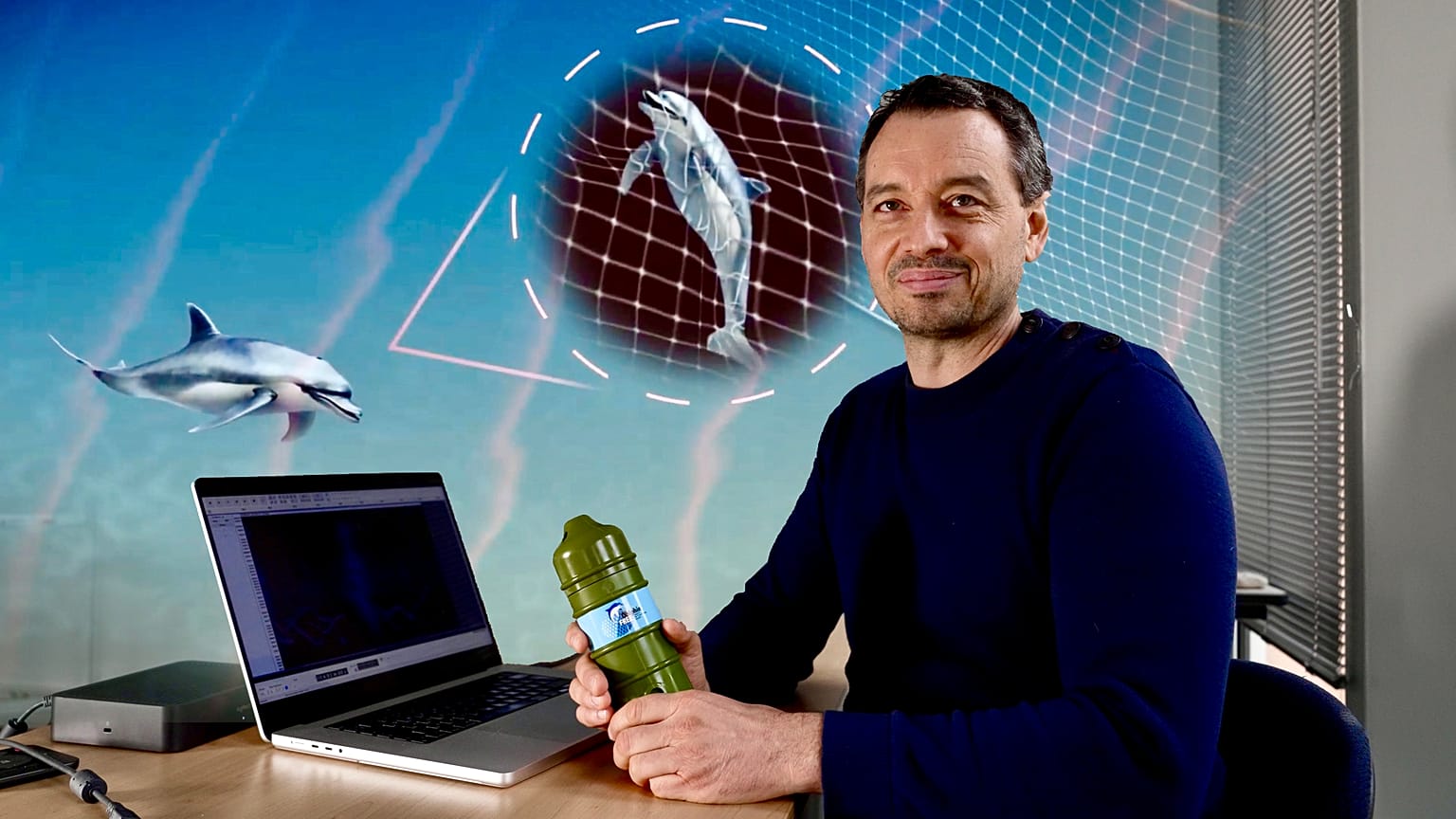
French scientists are developing bio-inspired acoustic beacons that can "speak" to dolphins, warning them of fishing nets and reducing accidental deaths of these marine mammals along the Bay of Biscay.
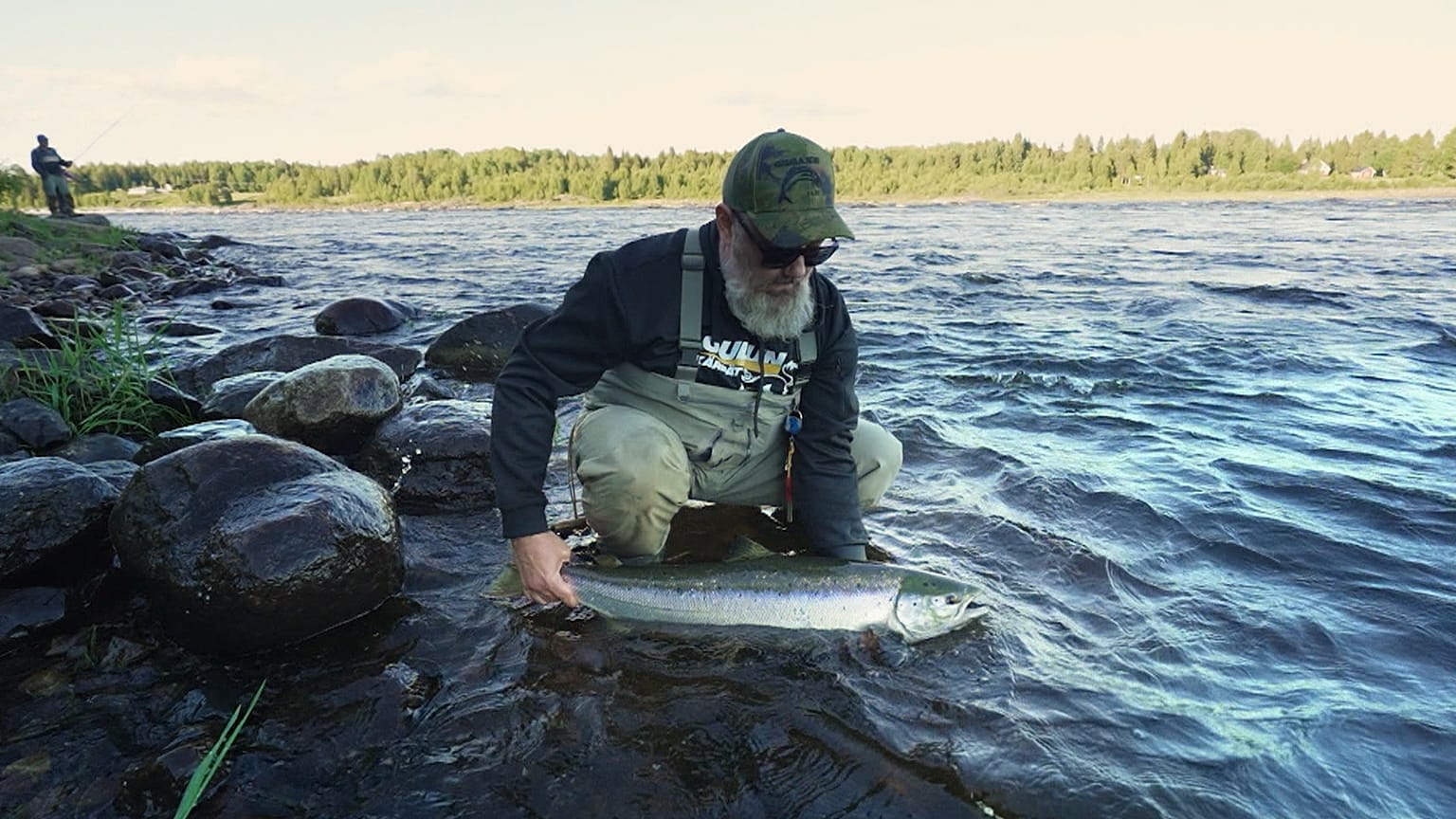
After decades of decline rivers in northern Sweden are once again a thriving environment for threatened salmon. But the species remains vulnerable and the EU is supporting local efforts to sustain wild populations.
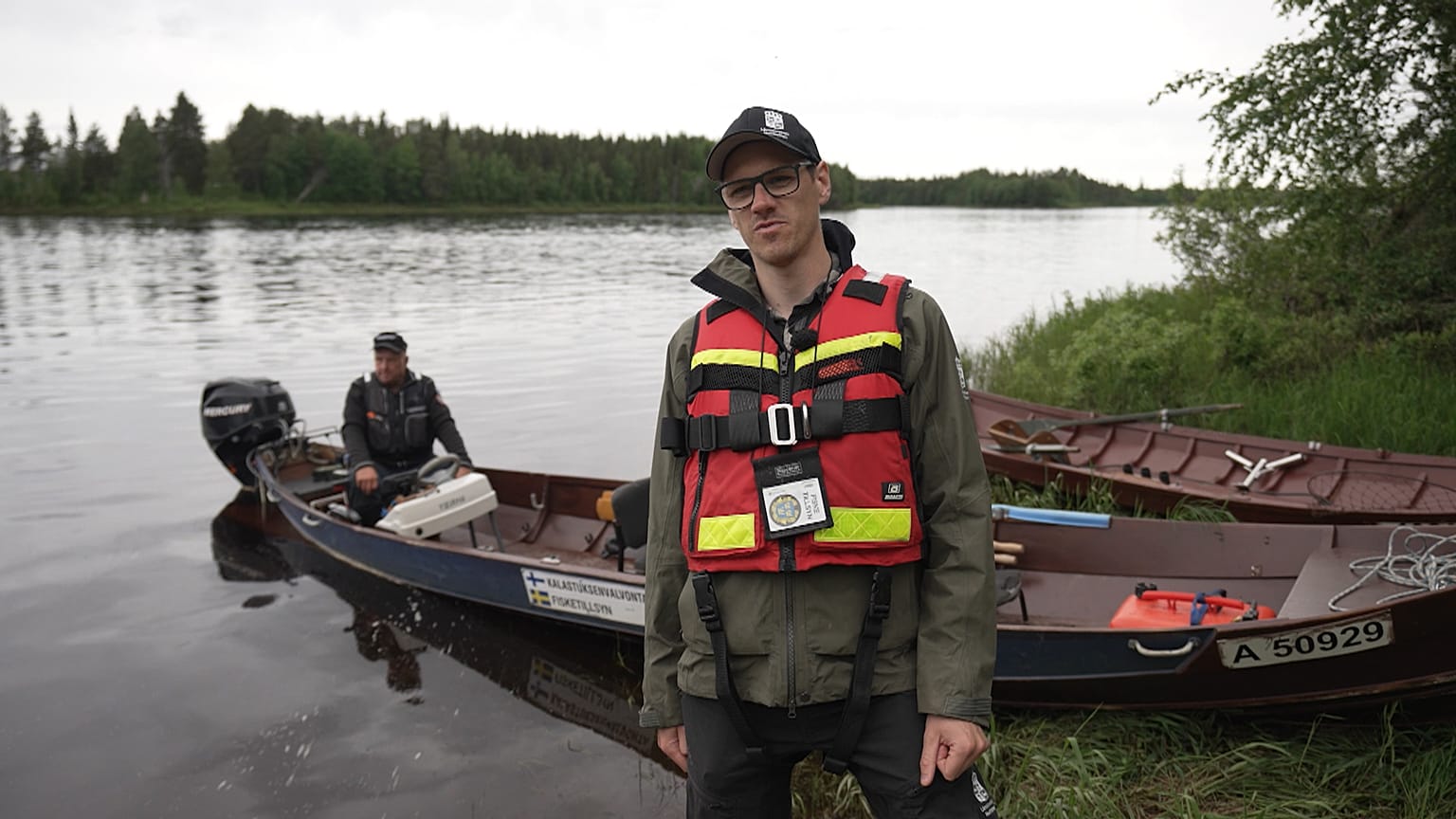
Rivers in Finland and Sweden are a refuge for Europe's threatened wild salmon. The countries are jointly protecting the species through old-fashioned patrolling and hi-tech surveillance.
Europe excels in ocean tech innovation but struggles with venture funding. An EU initiative aims to change that by helping startups gain investors' trust—from Italy's underwater WiFi to Portugal's fish-powered farms.
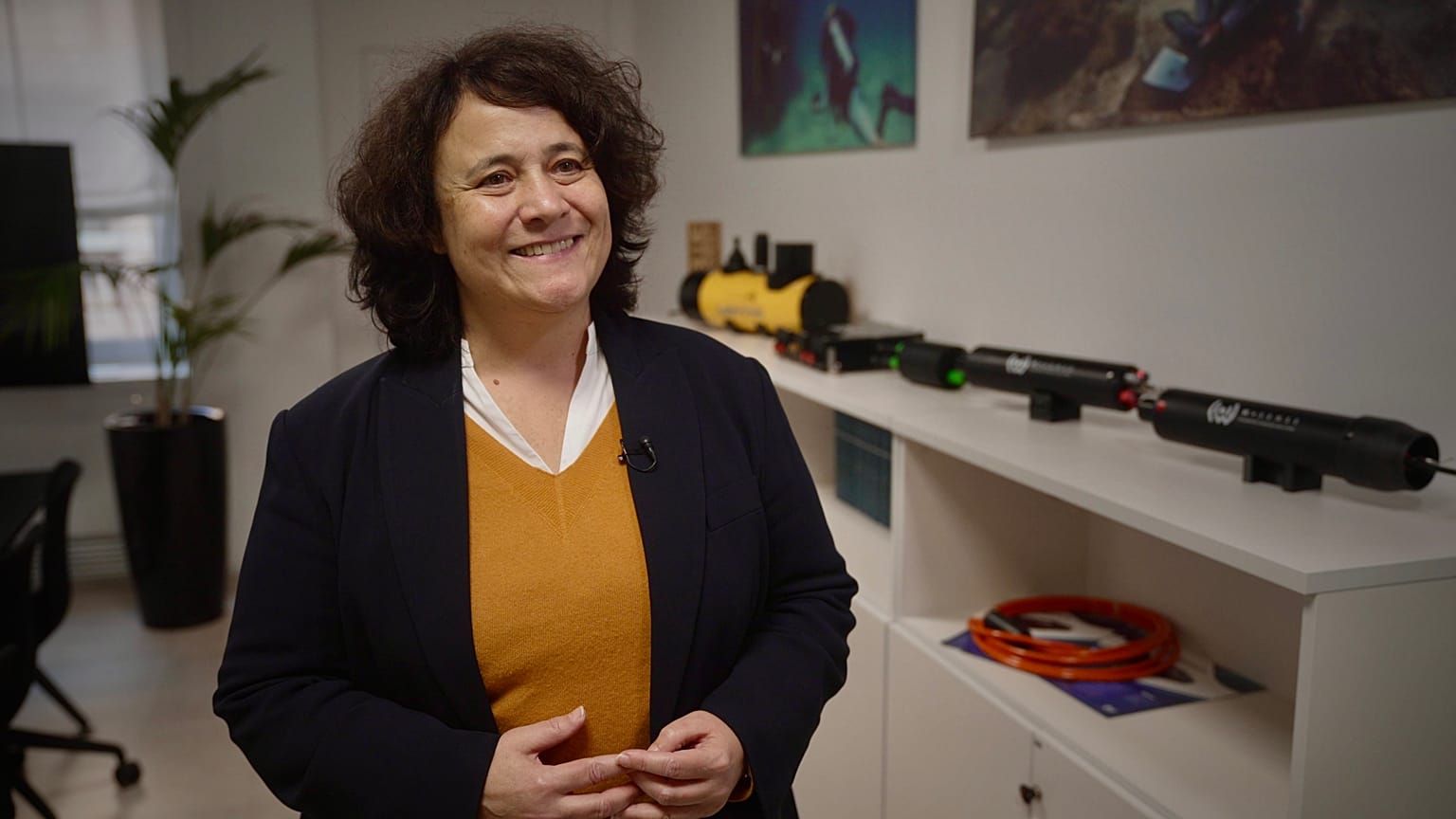
Chiara Petrioli, CEO of WSense, is transforming blue tech with the ‘Internet of Underwater Things,’ a technology that enables wireless communication at depths of up to 3,000 metres underwater. No surprise: European investors are diving right in.
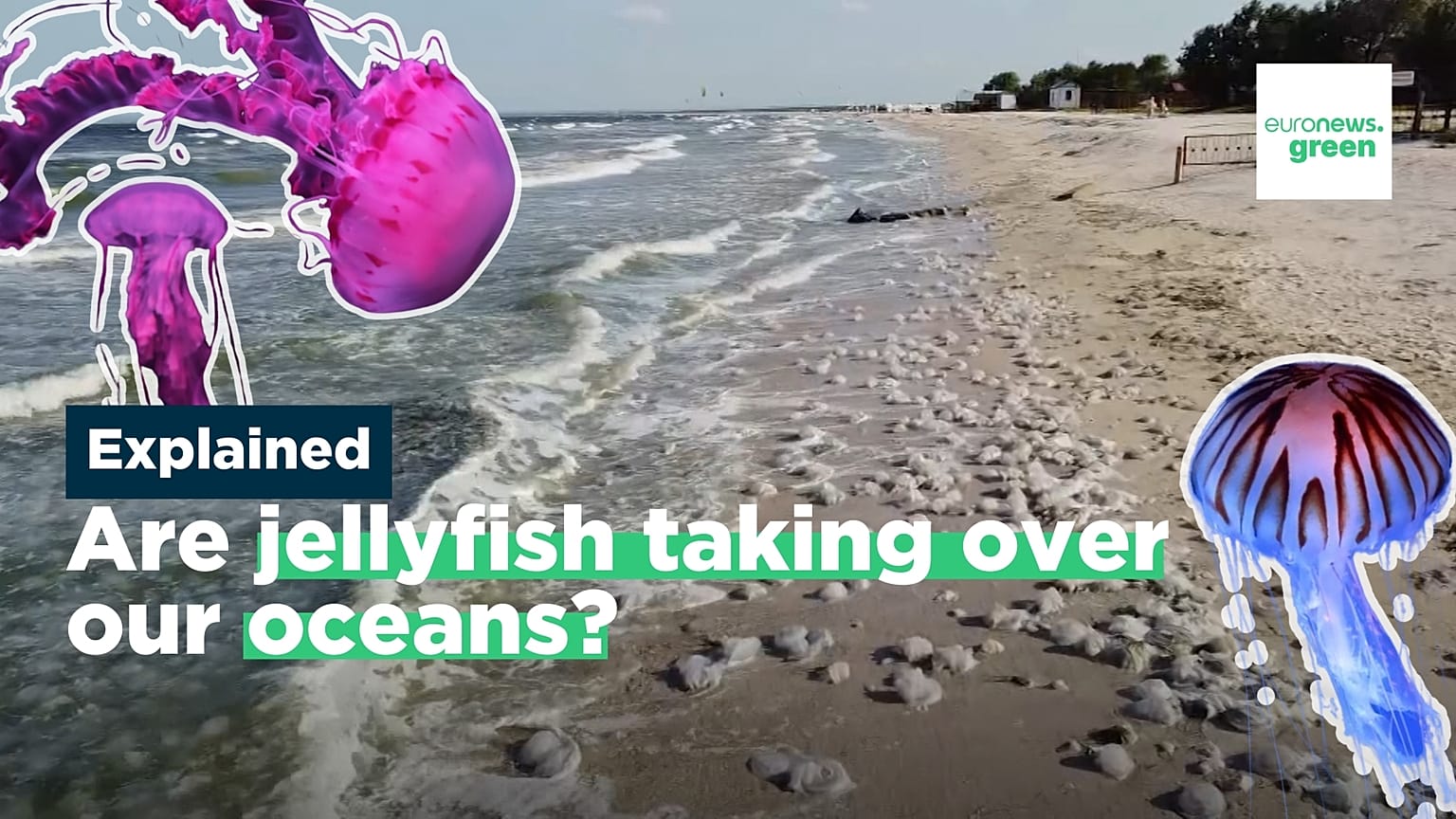
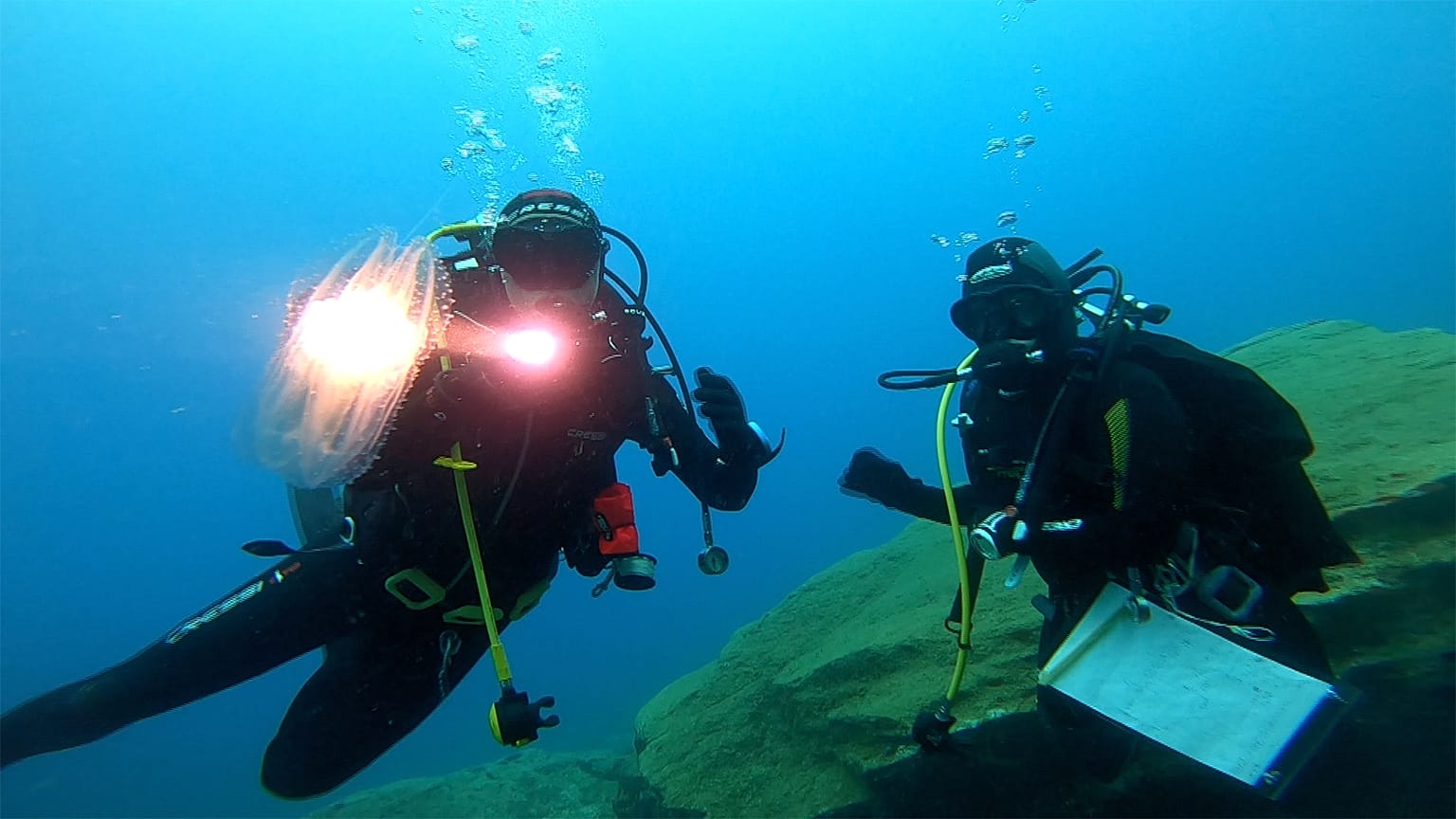
Swarms of jellyfish near Mediterranean beaches were worrying local authorities and tourists during summer 2024. But are these animals increasing in numbers?
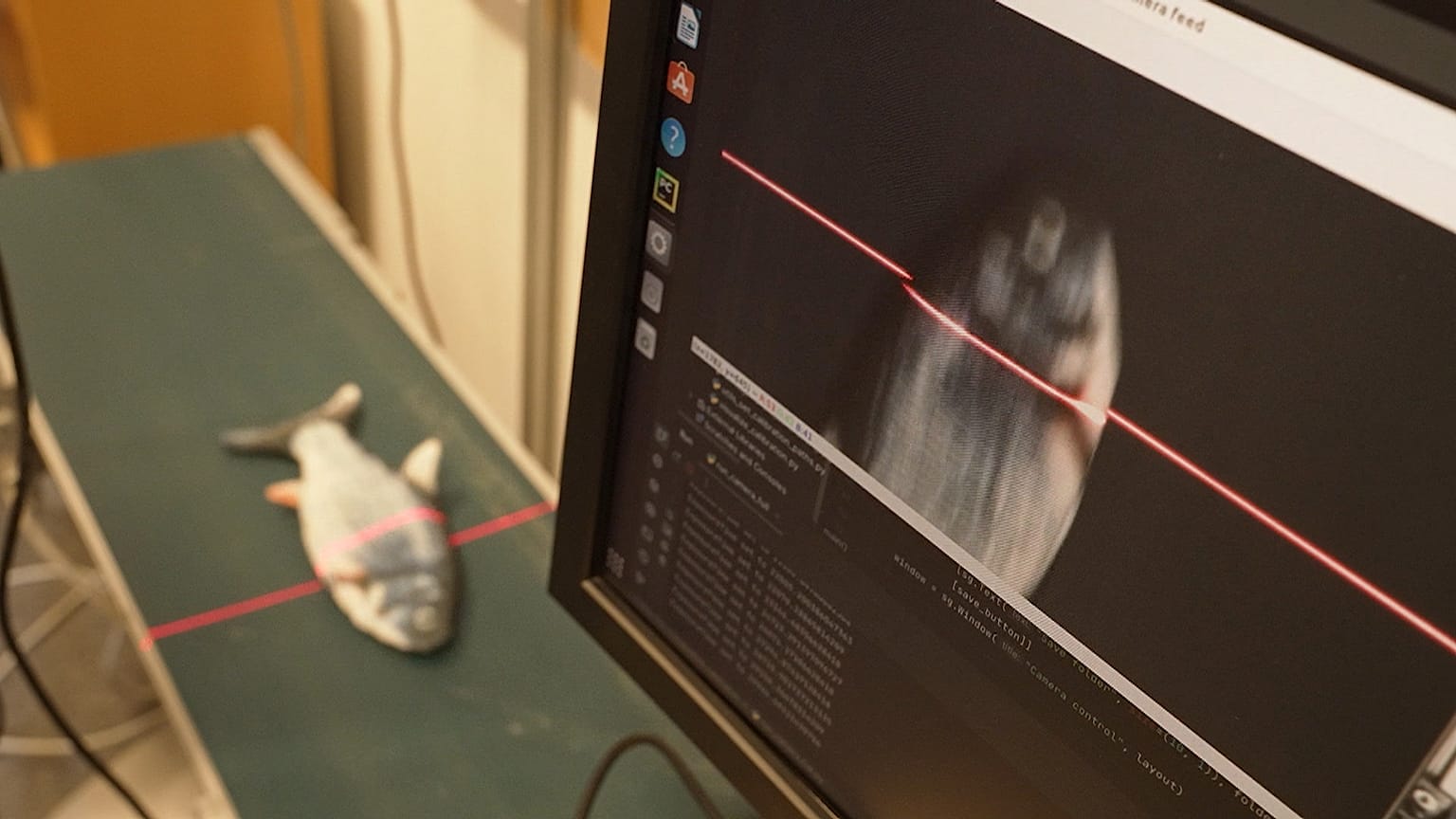
An EU-backed project aims to deploy catch scanners using AI on fishing boats to identify fish species, size, and weight. The aim is to help fishers comply with strict regulations and protect stocks.
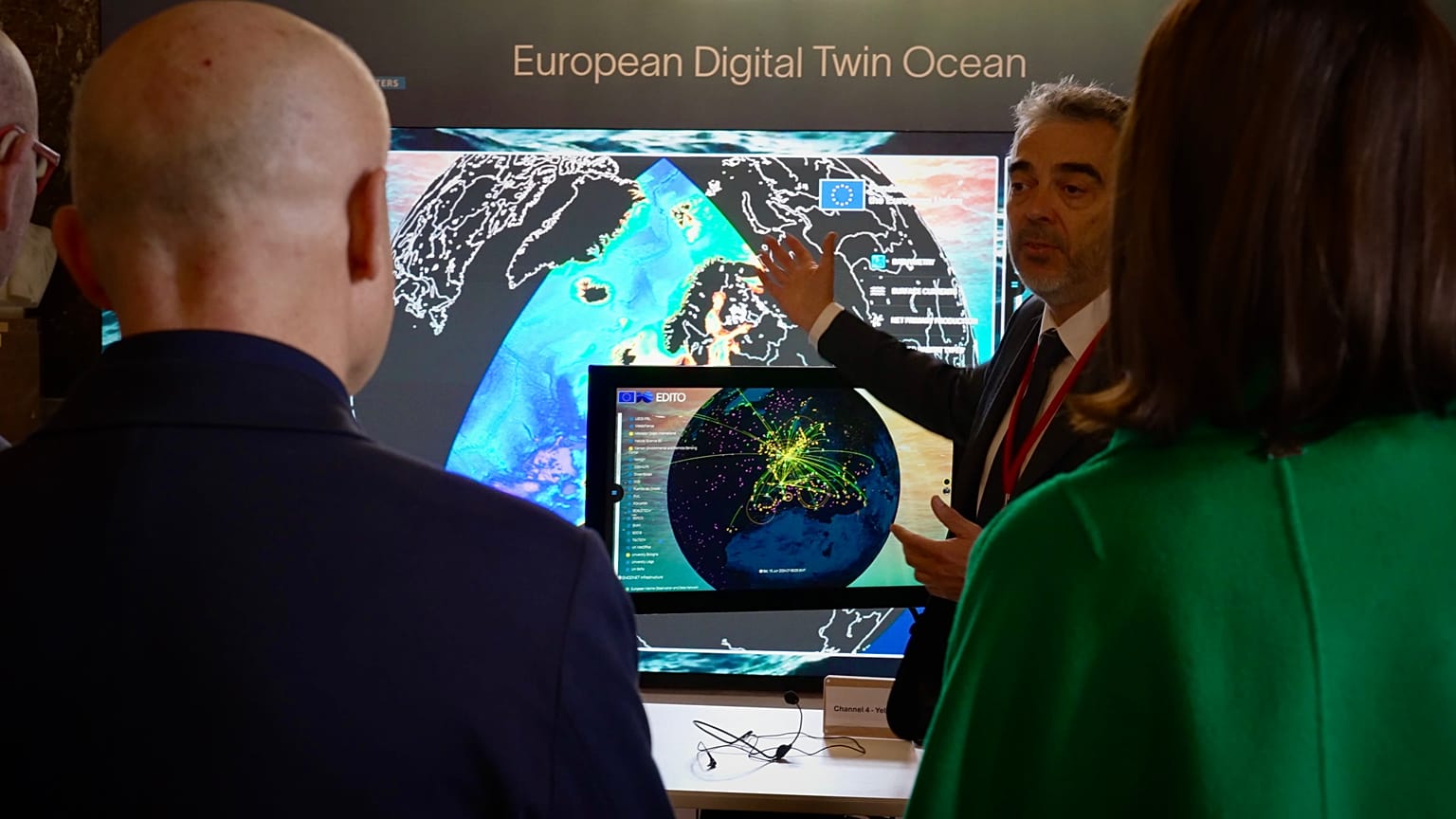
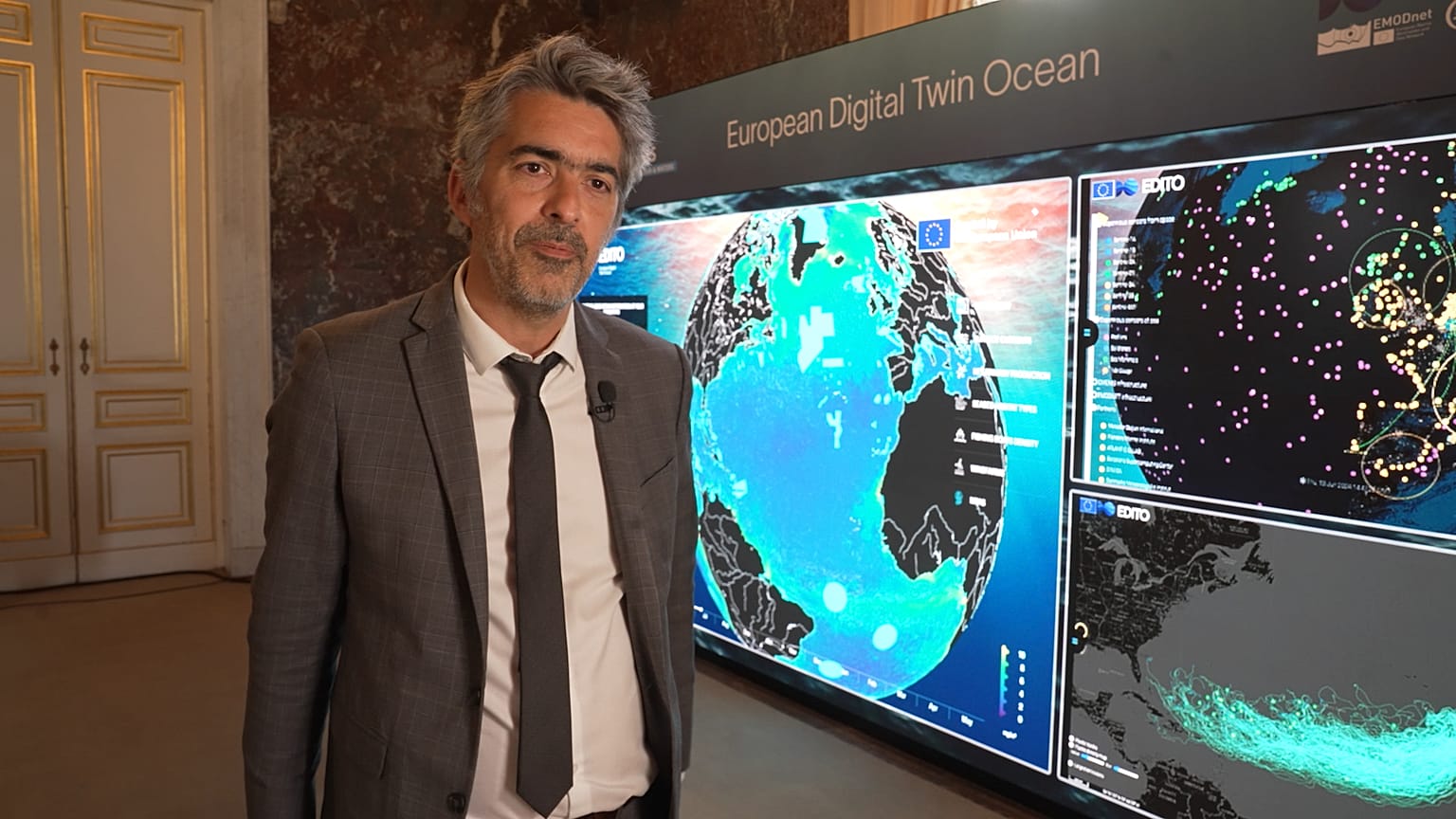
Our understanding of the world's oceans is set for a quantum leap thanks to artificial intelligence and digital technologies. At the forefront of this revolution is a the EU-funded Digital Twin of the Ocean project.
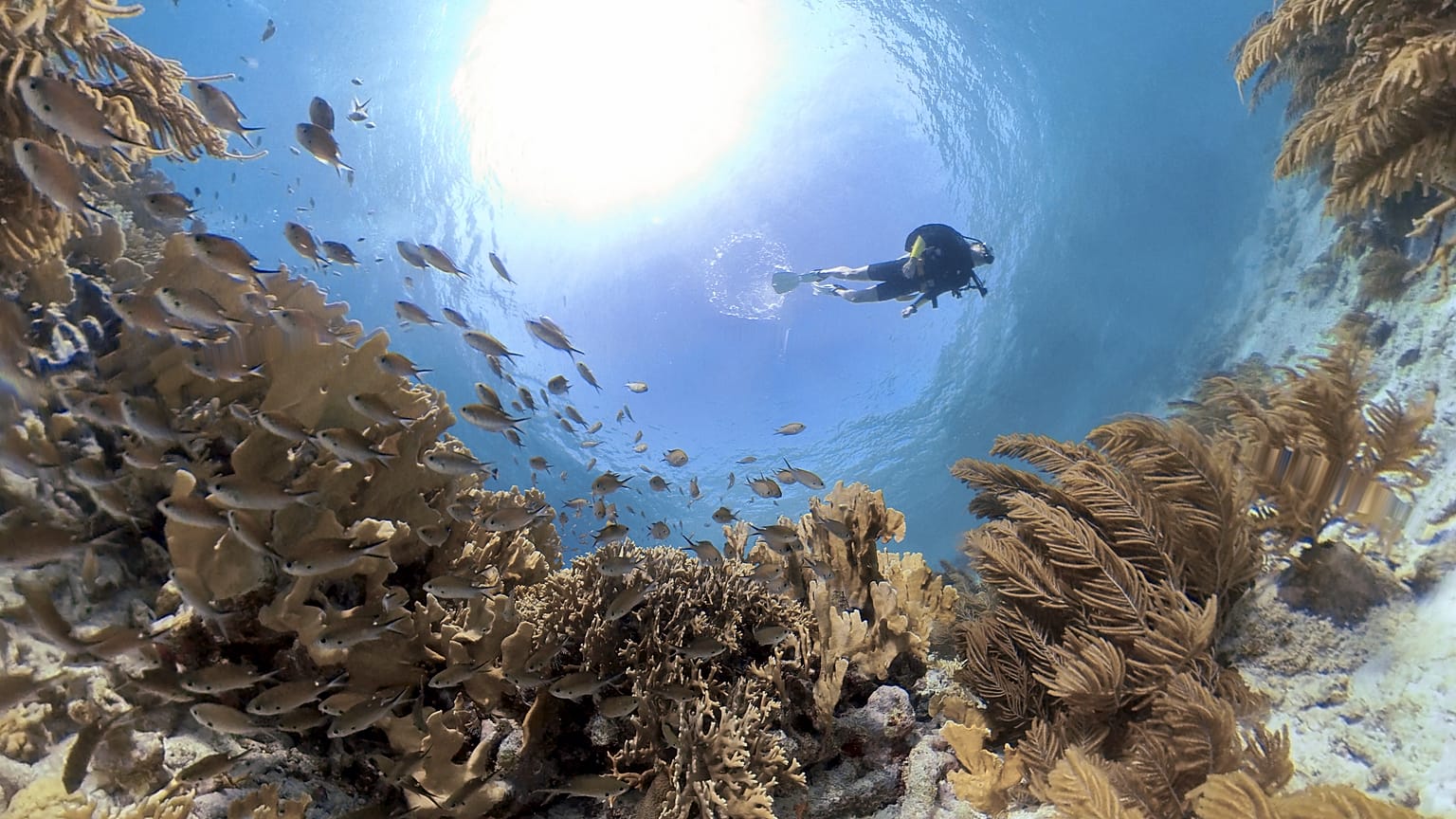
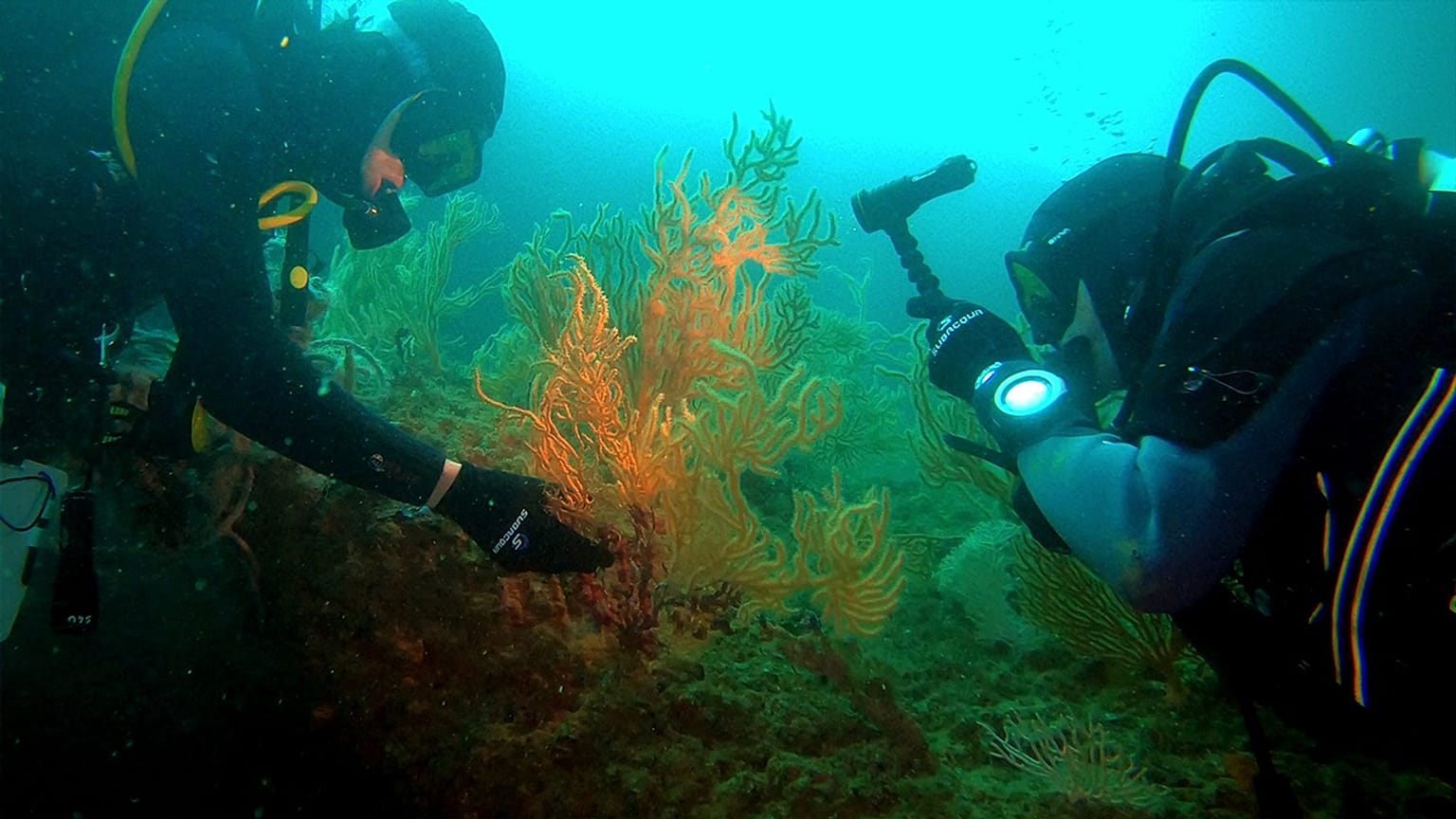
The research team from the Cyprus Marine and Maritime Institute has invited us to witness the devastating impact of these heatwaves on fragile underwater ecosystems.
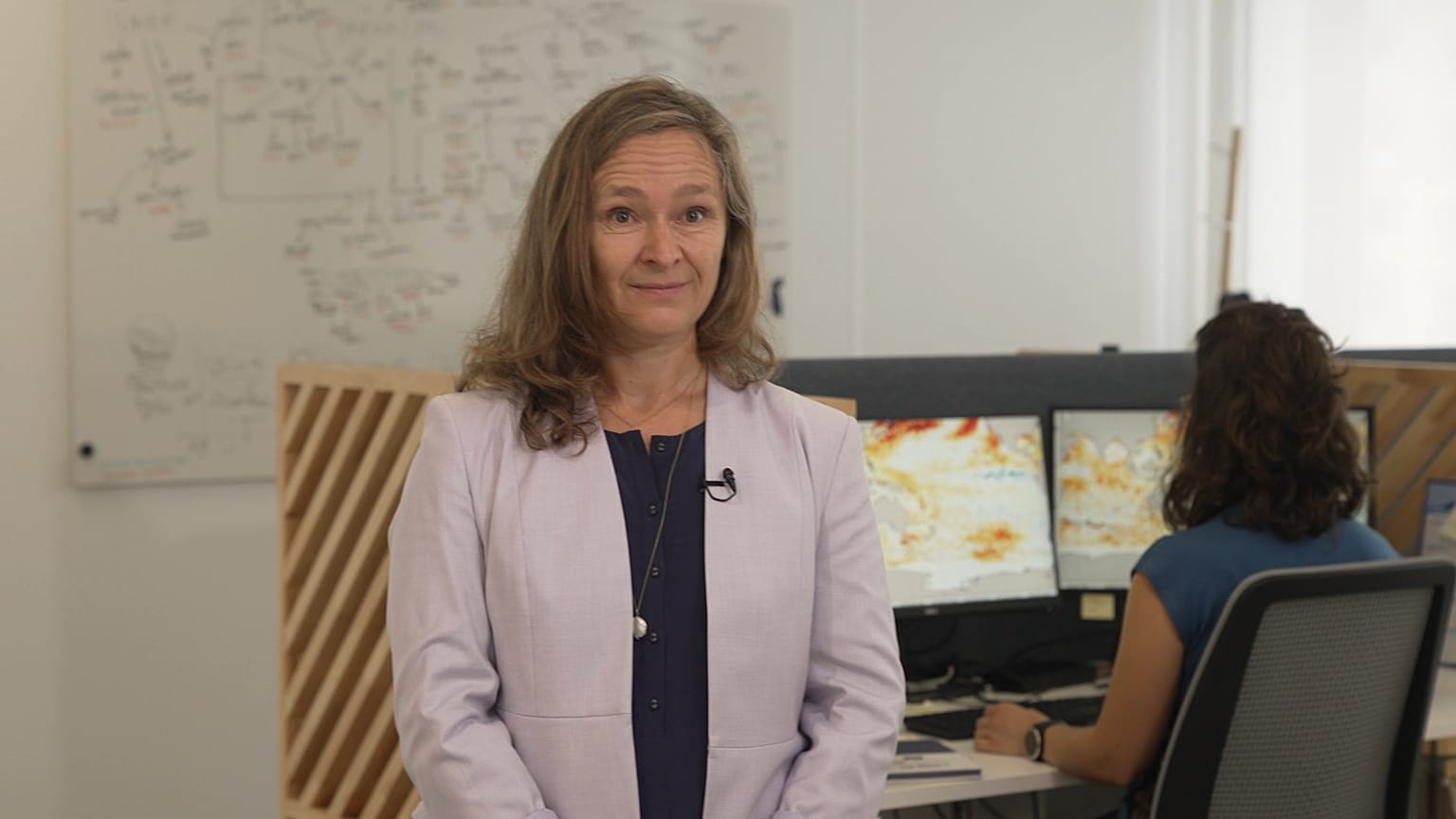
Dr. Karina von Schuckmann, a renowned oceanographer and IPCC expert, points to Earth’s energy imbalance as the key driver behind our rapidly warming oceans.
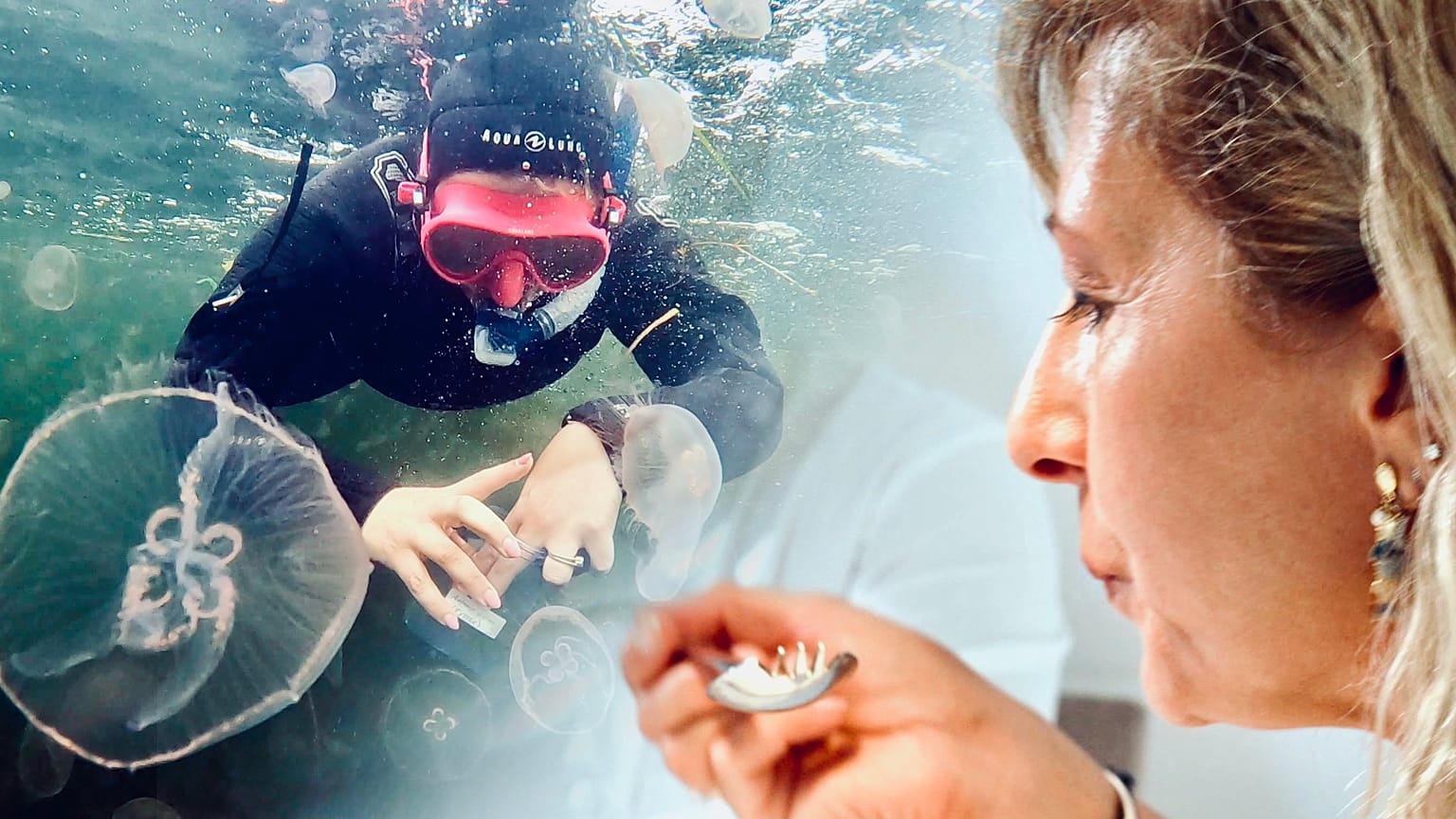
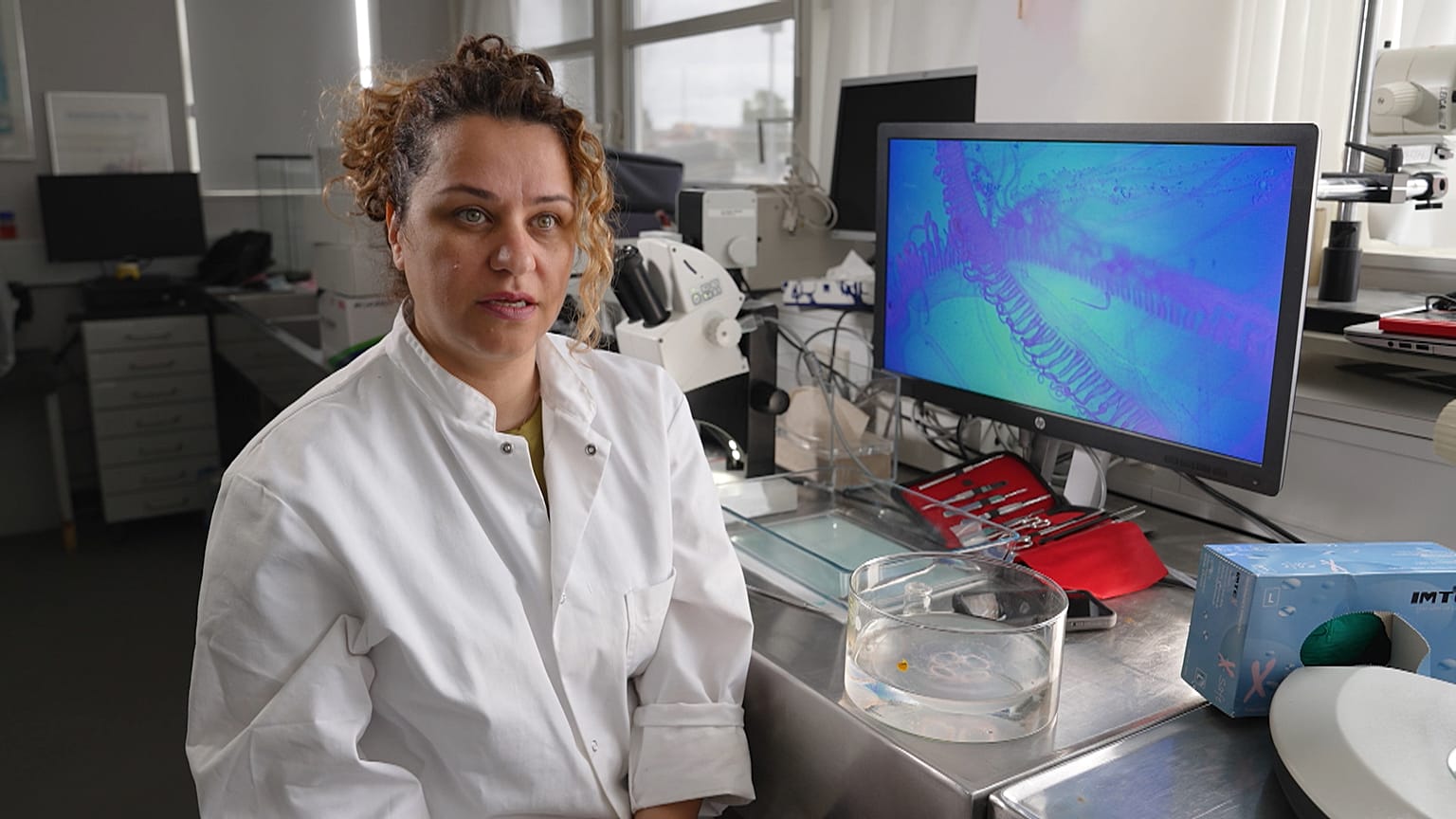
According to biology professor Jamileh Javidpour, there is a need to look at anti-inflammatory material that might be extracted from jellyfish, or anti-cancer, immune-related biochemicals that exist but were neglected in the past.
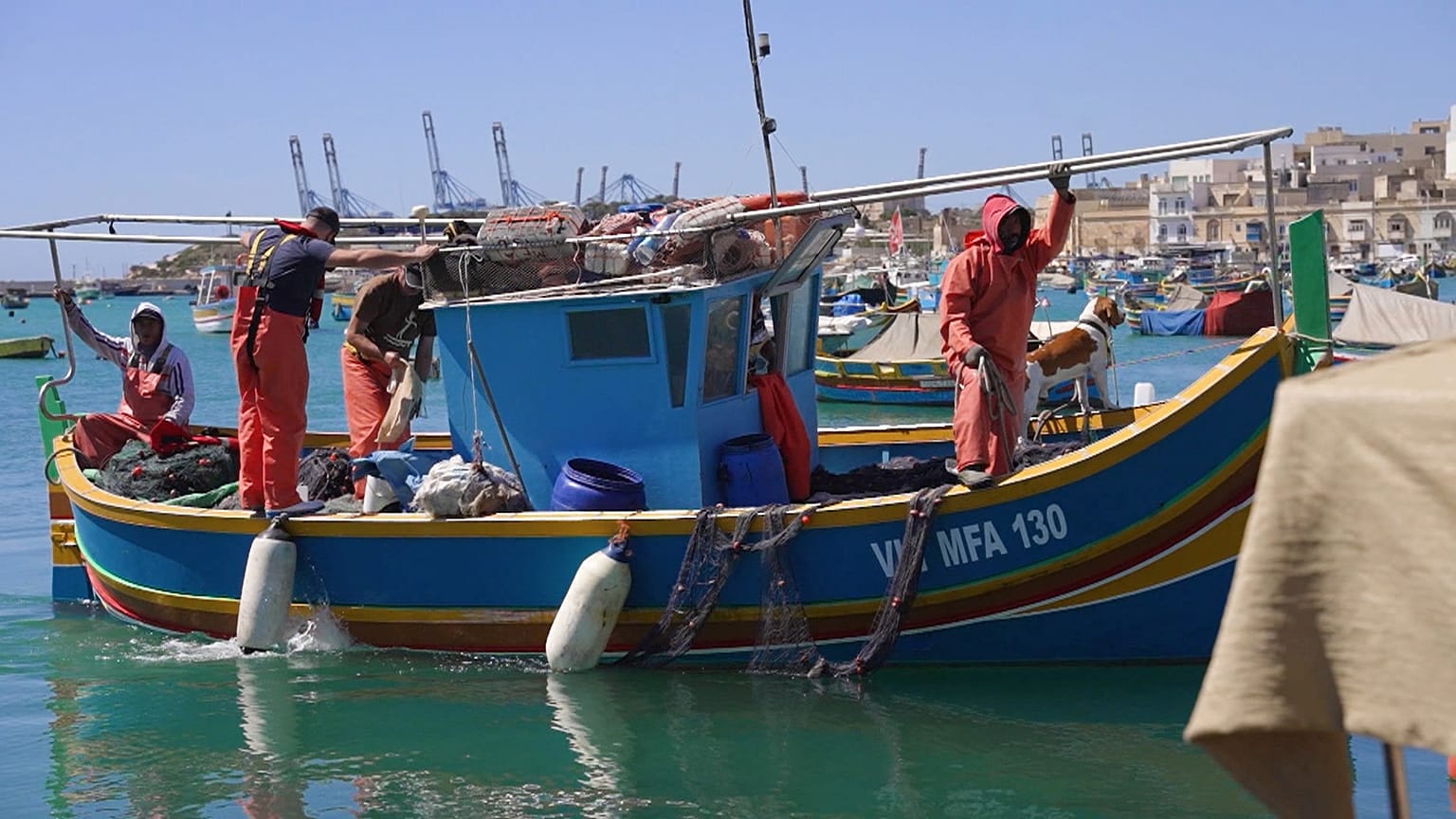
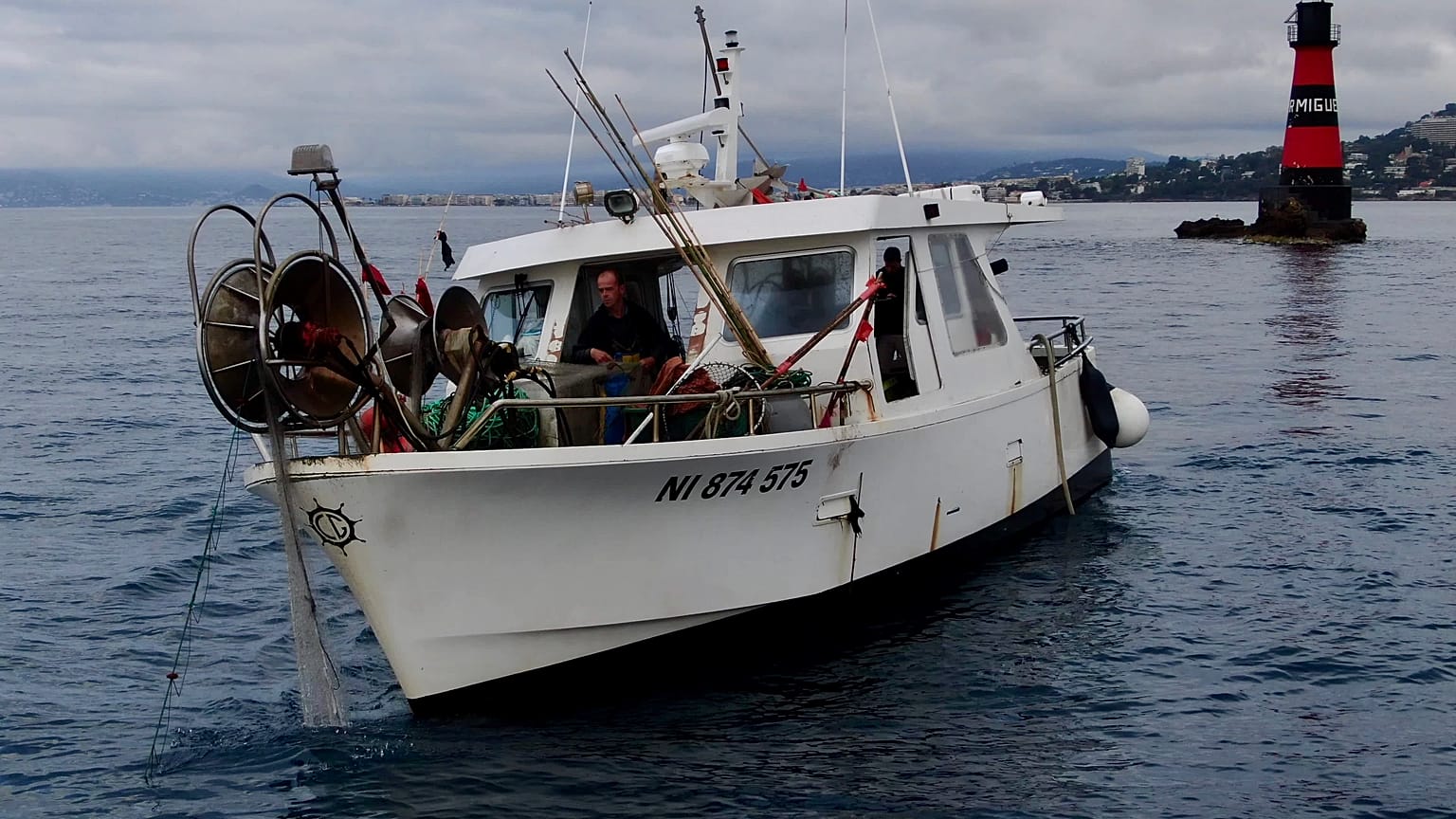
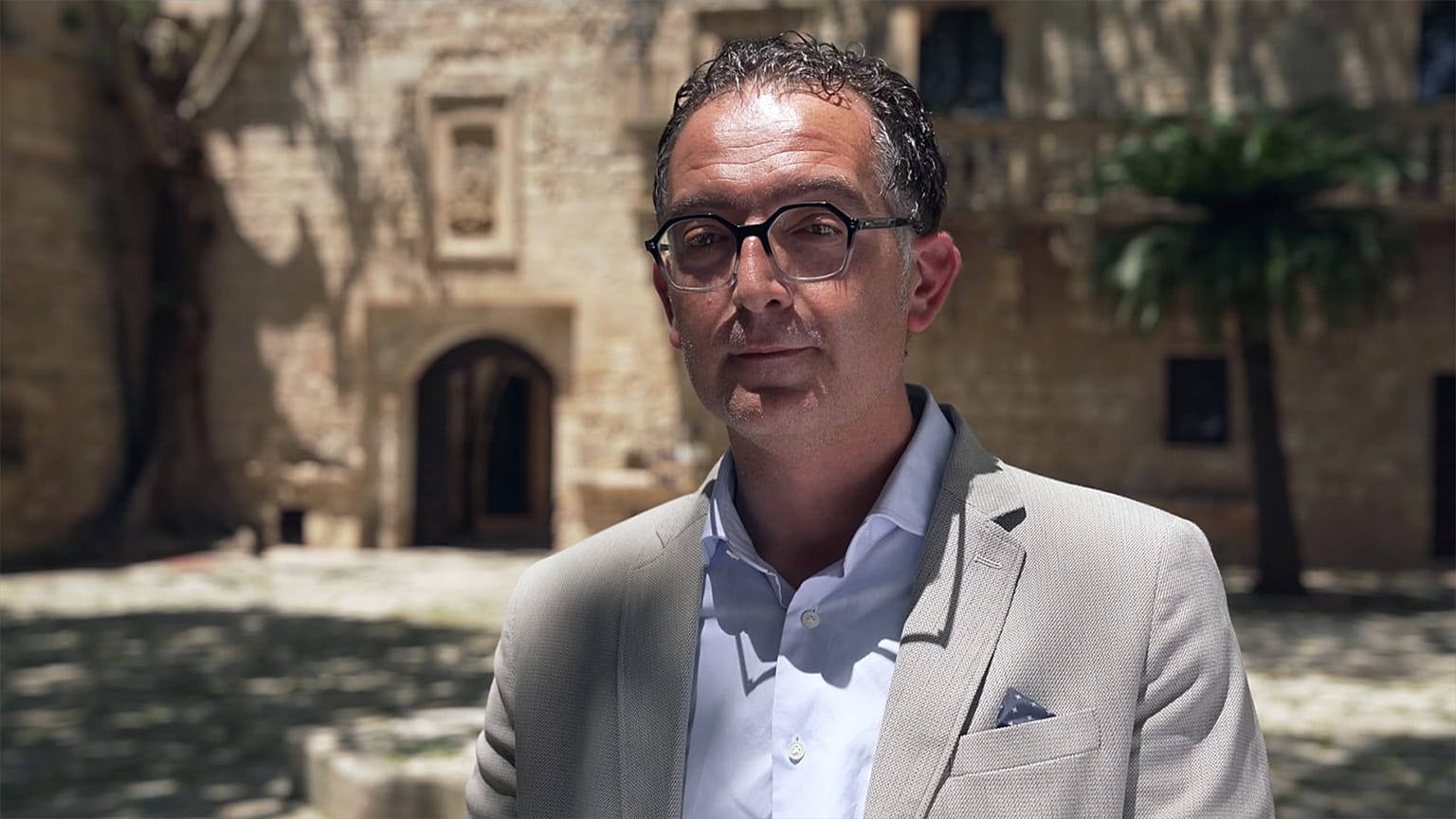
The fishing sector accounts for just 1% of Malta's GDP and employs 1000 fishers. But with fishing deeply linked to the nation's identity, collaboration between Maltese fishers and scientists is helping to shape the growth of the fishing sector and future of Malta's marine ecosystem.
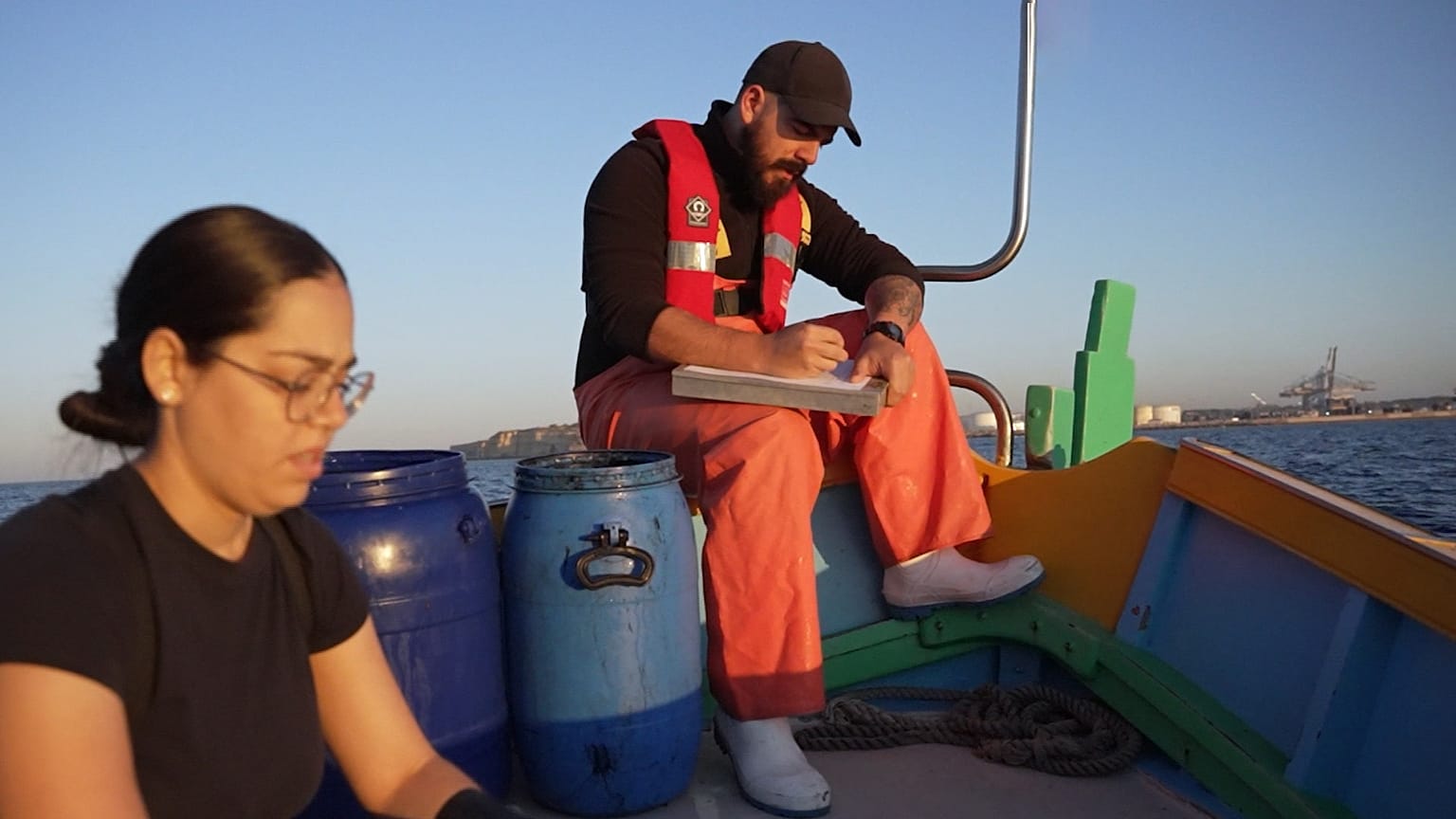
Luca Pisani, a marine biologist at Aquatic Resources Malta, emphasises the importance of maintaining a strong working relationship with fishermen who welcome scientists like him aboard their ships.
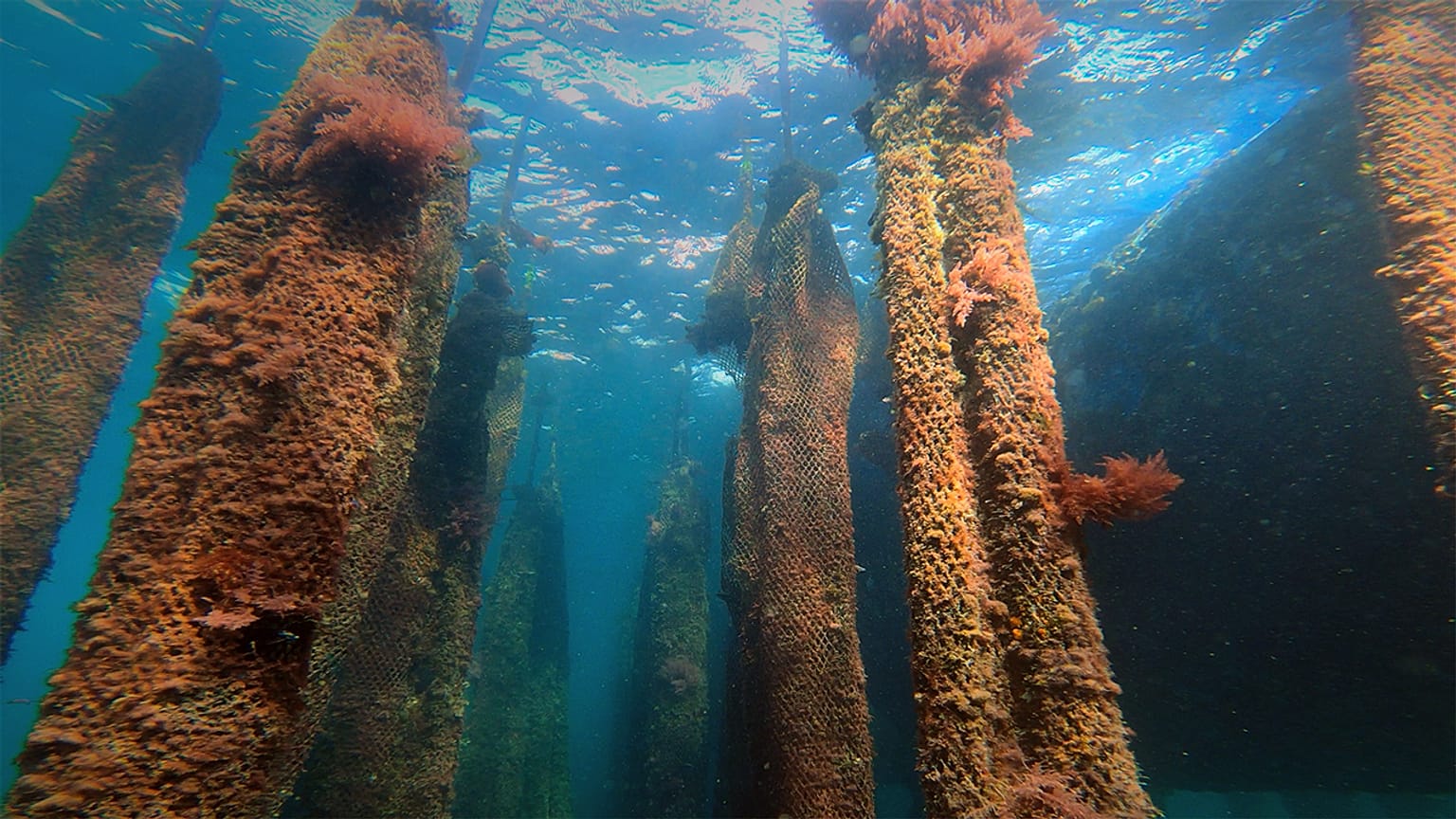
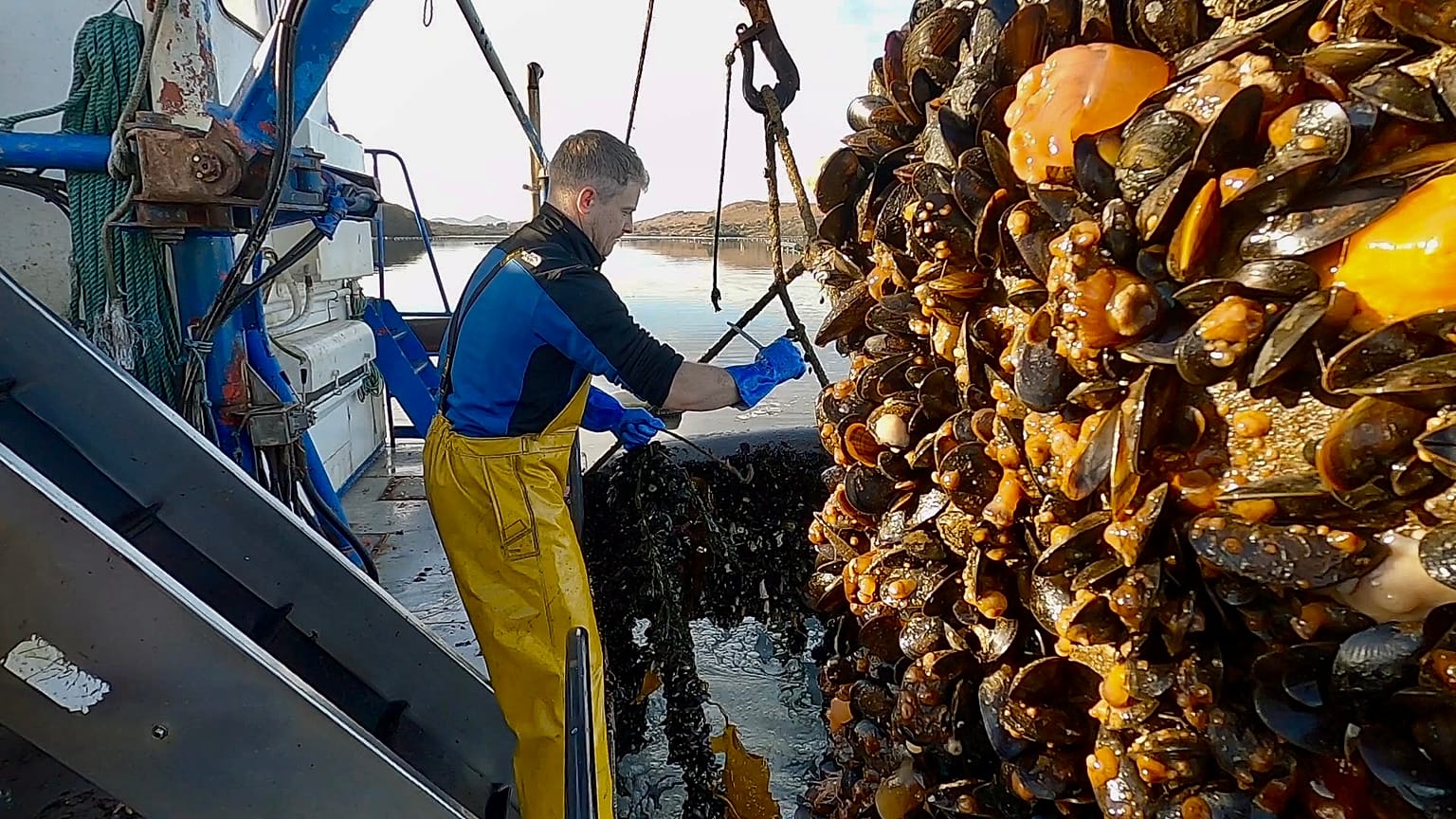
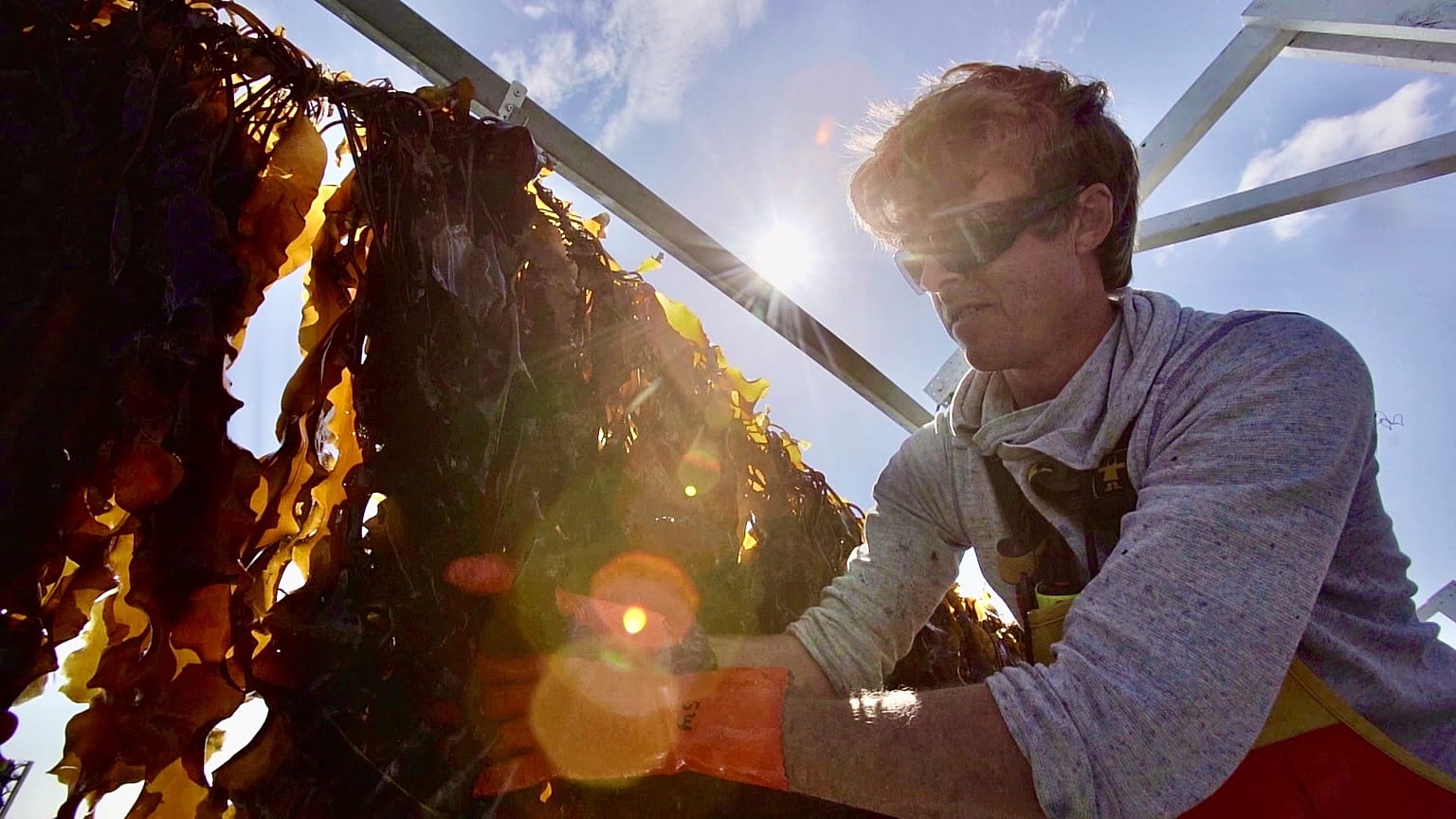
Seaweed has long been considered a healthy and enriching delicacy in many cultures. But with fish stocks under pressure it's becoming an important alternative source of revenue to traditional fishing and aquaculture in Europe.
Despite marine management efforts over decades Europe's fish stocks are still under pressure. The EU is supporting fishers turning to seaweed farming as an alternative livelihood.
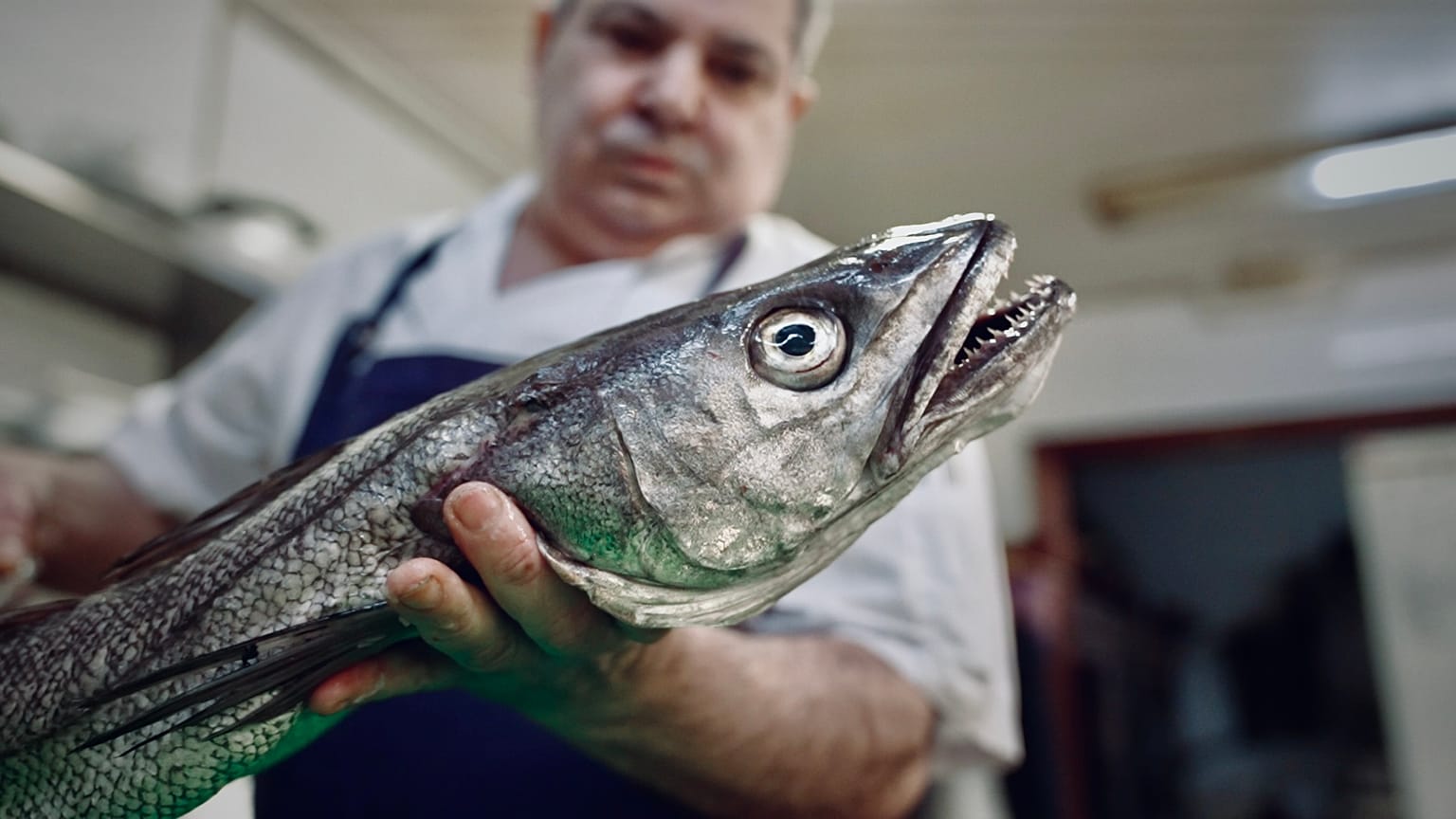
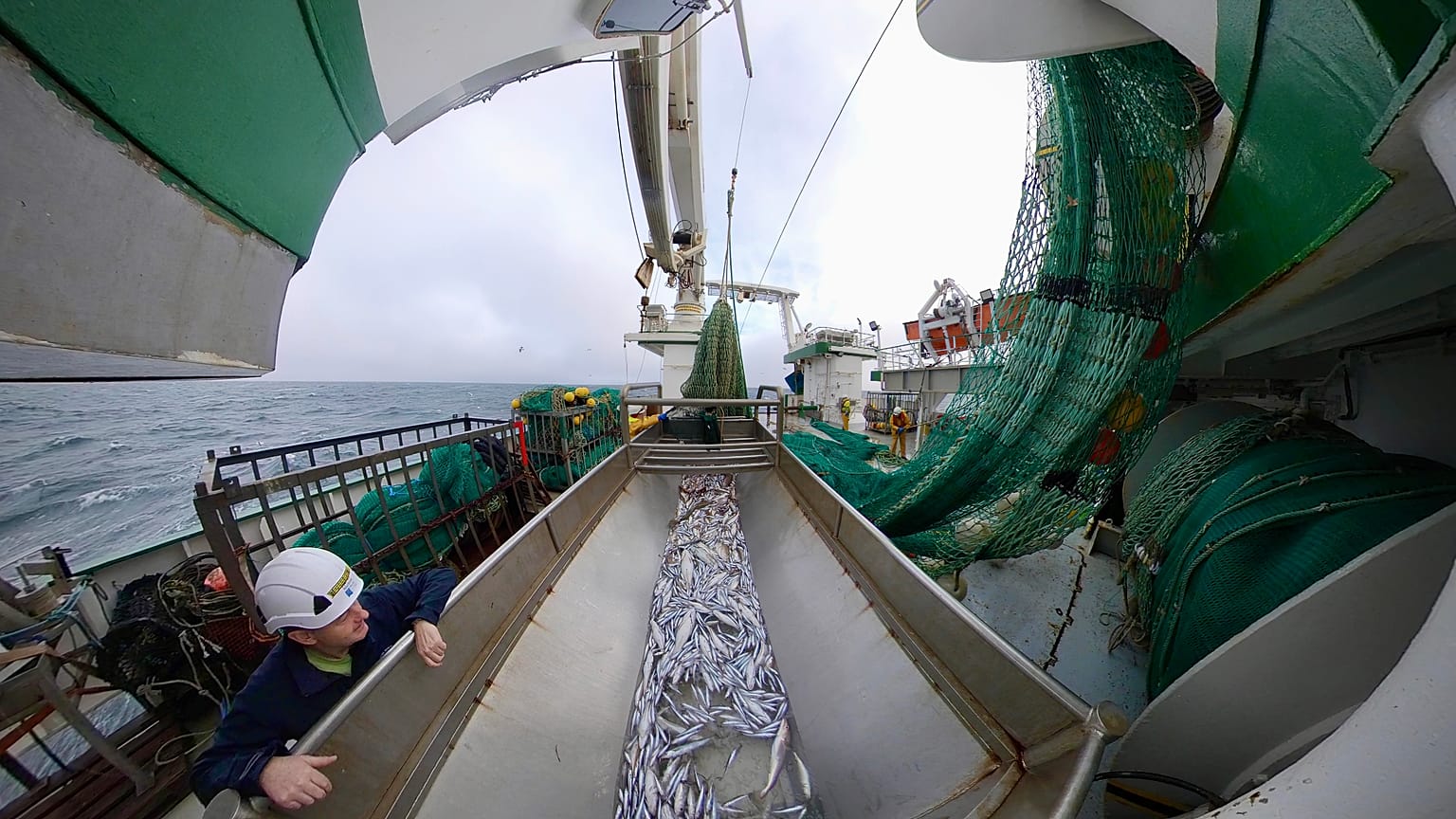
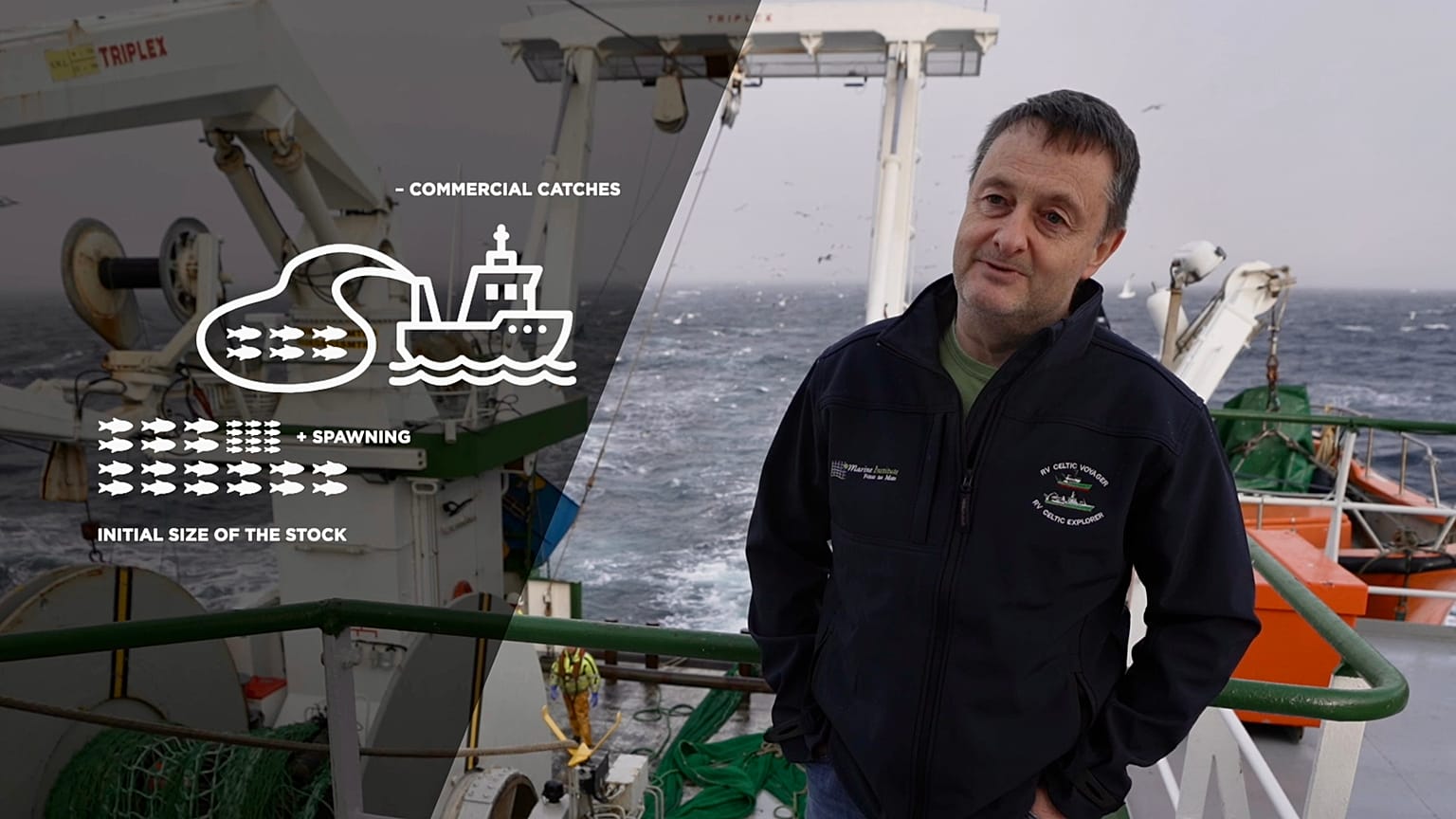
The hake population in the waters of Northwestern Europe has recovered spectacularly over the past 20 years. What's behind this remarkable rebound and how might this success story be repeated elsewhere?
Persistent overfishing in European seas led to the decline of many fish species in the 1990s. However, efforts to restore hake populations to sustainable levels in recent decades have proven successful.
Just 1 per cent of the high seas are protected — a far cry from the global goal to safeguard 30 per cent of our oceans and seas by 2030. A year on from the High Seas Agreement wrap-up at the United Nations, are we making progress towards protecting ocean life from expanding high-sea industries?
The International Union for Conservation of Nature (IUCN) has played a central role in the sustainable use of marine biological diversity in areas beyond national jurisdiction. Minna Epps, Director of the IUCN Ocean Team, shared her insights with Euronews.
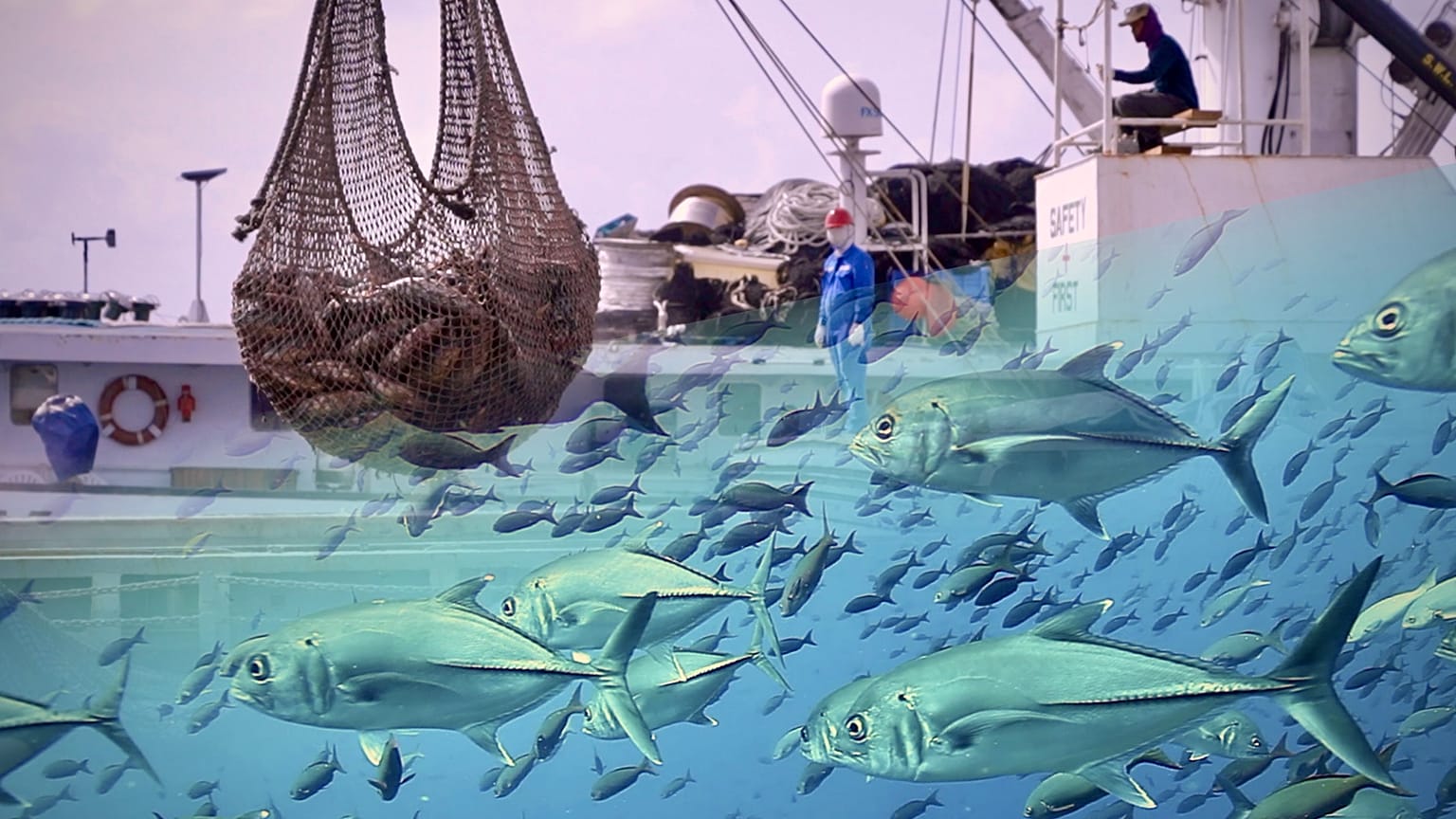
The largest tuna fishery in the world is also the most sustainable. How do the small island states of the Pacific prevent overfishing, develop their economies, and prepare for the imminent effects of climate change? Our report from the Marshall Islands.
The director of the state's Marine Resources Authority highlighted the crucial role that vessel inspections and data play in protecting this vital resource.
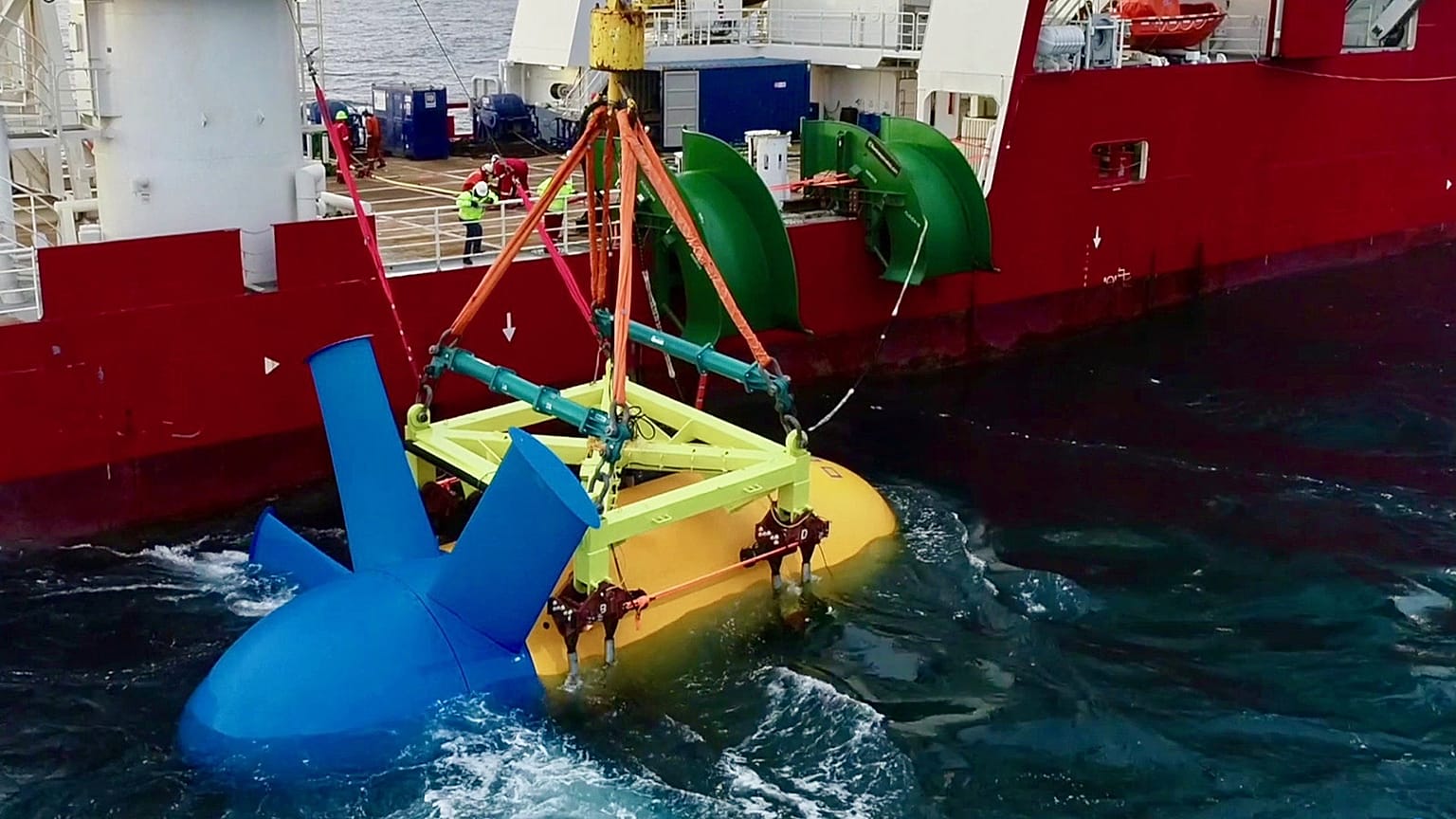
Leaders in the renewable energy sector tell Euronews Correspondent Denis Loctier how Europe can make better use of its surrounding waters to generate a reliable and sustainable source of electricity.
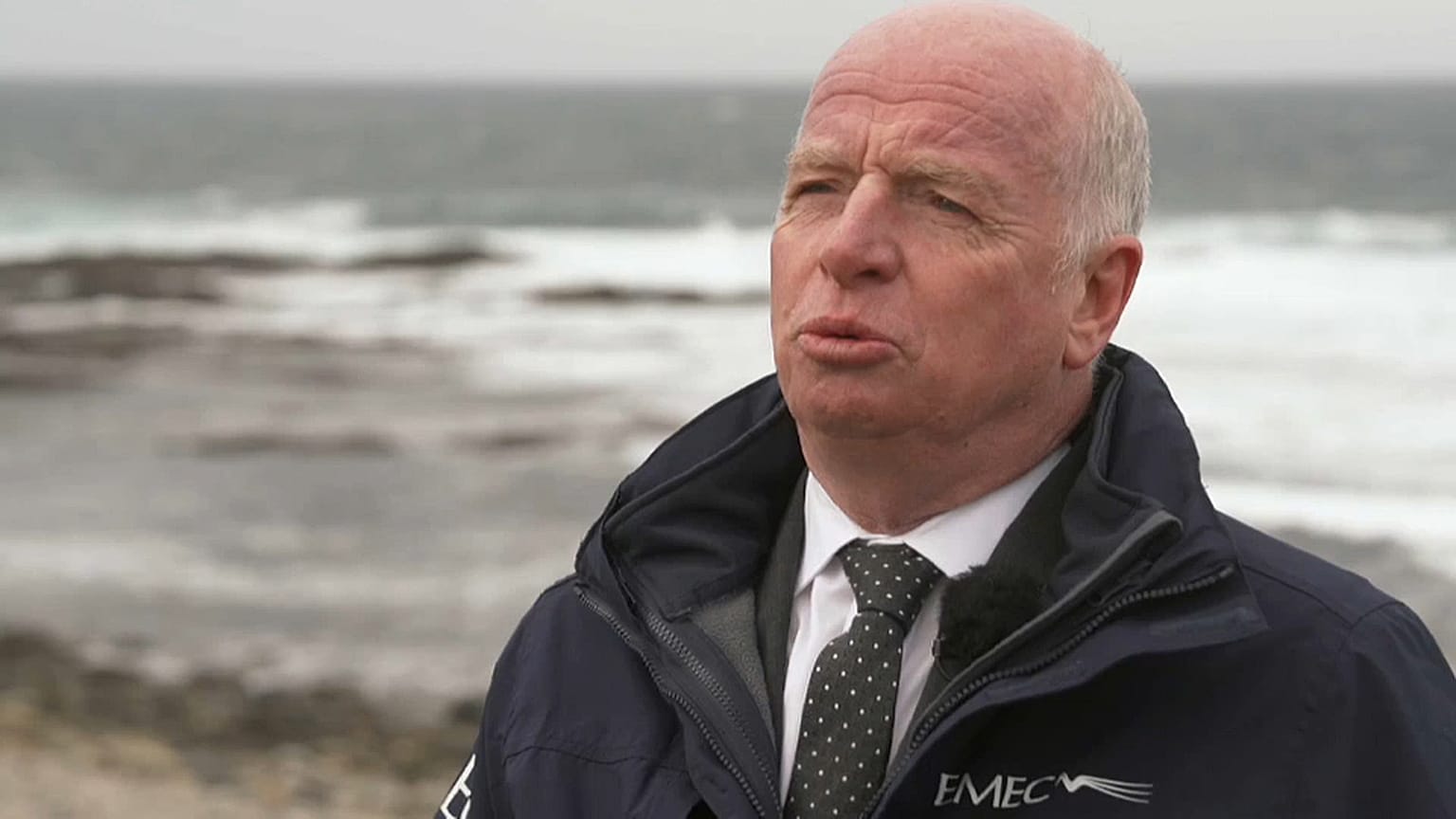
Rémi Gruet, the CEO of Ocean Energy Europe, tells Euronews how the development of better technology and Russia's war in Ukraine have helped innovators convince the masses that ocean power could be the key to energy security in Europe.
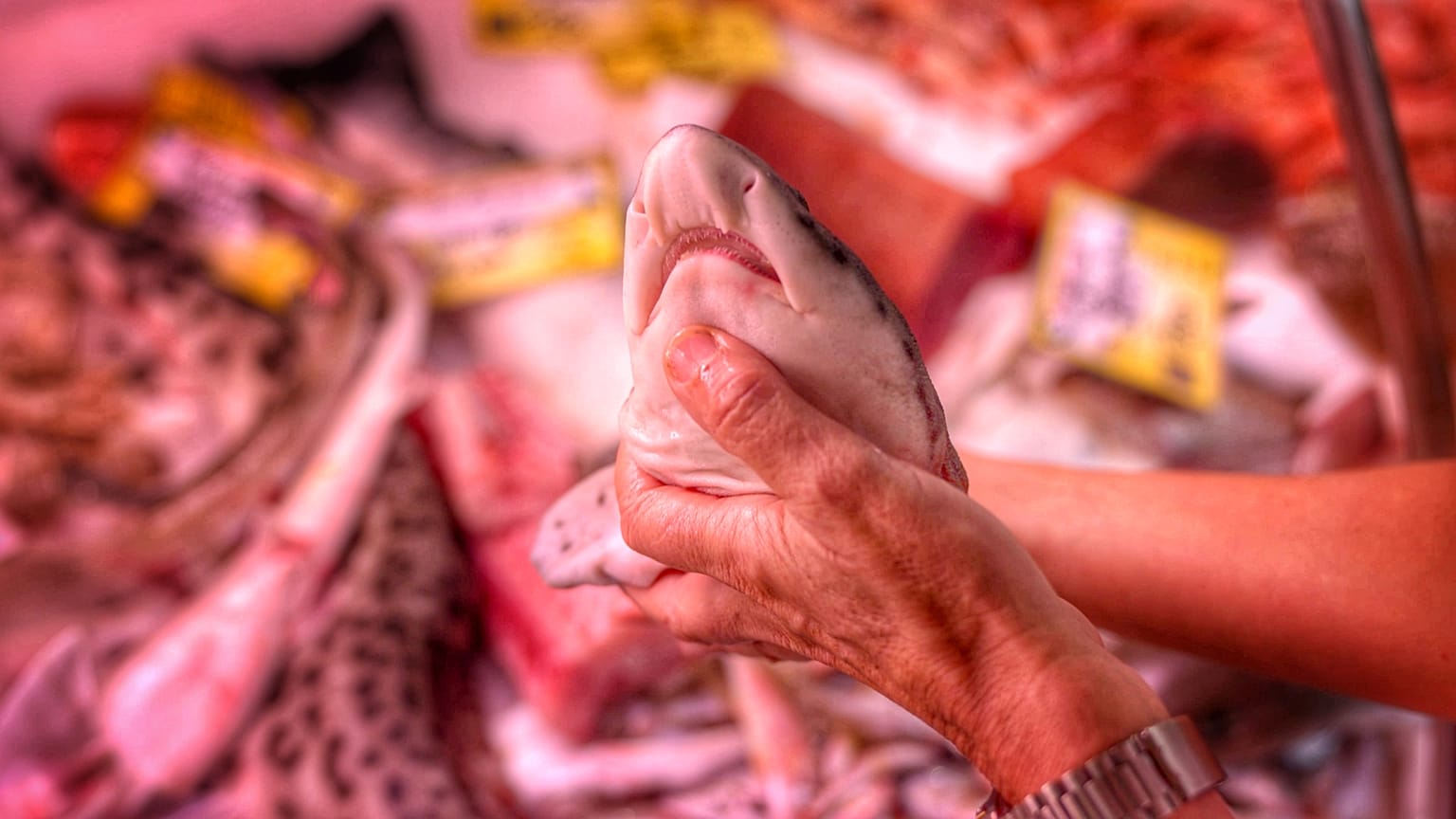
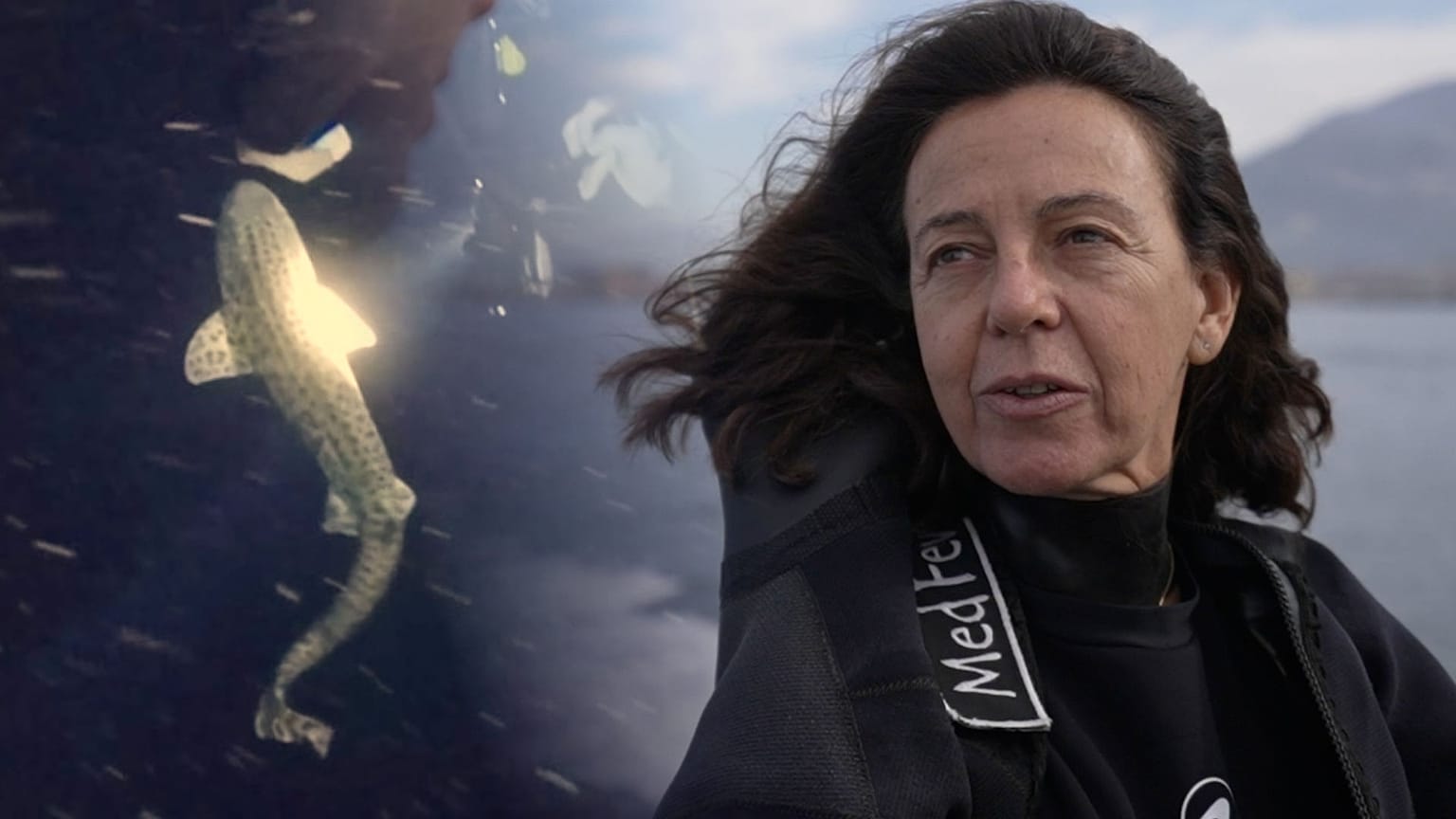
Sharks in Europe's seas are silently struggling to survive. We meet the researchers and volunteers working to change perspectives and protect marine life.
Ocean speaks to renowned marine journalist and author, Eleonora de Sabata, about how the LIFE European Sharks project is trying to conserve Europe's endangered sharks.
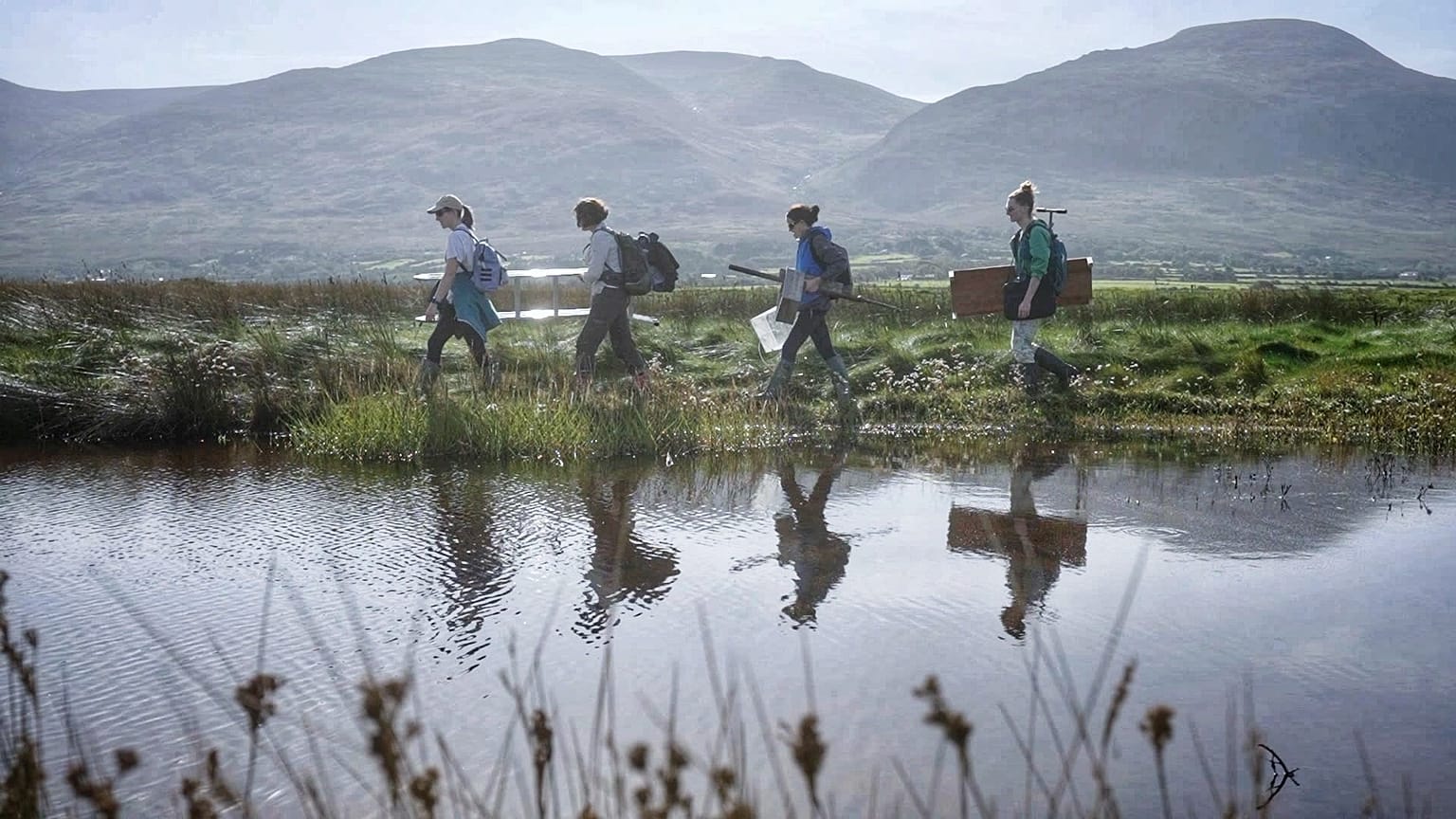
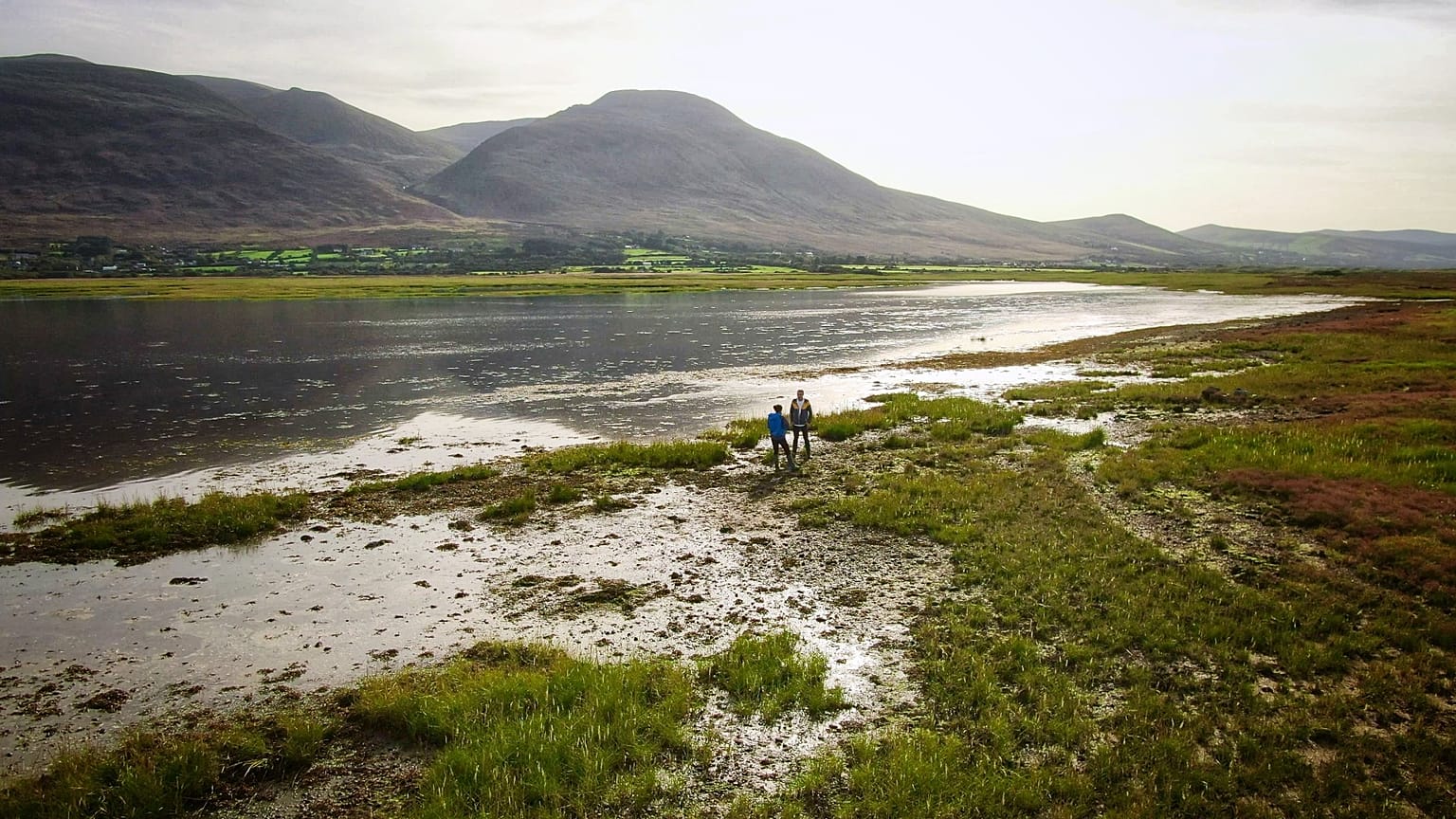
From Ireland's salt marshes to the Netherlands' peatlands and Italy's underwater seagrass; Ocean investigates whether Europe's coasts could hold the answer to our carbon questions.
Ocean speaks with Dr Grace Cott from the University College Dublin's Blue Carbon group and Andrea Fuchs, an environmental scientist about why coastal wetlands are more effective than tropical forests when it comes to fighting climate change.
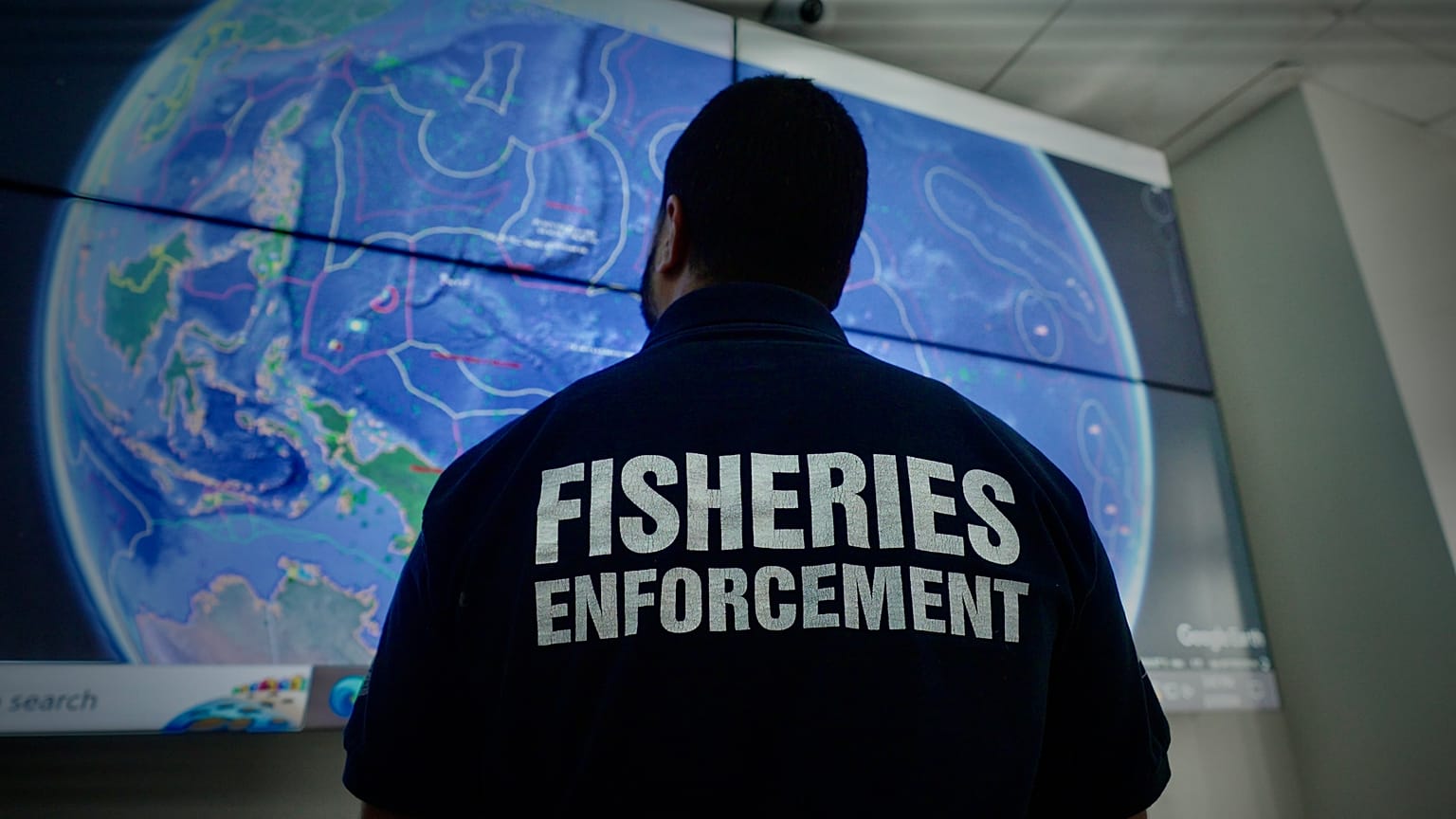
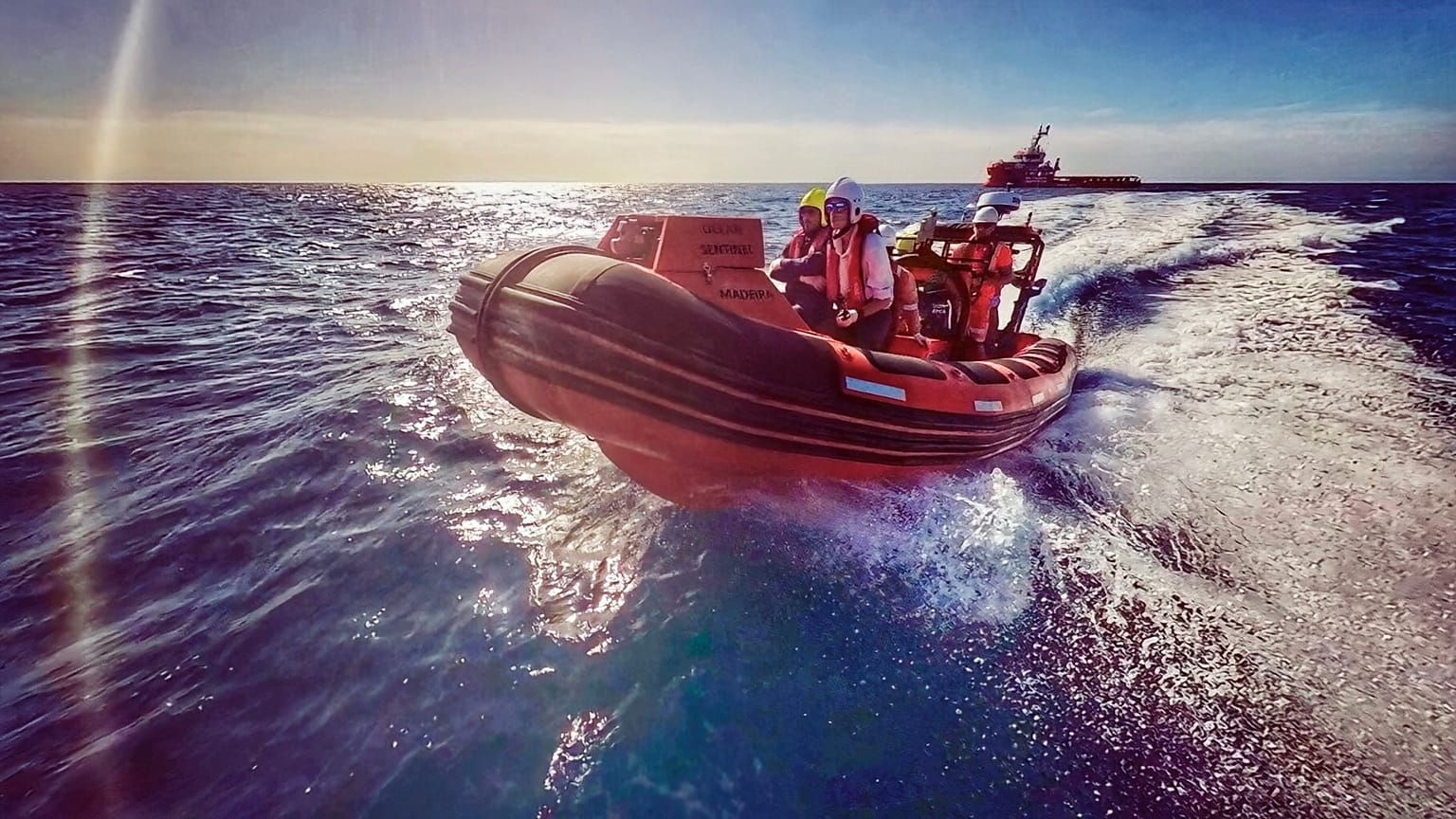
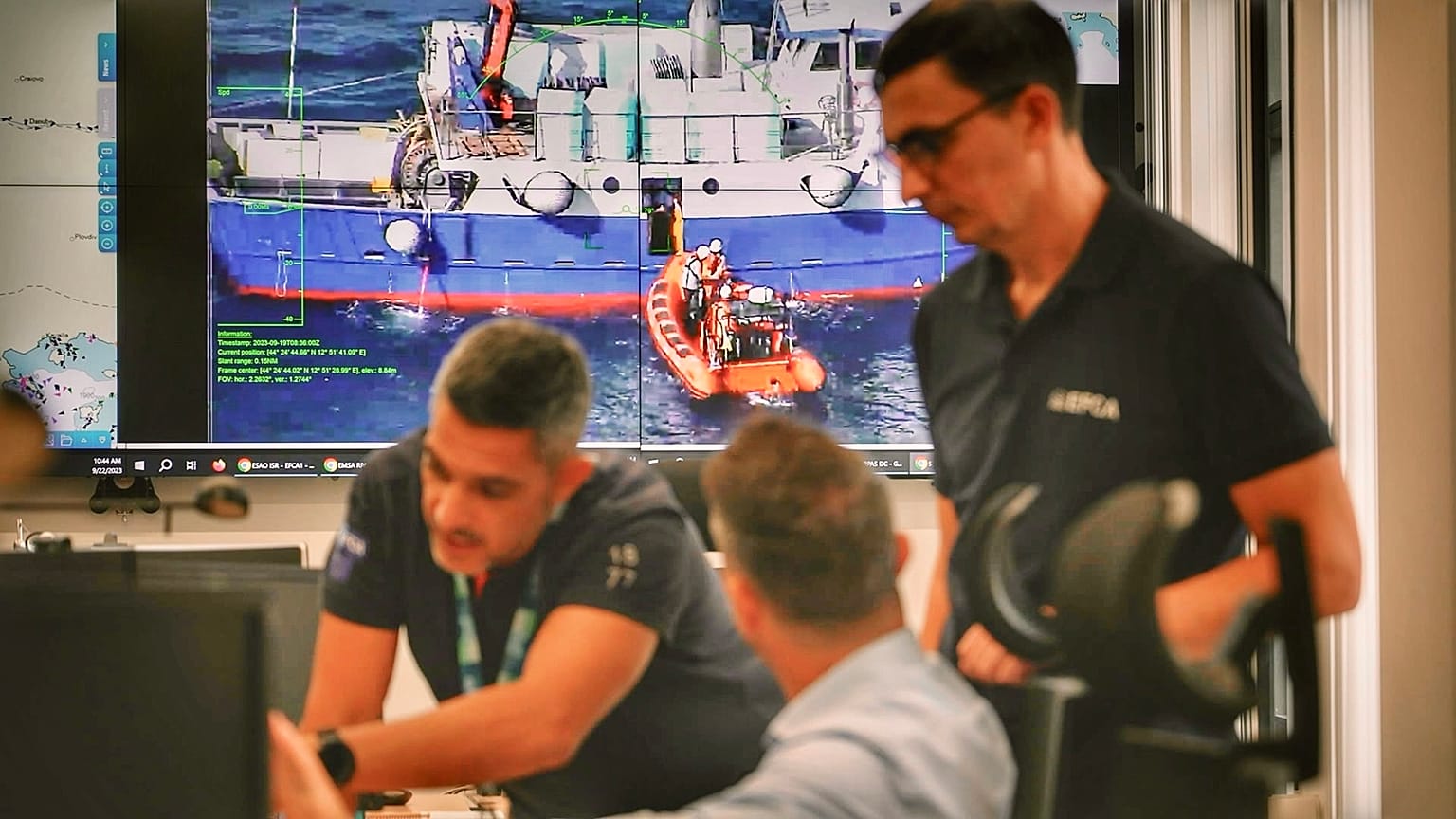
In this episode of Ocean, we step on board the Ocean Sentinel patrol vessel to see first-hand how EU member states and agencies are working together to enforce fishing regulations in the Adriatic Sea.
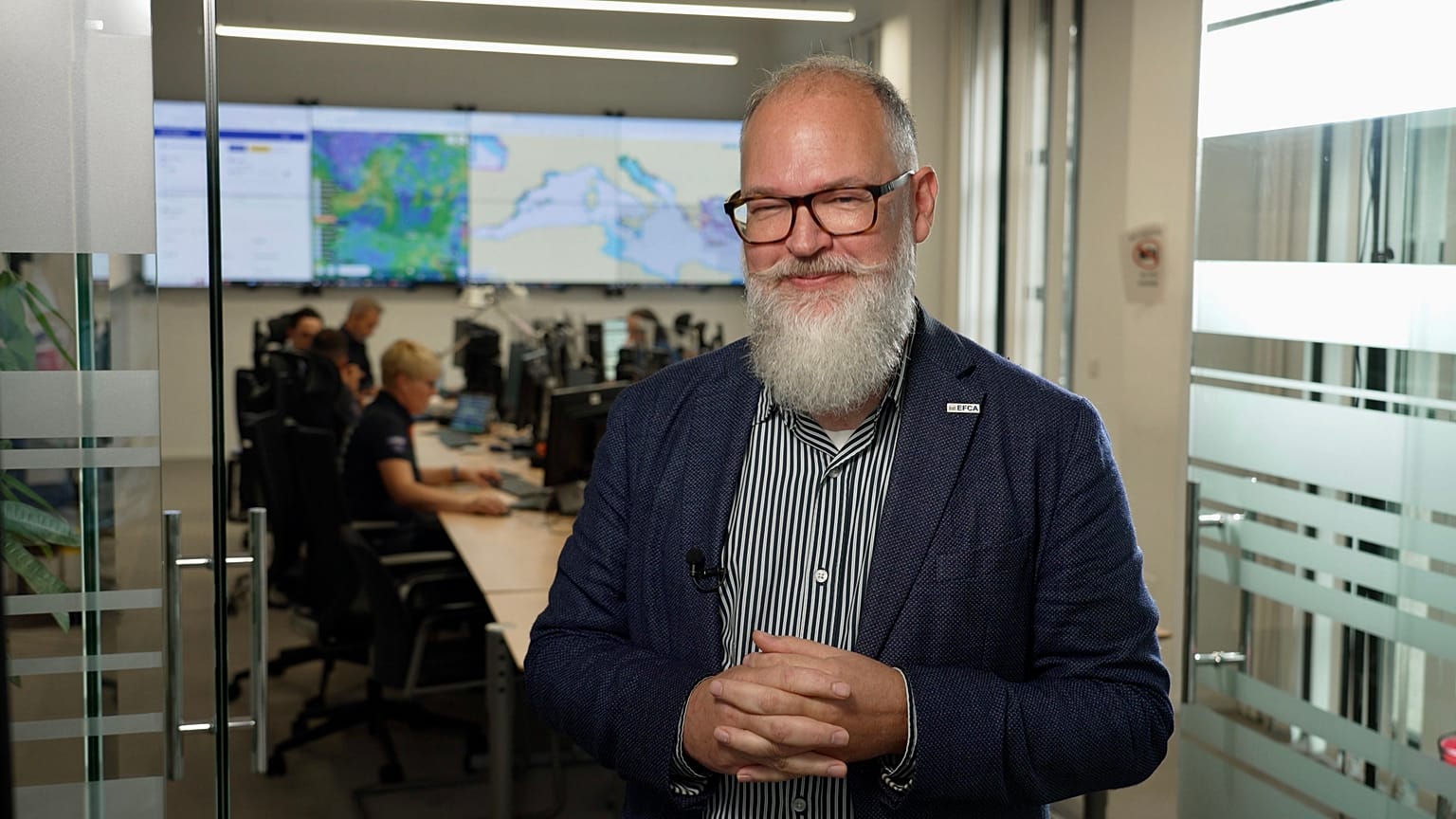
Ocean spoke with the Executive Director of the European Fisheries Control Agency (EFCA), Dr Susan Steele, to discuss the practical value of interagency collaboration across multiple water zones.
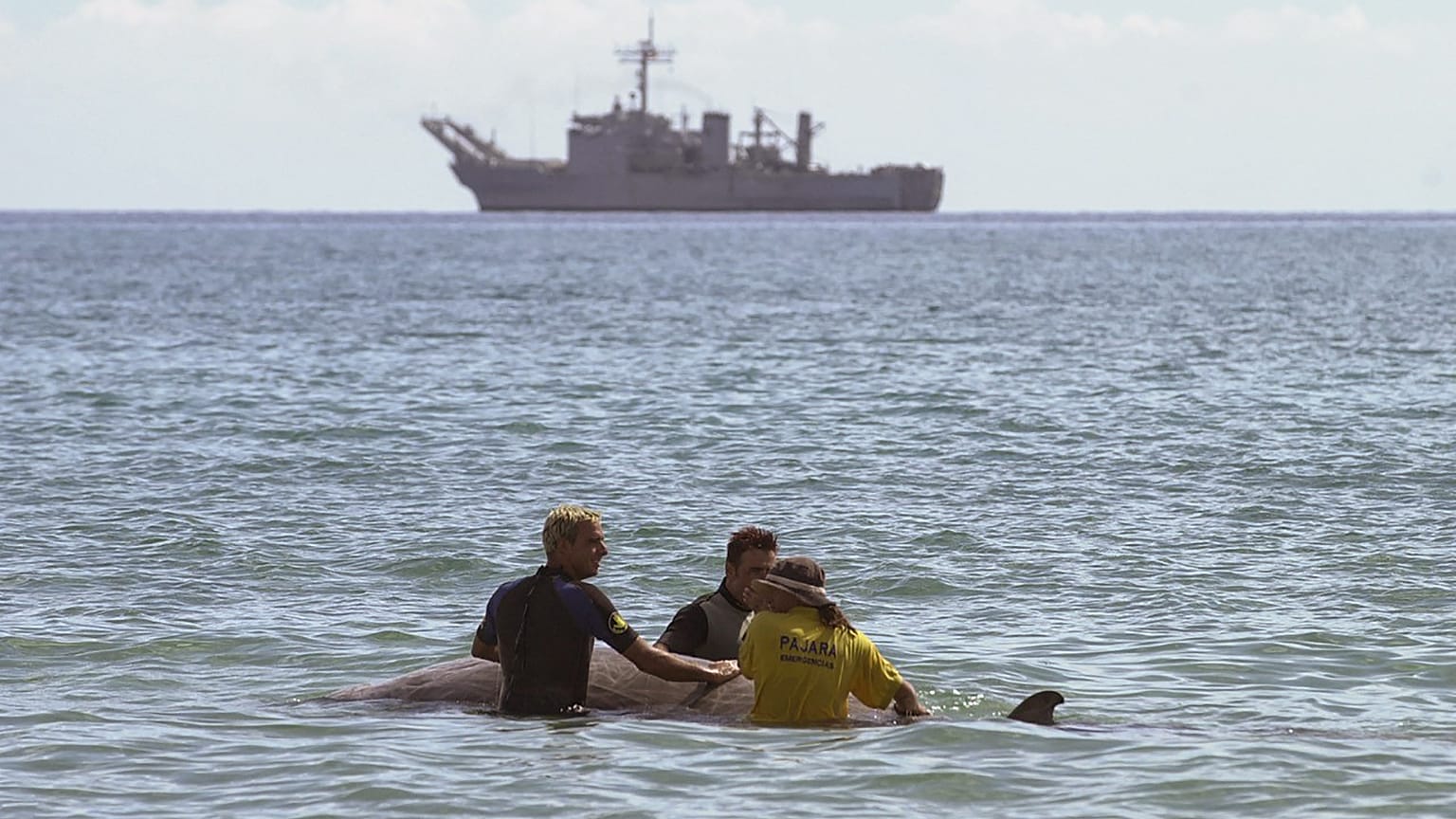
Noise pollution in our oceans is increasing. To investigate its consequences and possible solutions, we go back in time to September 2002, when a tragic event changed underwater noise research forever.
Watch our report by clicking on the video above.
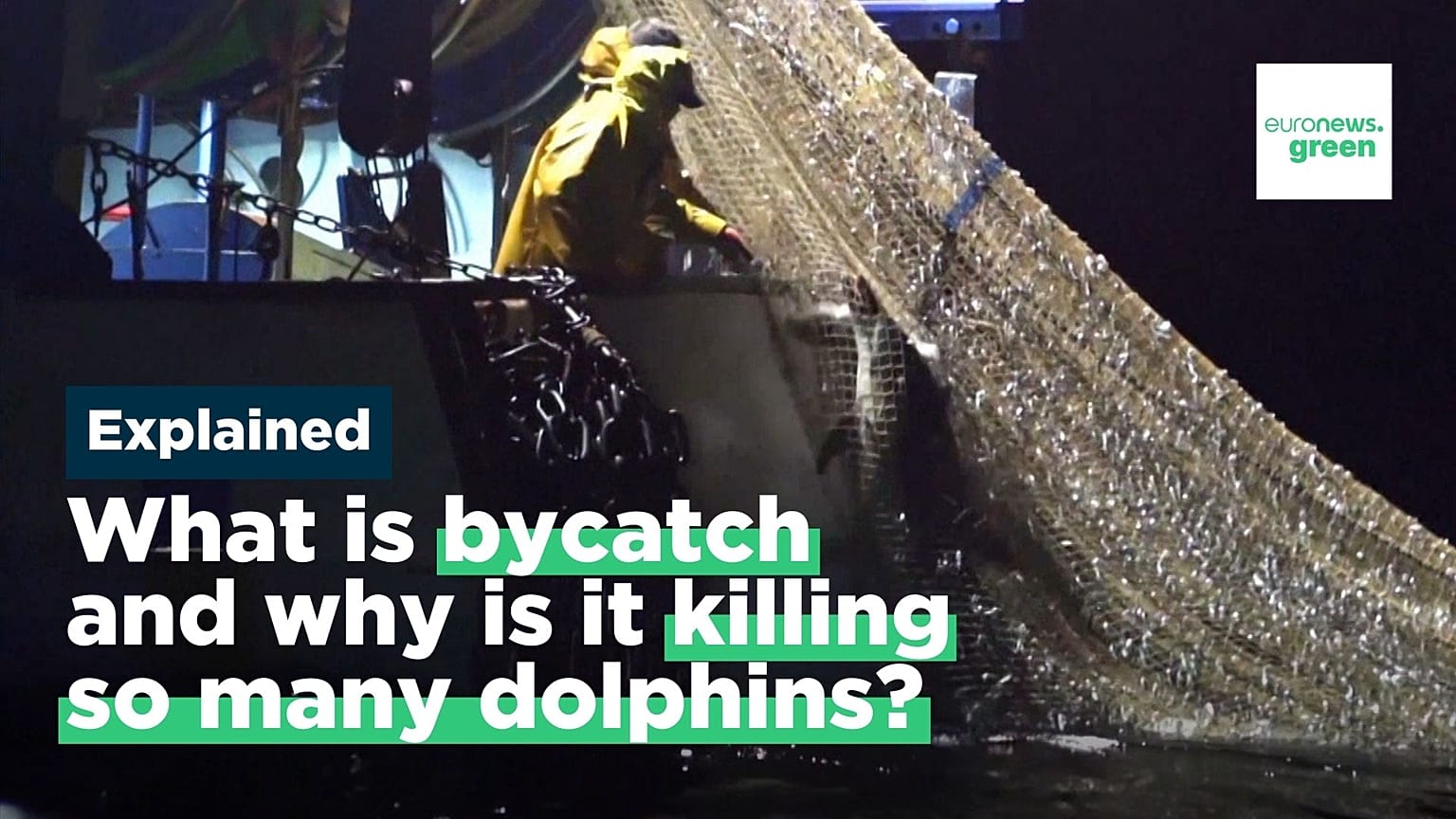
Fishers accidentally catch many animals such as sharks, birds, whales and turtles. In the Bay of Biscay, it’s mainly dolphins that get caught in nets, and once they get entangled, they have little chance of surviving.
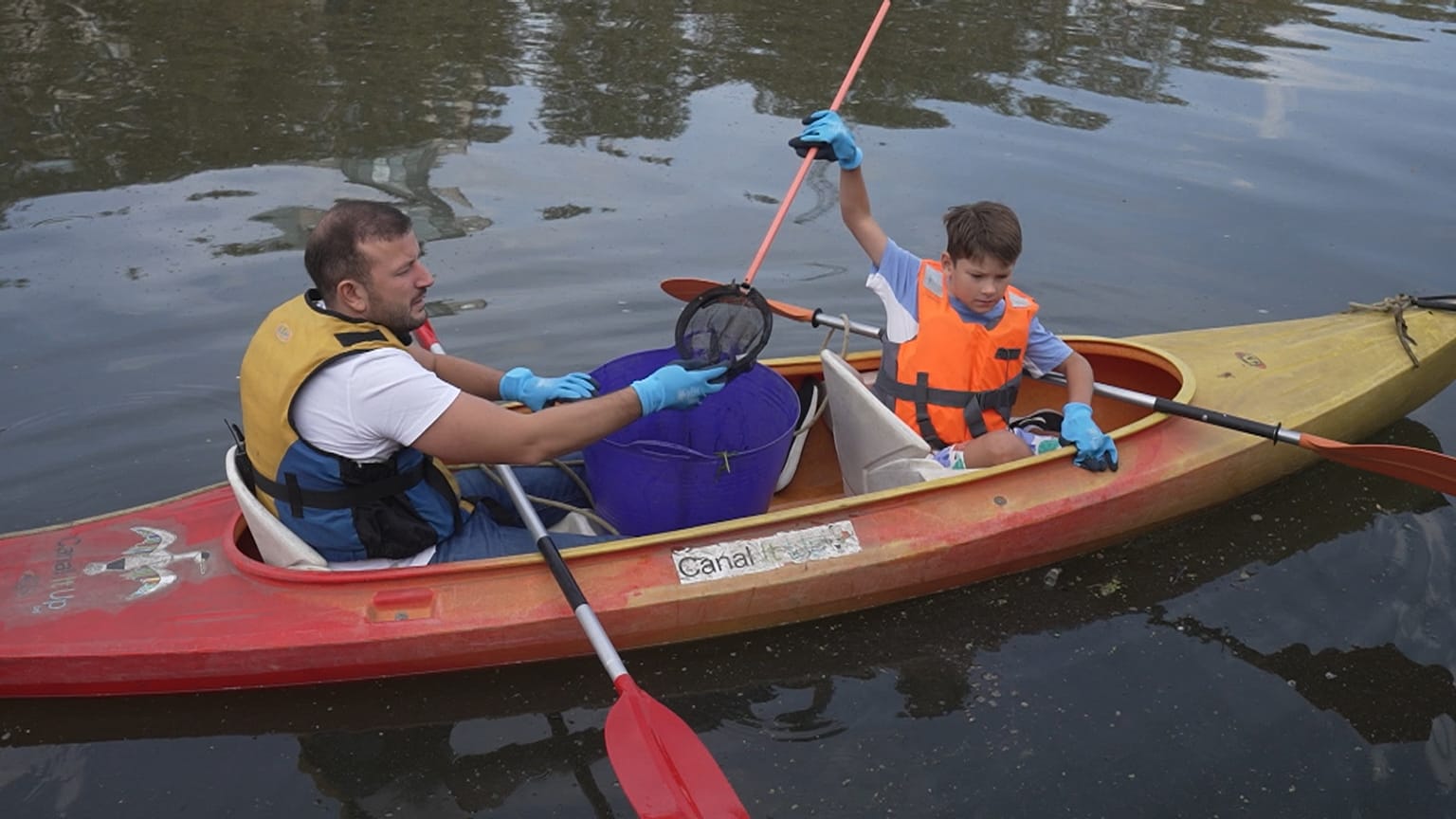
80% of ocean plastic pollution comes from rivers and canals carrying urban litter into the seas. We speak to the teams and volunteers leading the fight against Europe's plastic problem.
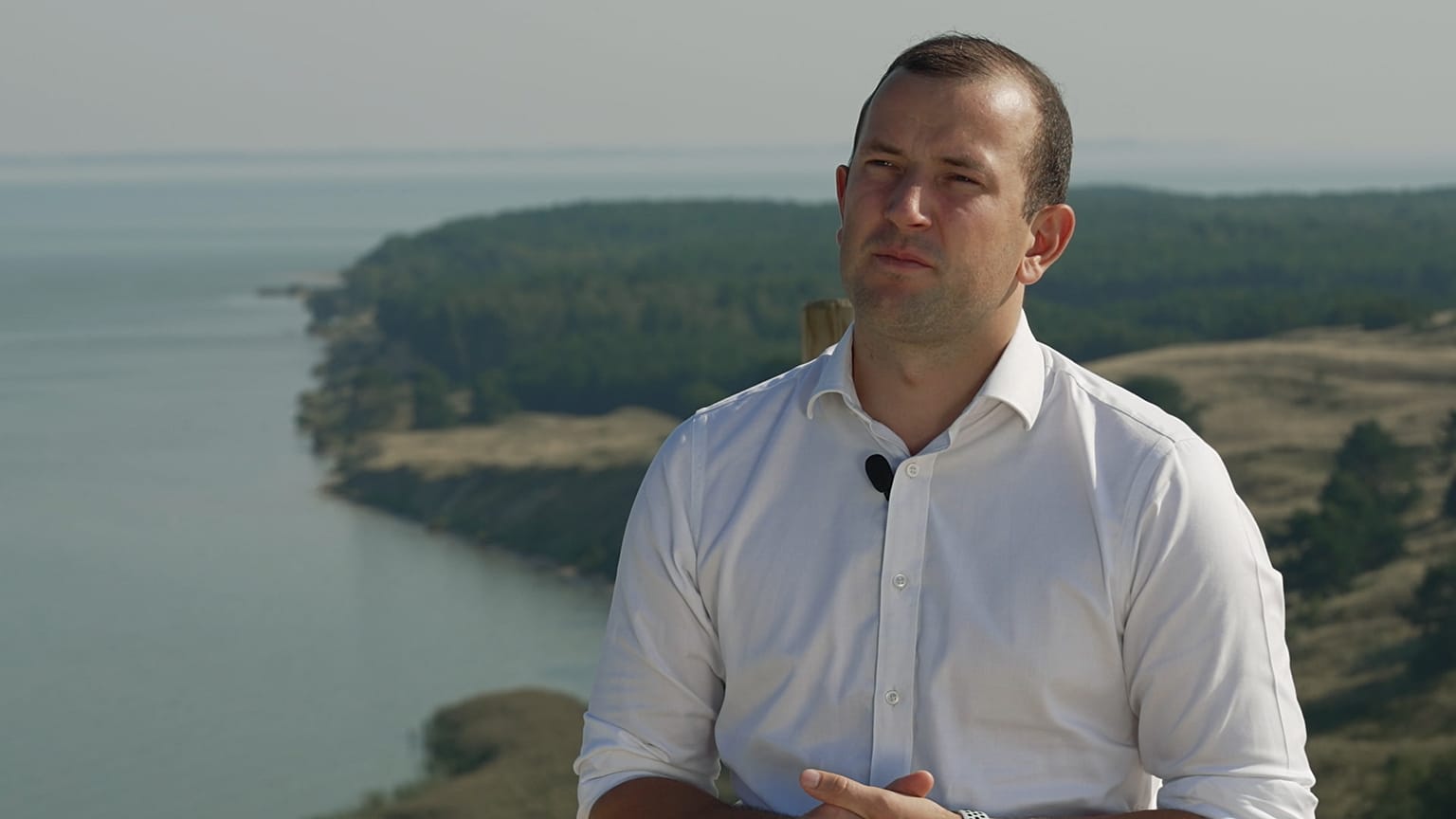
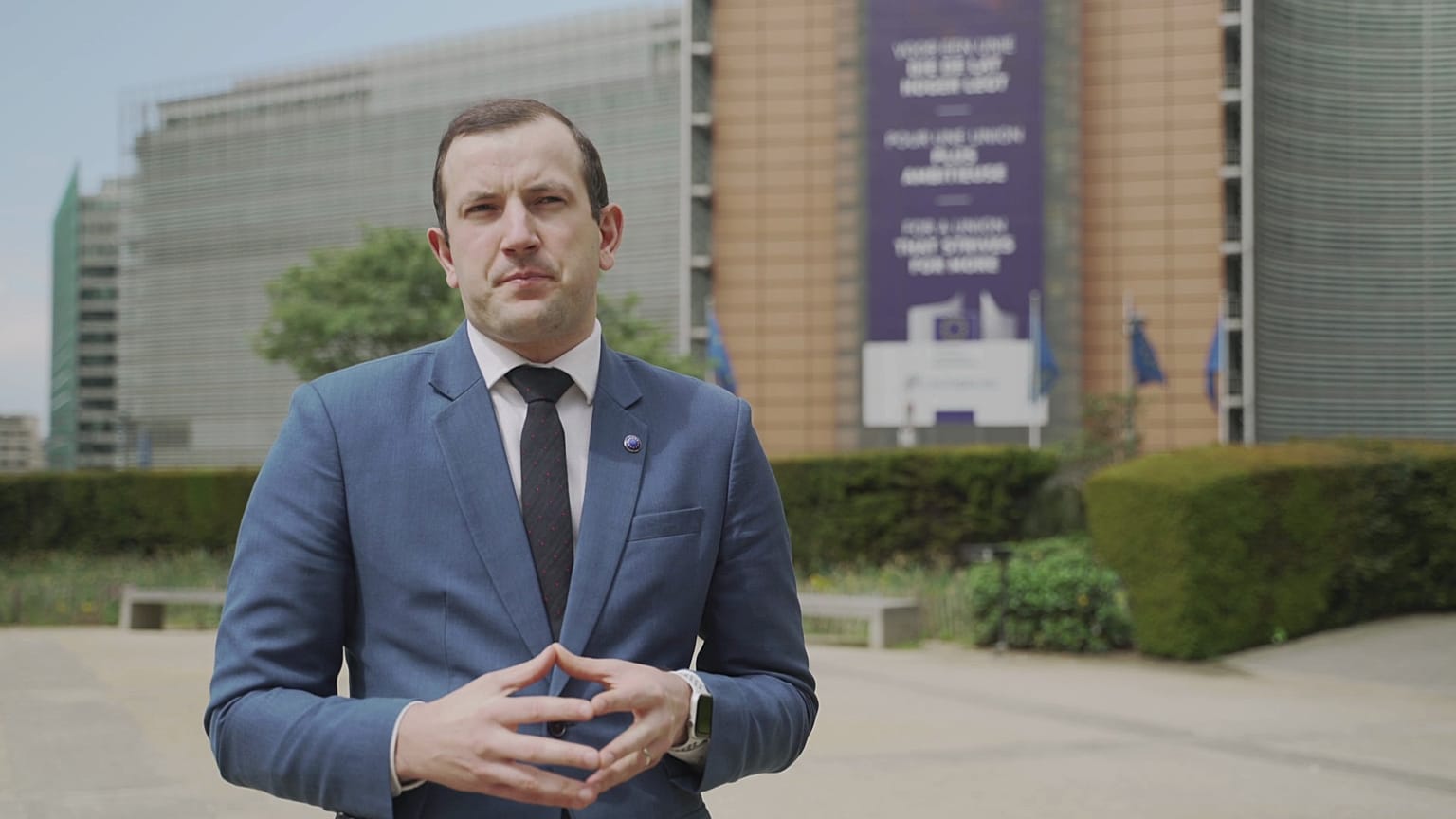
Ocean talks with Virginijus Sinkevičius, the European Commissioner for the Environment, Oceans and Fisheries about single-use plastics, changing individual behaviours, and the importance of businesses being on board.
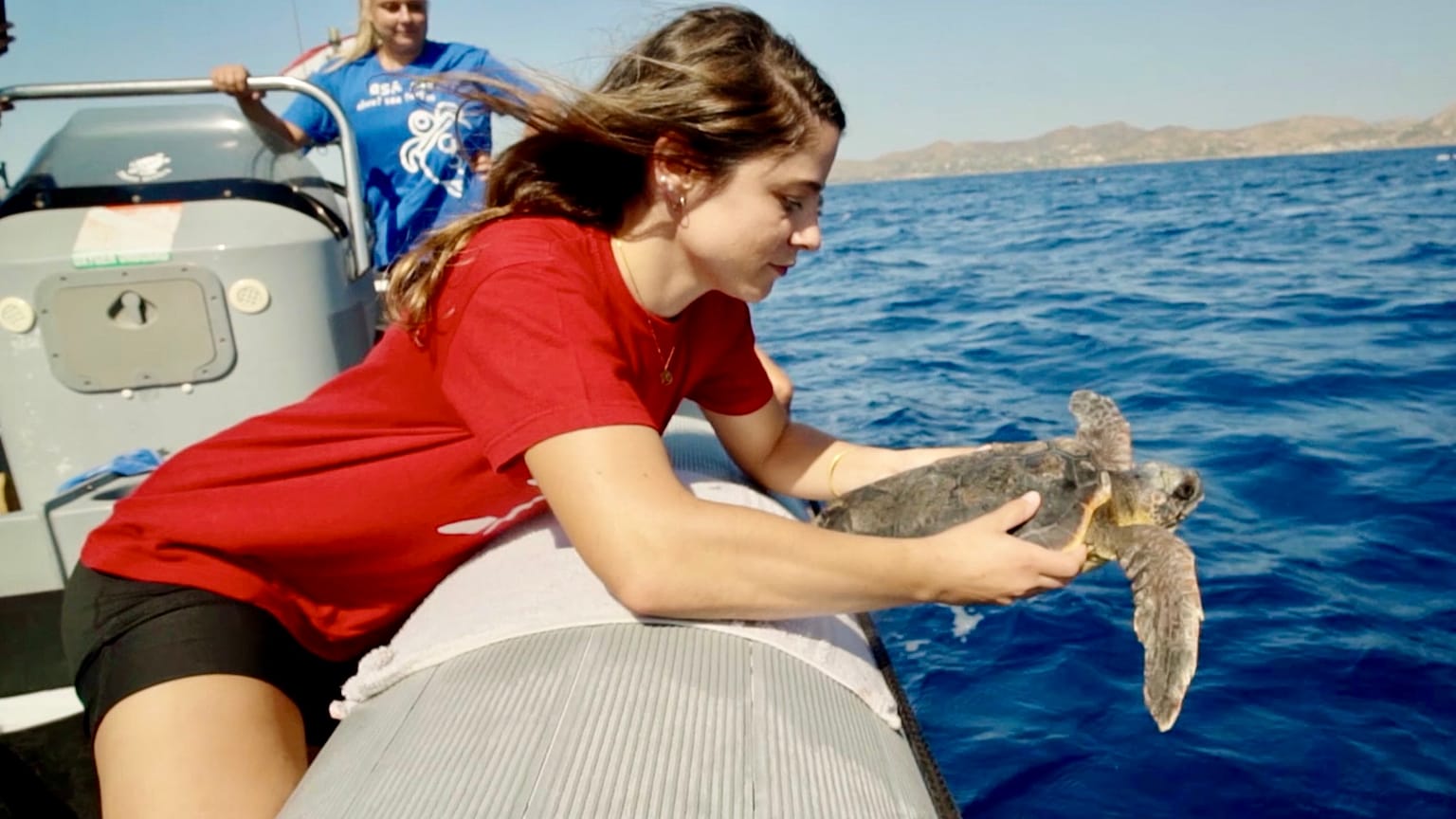
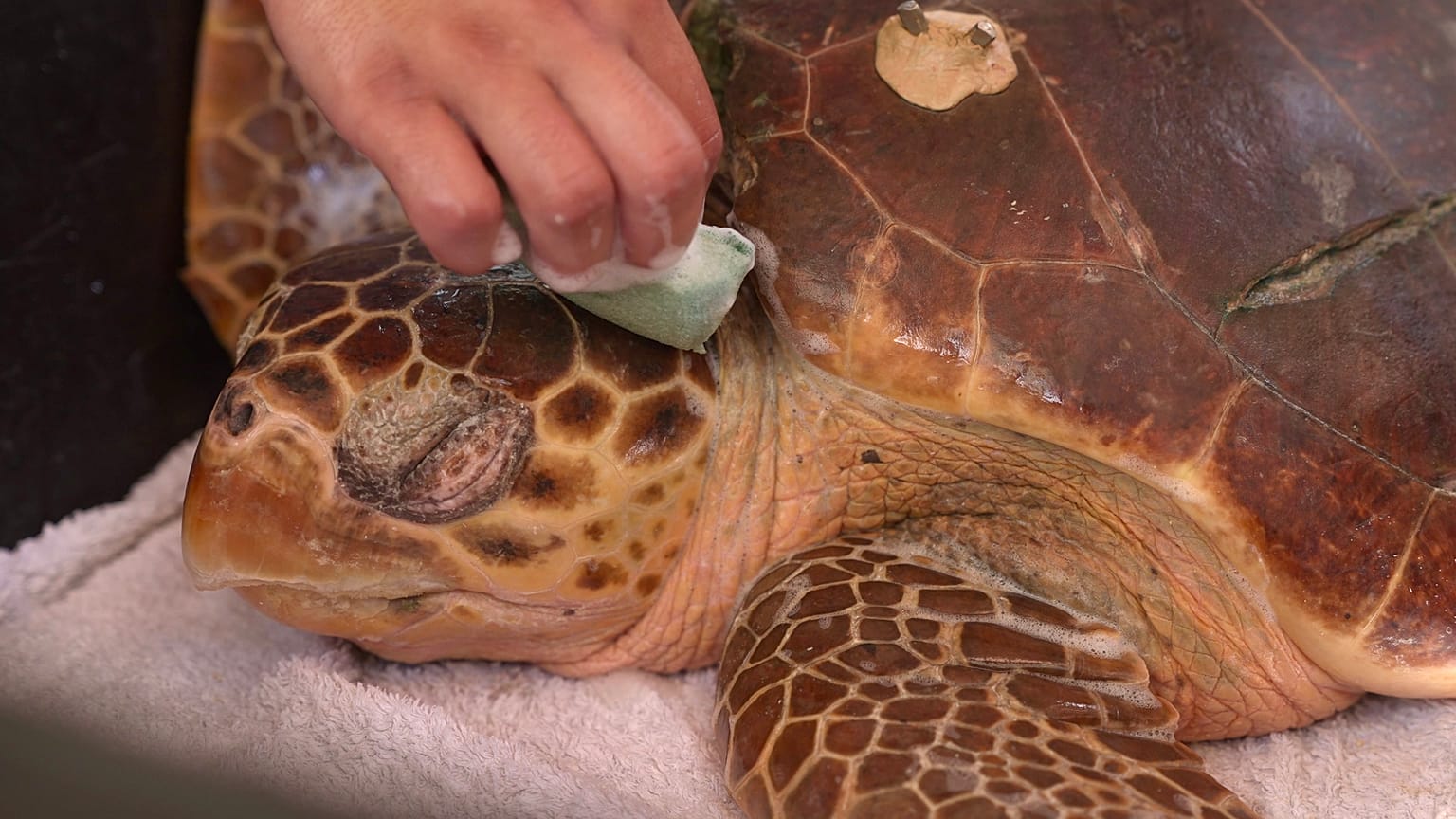
Sea turtles and dolphins are protected species, yet they remain under threat. "Ocean" travels to Greece and Italy to meet activists and volunteers who work tirelessly to save these animal lives.
Sea turtles are one of a number of slow-growing and long-living marine species whose survival is steadily being threatened. Since 1983, the Greek non-profit organisation ARCHELON has been working hard to help these animals. In Glyfada, we spoke with ARCHELON's Eirini Kasimati.
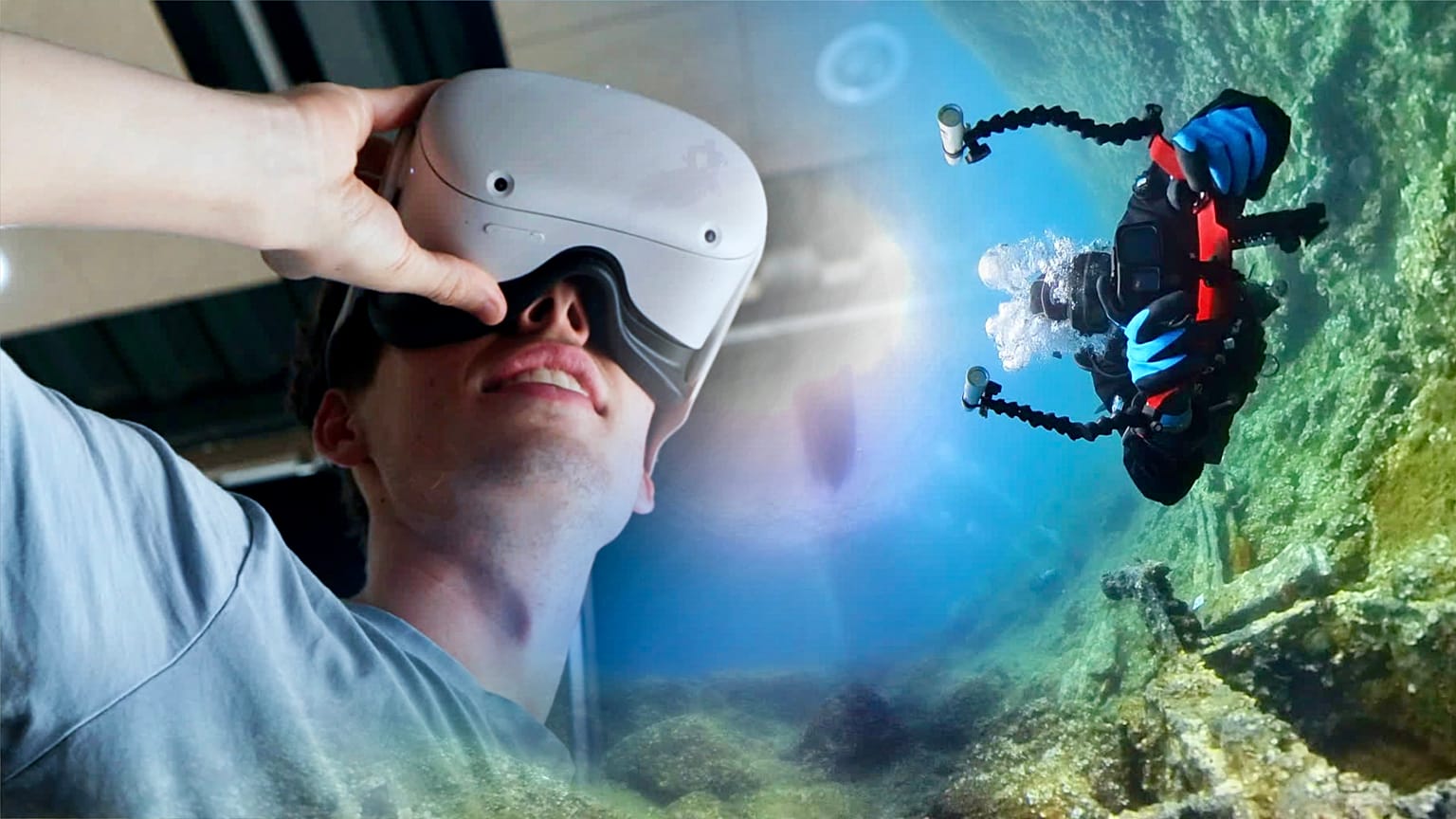
From 3D models to virtual reality headsets and android robots, Ocean takes a deep dive into European projects using technology to forge a stronger connection between the public and our underwater cultural heritage.
Ocean speaks with Fabio Bruno, the coordinator of the European CREAMARE project, which uses interactive multimedia technologies to bring underwater cultural heritage to life.
The deep blue is alive with sound but human acoustic interference is disrupting this vibrant ecosystem. Euronews spoke with some of the scientists aiming to address noise pollution in our waters.
From powering our homes to connecting us with the world, marine infrastructure has become the backbone of our modern economy. But how secure are these vital systems?
Christian Bueger, a Professor of International Relations at the University of Copenhagen, explains the challenge Europe faces in ensuring the safety of its offshore critical infrastructure.
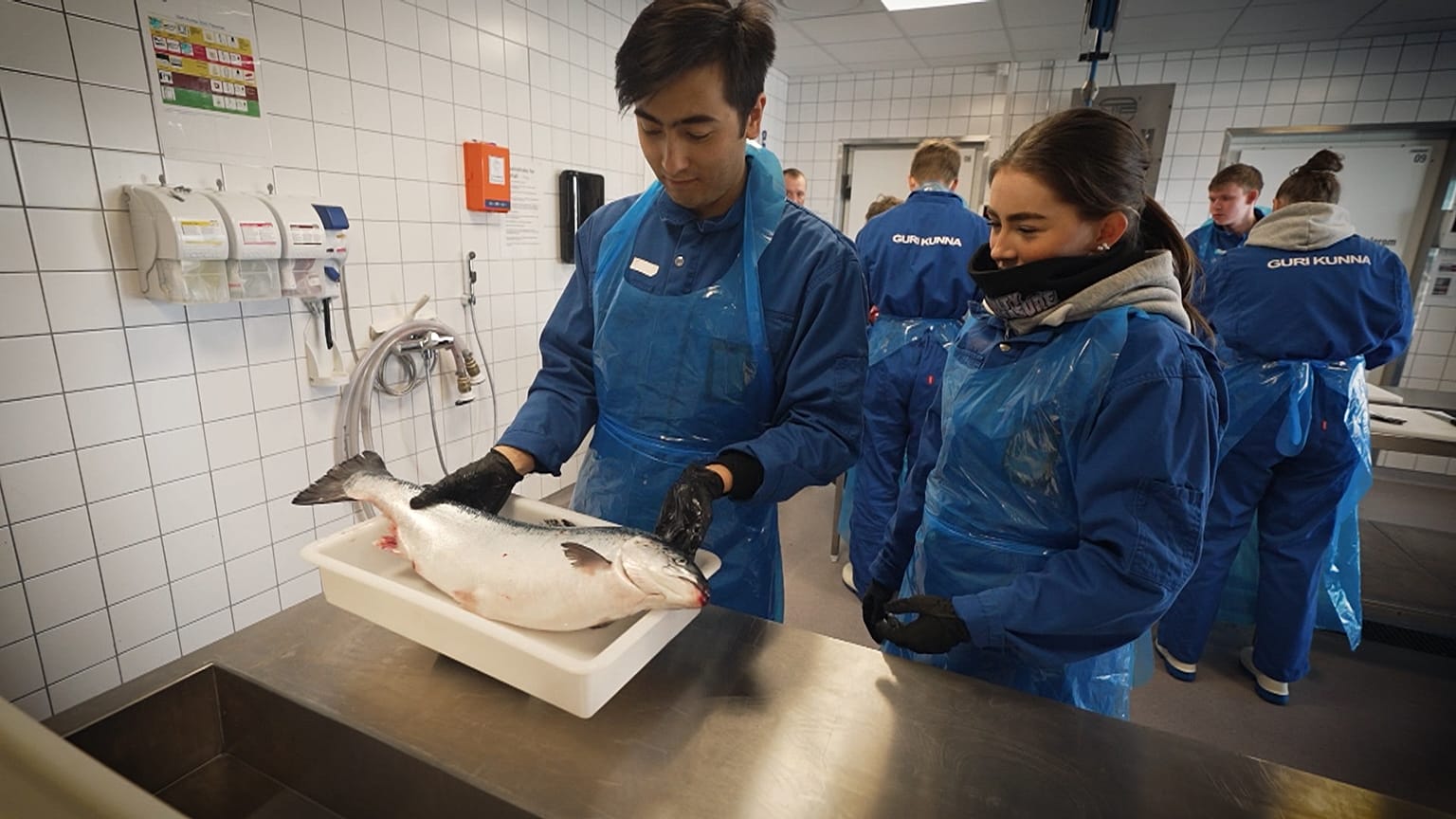
In this latest episode of Ocean, we explore how schools and industry are working closely together to ensure Europe's maritime sector is better prepared for the challenges ahead.
Euronews speaks with Elisabeth Nordin, the Communication Advisor at Blått Kompetansenter working on the EU-supported BRIDGES project, which focuses on improving aquaculture education and training in the Nordic countries.
A study in Catalonia investigates the healing power of the coastal environment — but if marine ecosystems are not preserved, their benefits to human health can turn into hazards.
Researchers in Europe hope that these microscopic organisms, which are invisible to the human eye, could help fight plastic waste and support greener agriculture.
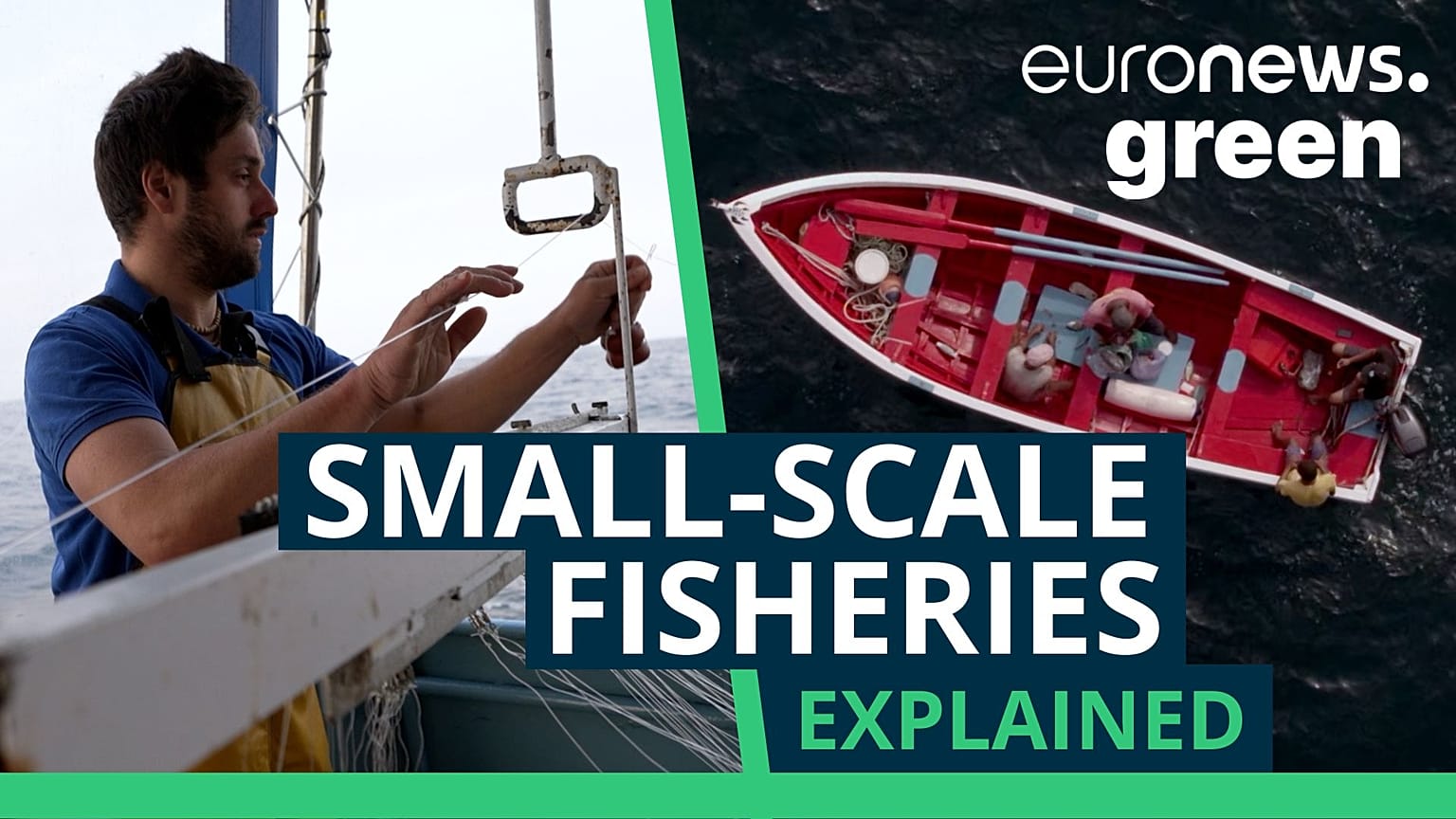
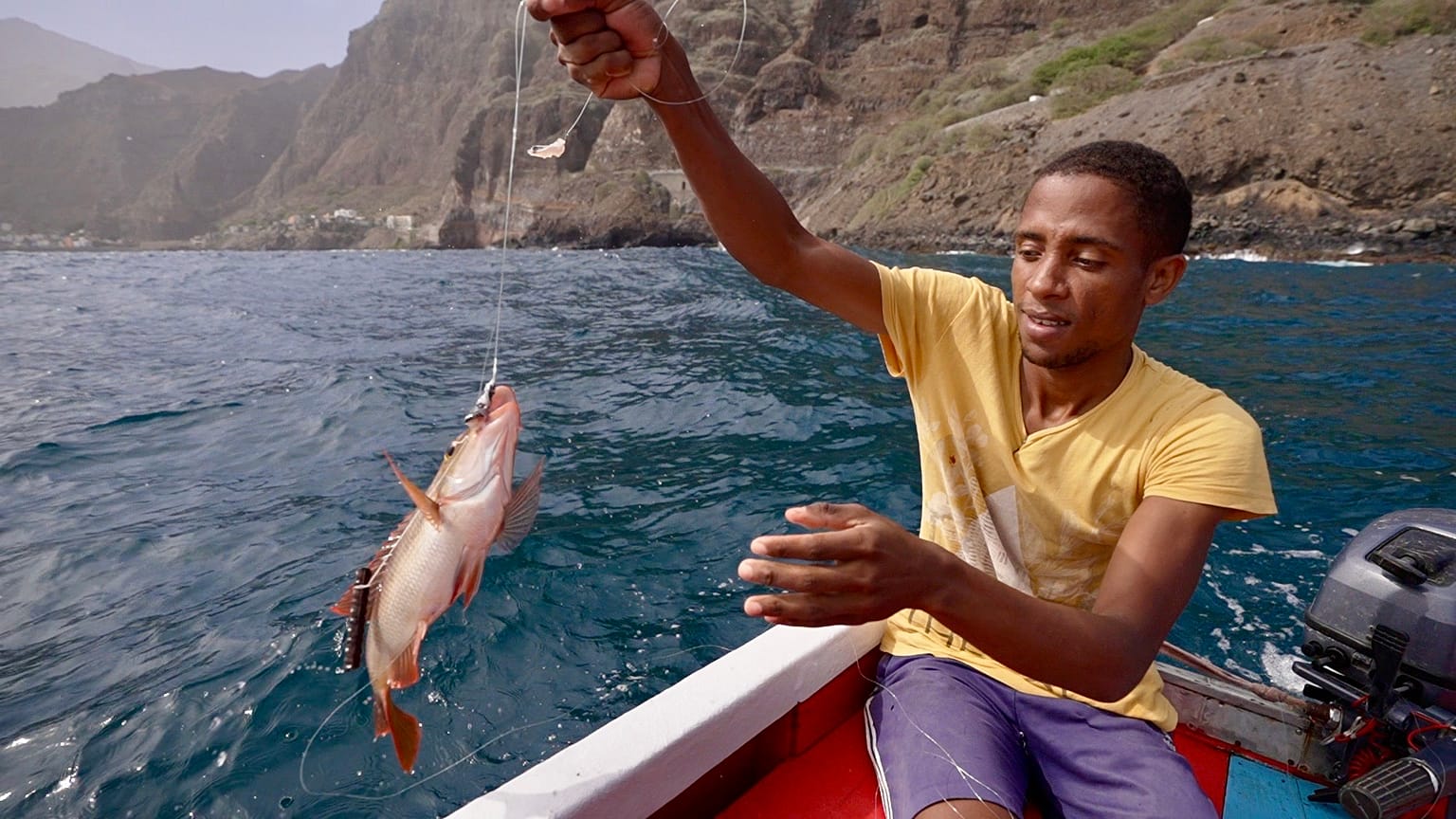
Small-scale fisheries provide food and employment to millions of people all over the world.
But today the profession is at risk. Climate change, pollution and overfishing have caused catches to decrease.
And as fishers leave the profession, entire communities are affected.
Small-scale fishers often have limited access to social protection programmes and financial services — and their catch is not always adequately monitored.
Farmed sea lettuce, called Ulva, algae, and Spirulina are all part of what is being described as a "blue revolution". They all possess many health benefits and are eco-friendly to produce. Making them nutritious, tasty, and good for the planet.
Farming seaweed species like sugar kelp or sea lettuce can provide more healthy and nutritious food for the planet's growing population, while simultaneously absorbing CO2. It can also help keep the sea clean and create new fish habitats
The sinking of the oil tanker "Erika" off the French coast in 1999 is known as one of France's worst environmental catastrophes. Following the disaster, the E.U established the European Maritime Safety Agency which operates the vessel traffic monitoring system, SafeSeaNet. How does it protect us?
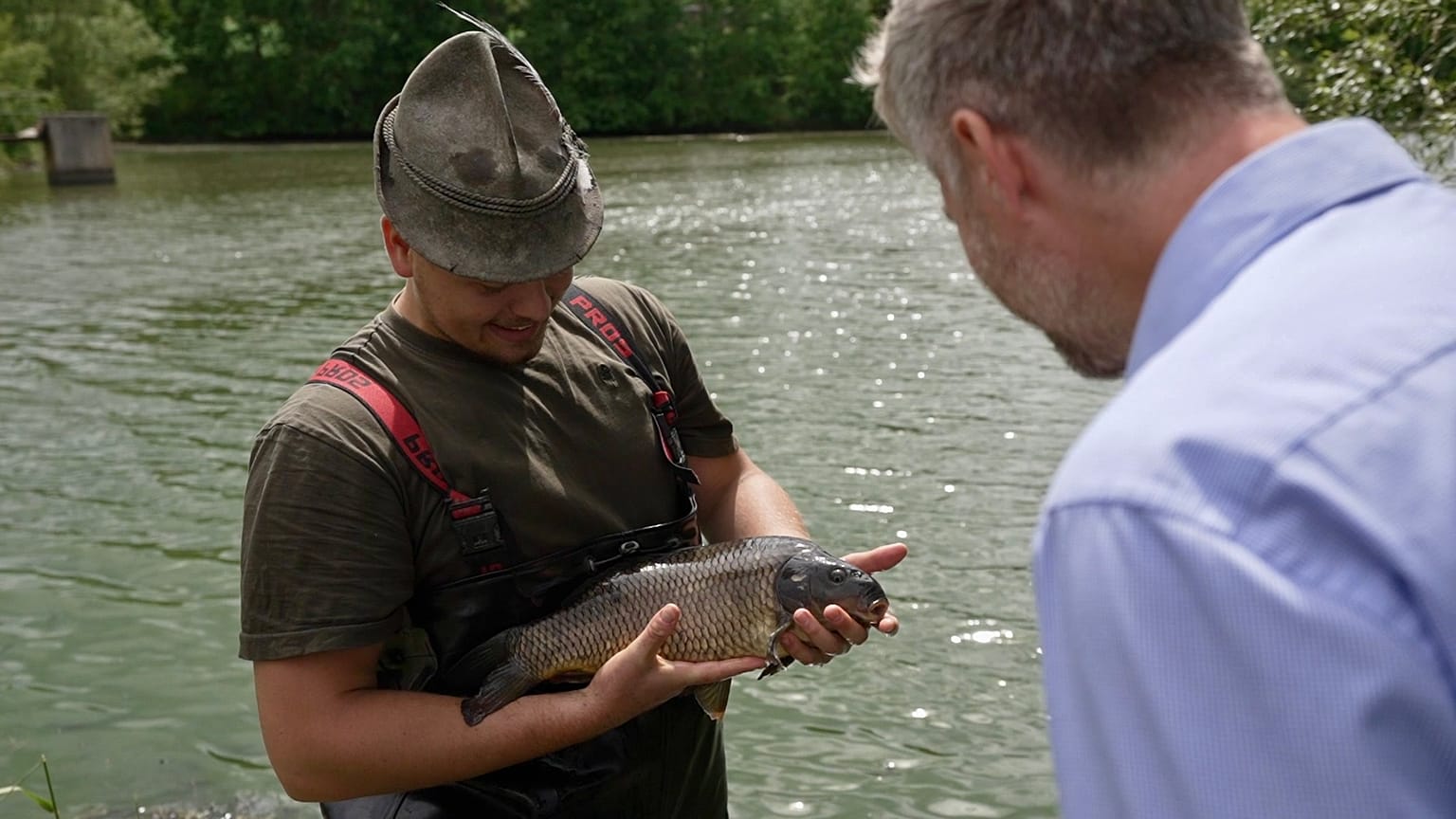
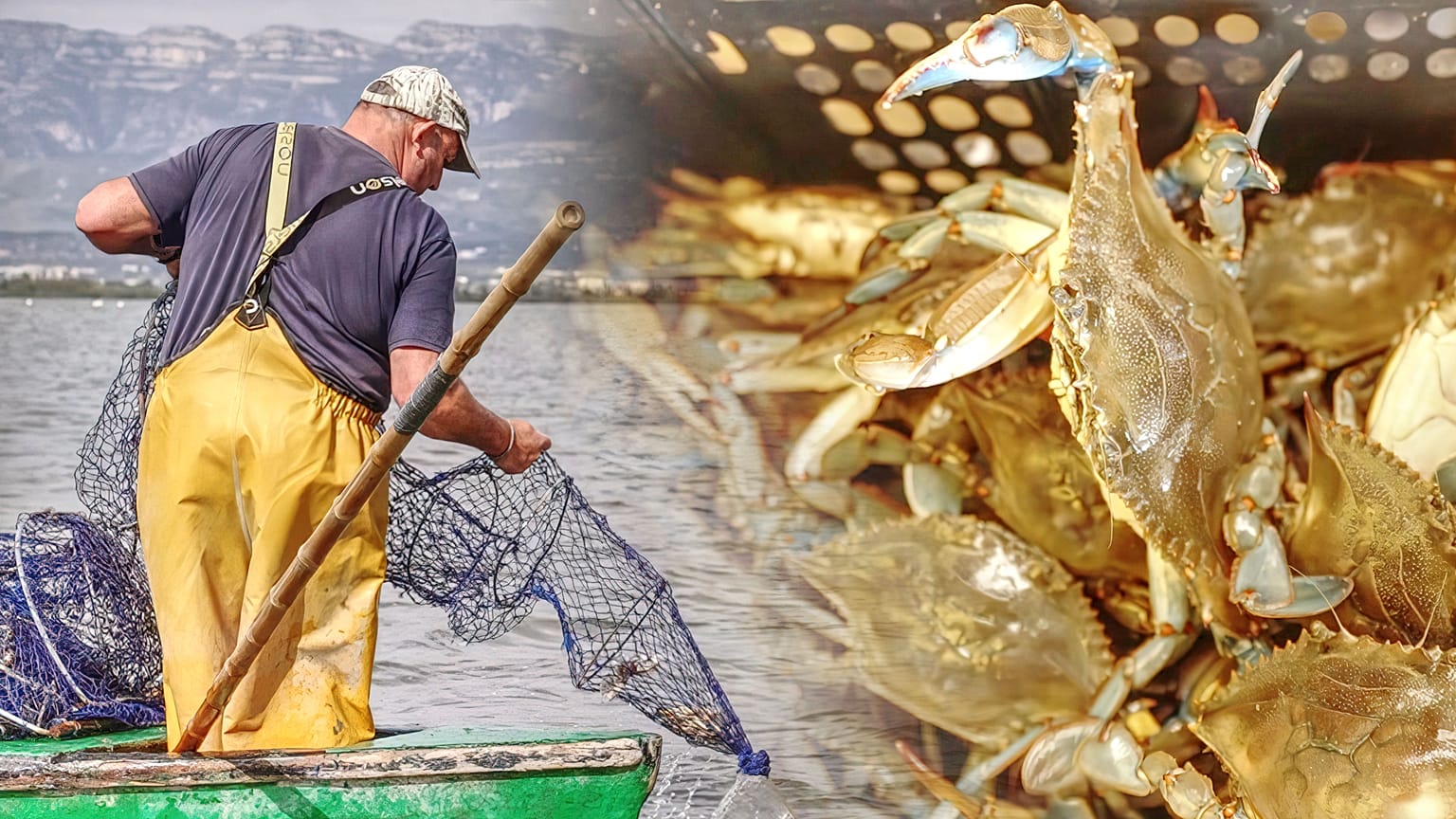
Professional fishers and fish farmers in parts of Spain and the Czech Republic are going about their business in a way that is both eco-friendly and able to earn them a living.
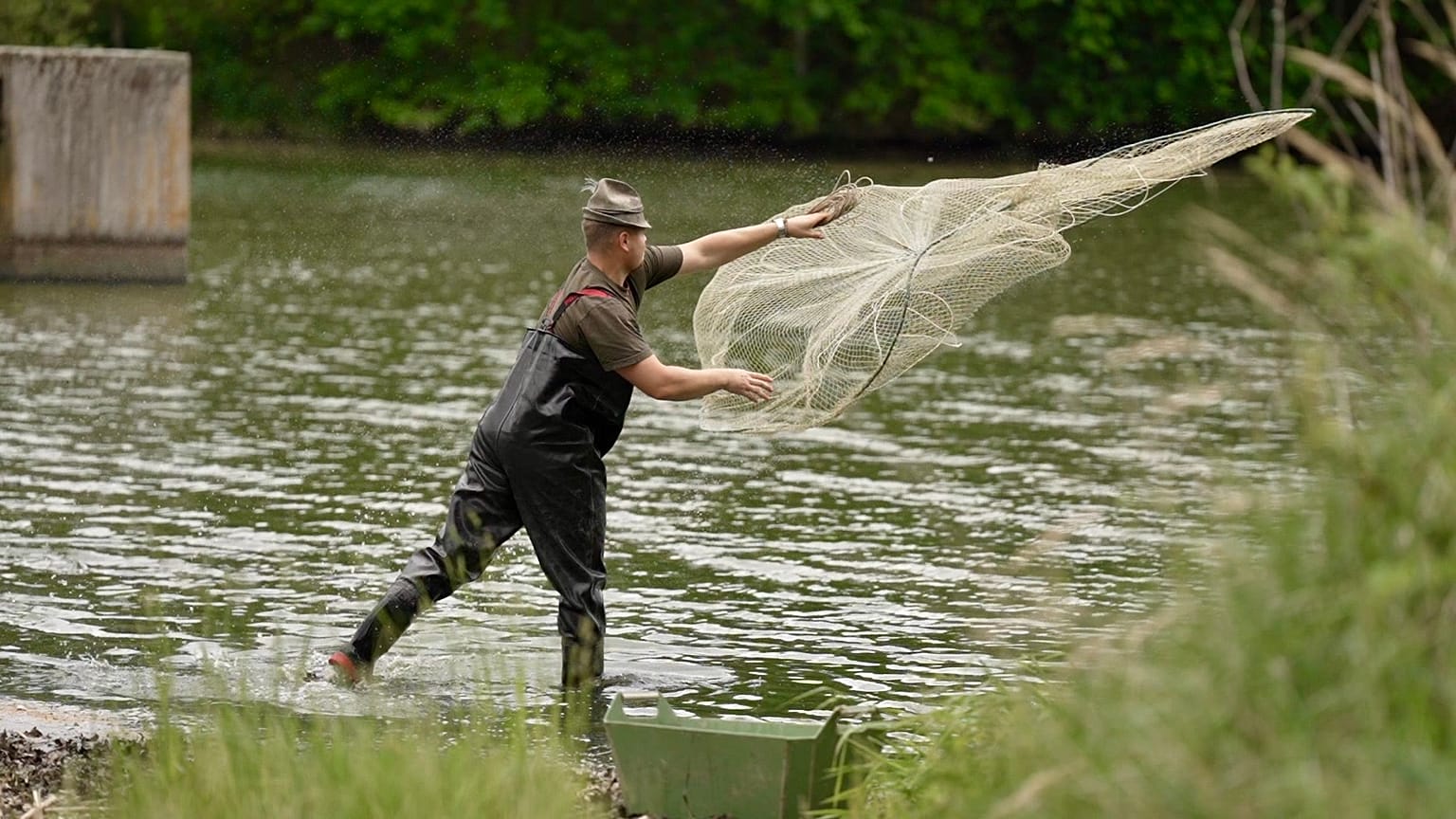
A traditional form of aquaculture practiced aross the European Union for centuries is beneficial to the environment, biodiversity, and local communities
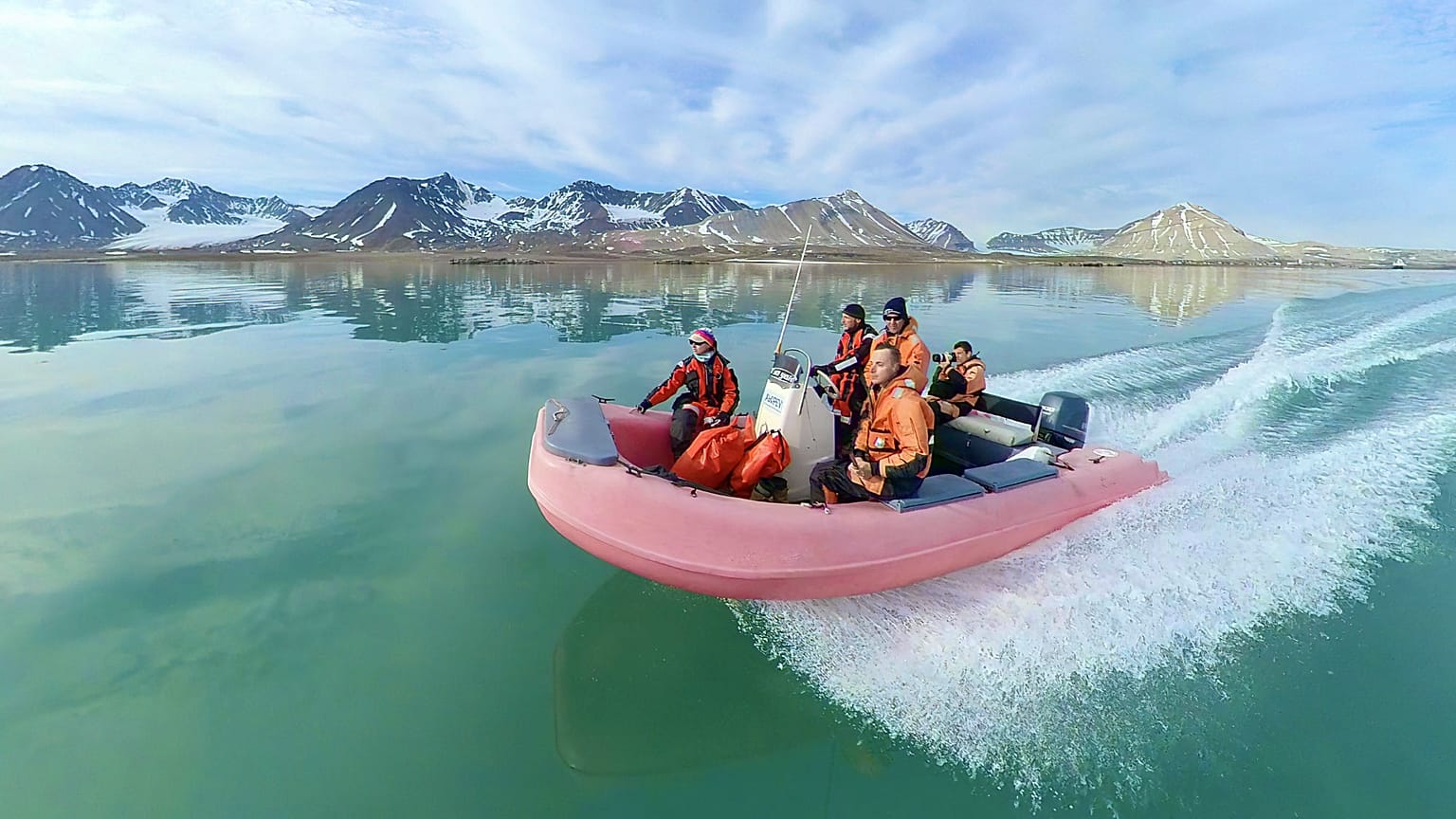
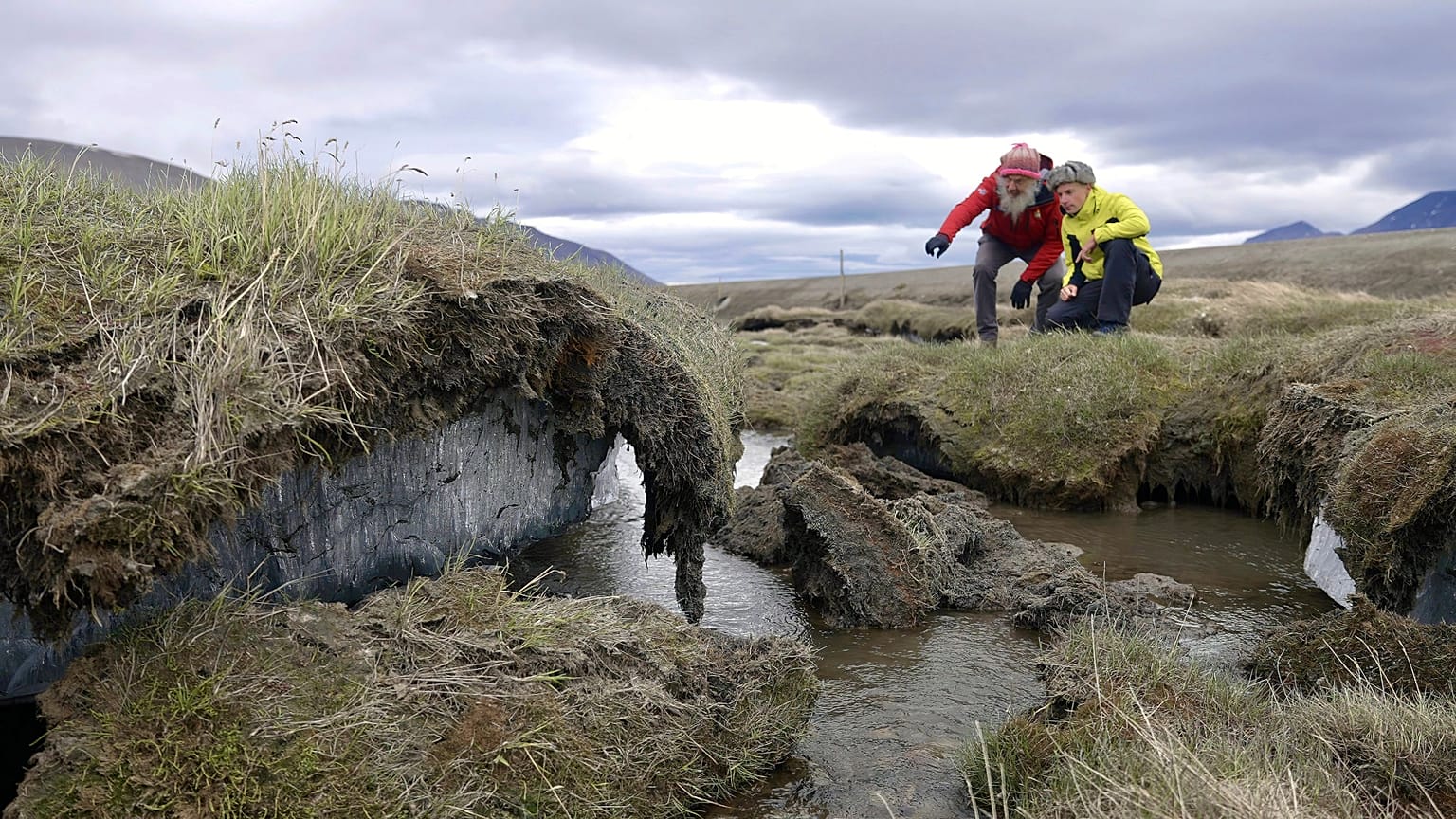
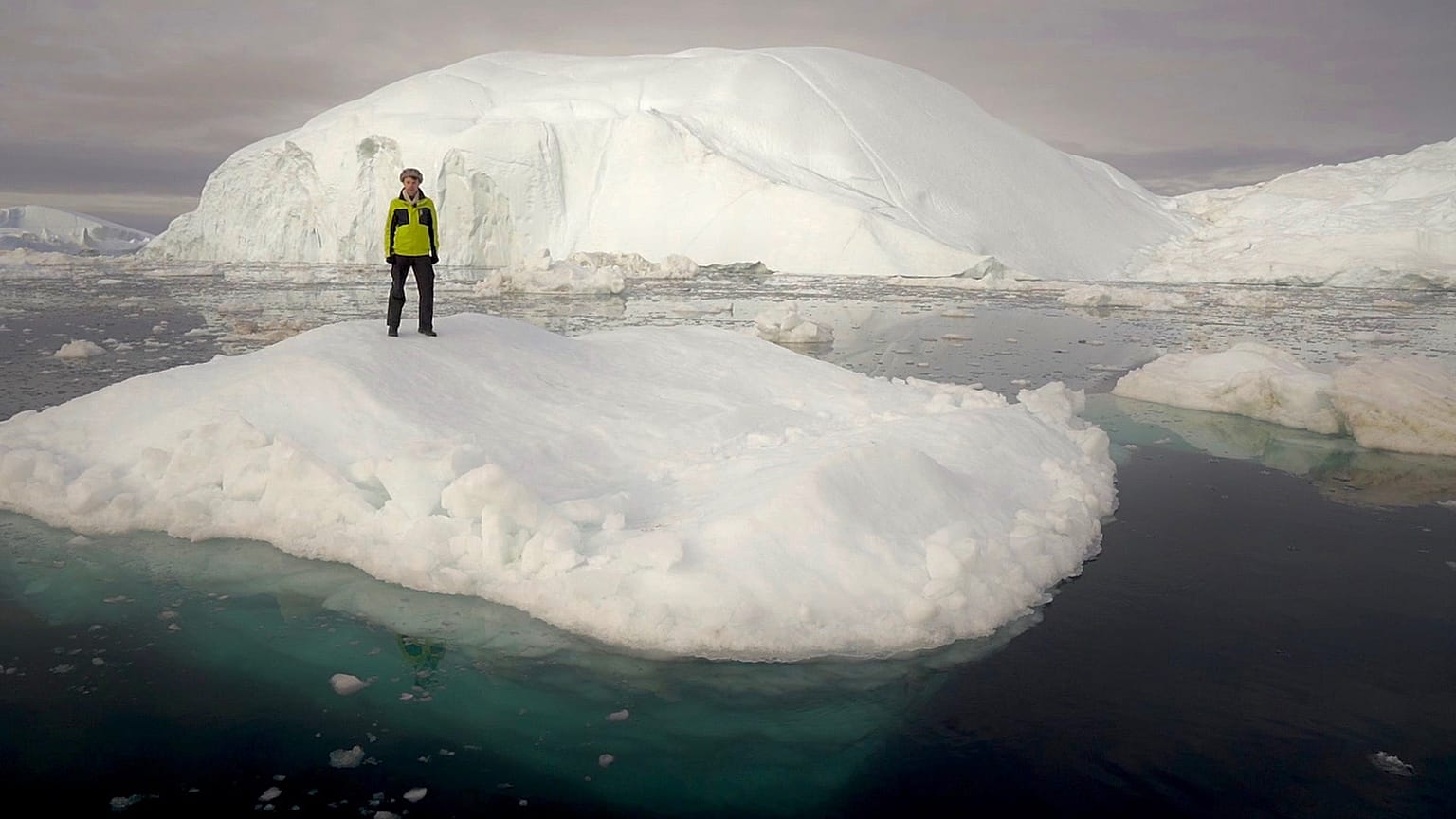
The Arctic is warming faster than any other place on the planet, while its wildlife is being slowly poisoned by industrial toxins. Ocean travels to the Norwegian archipelago of Svalbard to meet the scientists studying the environmental change taking place in the region.
The ample fish stocks of the Western Indian Ocean provide livelihoods to coastal communities. But this hard-to-control area has become a hotspot for illegal fishing that's now endangering the marine ecosystem.
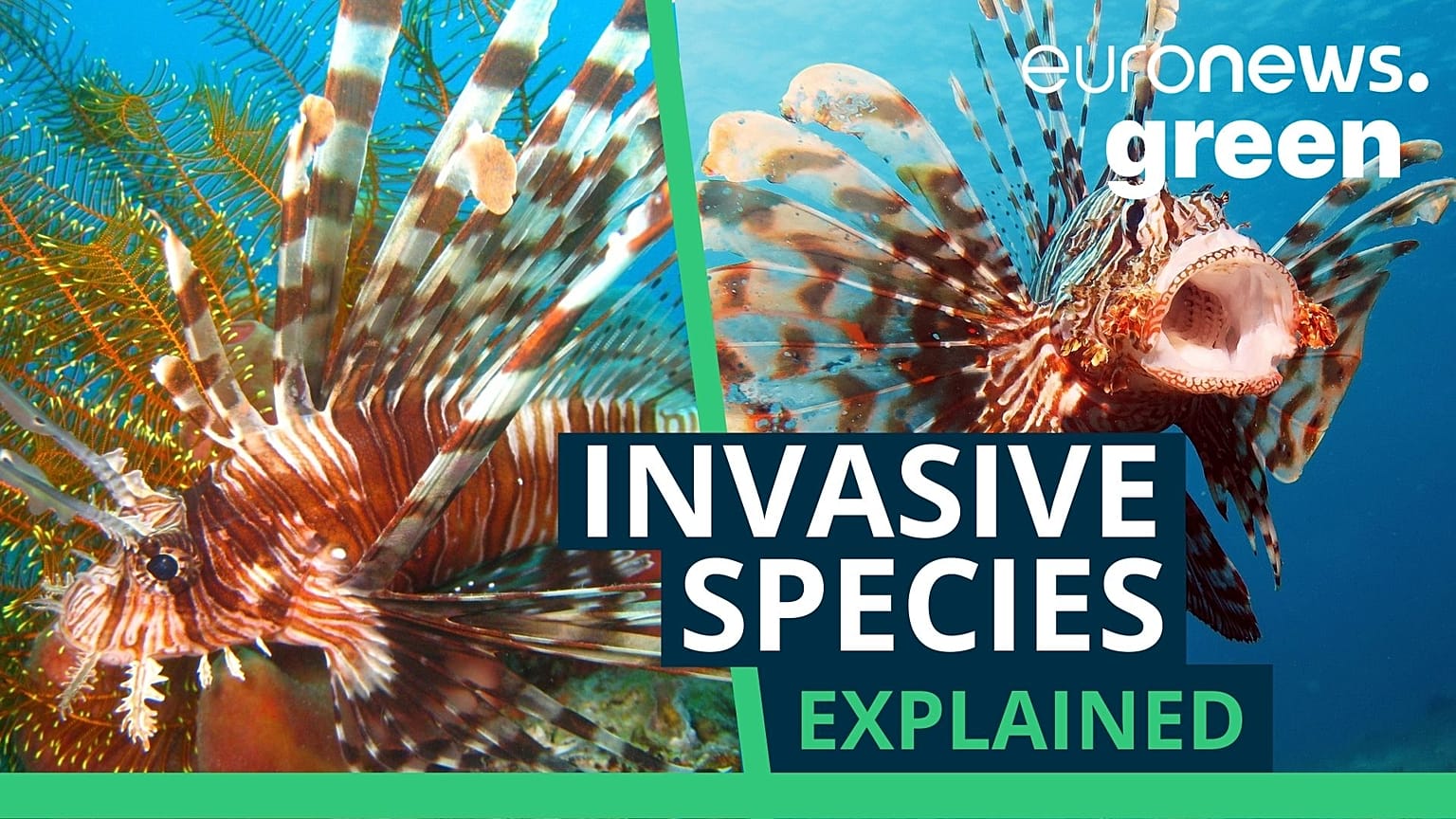
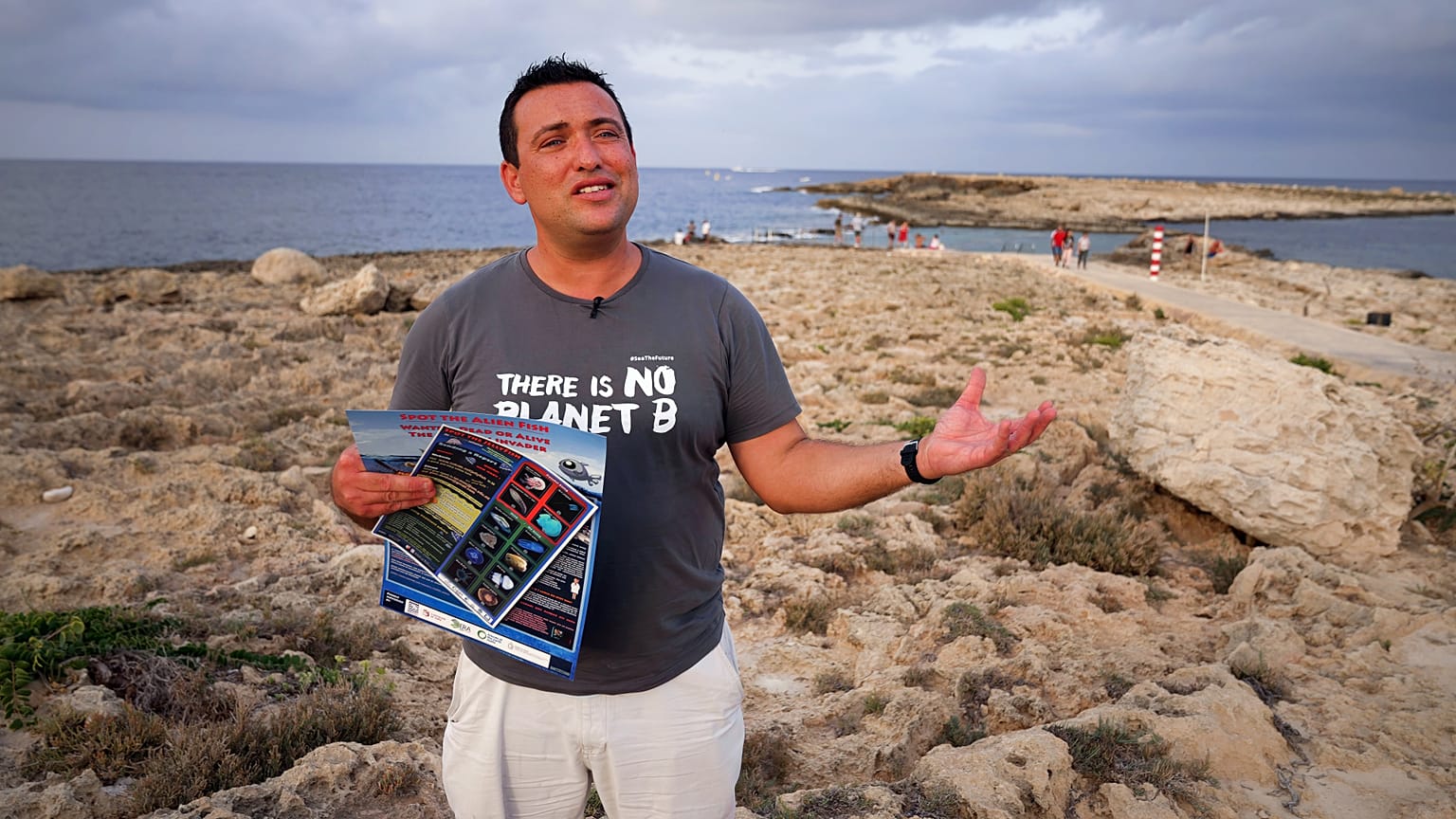
More than 900 species have invaded the Mediterranean Sea in recent years due to climate change and other environmental pressures.
While these newcomers can seriously impact biodiversity, they also represent new economic opportunities for commercial fishing.
Hundreds of new species have invaded the Mediterranean Sea, altering local biodiversity and disrupting fisheries. Ocean looks at both the problems and opportunities presented by their arrival.
Hundreds of non-indigenous species have invaded the Mediterranean Sea over the past few decades. Ocean speaks to Professor Costas Batargias from the University of Patras about the reasons behind this rising number of non-native species.
Recent studies revealed evidence of microscopic plastic particles in the internal organs and blood of "almost all people tested", raising new concerns about the potential impact of microplastics on human health — and on marine life.
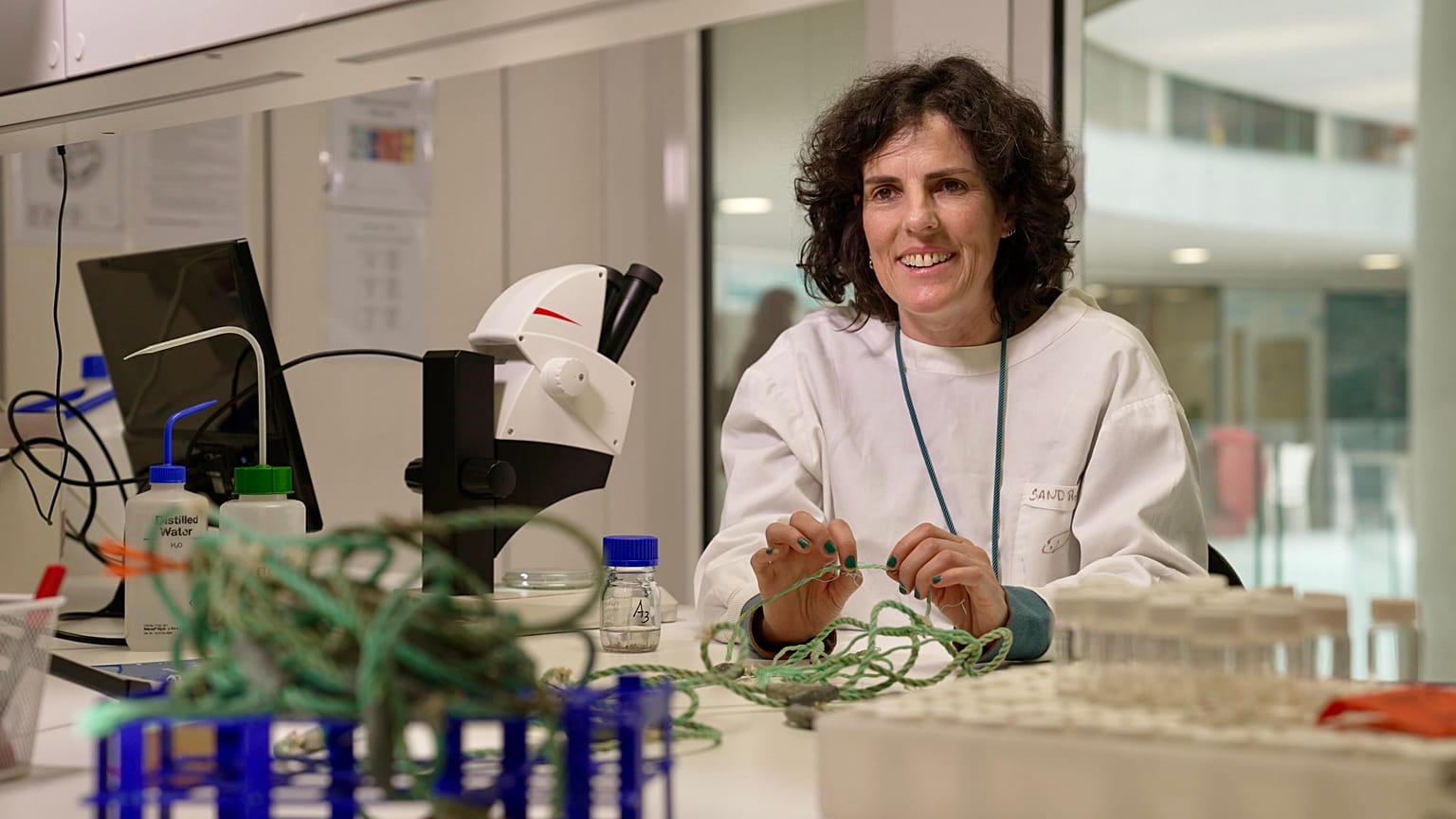
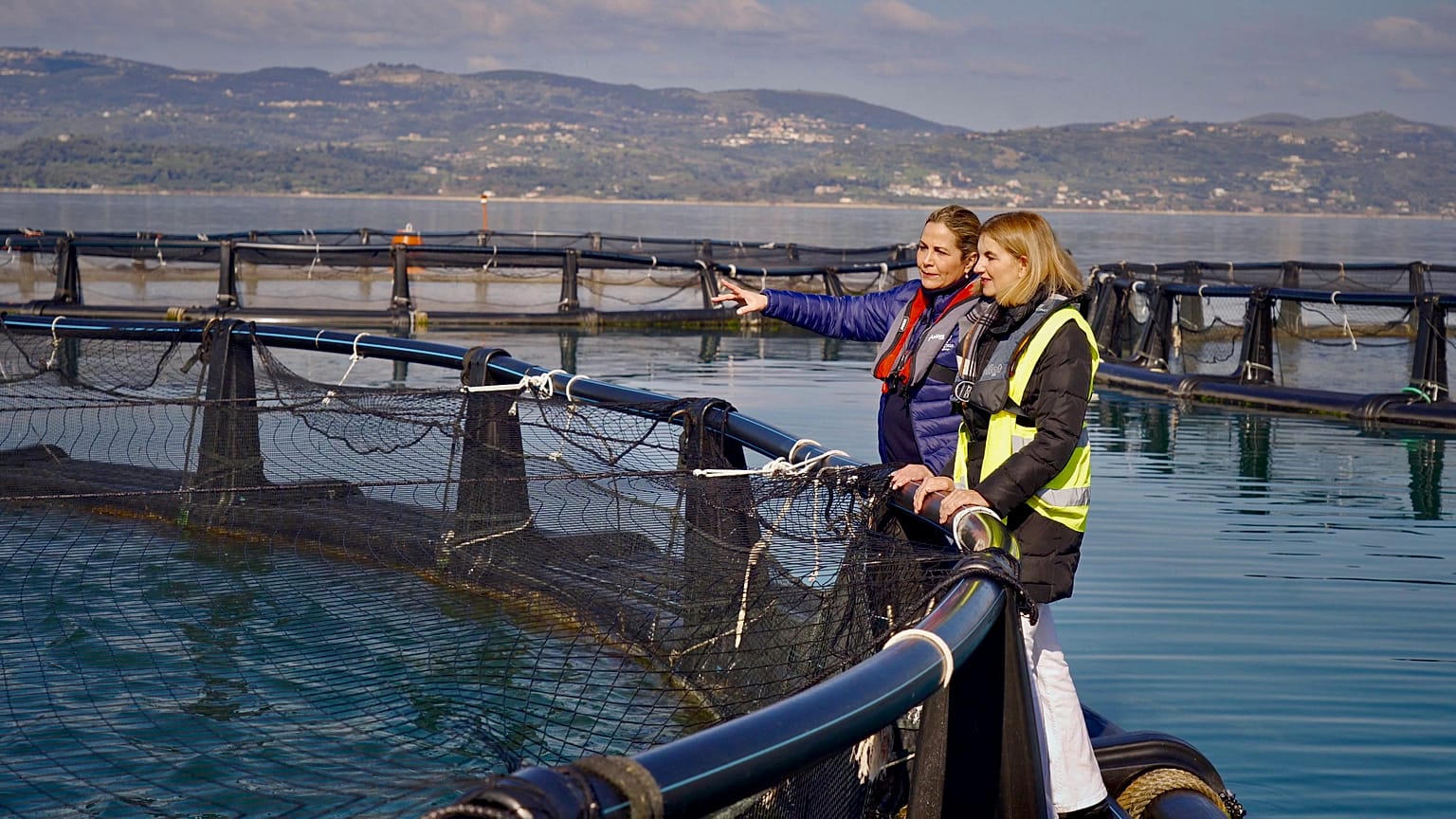
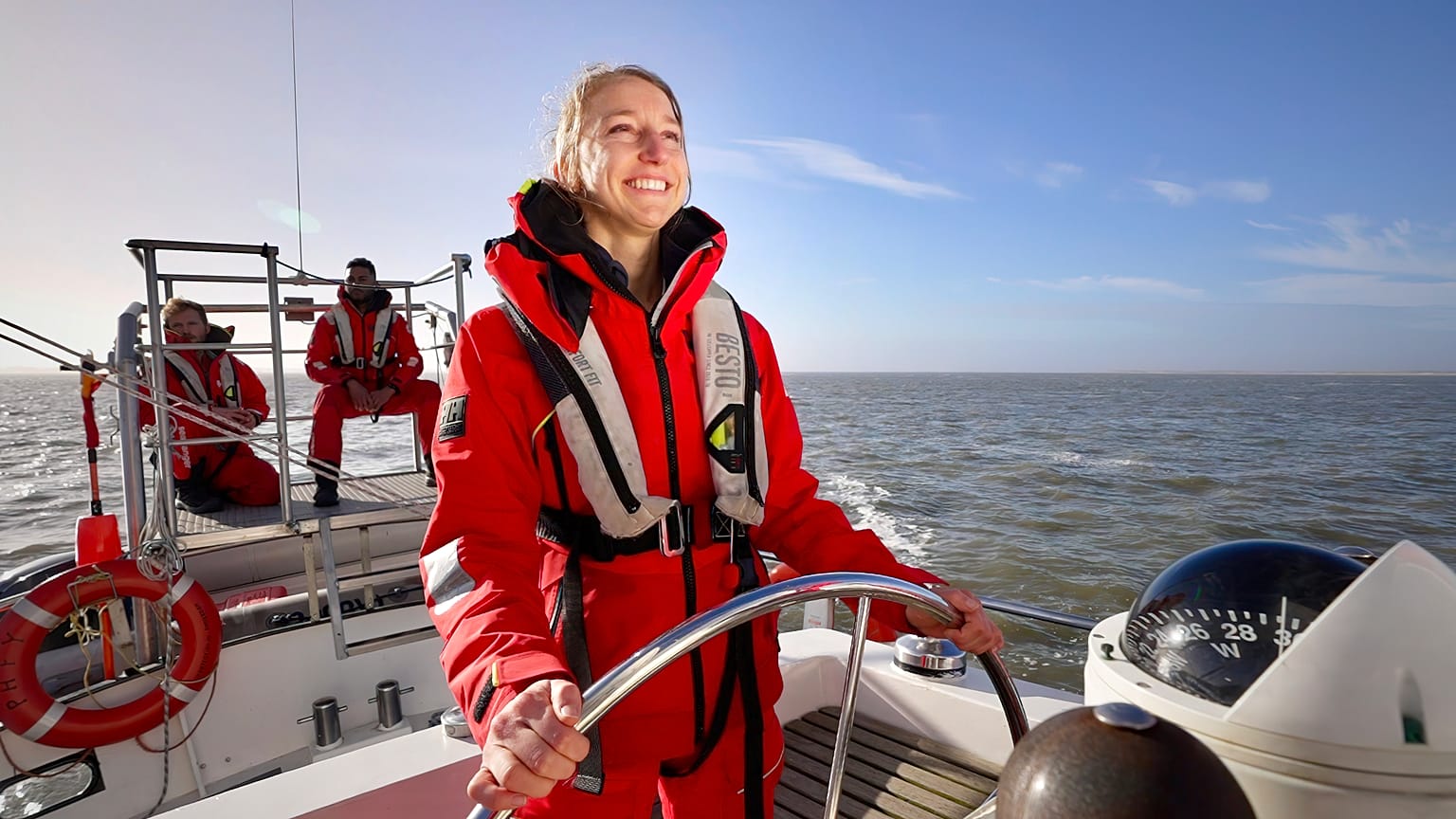
Ocean‑based industries are dominated by men - but across Europe, more and more women are driving innovation and growth in the blue economy. Ocean went to France and Greece to meet some of them.
Ocean speaks to Ismini Bogdanou, Director of Communications & PR at the Hellenic Aquaculture Producers Organization (HAPO) about the need for more gender diversity in Europe's fisheries and aquaculture sector.
Ocean travels to Malta and the Netherlands to meet the enthusiasts attempting to raise public awareness about the health of our seas and the marine environment.
"If it wasn't for the ocean, climate change would be much worse because of higher CO2 concentrations in the atmosphere," says Malta's Ocean Ambassador Alan Deidun.
In this episode, Ocean explores so-called Sustainable Fishery Partnership Agreements. Deals between the EU and third countries ultimately designed to make fishing practices more sustainable and boost economic growth.
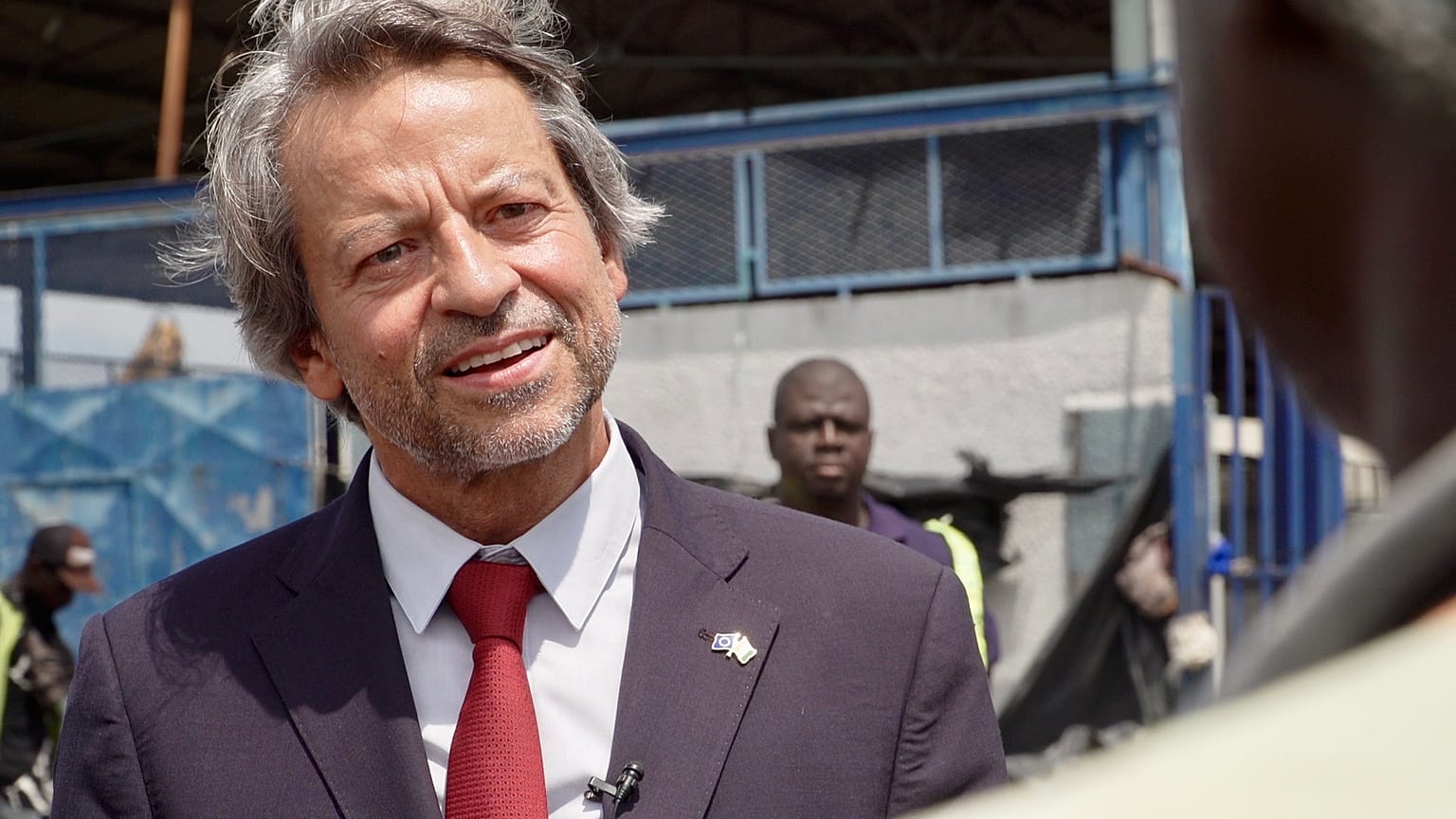
West Africa has been called "the black hole in the sea" due to the amount of illegal fishing that takes place there. A deal between the EU and Ivory Coast aims to significantly reduce that. To find out more, Ocean spoke to the EU's ambassador to the country.
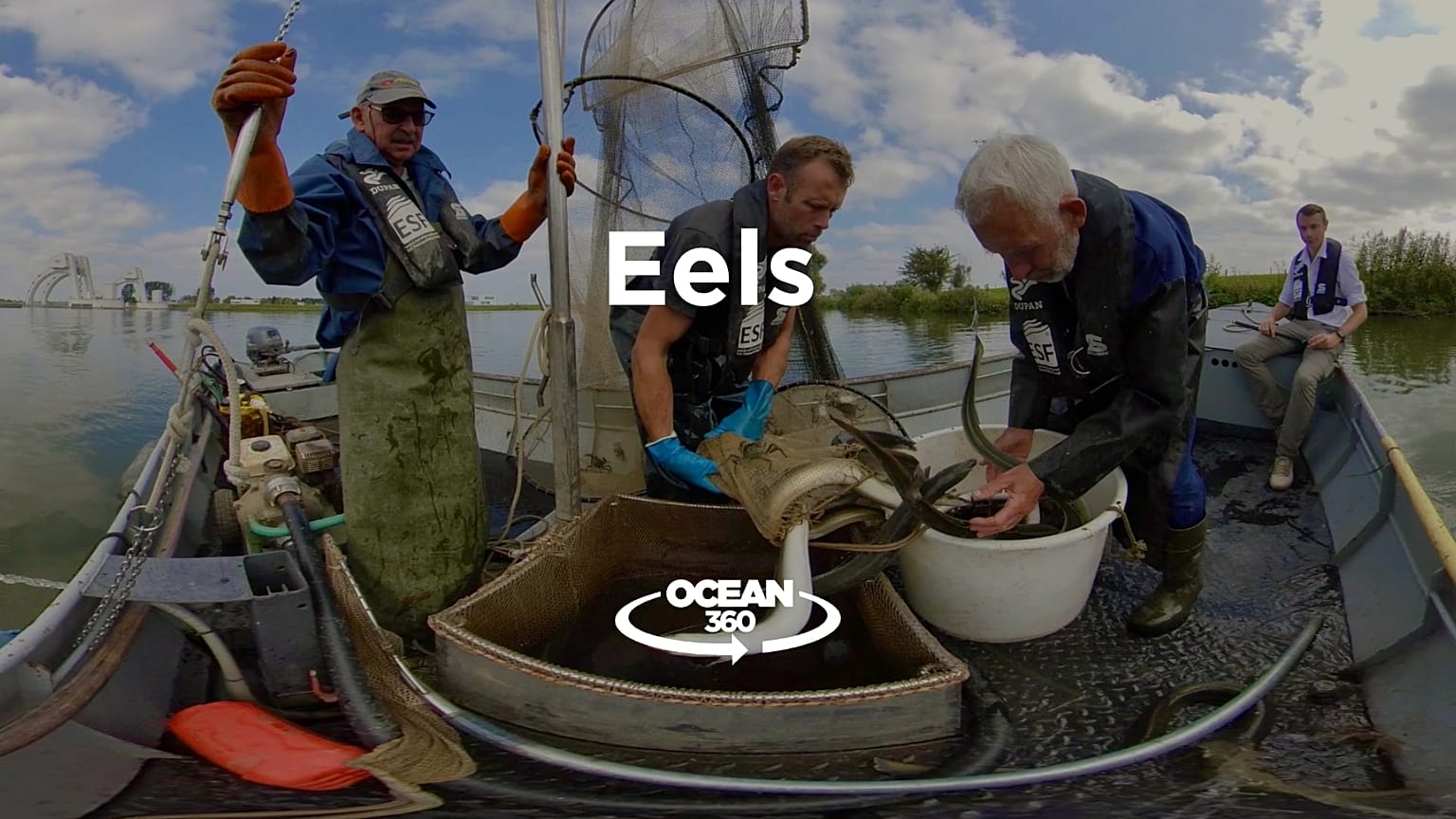
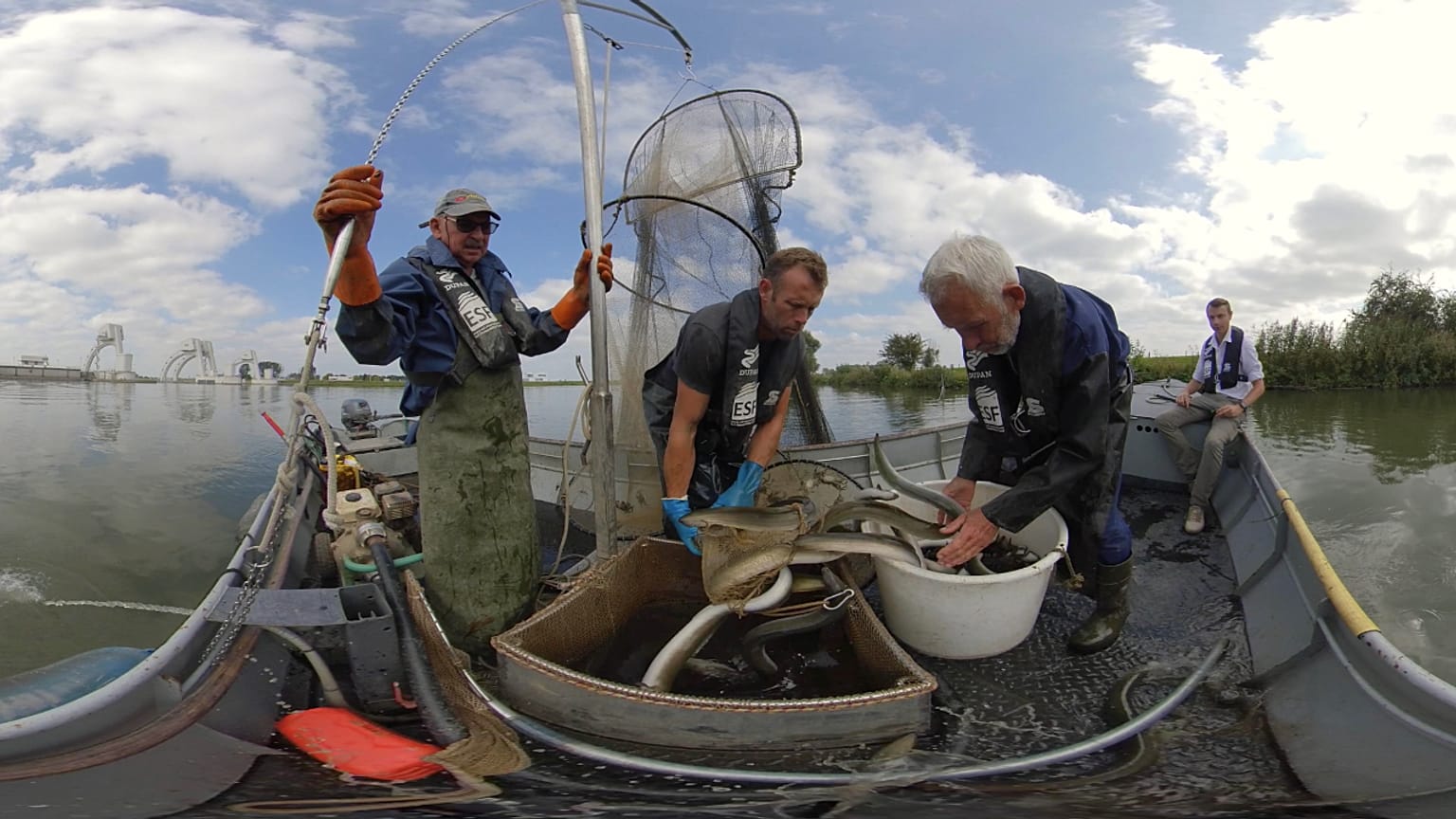
For millions of years, eels have been migrating from the Atlantic ocean into European rivers. Today the eel population has fallen to a historic low. But scientists, industry, NGOs and regulators are working together to restore stocks.
One of the world’s most polluted seas is in Europe. Decades of Chemical contamination, overfishing and climate change have undermined the health of the Baltic Sea, provoking a severe environmental, economic and social crisis, but measures are being taken to save this important body of water.
Virginijus Sinkevičius, the European Commissioner for Environment, Oceans and Fisheries, explains that there is hope for the fishing industry in the Baltic Sea, but that starts with improving the water's health.
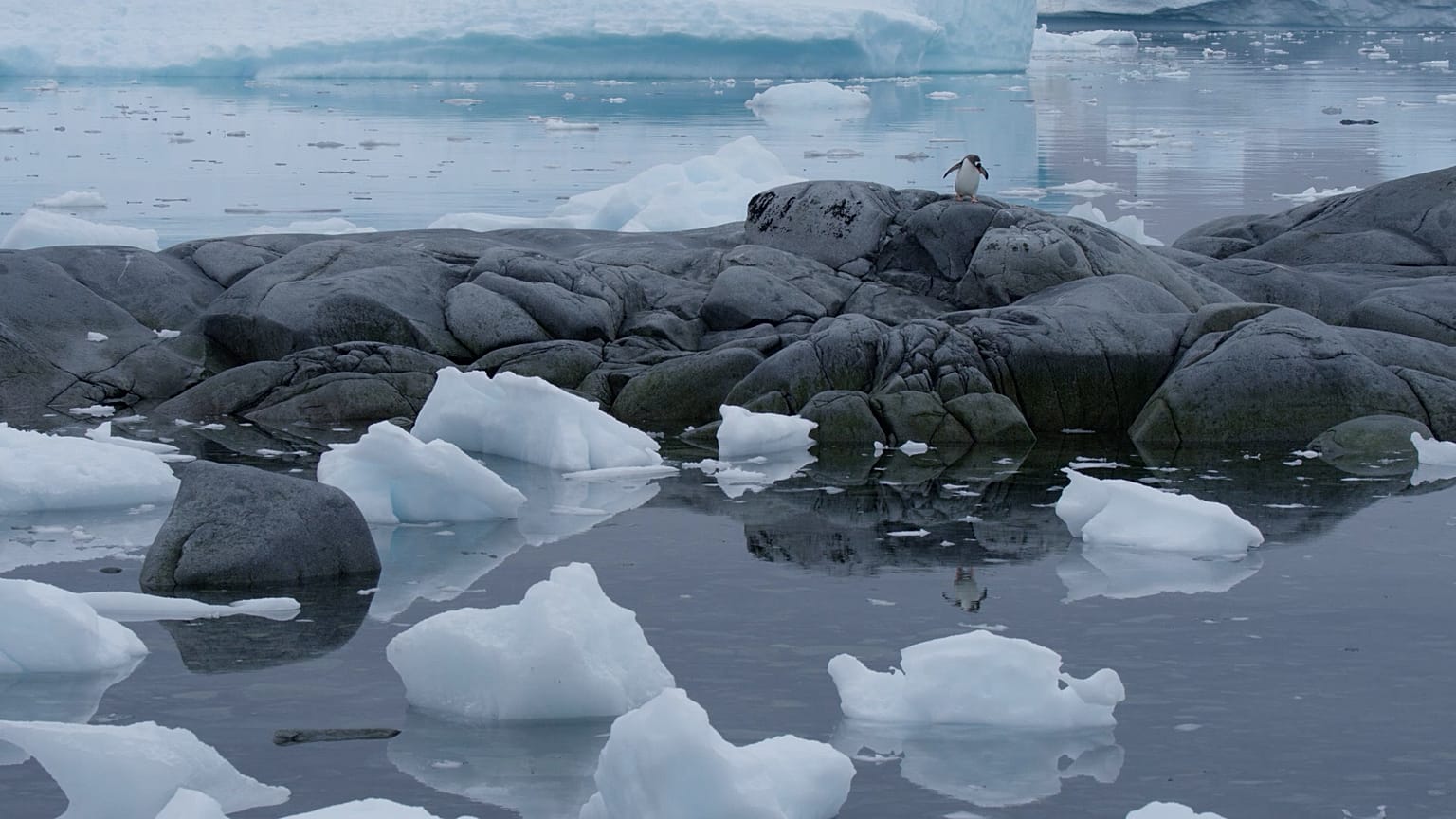
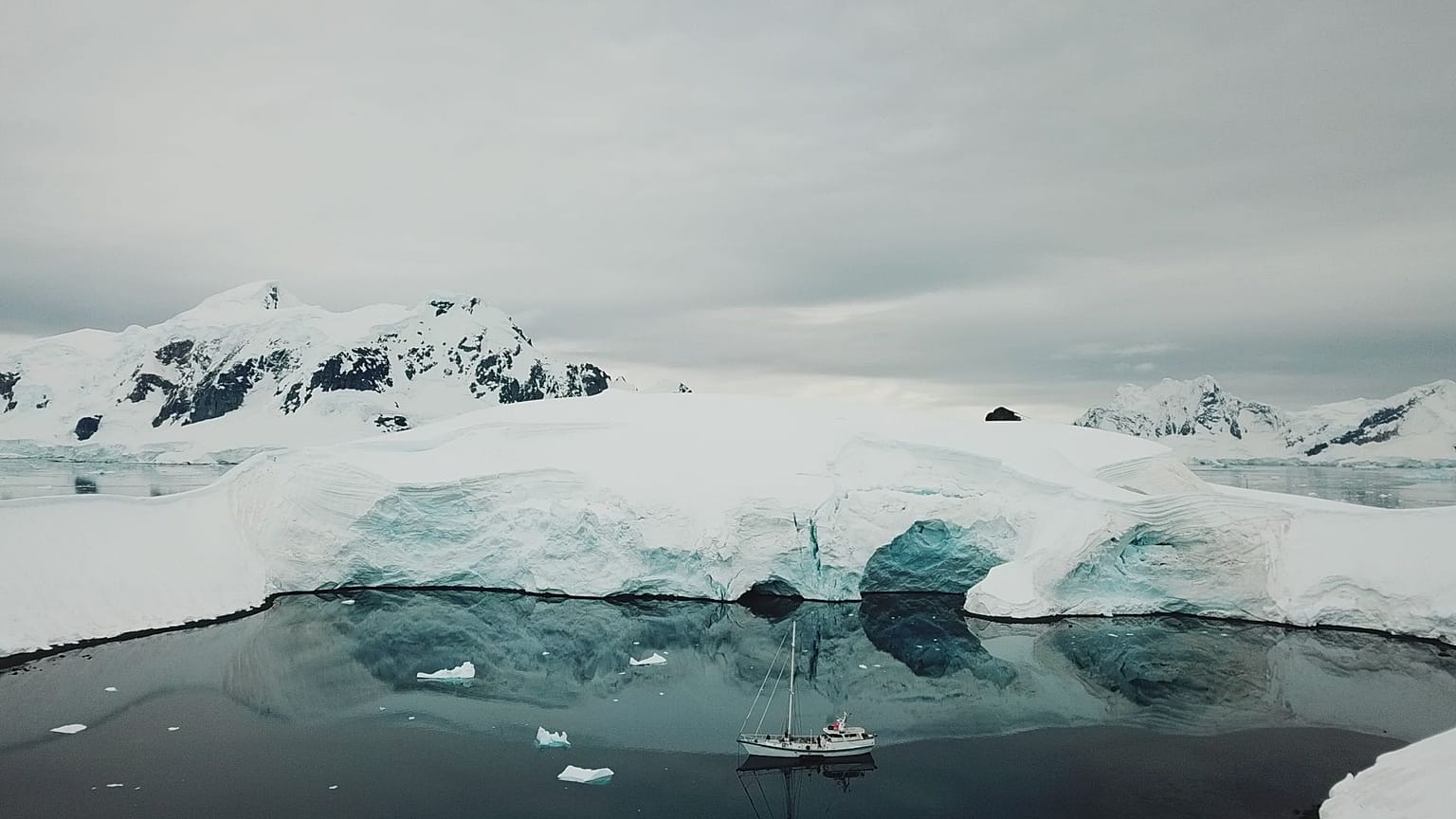
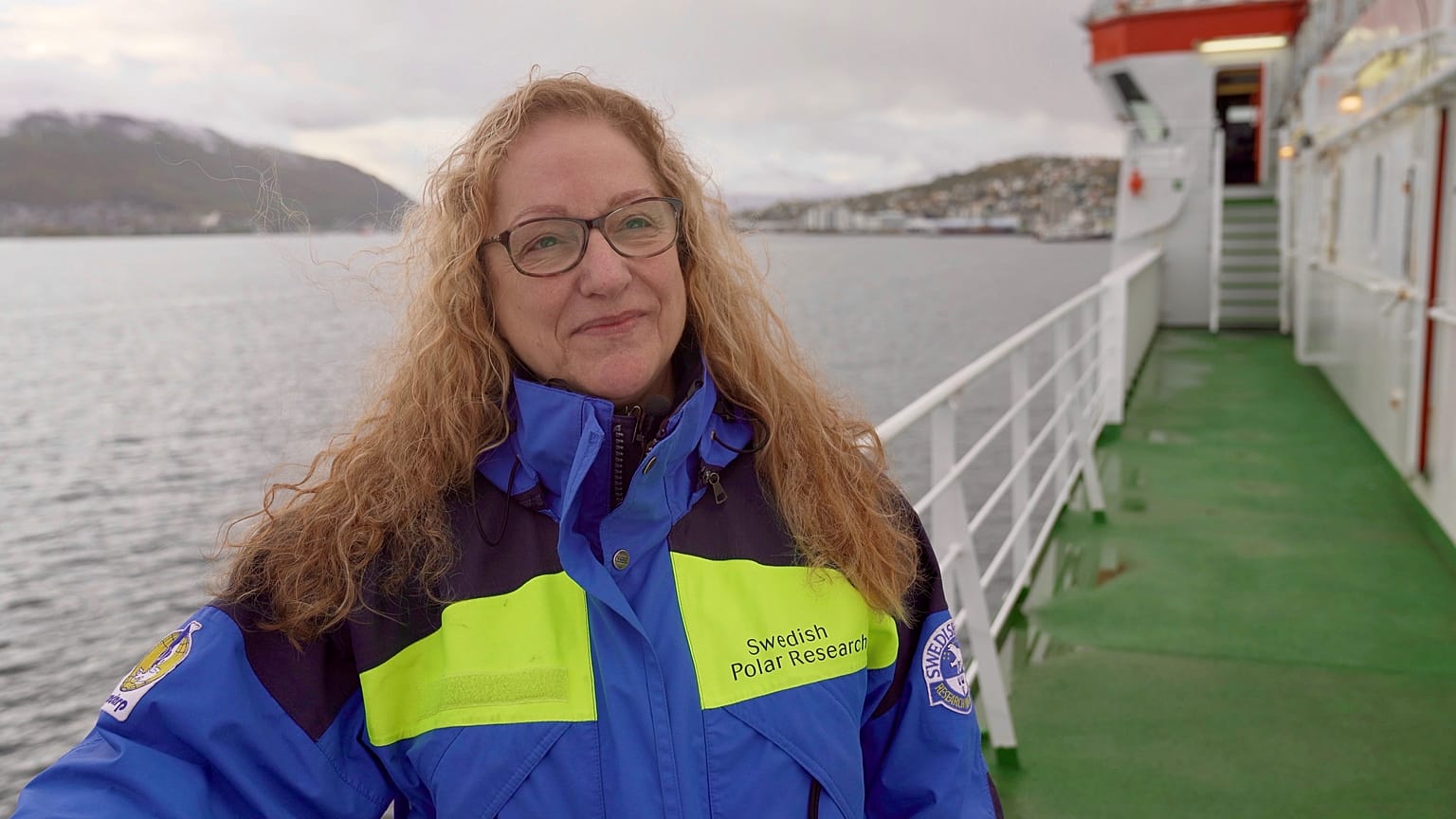
The Antarctic Ocean plays a central role in our climate and in marine ecosystems, but climate change is threatening this. We find out how it's possible to protect one of the planet's key areas.
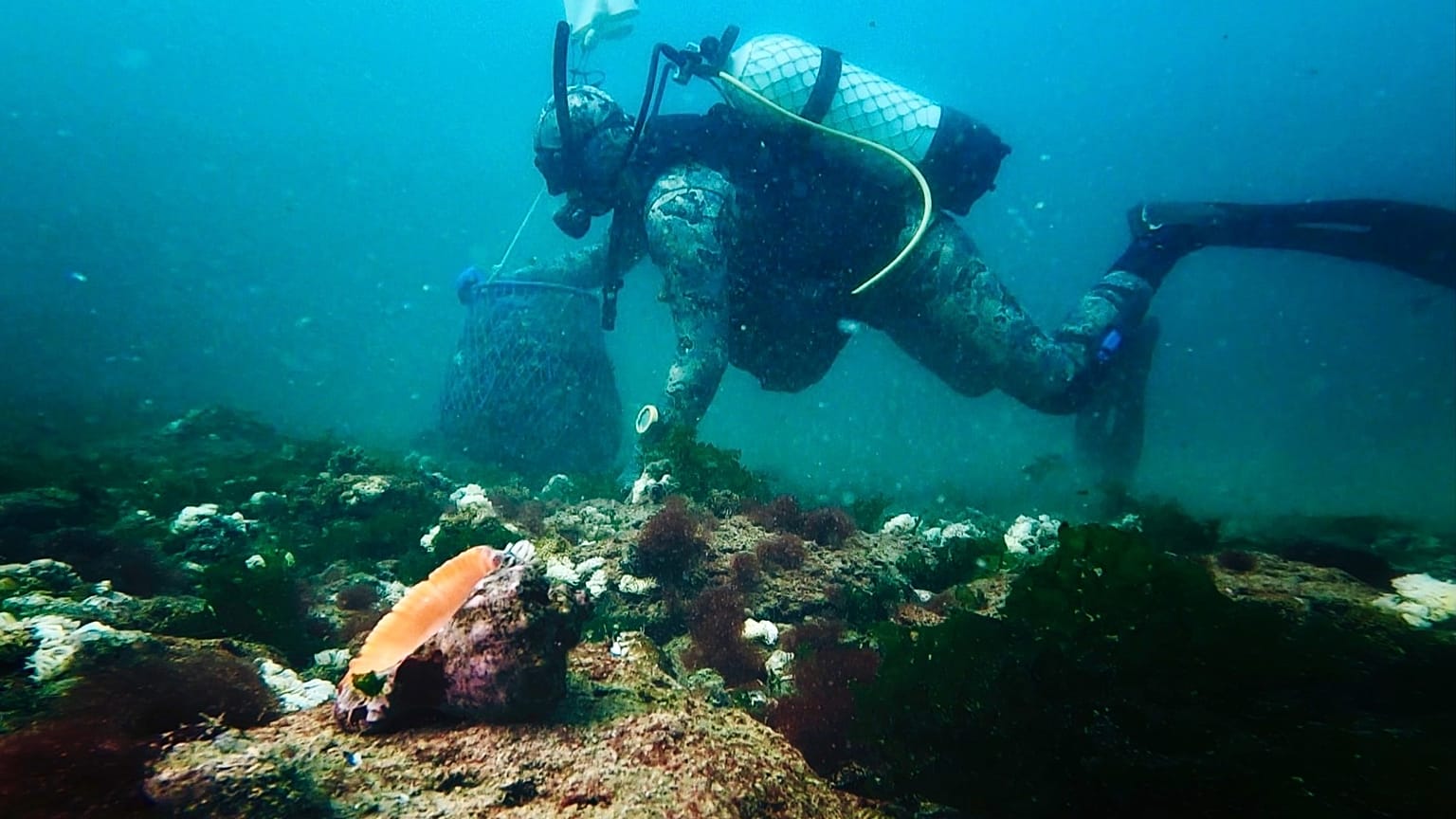
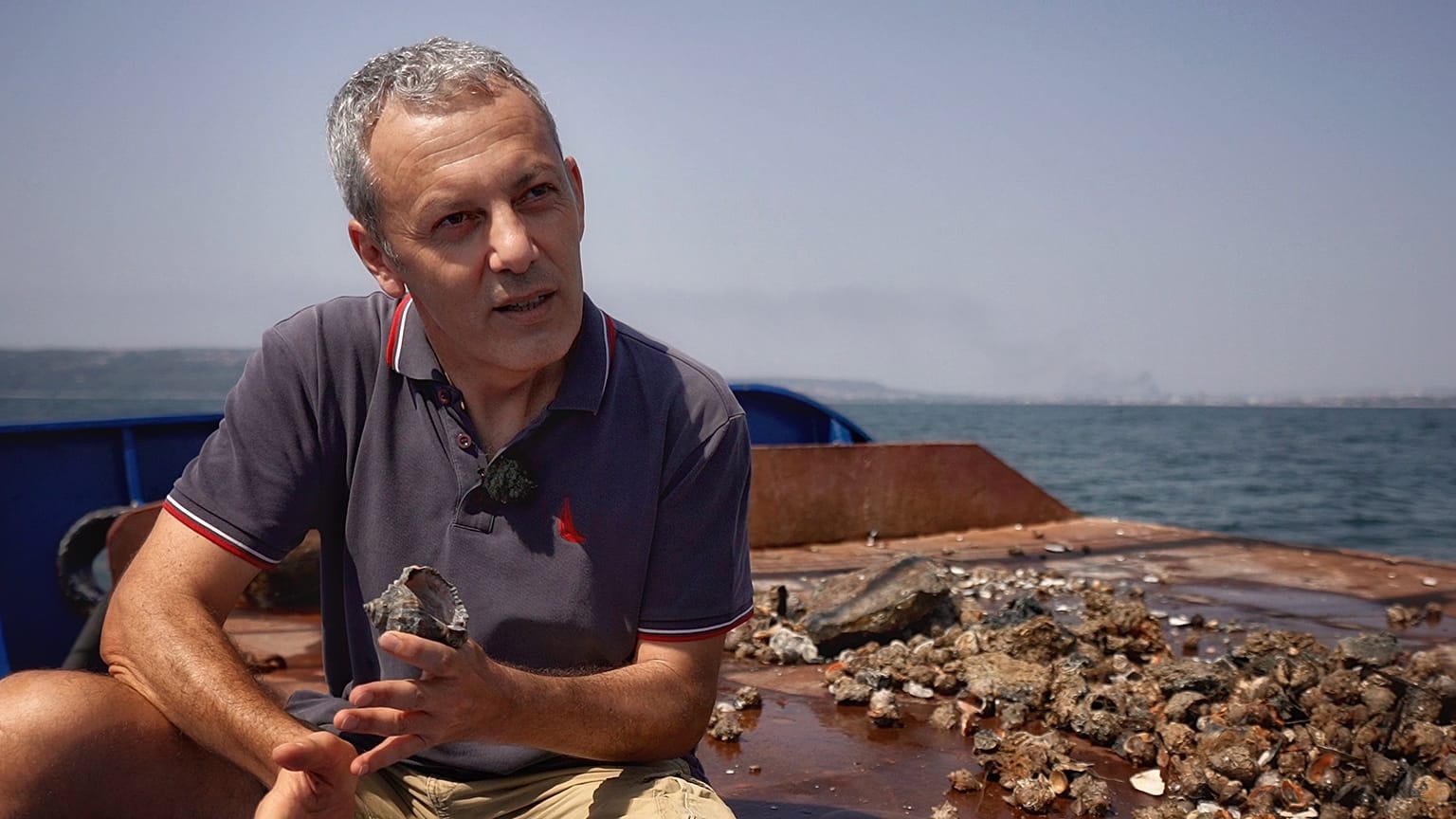
The invasive veined Rapa whelk has devastated bottom-dwelling populations of the Black Sea. This predator may threaten coastal waters all around Europe whilst also offering valuable employment in countries like Bulgaria, Romania and more.
BlackSea4Fish is a project contributing to the sustainable management of Black Sea fisheries by providing scientific and technical support to the General Fisheries Commission for the Mediterranean. Its project coordinator tells euronews about its groundbreaking studies.
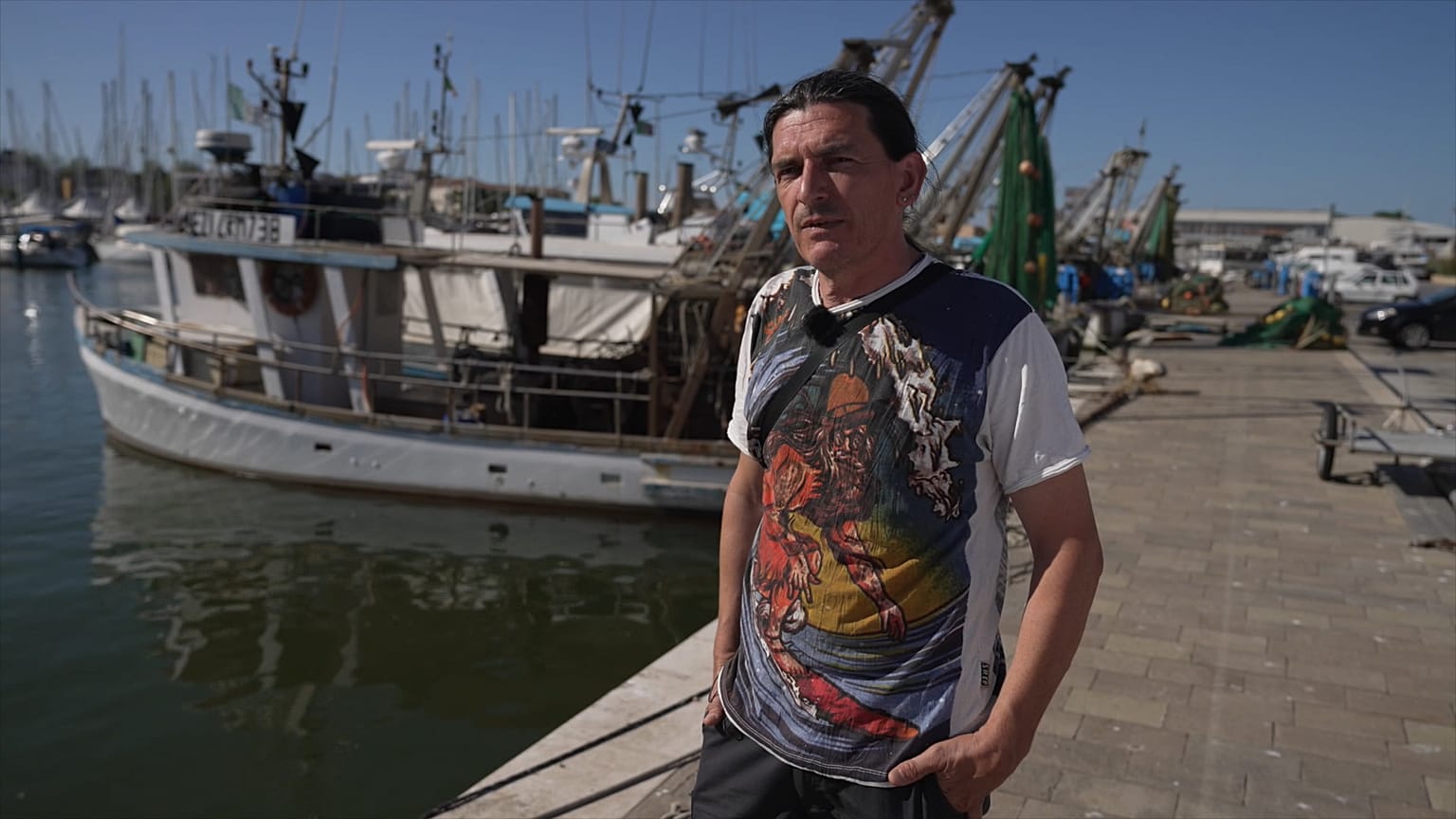
Every year dozens of European fishermen die at sea. Hundreds get injured. What could be done to make this job safer? We take a look at the life of fishermen and what is being done to protect them.
Reducing the hours fishermen spend at sea could be beneficial to depleted fishing stocks and help with their fatigue that is often the cause of accidents at sea. Ocean talks to a trade unionist in Emilia-Romagna to see what is being done to protect fishermen and fish.
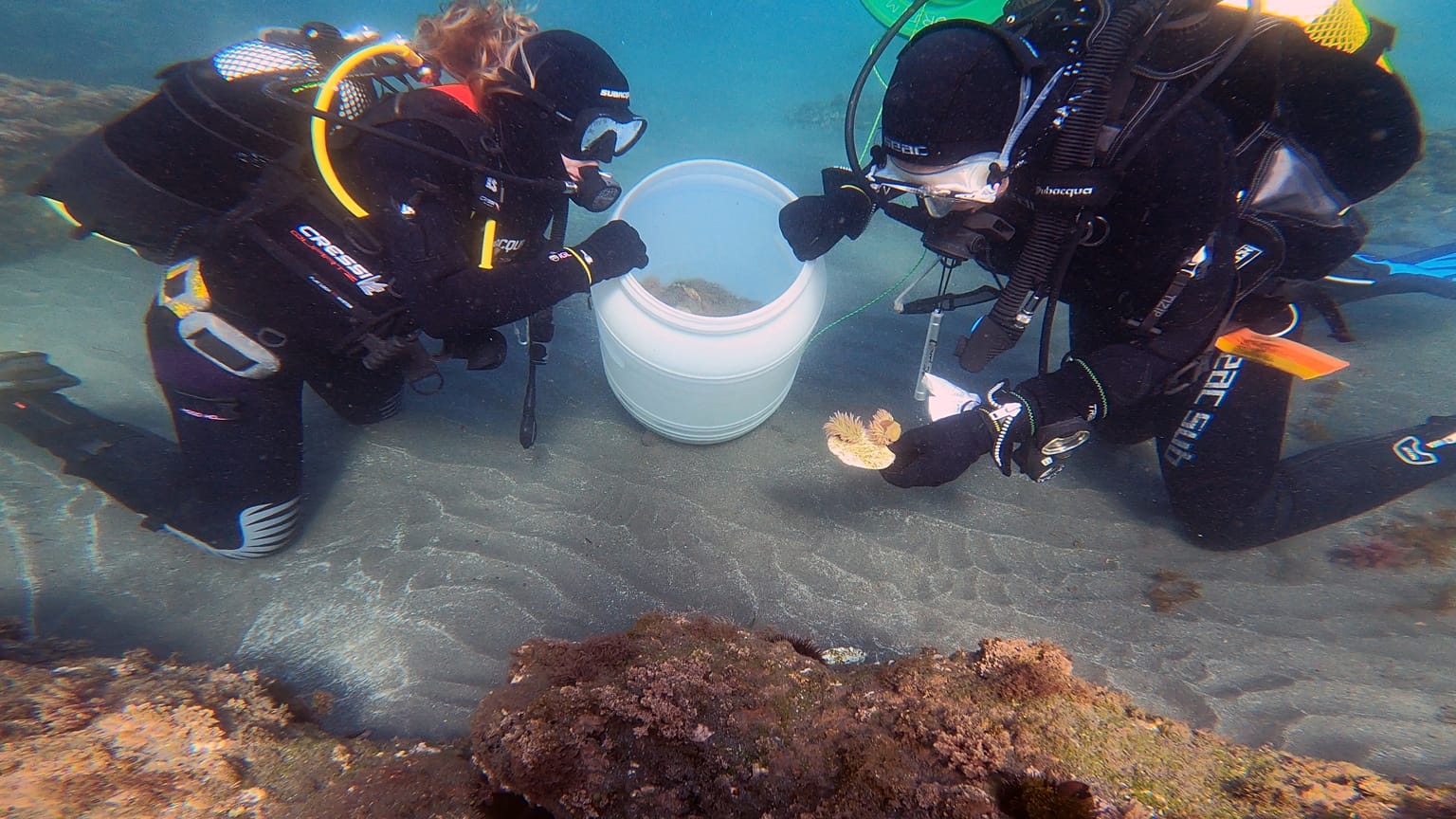
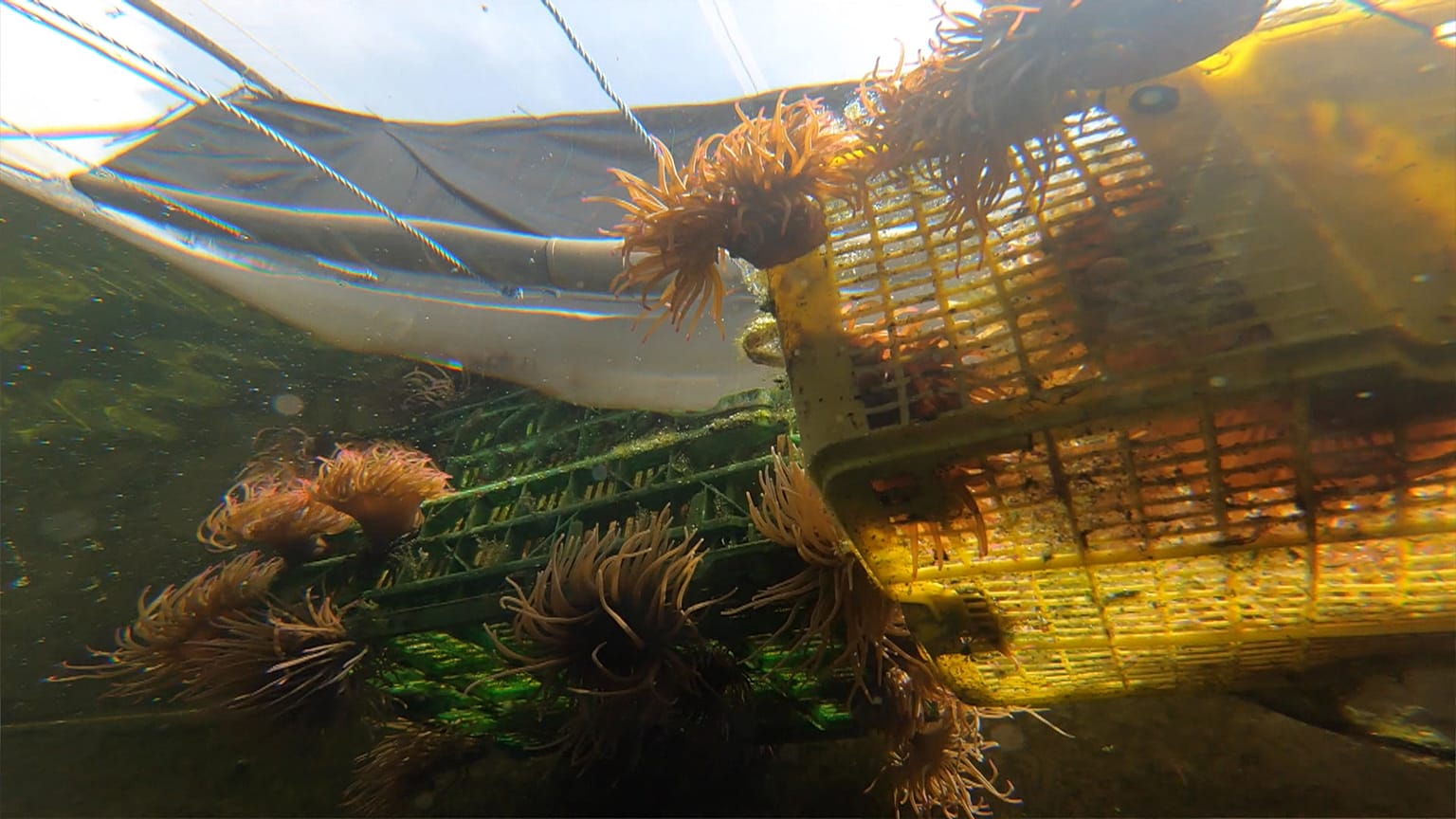
Many marine species are facing serious threats from overfishing, pollution and climate change. Could aquaculture play a role in restoring the health of the seas? Discover an initiative helping sea anemone populations by growing them on land.
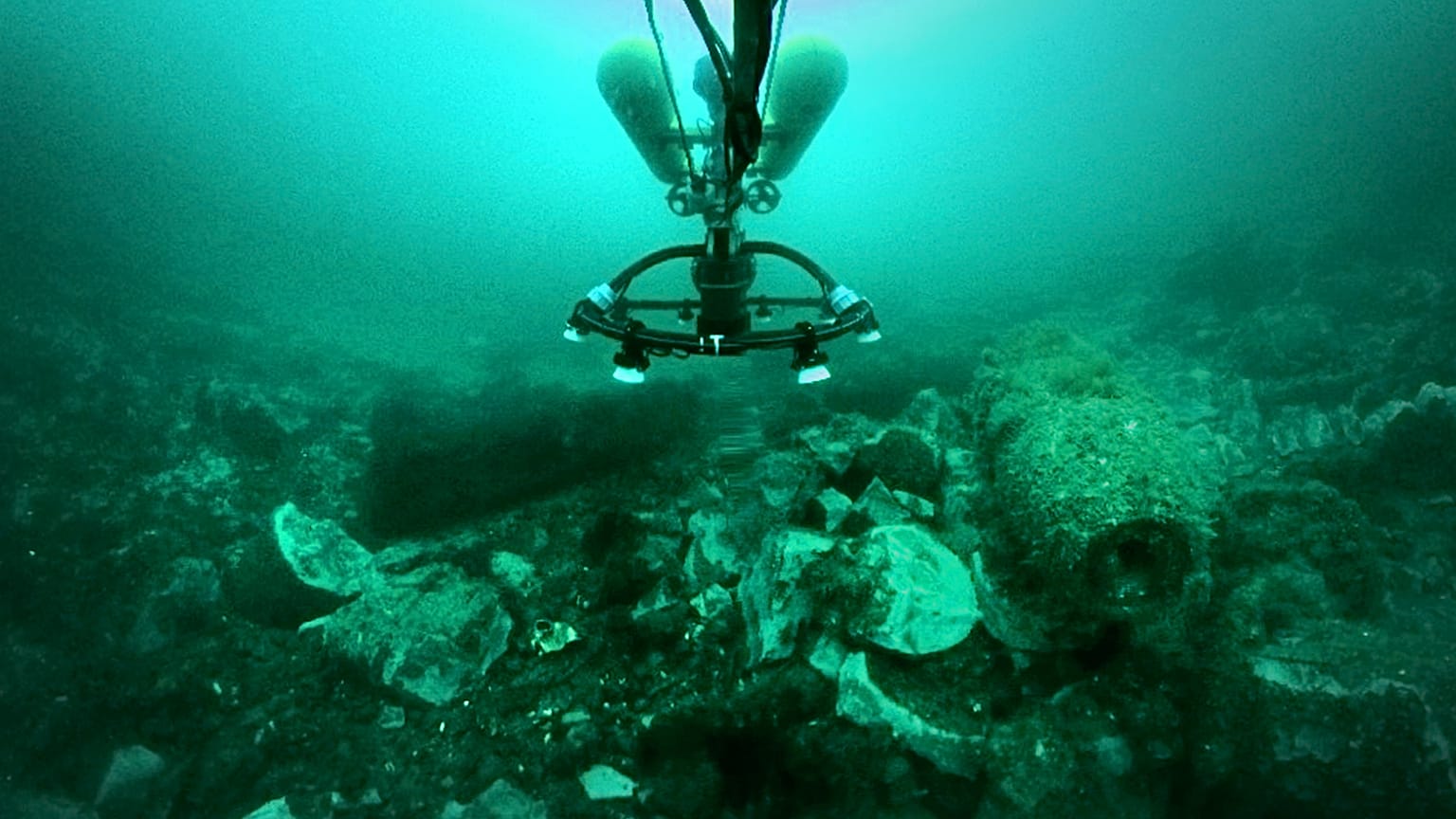
During the course of the 20th century, many countries routinely dumped munitions of all kinds and chemical weapons into the ocean to get rid of them. Today they are decaying and causing untold harm to the marine environment and human life.
Restoring the ocean and removing plastic pollution from its waters is paving the way for innovative technologies. Delving into its waters is allowing us to discover its hidden gems that can help with our health and even help our industries.
Relic munitions and unexploded ordnance are a global problem, ubiquitously affecting European coastal waters. The risk of possible detonations and environmental contamination hinders the development of many sectors of the blue economy — including offshore energy, shipping, aquaculture and tourism.
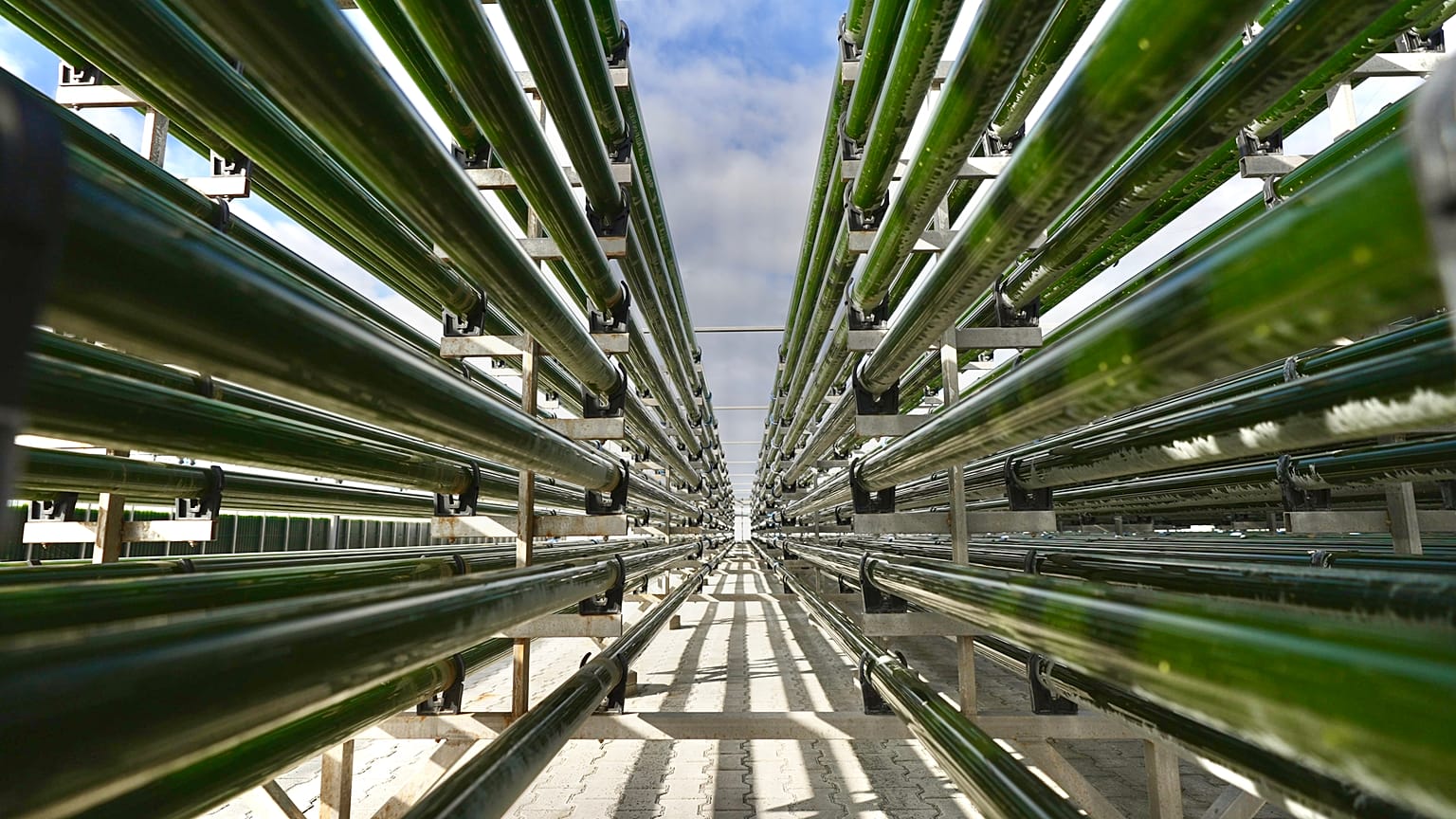
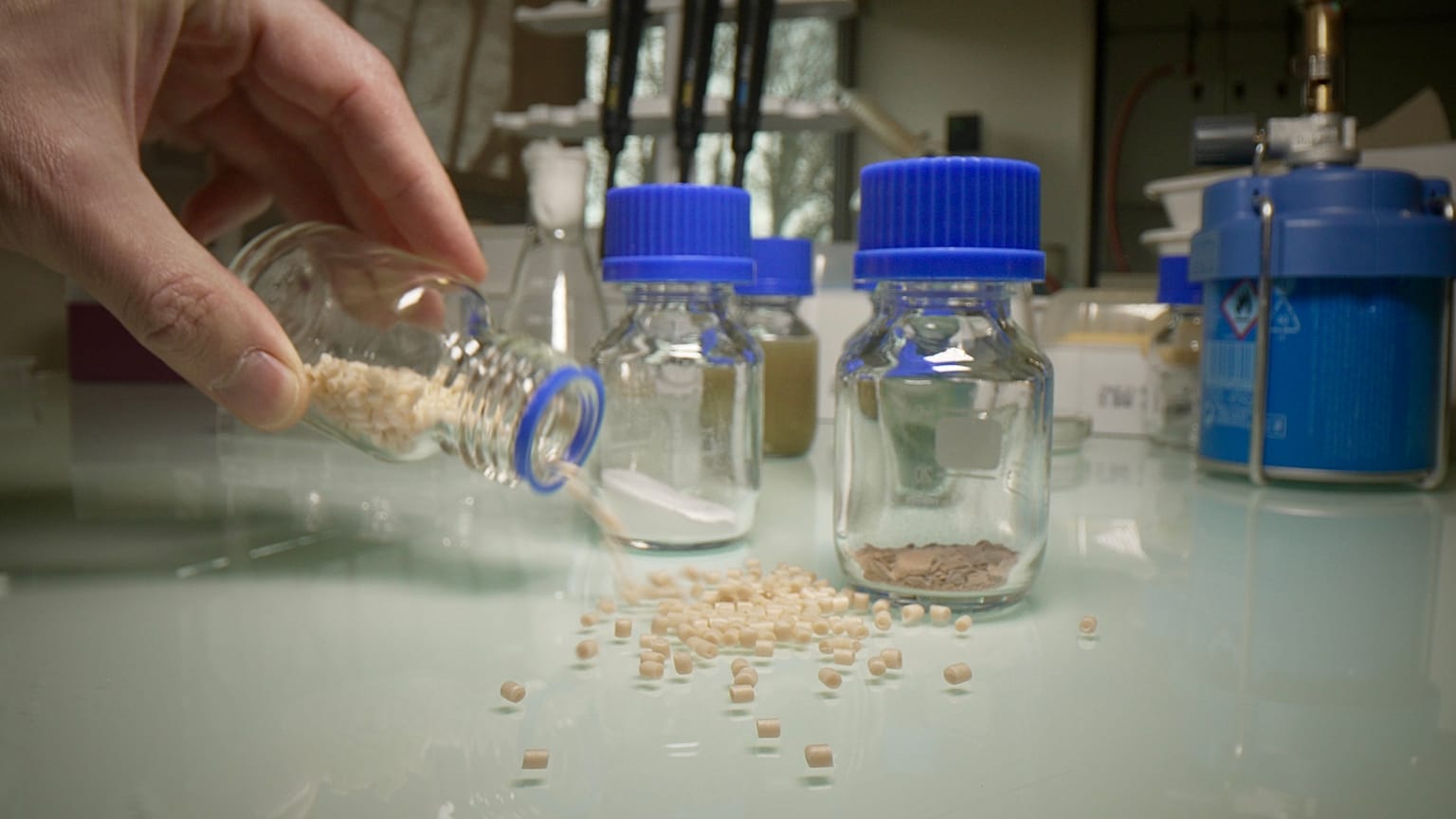
Could the ocean help us shake off our century-long addiction to oil? Could blue be the new black? New materials and technologies are bringing Europe's "blue economy" sectors closer to this goal.
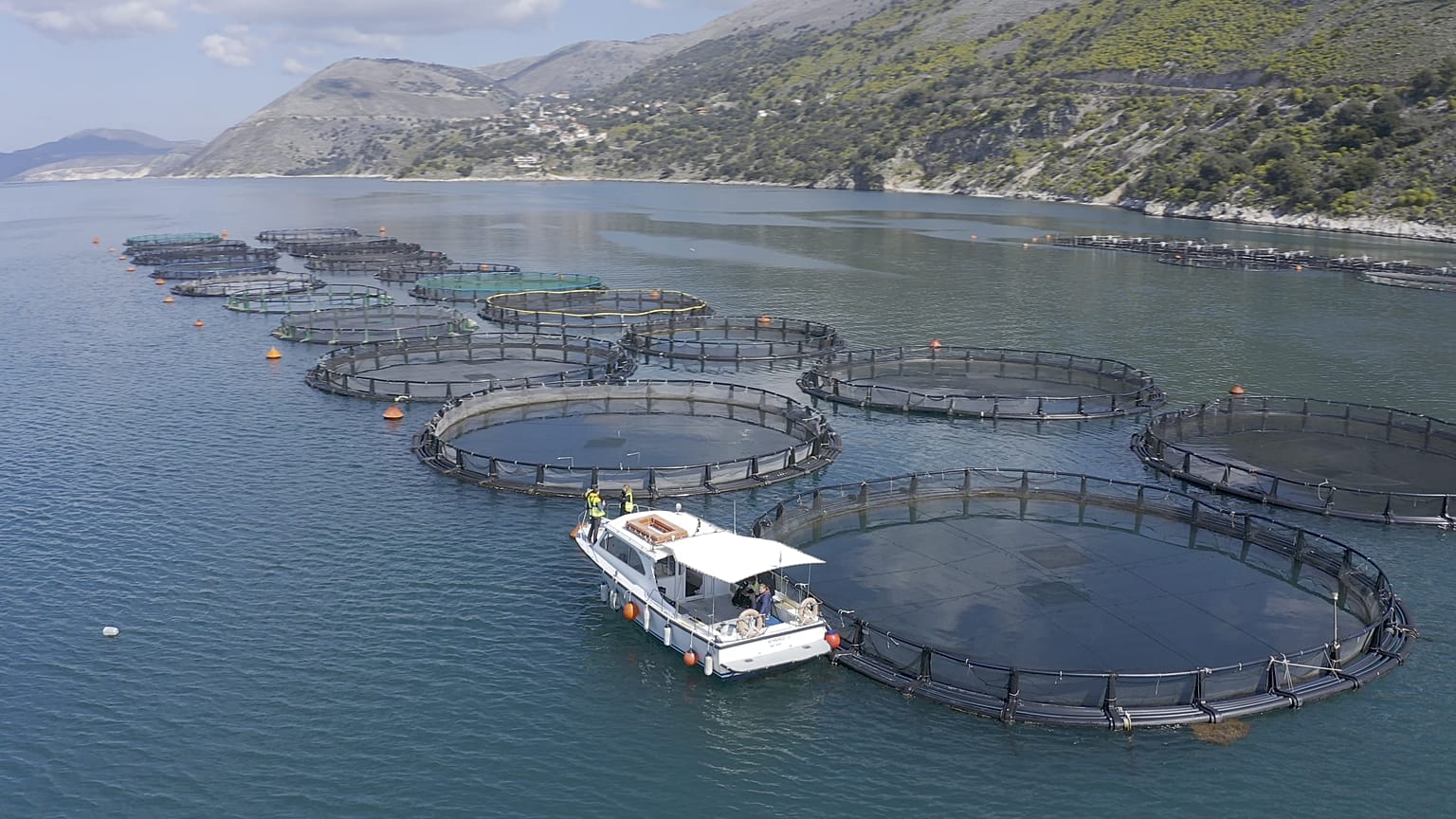
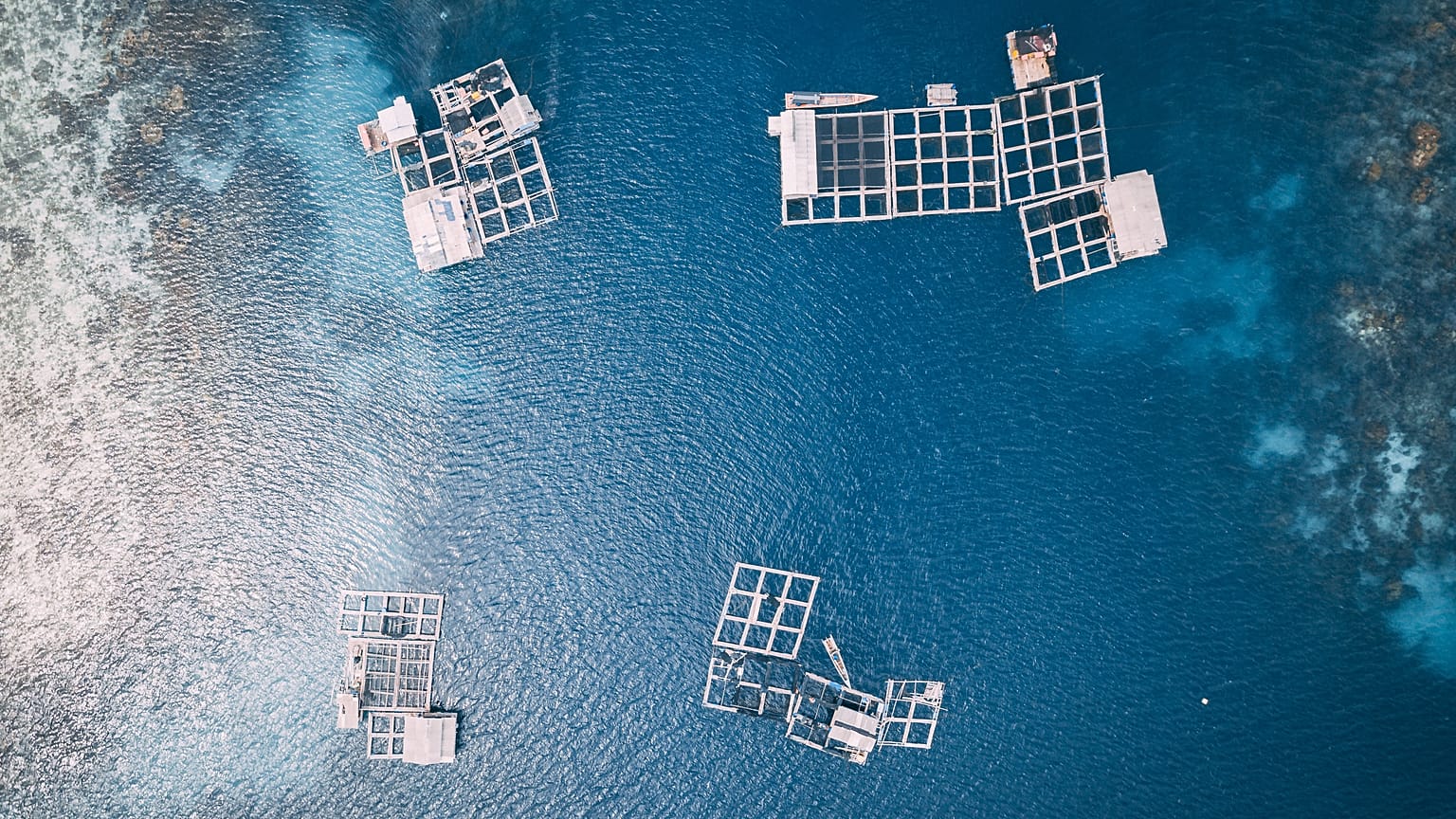
We’re eating more fish than ever. 144 million tonnes of it per year. But, we’re not actually catching more fish. How is that possible? The answer is aquaculture.
The ocean could hold the cure to the worst threats to public health. Researchers and experts are using some of the most unknown marine bioresources to make compounds to improve our health and they're doing so without damaging the sea.
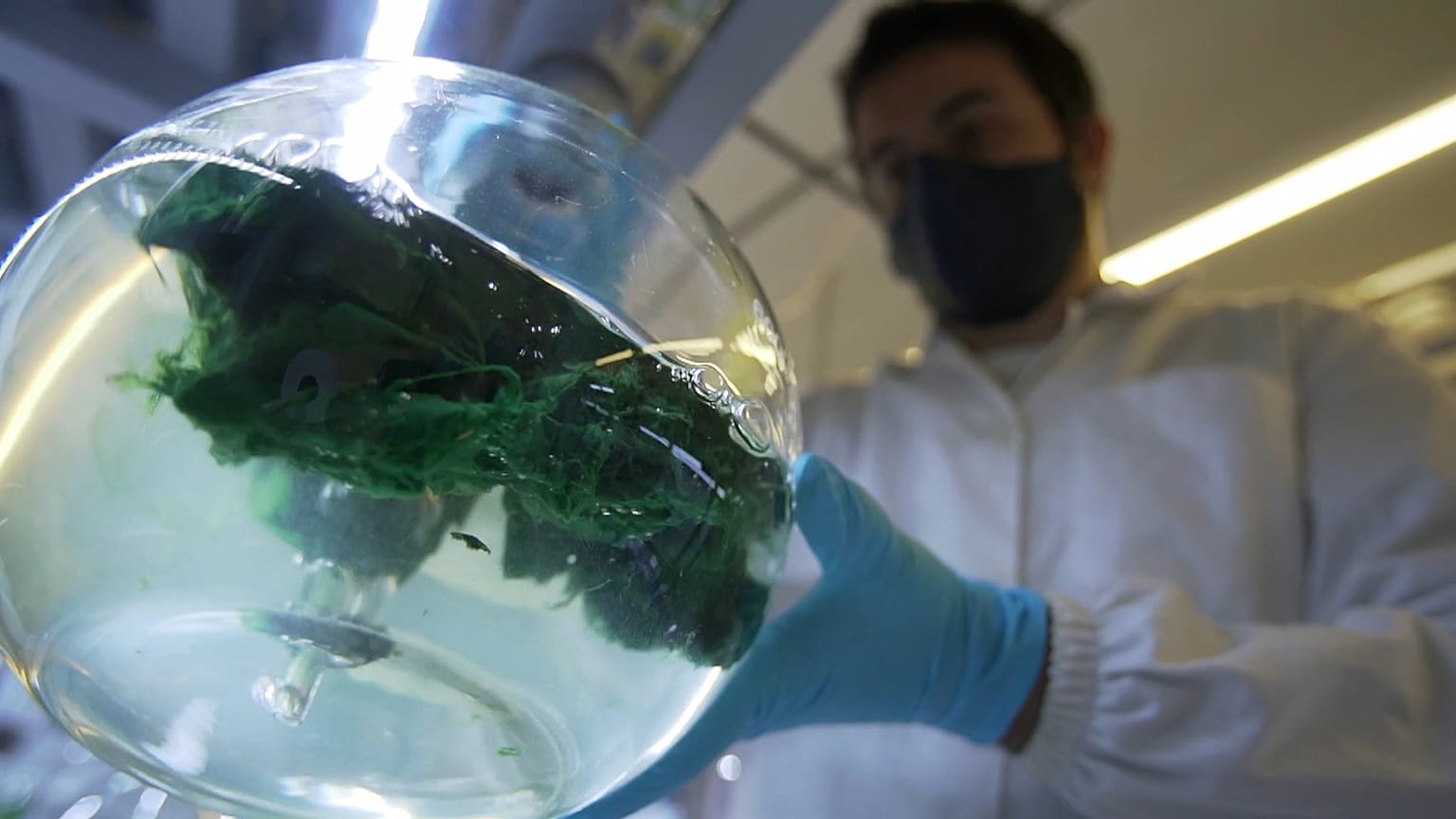
Some cyanobacteria and microalgae have existed in the oceans for more than 3.5 billion years and they may hold the key to defeating some of humanity's deadliest diseases.
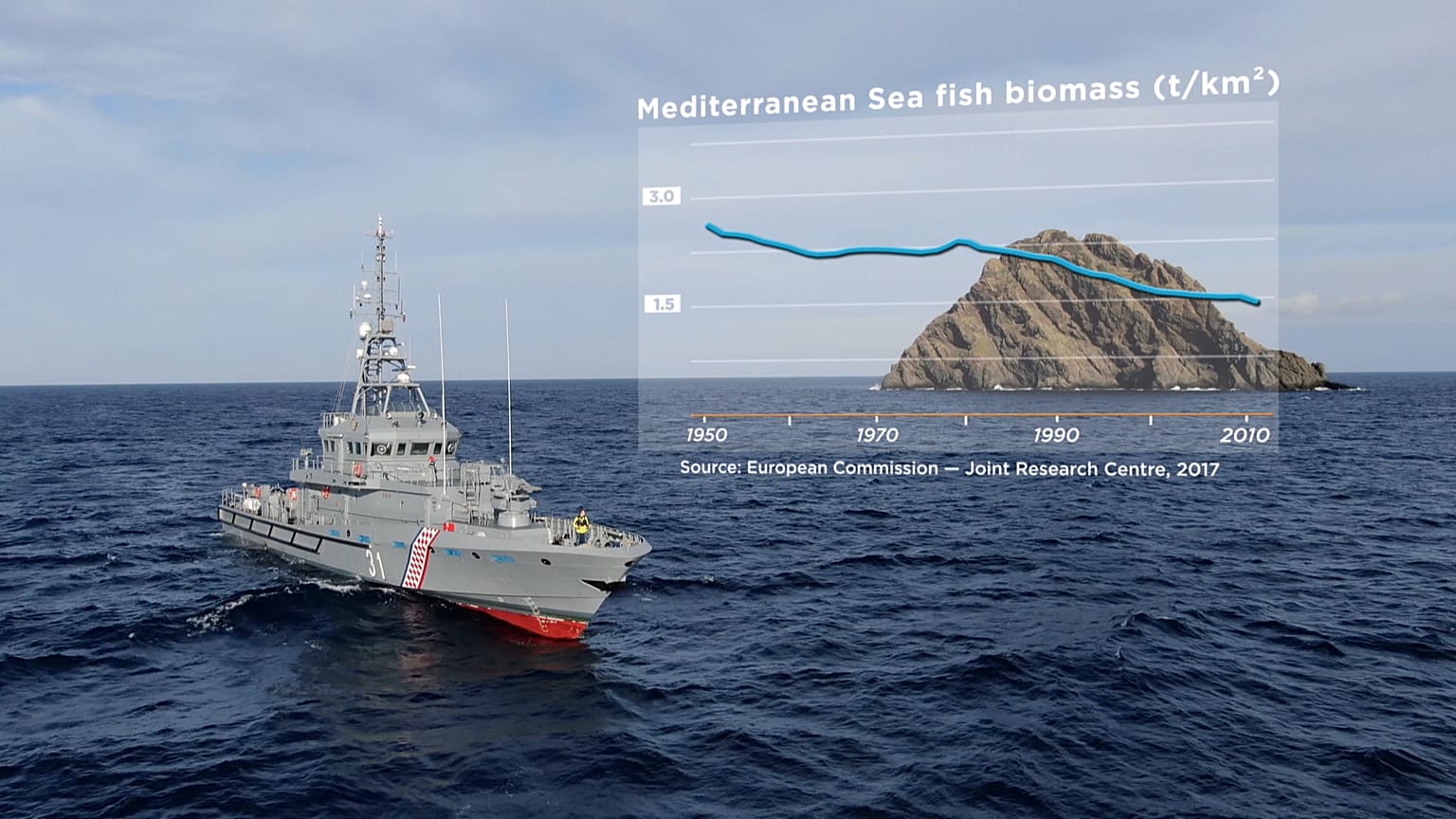
Fish stocks in the Mediterranean Sea have dropped to alarming levels due to decades of overfishing. Coastal states fear an impending collapse of fisheries. But in a protected part of the Adriatic Sea between Croatia and Italy, fish populations are recovering. Is this the solution?
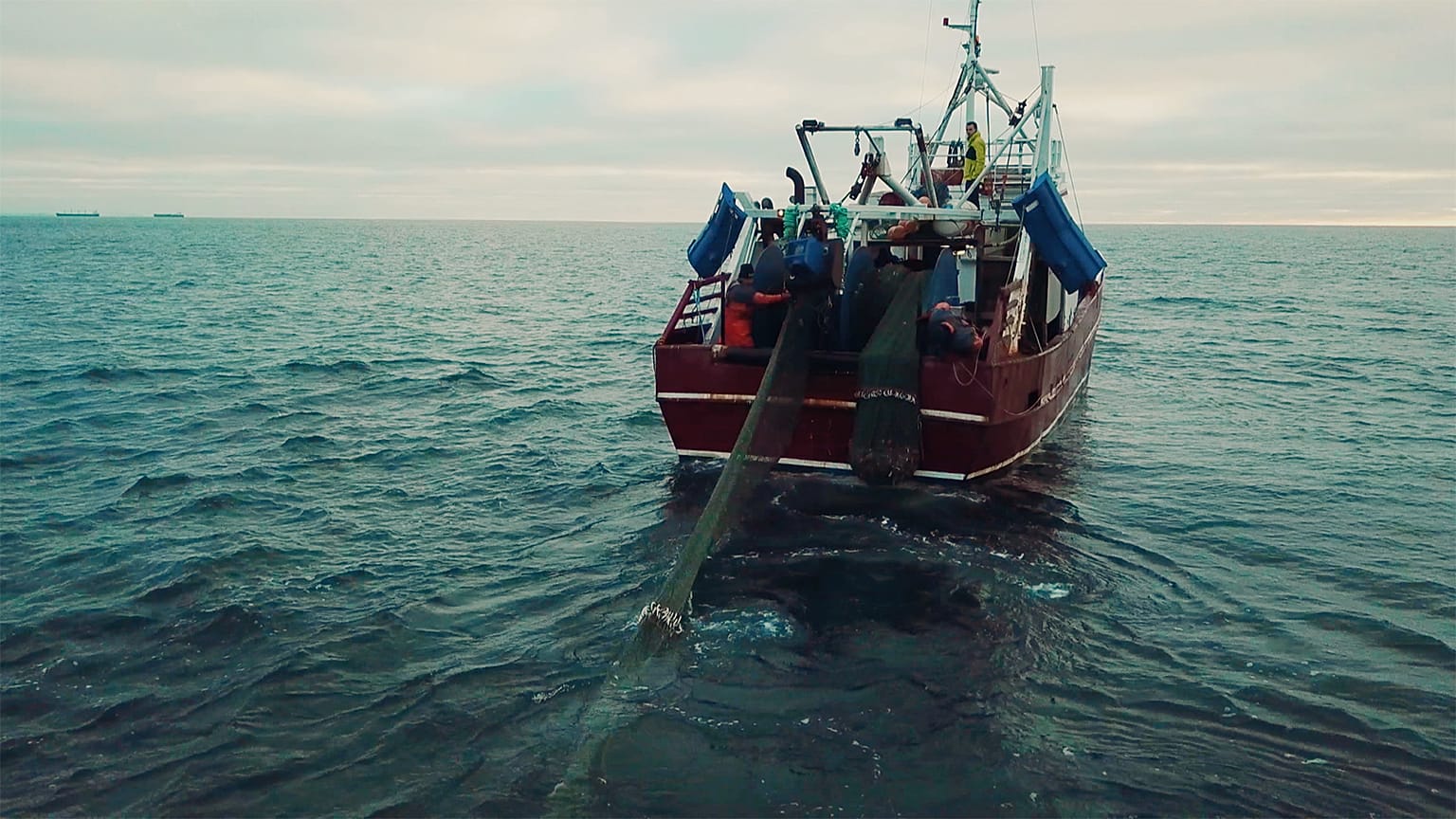
How is the EU making sure that fish and seafood are caught in a sustainable way that protects the marine environment? Let's take a look at initiatives helping with traceability, quality and lowering illegal fishing.
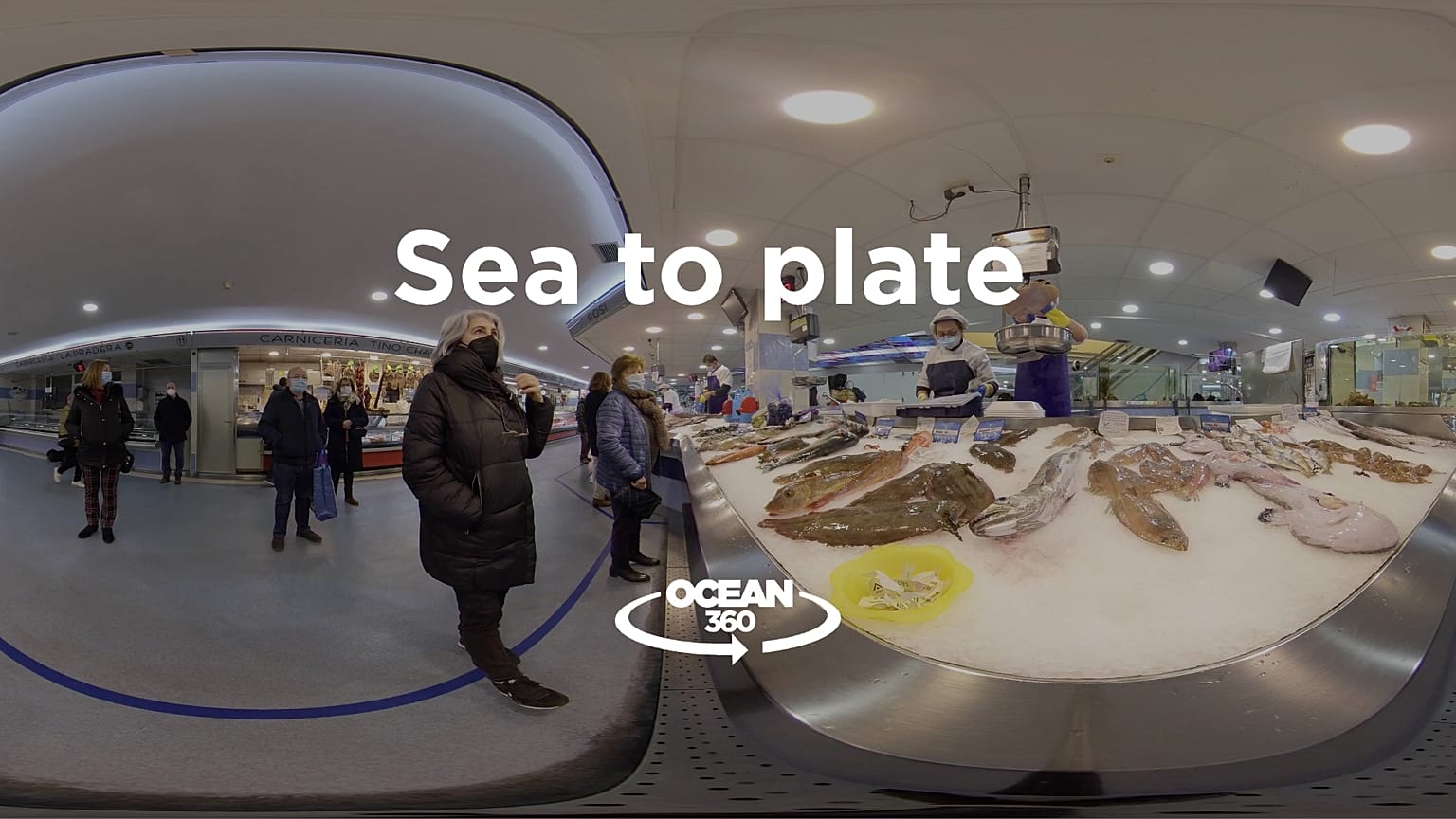
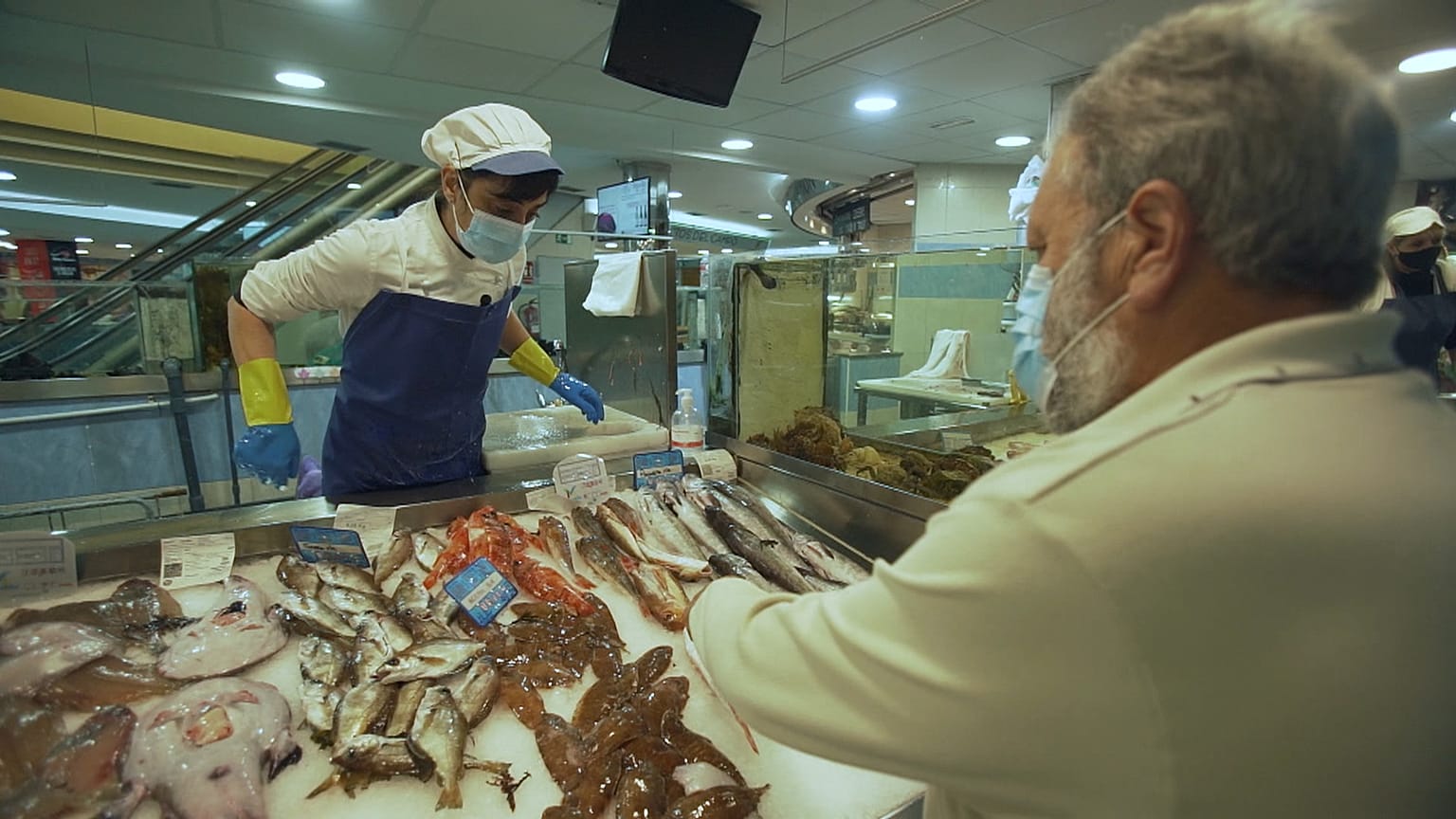
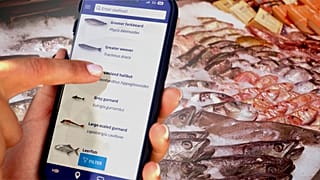
How much do we know about the fish we eat? Find out more about the complex journey fish take to get to your plate and how the EU is ensuring its quality and safety on this edition of Ocean.
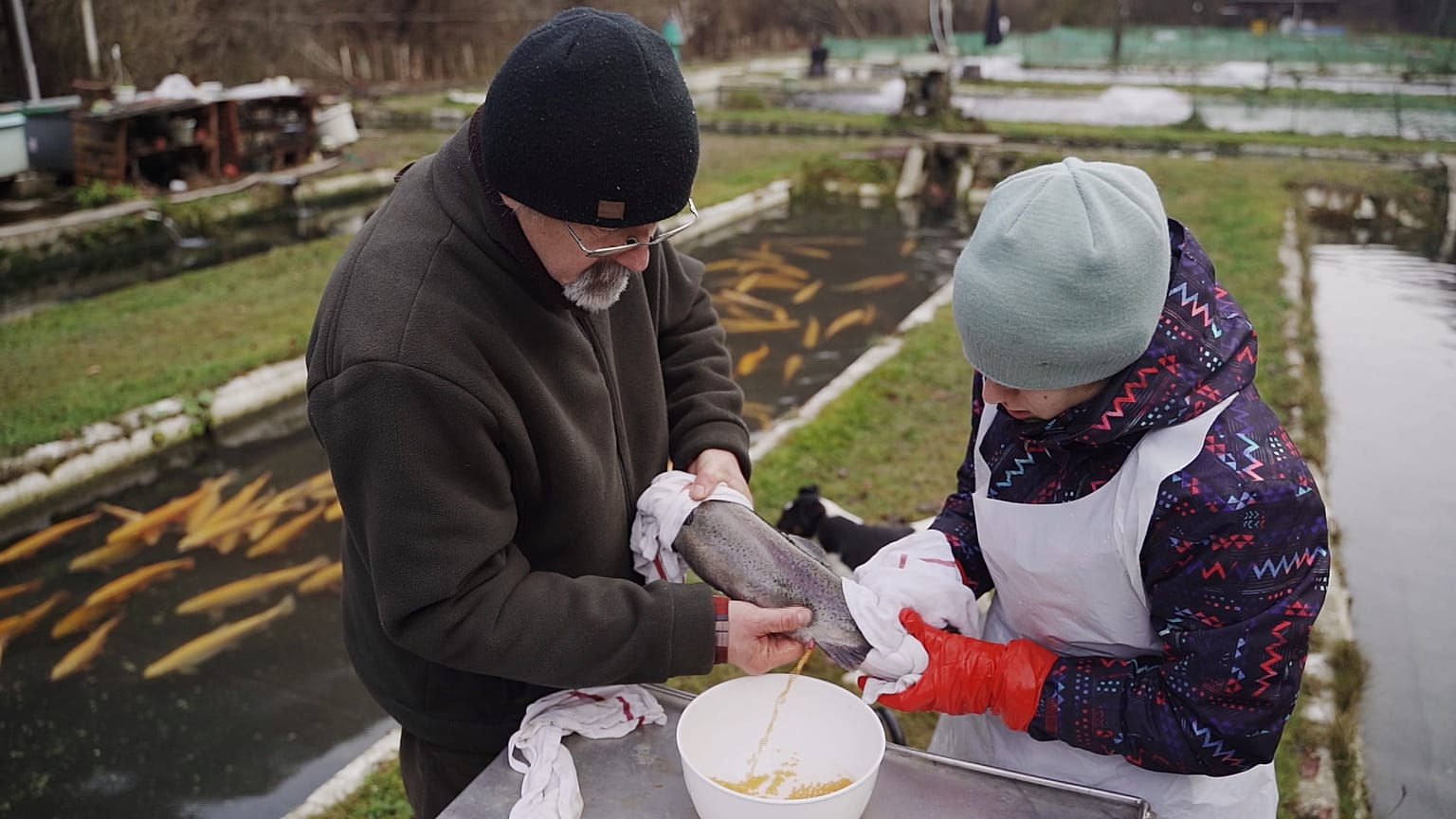
Among all European countries, Ireland is the leader in clean aquaculture, producing around 30 thousand tons of organically certified fish and shellfish every year, meanwhile, Hungary produces as much organic seafood as France or Denmark.
As part of our Euronews' Green Tomorrow initiative, Ocean has been investigating new methods to combat the scourge of marine plastic litter which, if left unchecked, could mean more plastic waste than fish in our oceans in three decades' time.
Eight million tonnes of plastic enters out oceans every year, damaging and degrading ecosystems - and entering the human food chain. What can be done about it?
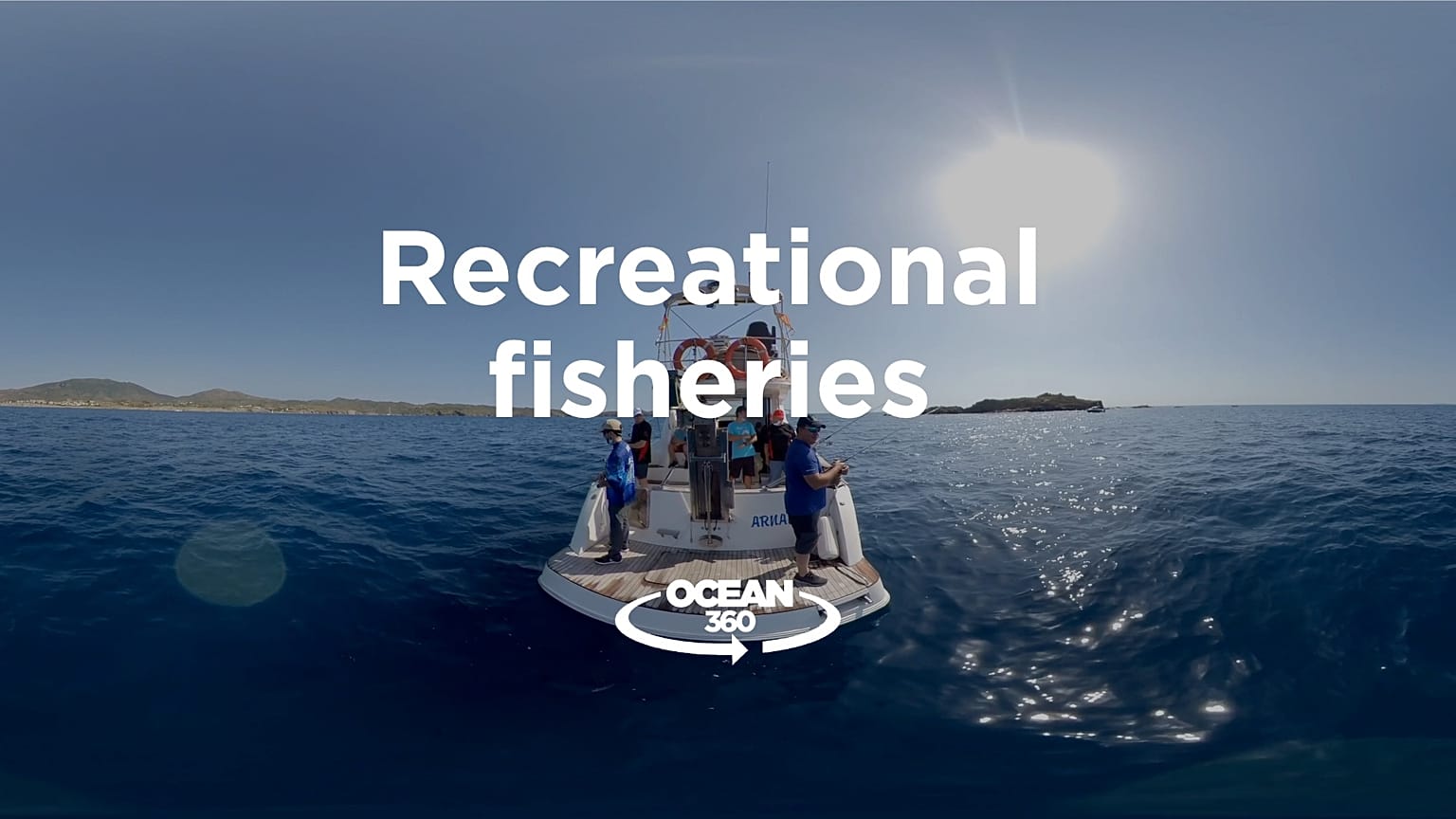
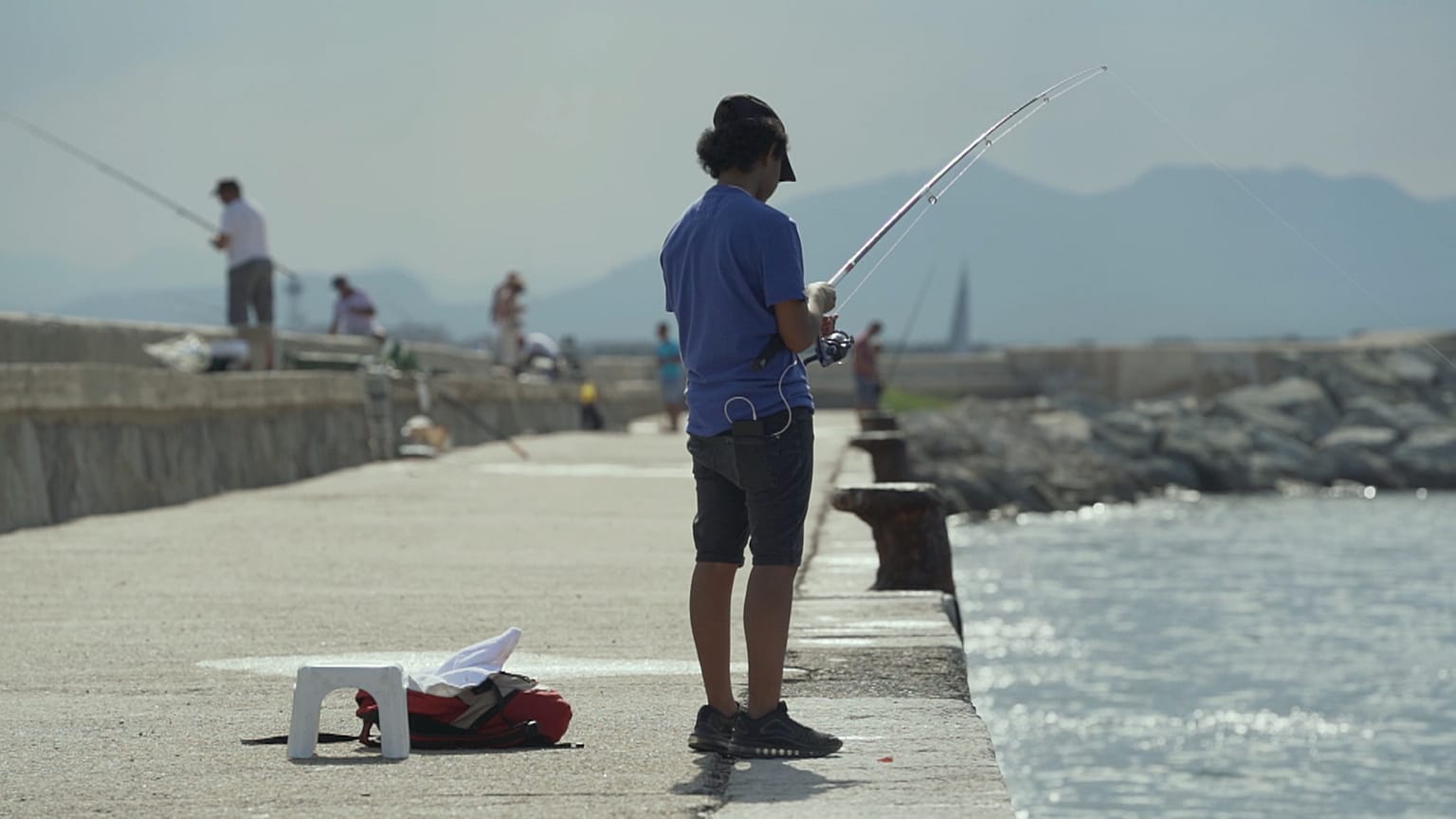
With the lifting of some restrictions in some areas of Europe anglers have been able to go fishing again. But experts are worried about the environmental impact
Europe's fishing industry has been badly hit by the coronavirus. In this episode of Ocean Euronews' Denis Loctier meets French fisherman trying to survive the crisis and explores how Europe is supporting the battered sector.
Ocean speaks to Virginijus Sinkevičius, European Commissioner for the Environment, Oceans and Fisheries, about how Europe's fishing sector will look post-COVID-19.
Facing the challenge of up to one million land and marine species becoming extinct within decades, scientists in Crete who are looking at ways to restore marine diversity.
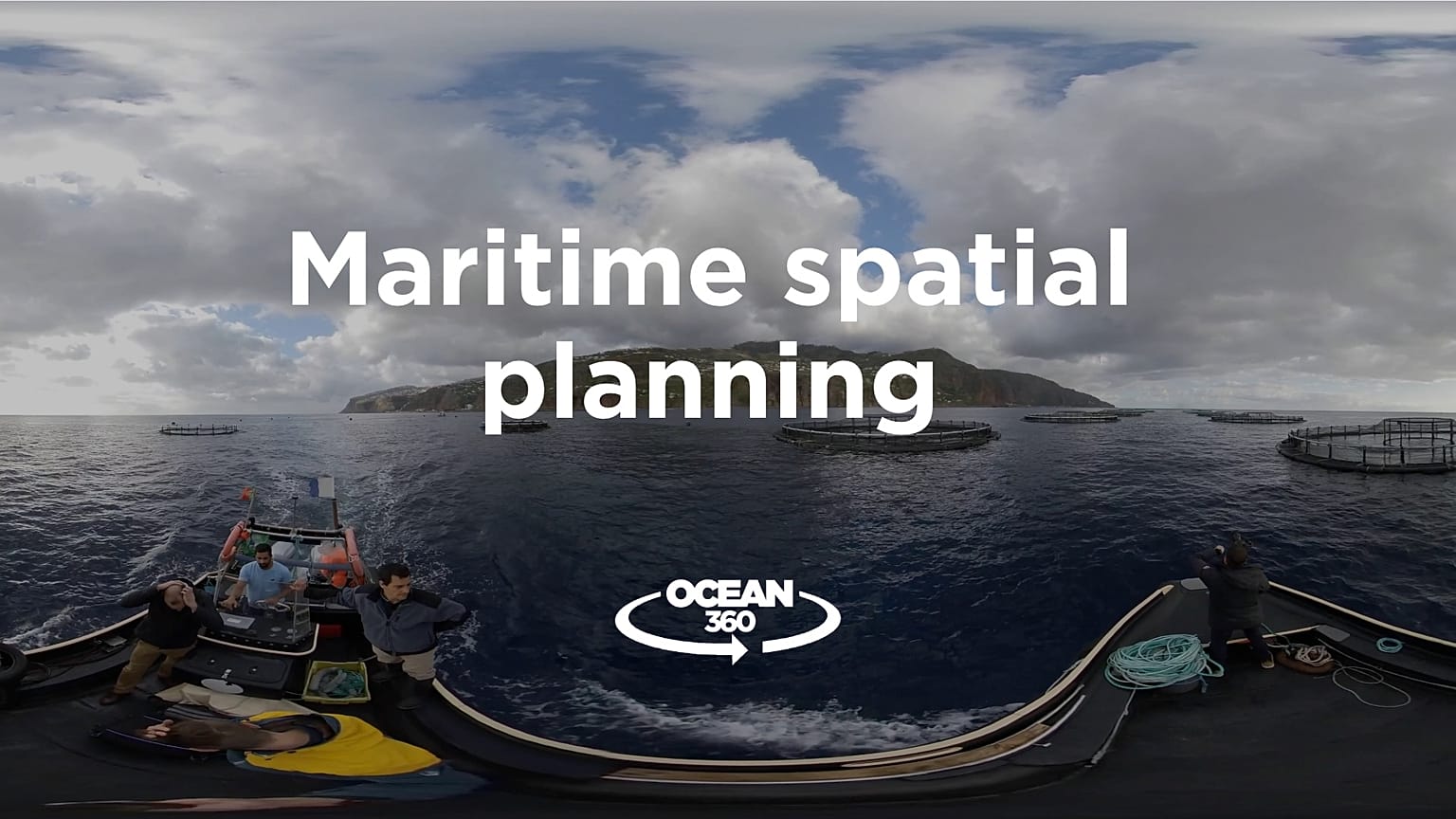
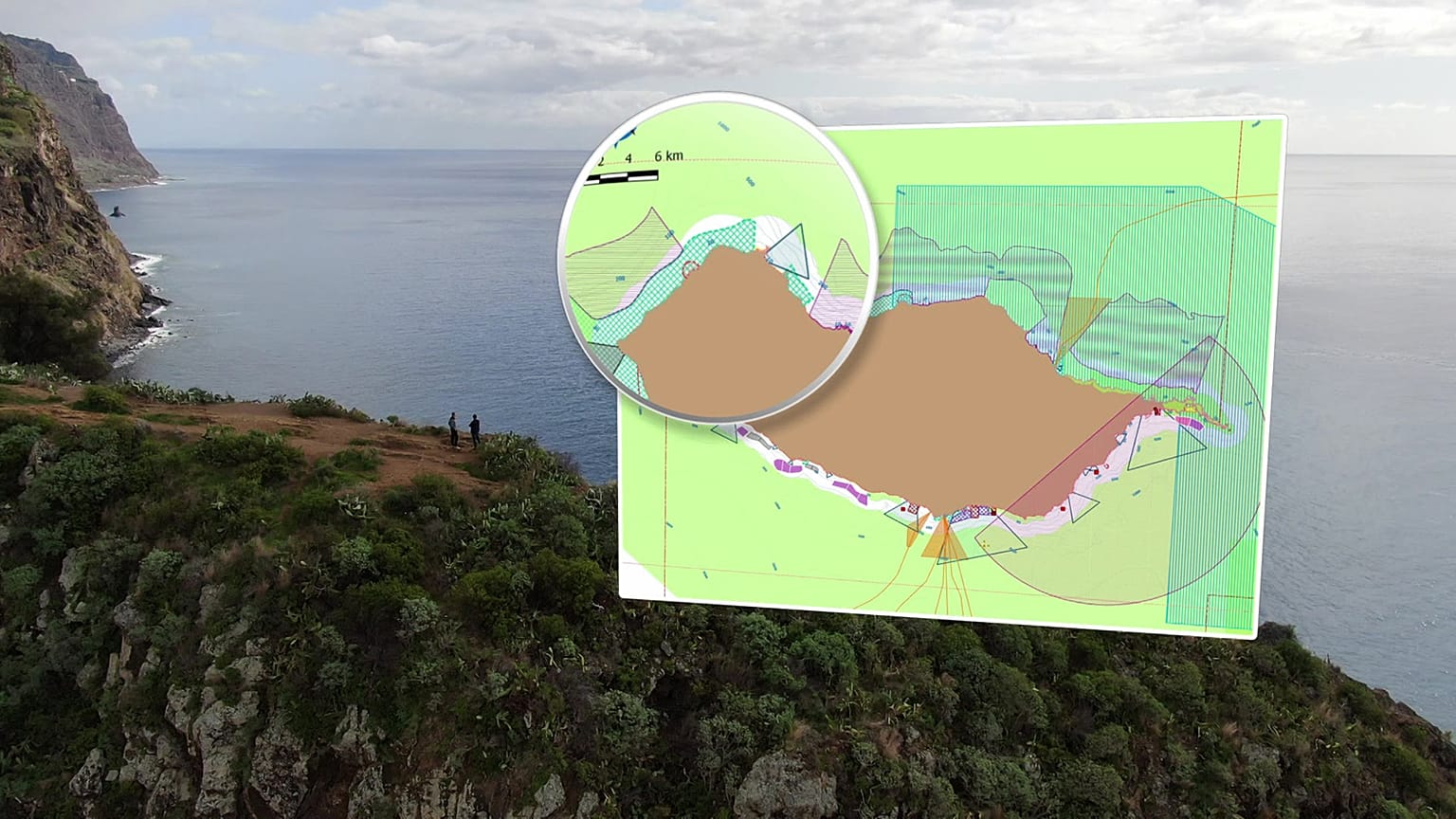
EU coastal member states have just over a year to come up with plans to boost the marine economy while preserving coastal ecosystems for generations to come. We look at how they're doing it.
Can you build a wind turbine in the same spot as a fish farm, and how do you make sure whale watchers and fishermen don’t clash at sea? It's all about maps.
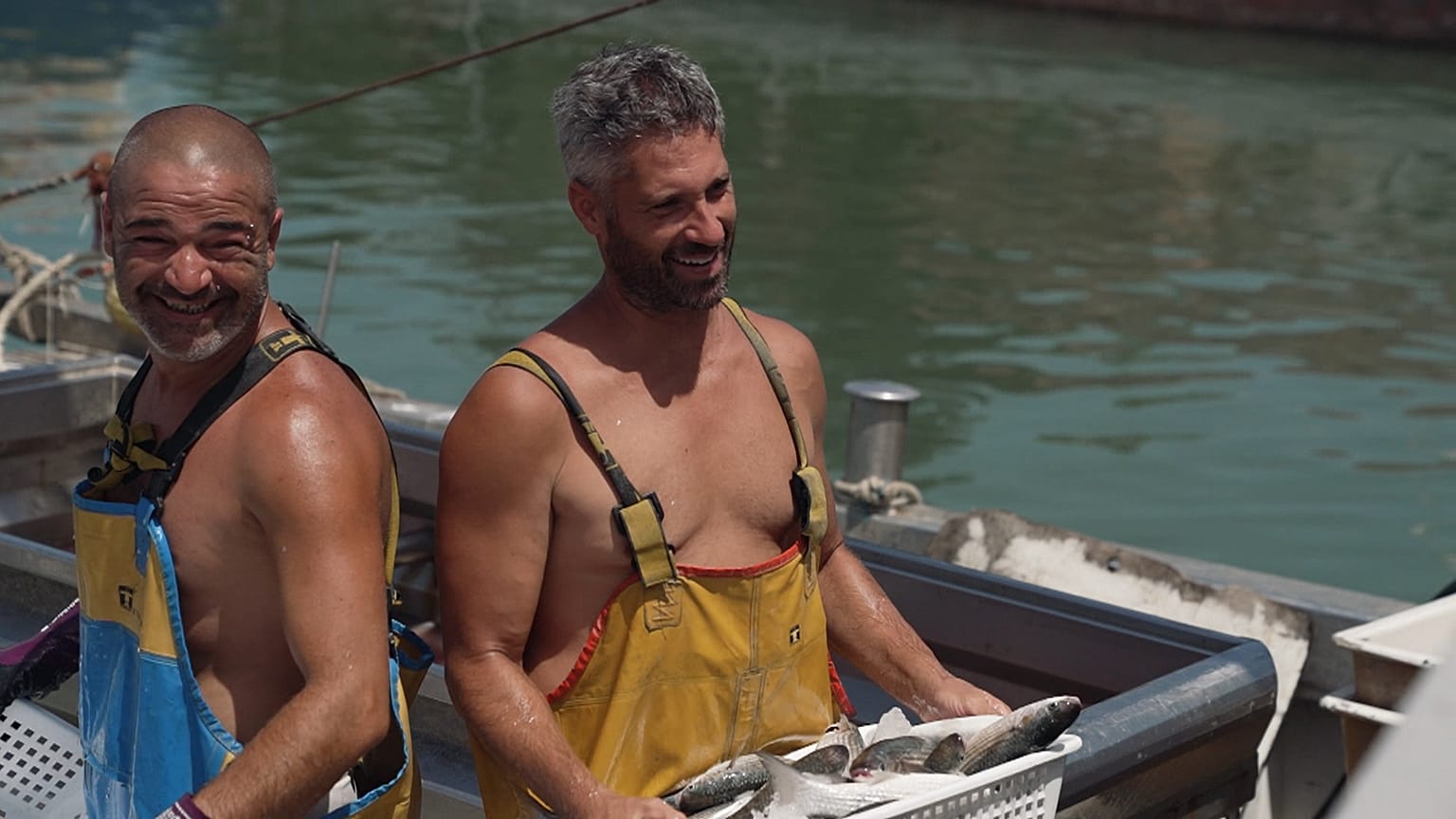
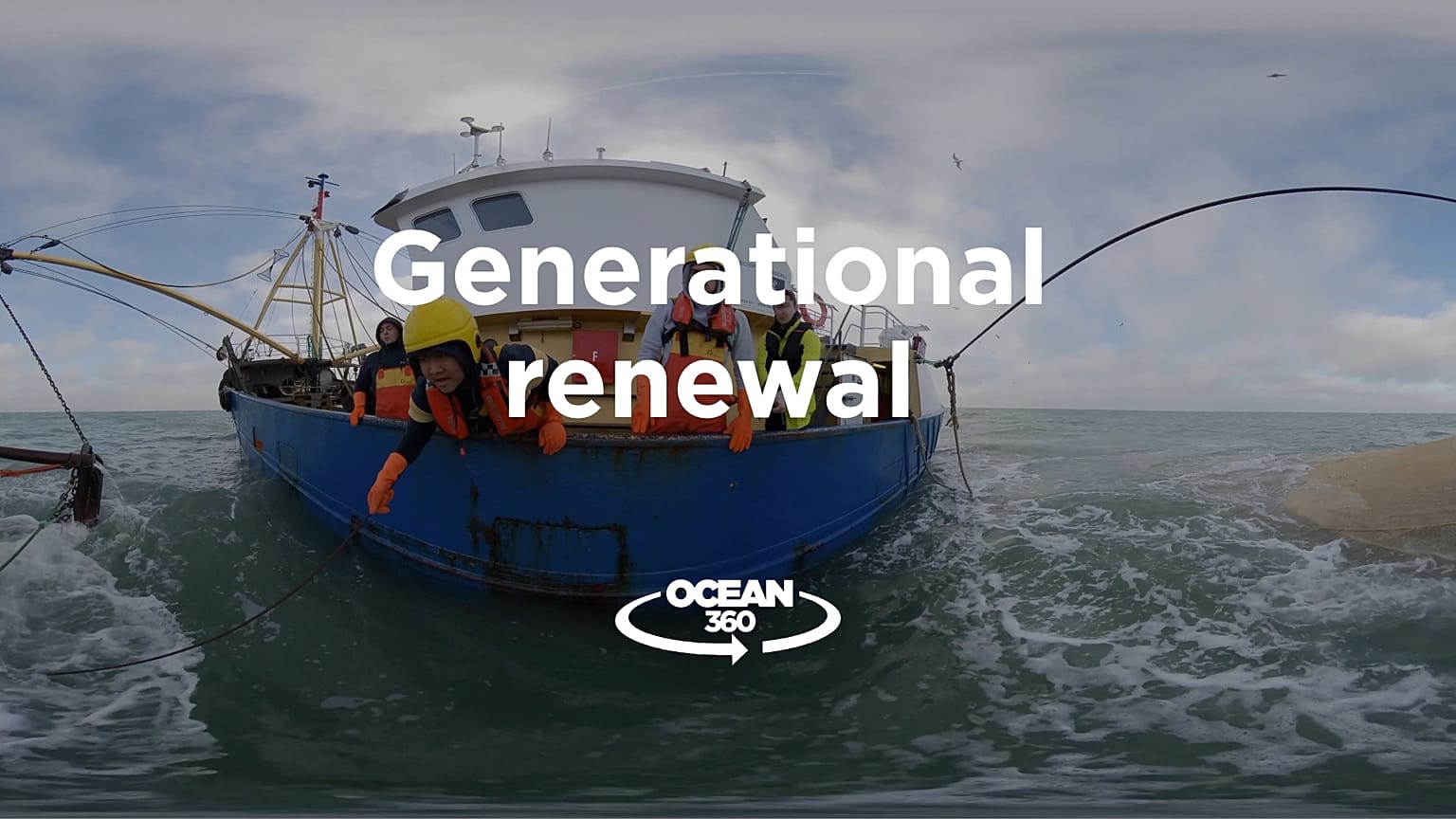
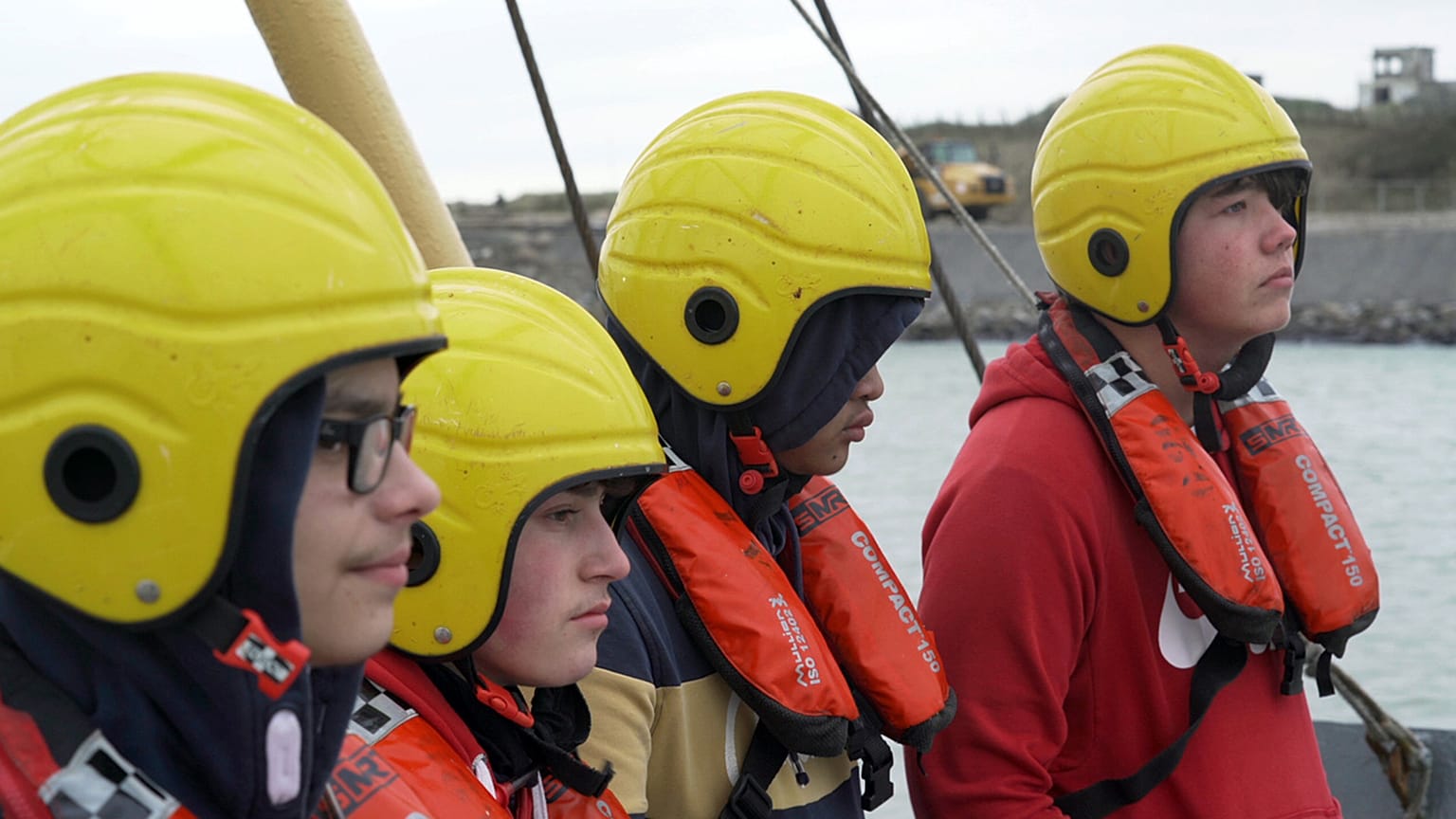
For generations fishing has been a respected trade and a traditional way of life for many families across Europe. But today, the number of local fishers is dwindling.
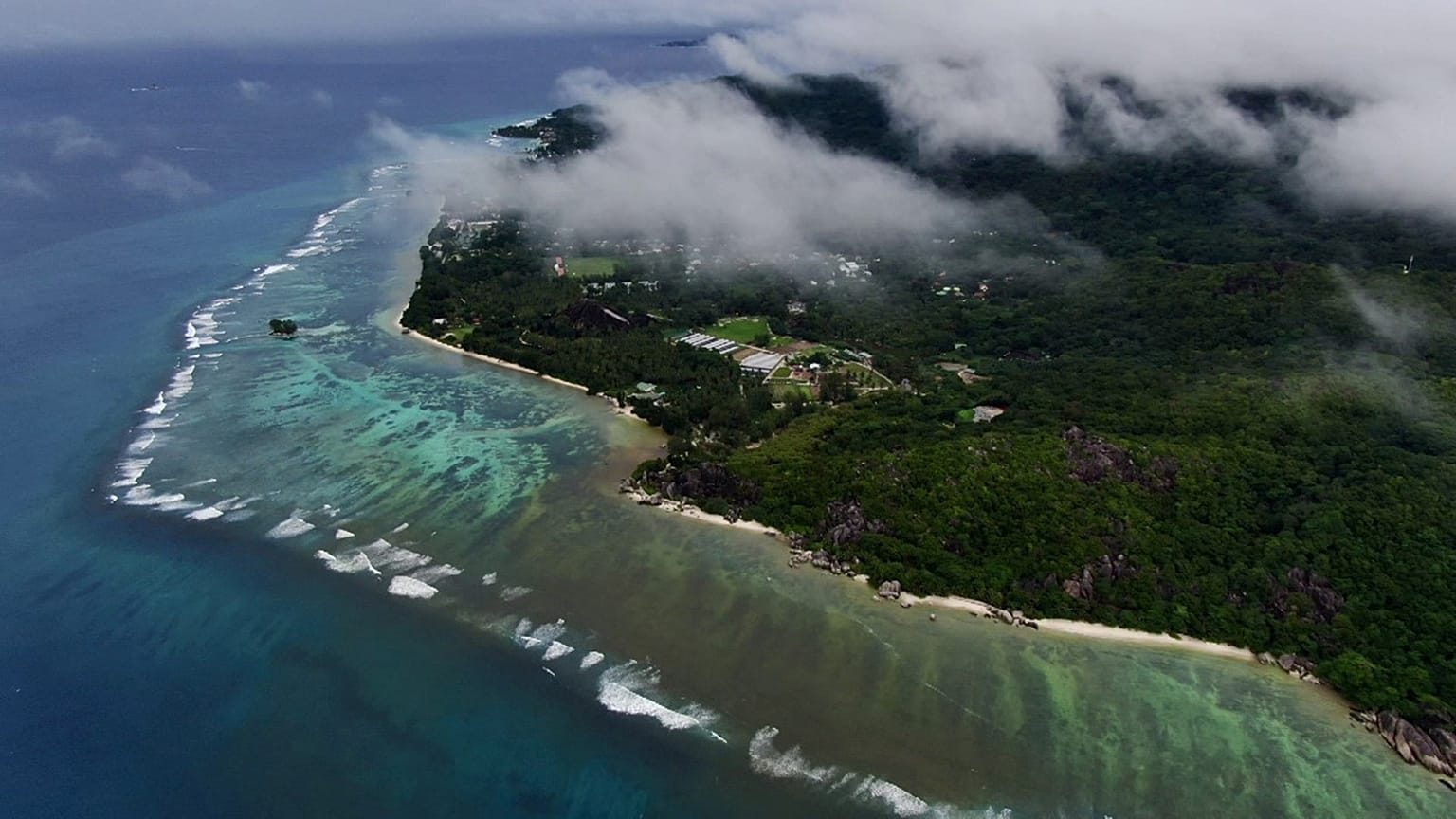
Seychelles and other small island states are at the forefront of climate change. With increasingly destructive hurricanes and floods, rising sea levels and dying coral reefs, how can island societies survive the climate impact?
Hans-Otto Pörtner, a co-author of the IPCC Special Report on the Ocean and Cryosphere in a Changing Climate, talked to Euronews about the future for small island states with ongoing climate change.
Images of rubbish piling up in the ocean can be a depressing sight. But the good news is that there are signs that cleanup campaigns are having an impact.
Climate change is making Arctic waters more accessible to vessels, raising the controversial prospect of industrial-scale fishing. Here's how world countries came together to protect the fragile Arctic ecosystem - for now.
"If you start fishing, you can destroy the ecosystem, or the balance of the organisms." This MOSAiC expedition scientist is mapping the hidden Arctic sea life
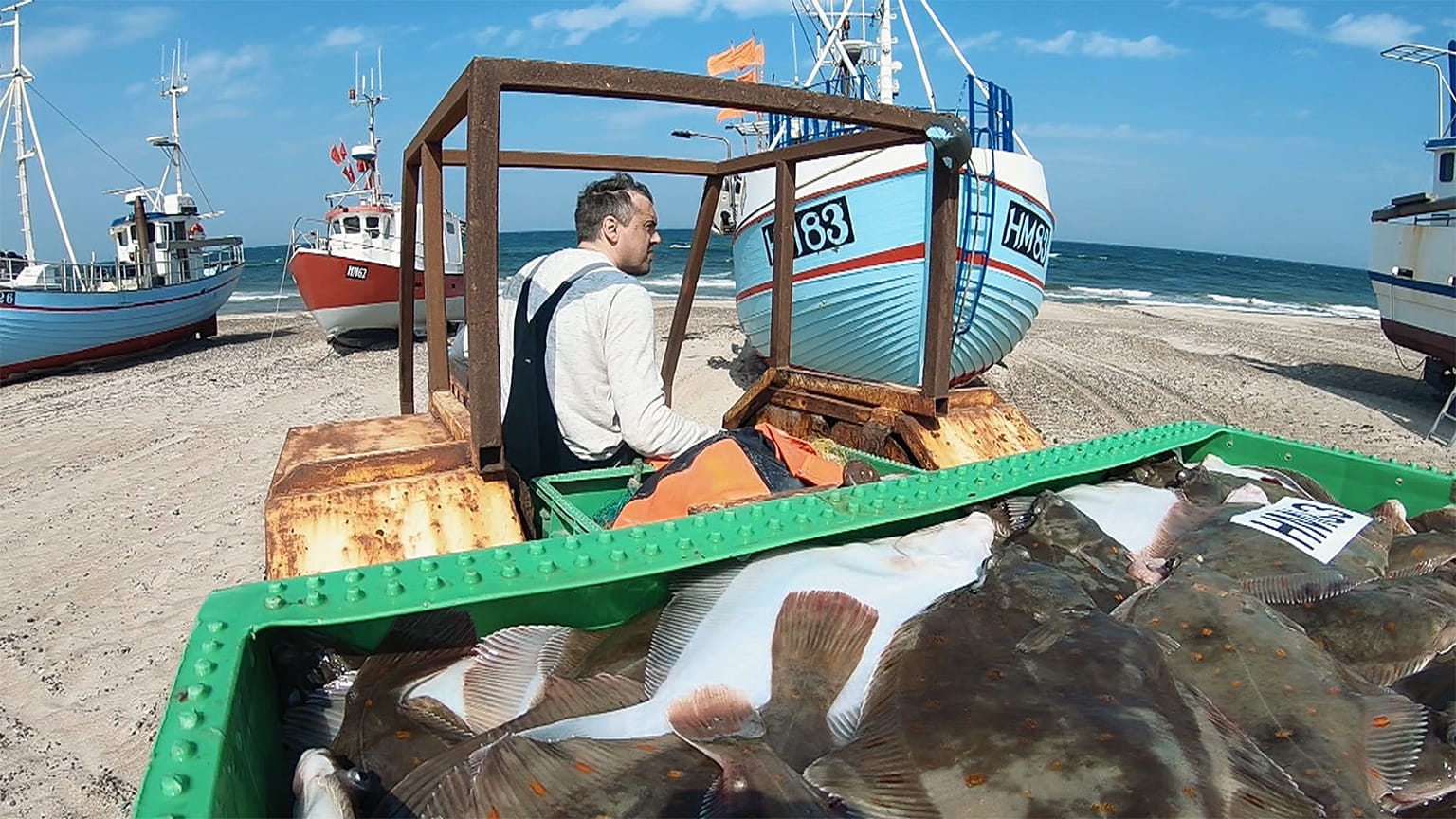
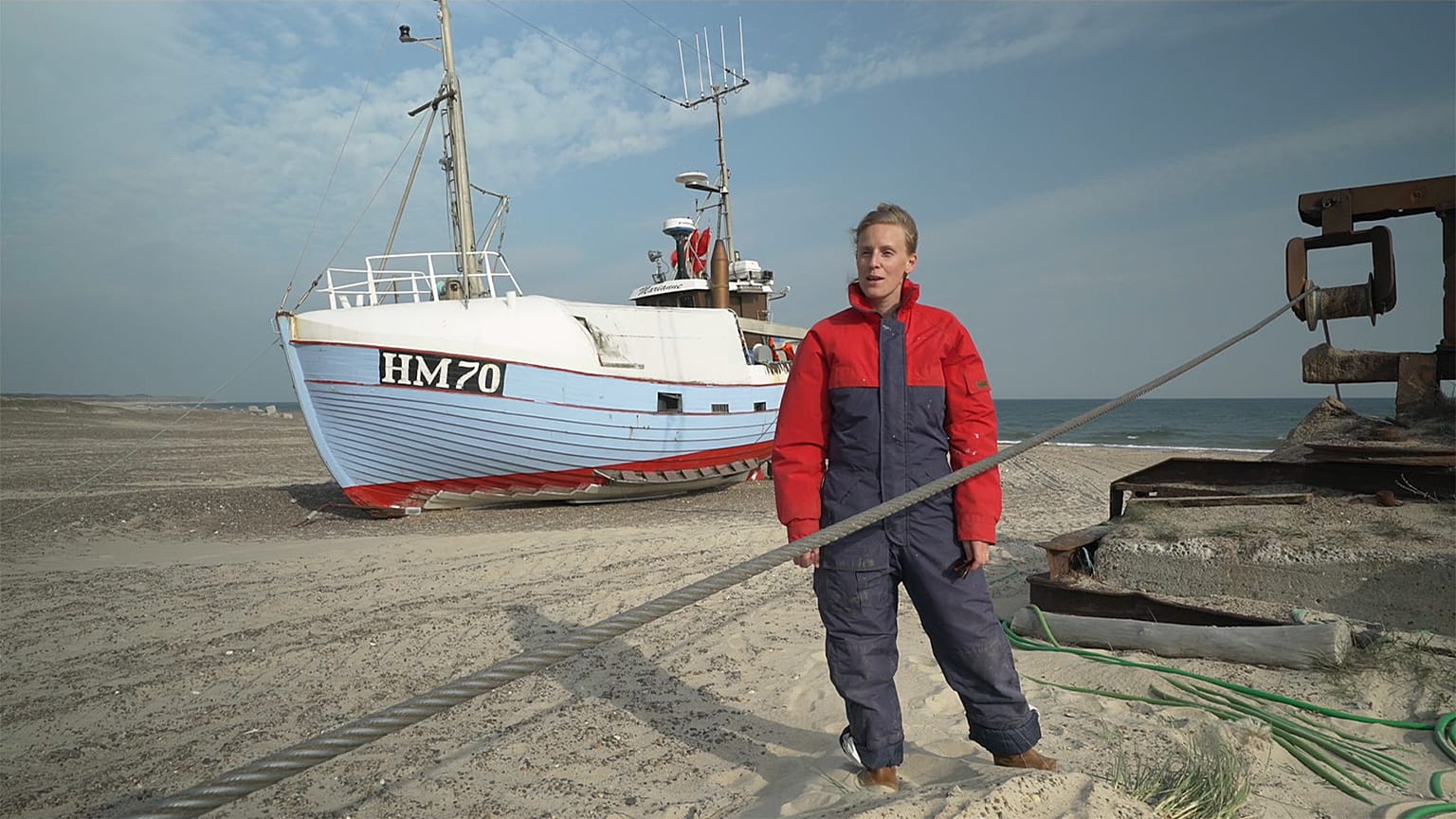
Small, traditional boats have been essential to Danish fishermen for generations, but their future looks increasingly bleak.
Meet the fishermen fighting to preserve the tradition and learn what makes these boats special, in this 360° video.
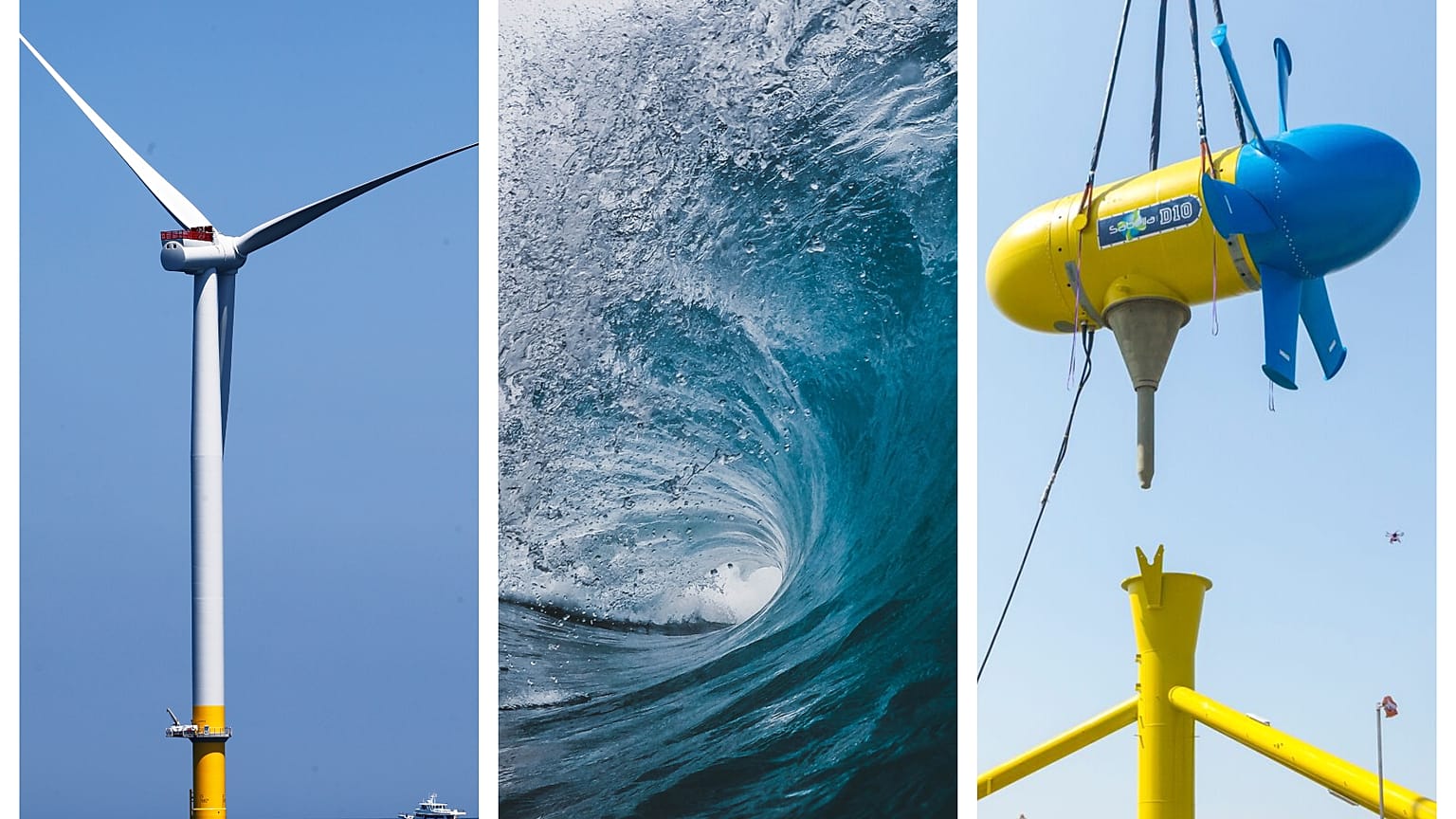
In this episode of Ocean, Denis Loctier travels to the west coast of France and northern Scotland to see what Europe is doing to tap into the immense power of the sea.
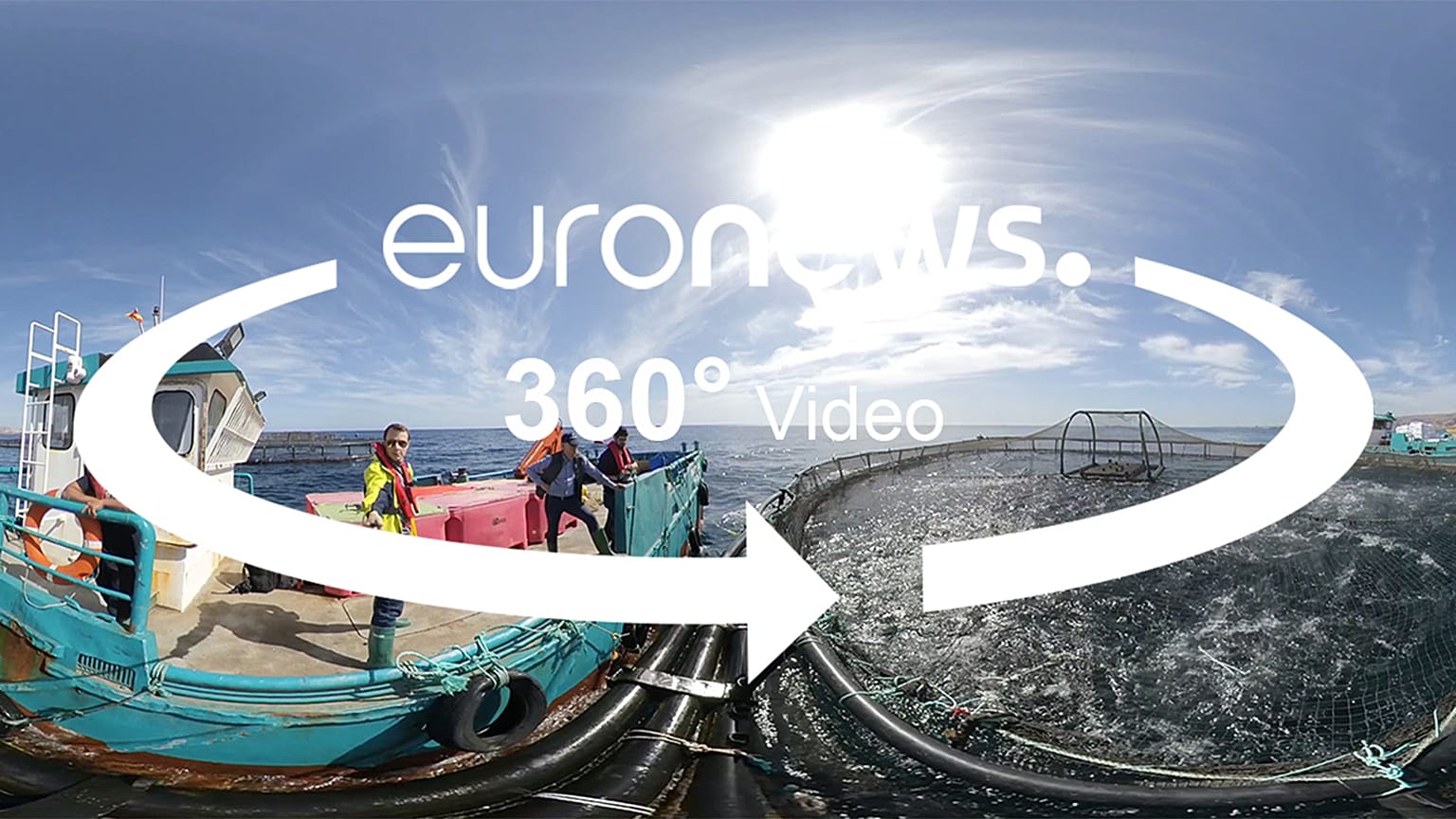
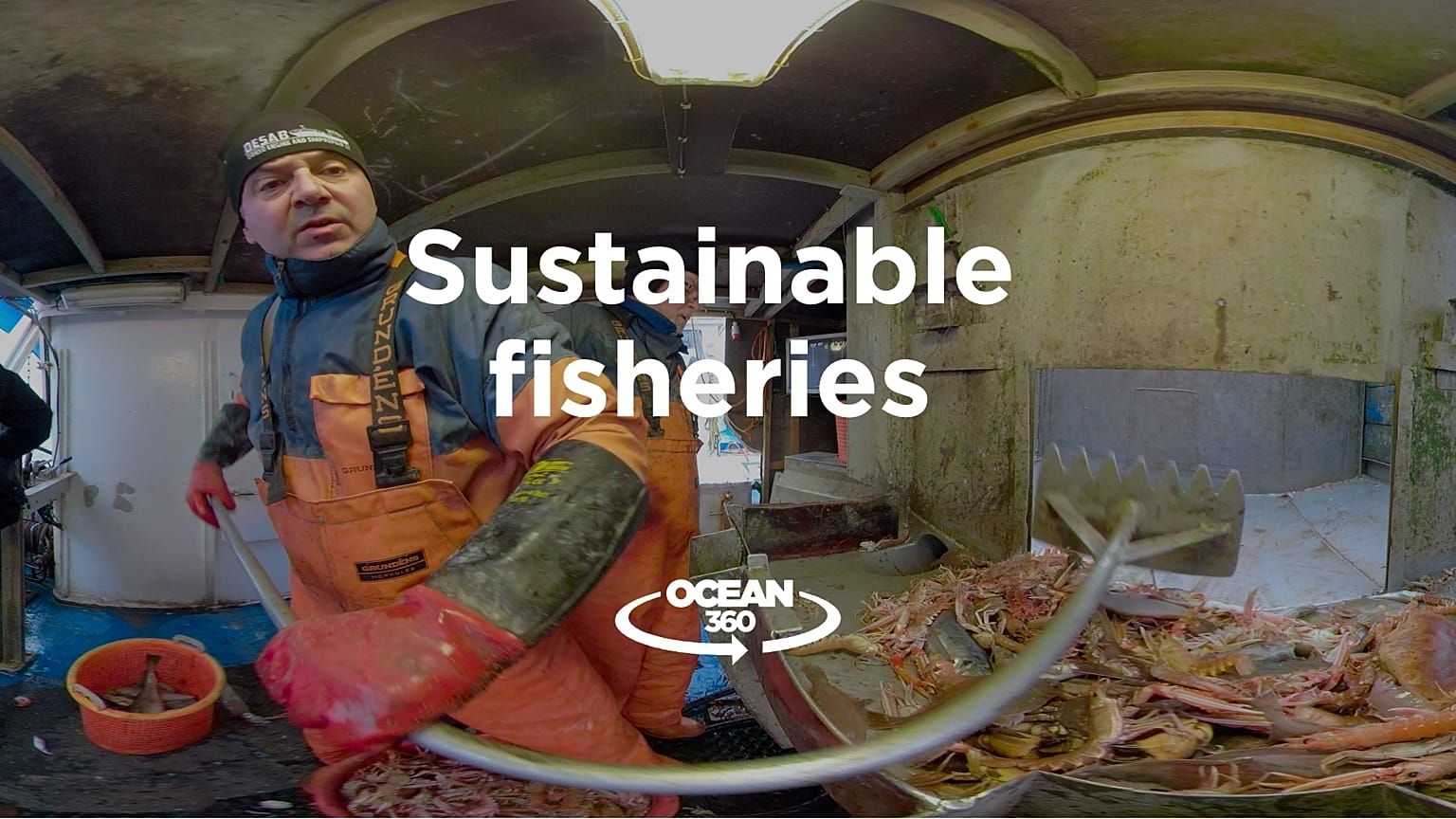
As part of an episode on how fish farming could offer the world a more sustainable future, the Euronews Ocean team shot a 360 video at fish farm Aquanaria.
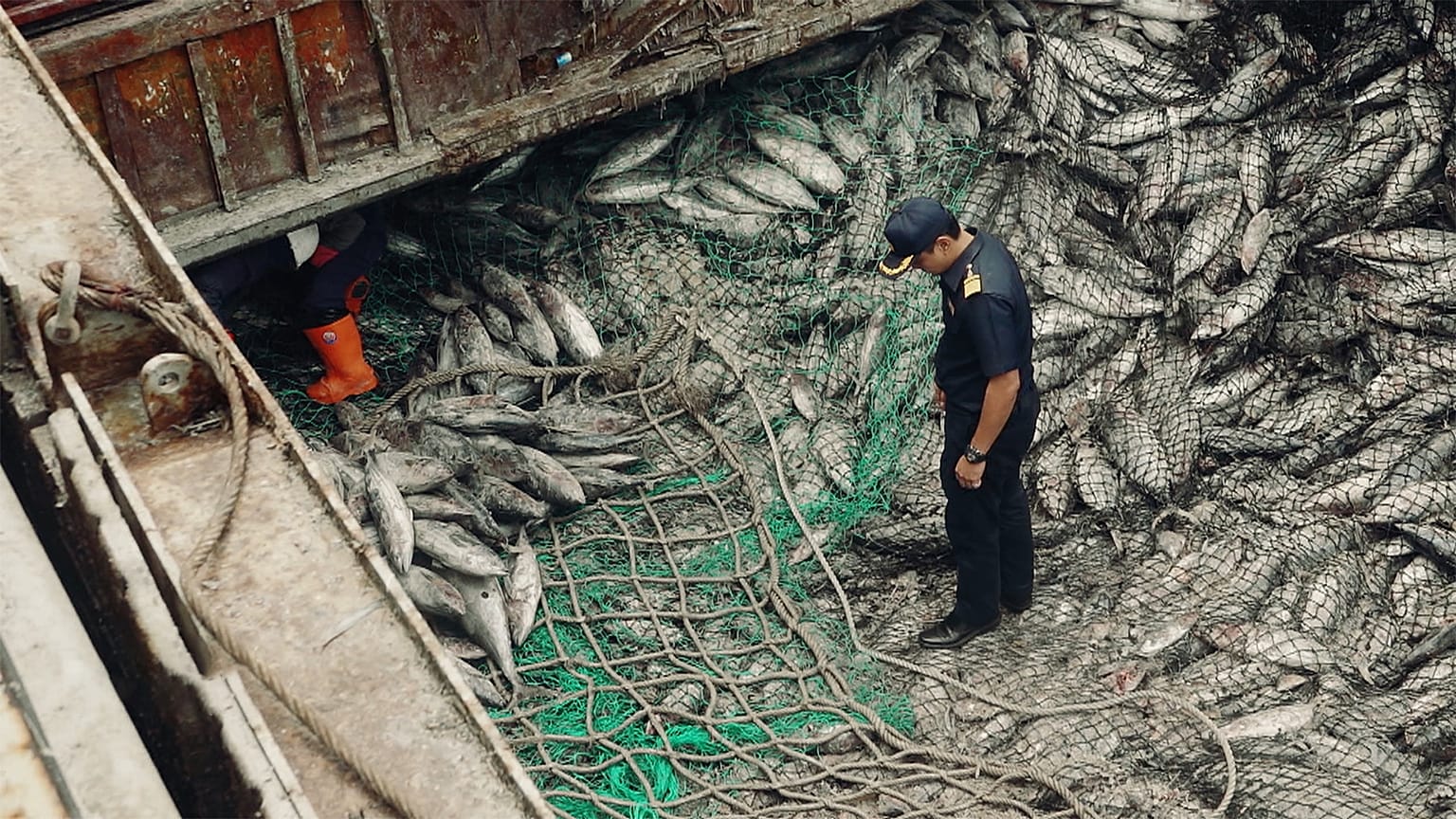
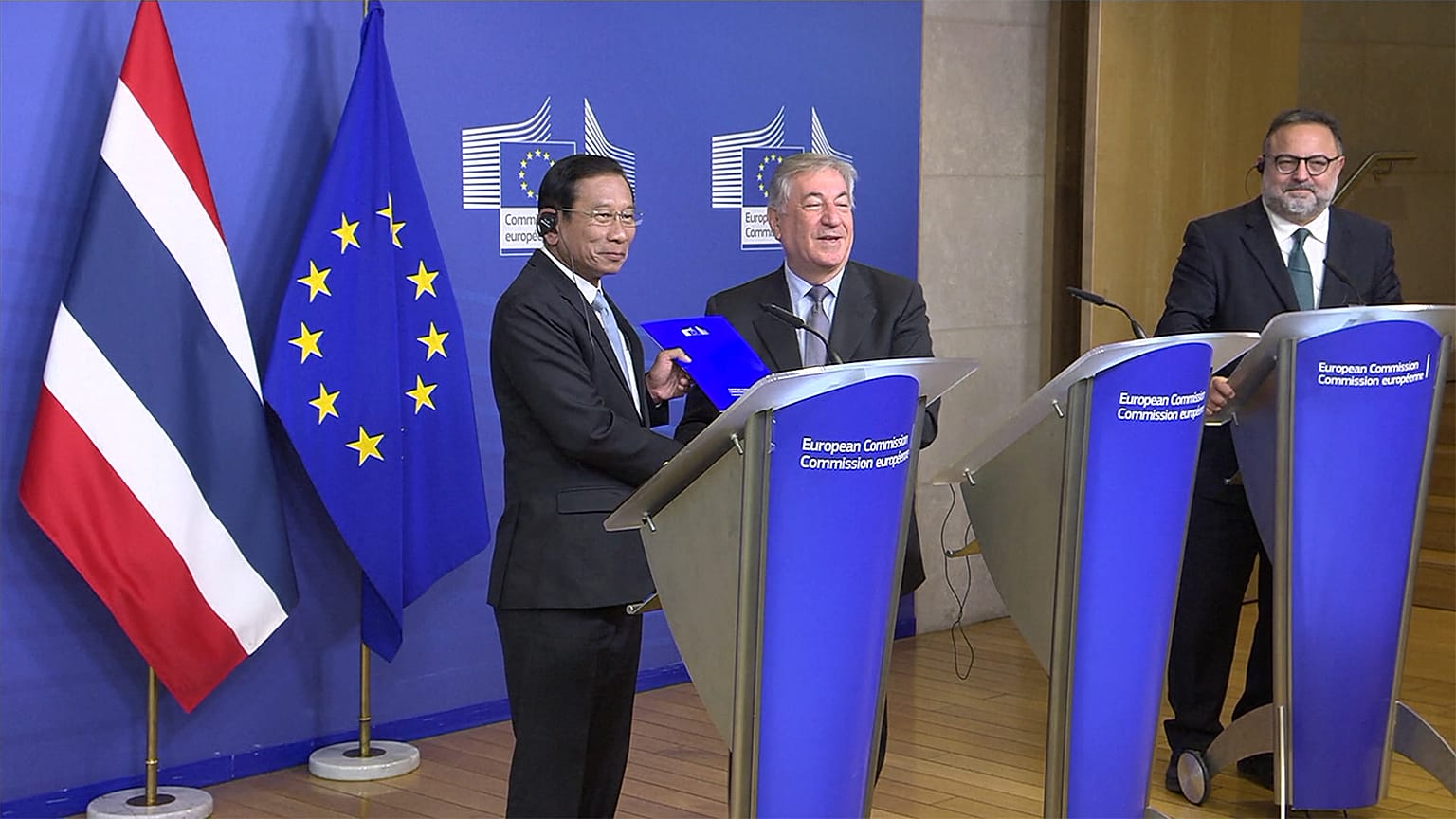
The measures Thailand has now adopted to satisfy the EU range from new rules to vessel monitoring systems and a satellite-based system of tracking the movements of fishing boats.
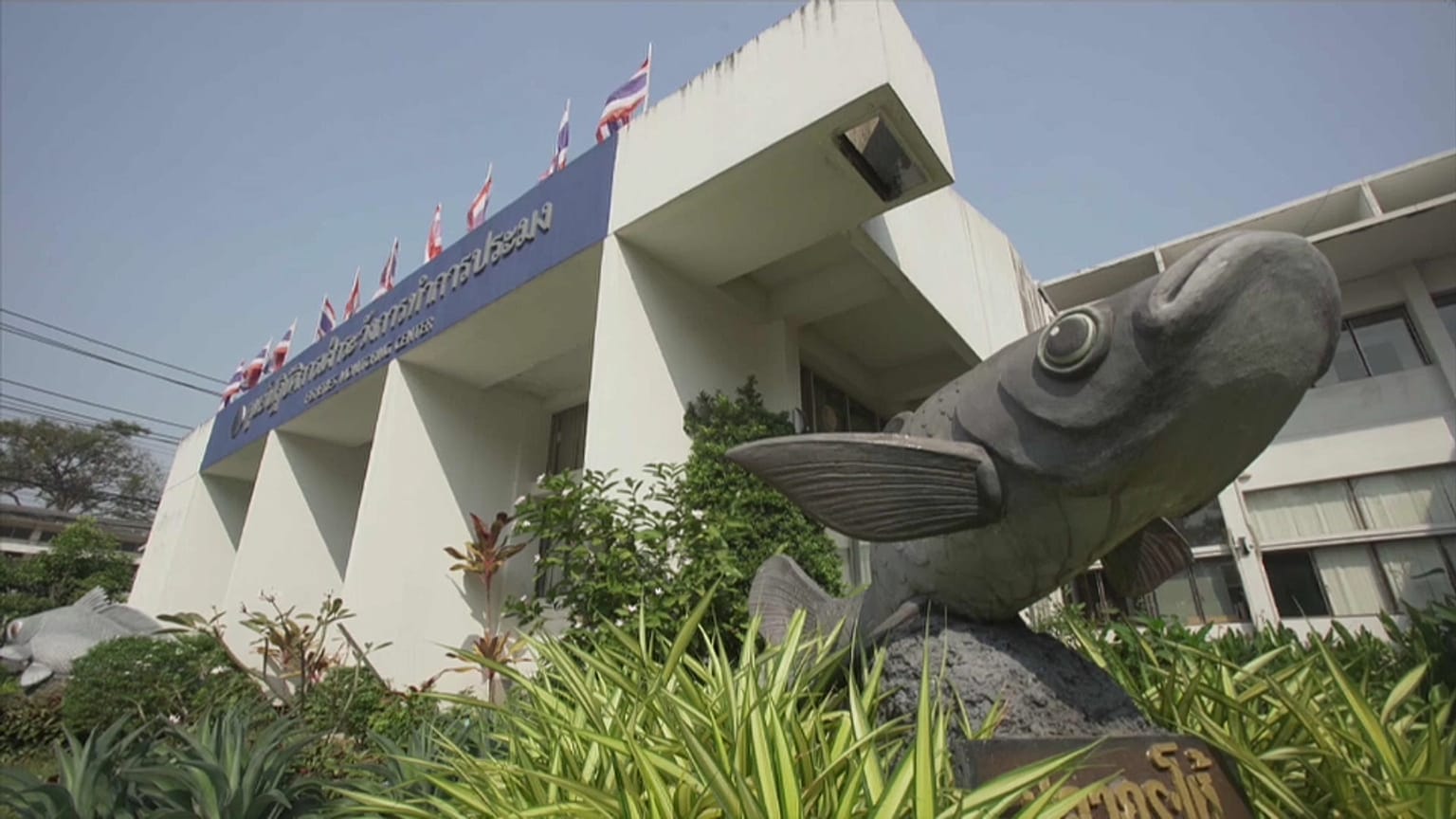
Thailand has begun intercepting and inspecting fishing boats far out at sea this year, one of many new measures to curb its dangerously high levels of overfishing.