





























The Slovenian government has alleged that Israeli intelligence firm Black Cube met with opposition politicians in a “direct attack” on the country’s sovereignty ahead of a parliamentary election next Sunday. The opposition party has rejected the accusations.
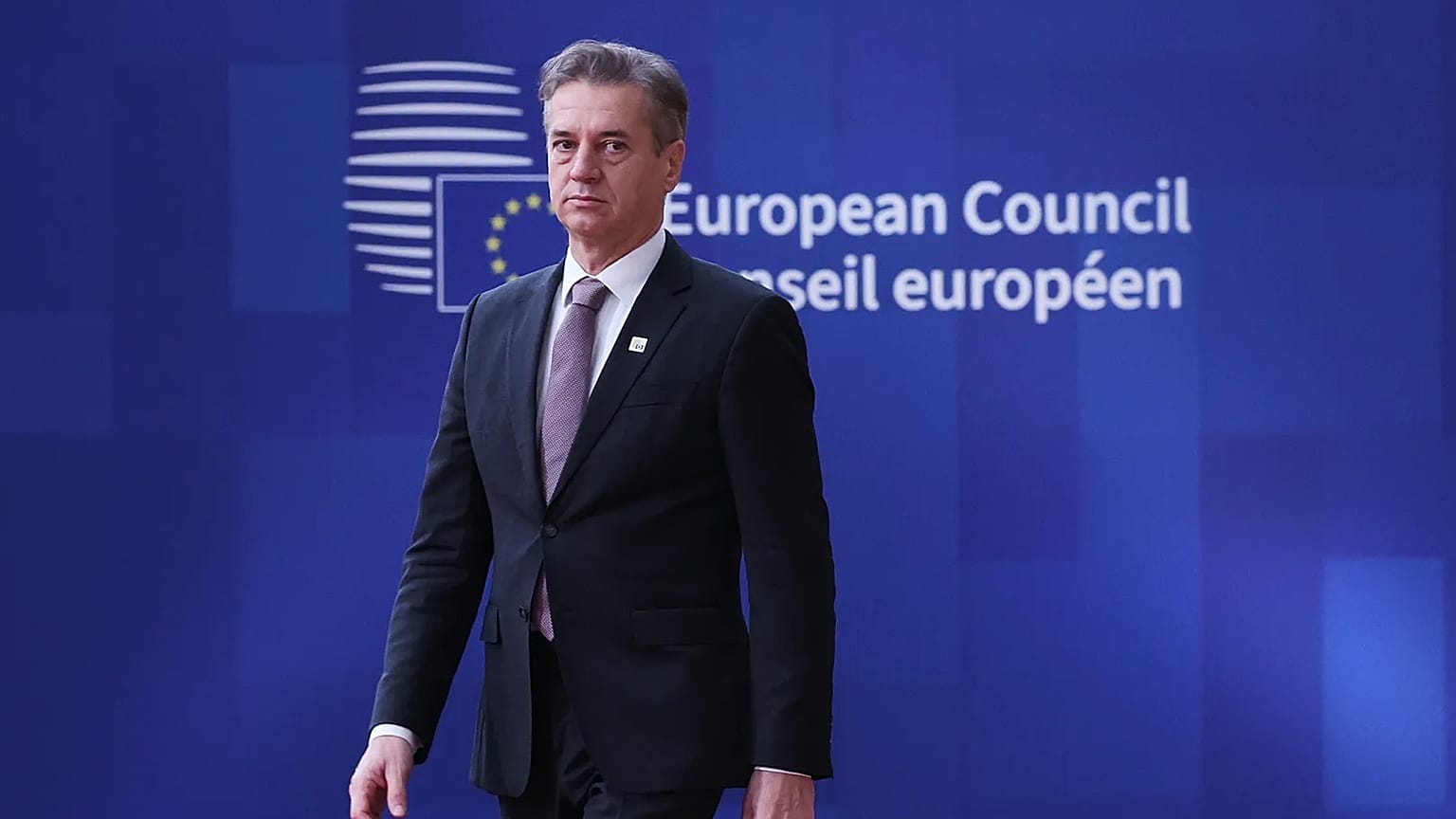
Slovenia's prime minister Robert Golob has accused "foreign services" of interfering in the country's upcoming parliamentary elections after reports emerged that officials from Israeli private spy firm Black Cube allegedly visited the country in December and met the main opposition contender.
 ADVERTISEMENT
ADVERTISEMENT
ADVERTISEMENT
A Slovenian rights group, together with an investigative journalist and two researchers, in a press conference on Monday claimed Black Cube was behind videos showing alleged corruption and linked it to former Prime Minister Janez Janša's Slovenian Democratic Party (SDS).
"This is a direct attack against our sovereignty," Foreign Minister Tanja Fajon told Slovenian journalists in Brussels when asked about the allegations.
She slammed "an attack against democracy" if the alleged foreign interference was proven.
Earlier this month, a series of secretly recorded conversations with an influential Slovenian lobbyist, a lawyer, a former minister and a manager were published.
The videos show them suggesting ways of influencing decisionmakers in Prime Minister Robert Golob's centre-left coalition government in order to speed up procedures or gain contracts.
Some of those implicated said they had been recorded secretly at meetings with people claiming to represent foreign investors and were manipulated to compromise them and the authorities.
Black Cube, which was founded in 2010 by former Israeli intelligence officers, describes itself as providing "intelligence services for high-profile litigations, arbitrations and white-collar crime cases."
Nika Kovac, director of rights group Institute 8 March, told reporters earlier on Monday that the publication of the videos was "very similar to those released ahead of the elections in other countries in Europe and the world mostly attributed to intelligence company Black Cube."

Weekly Mladina's investigative journalist Borut Mekina told the same press conference that he discovered Black Cube officials had visited Ljubljana three times by the end of last year.
On their last visit on 22 December, Janša welcomed them personally at the SDS headquarters, Mekina said, citing undisclosed sources.
Janša's SDS in a statement said they had never heard about Black Cube.
He slammed "unprecedented corruption of the leftist elite" revealed through the videos.
President Nataša Pirc Musar, who is not aligned with any political party, also raised concerns about the allegations.
"The extent of the activities of external actors has not yet been fully disclosed or explained, but the activities presented to date seriously undermine the democratic foundations of the Republic of Slovenia, regardless of who leads the government or who is in the opposition," she said.
Sunday vote
Slovenians head to the polls next Sunday for parliamentary elections that could see the conservative opposition retake power from the liberal government of Prime Minister Robert Golob.
While the conservative leader Janez Janša has long held a lead in the polls, the gap has closed significantly in recent weeks in the former Yugoslav nation of two million people.
Janša, a three-time prime minister and ally of Hungary's Prime Minister Viktor Orbán, has campaigned to restore "Slovenian values," focusing on the "traditional family" and cutting state funding to NGOs.

Also an admirer of US President Donald Trump, Janša has frequently clashed with Brussels and drawn mass protests at home, with critics accusing him of attacking media freedom and the judiciary and of undermining the rule of law during his third mandate as prime minister, which ended in 2022.
"If the right-wing bloc wins, this would mean the fall of another liberal stronghold in Europe," argues political commentator Aljaž Pengov Bitenc, noting the rise of far-right parties across the continent.