

The five checkpoints will close from 1 December, with a possible review in six months, after an attempted arson at a defence facility near Tallinn that Estonian authorities say Russian military intelligence ordered. Rail services will remain unaffected.
Estonia formally approved the closure of all road crossings on its border with Russia from 1 December, in response to a sabotage attack on a defence company that Tallinn attributed to Russian military intelligence.
 ADVERTISEMENT
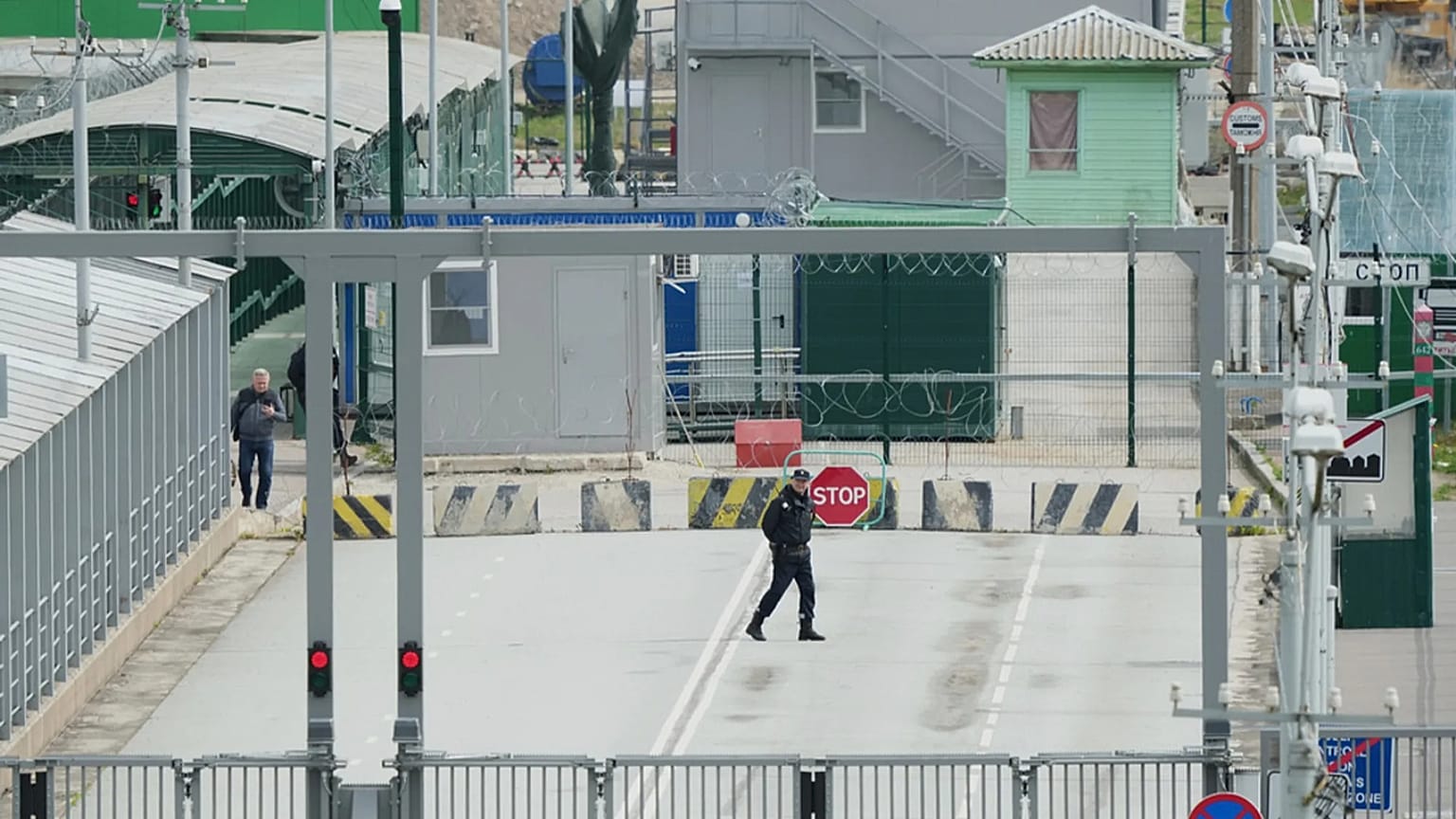
All five checkpoints — Narva-1, Narva-2, Koidula, Luhamaa and Saatse — will be closed. The government said it may review the decision in six months. Rail services will not be affected.
The government described the move as "a response to Russia's ongoing hostile actions against Estonia and other European countries." Prime Minister Kristen Michal said Estonia would "not allow Russia to use our openness against us."
The closure follows an attempted arson at the Threod Systems defence facility in Viimsi, near Tallinn, on the night of 14 November. Production and products were undamaged.
Authorities detained eight people from Latvia in connection with the incident.
Foreign Minister Margus Tsahkna announced last Sunday that Estonia was considering closing the border, citing evidence that the GRU, Russia's military intelligence agency, had ordered the attack.
Estonian defence companies have been targeted twice this year. The Estonian Internal Security Service said Russian security services authorised both operations.
Earlier this week, President Ülle Madise urged the cabinet not to act "under the influence of emotions," while acknowledging that keeping the borders open meant extra work for Estonia's security agency Kapo.
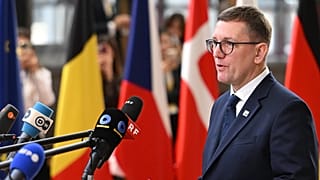
Estonia is not the first EU country on Russia's border to take such a step. Finland closed its land border with Russia in December 2023, and Latvia, Lithuania and Poland have significantly curtailed crossings at their eastern borders in recent years.
In practice, only three of the five checkpoints — at Narva, Luhamaa and Koidula — were in active use before the decision. Russia suspended road traffic at Narva in February 2024, though pedestrian crossings remained open.
Moscow denied involvement in the sabotage attacks, and the Foreign Ministry slammed the decision as "Russophobia".