

From upside-down houses to furniture built for giants, Jean-François Fourtou's sculpture park in the Moroccan city of Marrakech turns childhood memories into a surreal, immersive experience.
What if you could step back into your childhood and see the world exactly as you did then? In Marrakech, one French artist is doing just that by presenting upside-down houses, giant furniture and surreal, wildly imaginative sculptures.
 ADVERTISEMENT
At Ramakech, an outdoor sculpture park located on the outskirts of the Moroccan city, visitors can immerse themselves in the work of Jean-François Fourtou, whose sculptures draw heavily on memories of childhood, family and the way we experience the world as children.
Perhaps the star attraction of the 11-hectare park is 'The house that fell from the sky'. Created in 2010, the house is completely inverted, with furniture, windows and bathroom fixtures turned upside down, giving the impression that, as the title suggests, it's come and crash landed onto its roof.
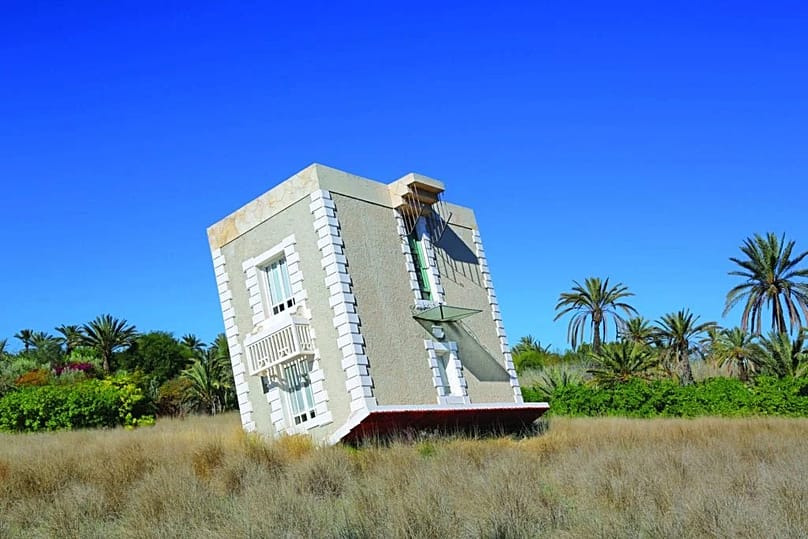
"'The house that fell from the sky' is the house where my grandfather died more than 30 years ago. He was a very important figure throughout my childhood, inspiring me and shaping the way I express myself artistically, including the way I do today. So, I wanted to pay tribute to him," says Fourtou.
He adds: "To me, it is as if he had sent this house back to me from the sky. It was a small rented house in Charente-Maritime, where he used to spend his summers."
Childhood is a theme that runs throughout the park, with many of Fourtou's installations drawing on the strange, exaggerated way the world can feel when you're a child.
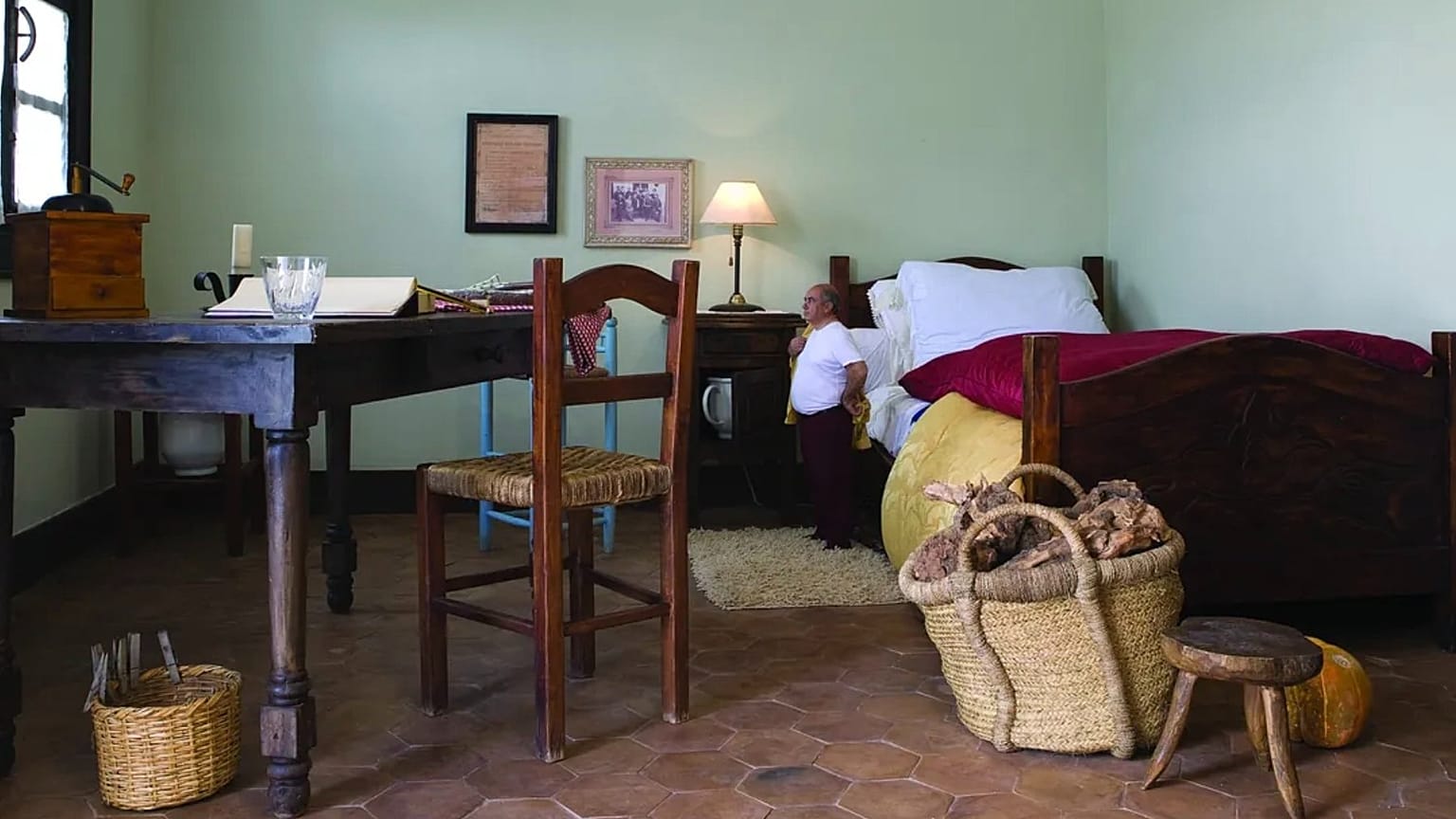
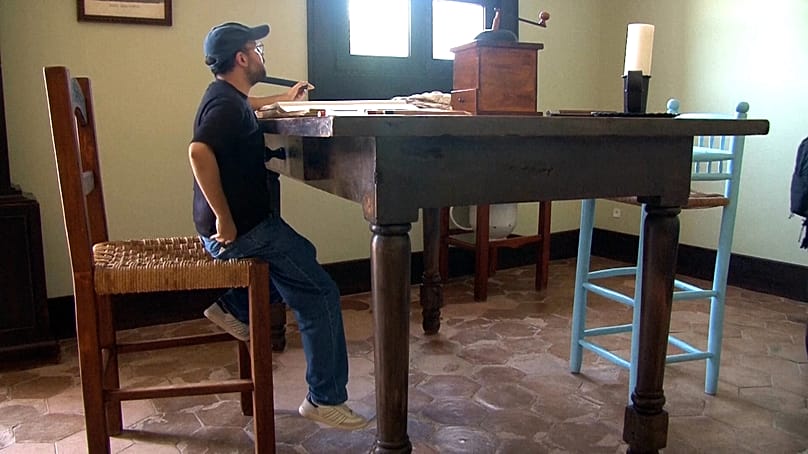
His 'Giant House' is one of the first installations he created for the site, featuring oversized furniture and everyday objects, from chairs and tables to notebooks, pens and clothing. Visitors are encouraged to release their inner child and climb, sit and interact with the objects.
"I wanted to recapture the feelings I had when I was four years old, staying at my great-grandmother’s house in a village in the south of France. There was barely any running water, no bathroom, and everything was very rustic. I have wonderful memories of that place, and I wanted to rediscover those childhood sensations," explains Fourtou.
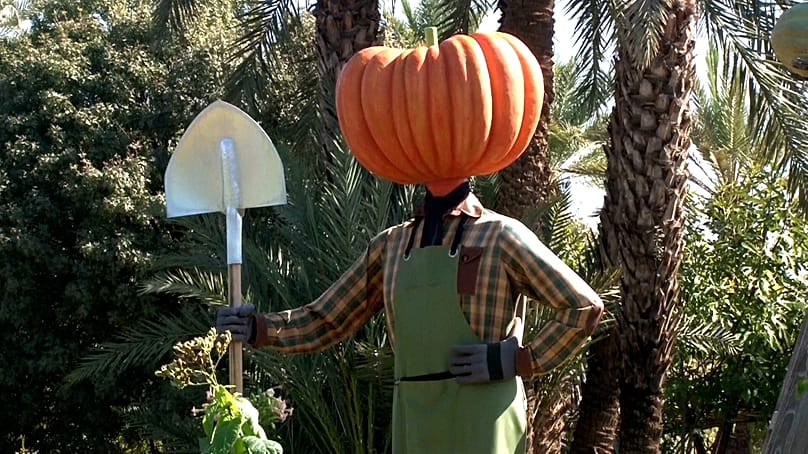
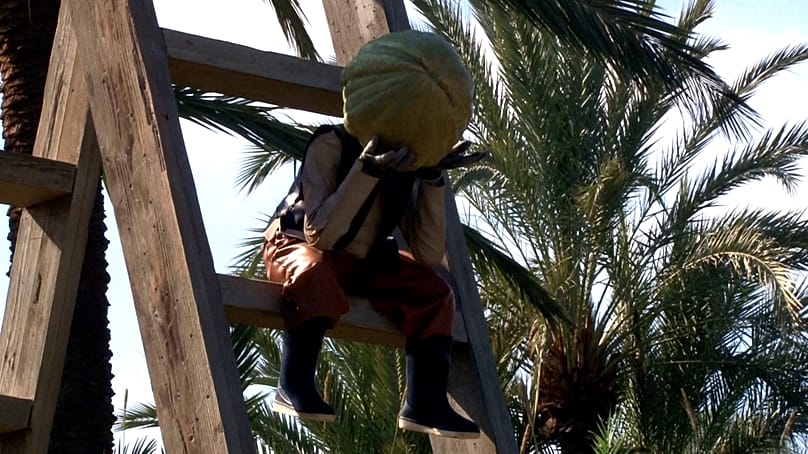
Elsewhere, there's also a wonderfully whimsical take on the natural world, with sculptures of farmers and gardeners with enormous heads inspired by vegetables and plants. They can be found scattered throughout the park, tending the land, climbing trees and resting in the shade. There are also a few oversized ants to be found crawling around the landscape.
As Fourtou puts it: "Art is something deeply emotional, and that is what I seek to convey through my work. For me, it is certainly a form of therapy, not a nostalgia for childhood, but rather a way of understanding, expressing and reconnecting with important fundamental values."
He began transforming the site into a space for his artwork in 1999, with the park opening to the public in 2024. It now attracts around 5,000 visitors every year.