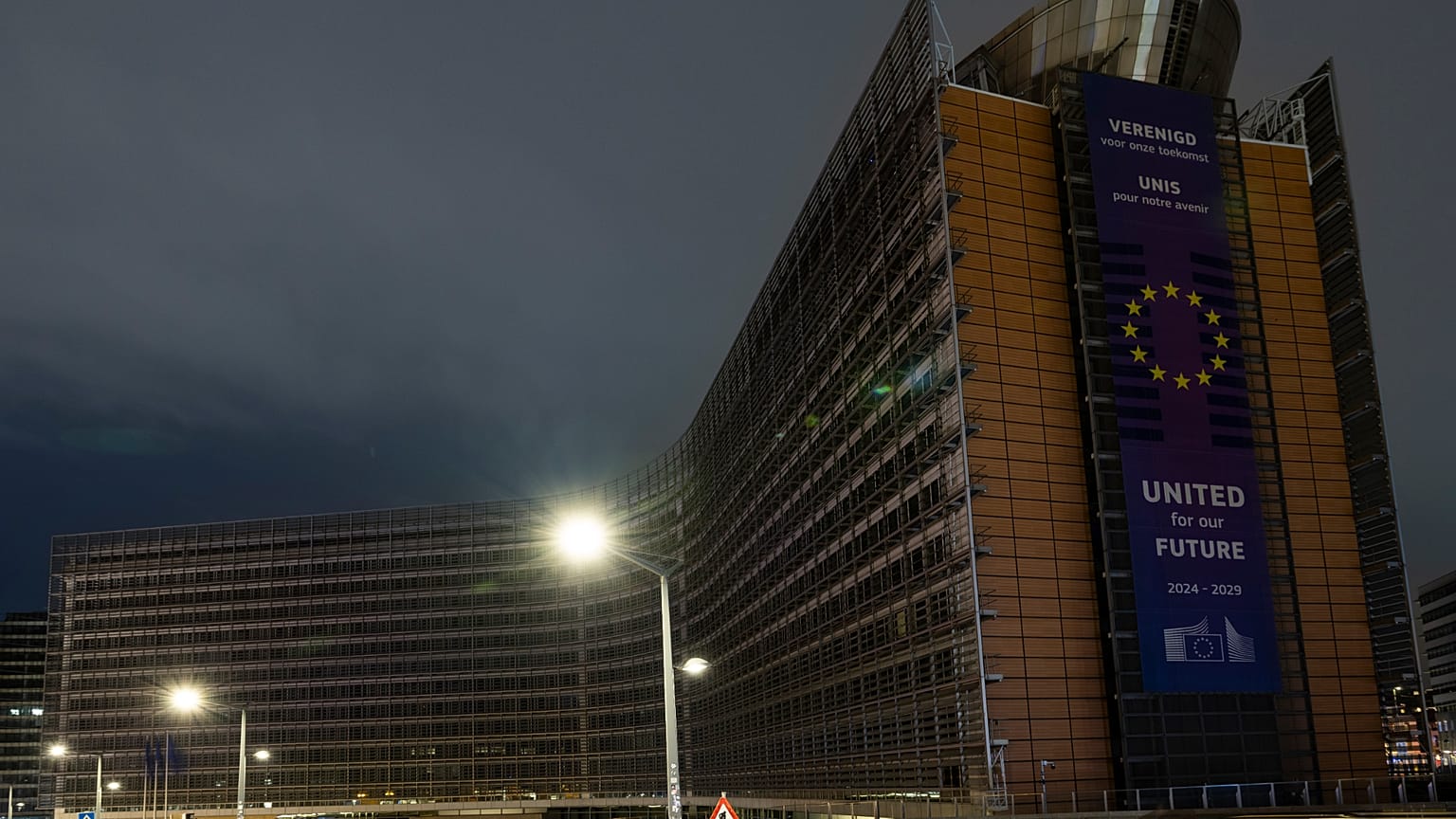


The European Commission's internal HR systems have been targeted by an AI-powered cyberattack, with EU cyber experts still assessing whether sensitive personal information has been compromised.
The European Commission has suffered a major cyberattack, but it is not yet clear who is behind it or whether sensitive staff data was stolen.
 ADVERTISEMENT
For several days, Commission officials could not access Sysper, the internal HR platform where they check salary information, request holidays and sick leave, submit timesheets and sign up for training.
"The investigation is still ongoing. We are taking any necessary steps based on the findings as they come," Thomas Regnier, the Commission's spokesperson for digital, told reporters on Thursday. "We have not detected any evidence of a data breach affecting Commission staff as a whole."
Regnier said that the attack was based on a publicly available AI tool; it was first detected on 22 October and confirmed on 22 October, and the Commission did not receive any ransomware request.
The name of the AI tool is ARTEX, which allows the identification of software vulnerabilities that can then be patched, or exploited in the case of malicious actors.
However, he declined to confirm whether it was still ongoing, nor to attribute it to a specific actor. The Commission preventively took down several of its internal apps to avoid the attack from spreading, most of which have been restored.
On Thursday, Sysper was working again, whereas the health insurance Joint Sickness Insurance Scheme (JSIS) remained unavailable, two EU officials told Euronews under the condition of anonymity.
Beyond these relatively minor disruptions, most civil servants barely noticed the systems had been compromised. The Commission's IT department, DG DIGIT, is still investigating the incident, trying to assess the damage.
CERT-EU, the cybersecurity service for the EU bodies, and the European Data Protection Supervisor have been informed of the incident.
The key question is whether the attacker, who has yet to be identified, gained access to the data held in Sysper, JSIS and other HR systems. That would not normally open the door to the Commission’s internal documents, which are hosted on a separate system.
Still, the platforms hold sensitive personal details, including officials’ names, pay grades, home addresses and contact details. Such a database could fuel far more sophisticated campaigns targeting individual staff.
EU officials are yet to receive official internal communications about the incident, as the extent of the damage is still being assessed.
"The problem I have with the European Commission is that they keep the information about it internally and don’t disclose it to the public," MEP Bart Groothuis (The Netherlands/Renew) told Euronews.
"Each time they don’t bring information to the public about intrusions that hit EU institutions, bodies and agencies, they miss an opportunity to explain and sell the economic security policy we set out as the EU against our adversaries," he said.
The Commission is not new to cyberattacks. In March, its cloud infrastructure hosting its Europa.eu websites was compromised, resulting in the theft of around 91.7 GB of data, including personal information and email content.
In January, a cyberattack targeted the Commission's central mobile-device infrastructure, potentially exposing staff names and phone numbers.
This article was updated with additional information.