

Working side by side, Greek Cypriot and Turkish Cypriot teams have put names to more than 1,000 victims from the 1960s and 70s, sometimes thanks to initials engraved inside a wedding ring.
More than 60 years after violence broke out between Greek Cypriots and Turkish Cypriots in 1963–64, and more than half a century after Turkey's invasion of the island in 1974, 917 people are still missing in Cyprus.
 ADVERTISEMENT
Cyprus has been divided since 1974. Turkey invaded that year after a coup, backed by the military junta then ruling Greece, that aimed to unite the island with Greece. Thousands of people disappeared during the fighting of the 1960s and 1970s.
The Committee on Missing Persons in Cyprus (CMP) was set up in 1981. Greek Cypriots and Turkish Cypriots work on it side by side, and it has so far identified more than 1,000 people. Its teams search for and scientifically examine every clue that could help put a name to the missing.
In the committee's specialist laboratories, even the smallest find can be crucial. Personal belongings such as wedding rings can offer valuable clues to who the dead were.
"We have found, for example, wedding rings that were still on the fingers of the dead. Sometimes you can see, on the inside, the initials of the fiancé, as well as the date. These details are extremely important for the families," said Alexandra Mouski, deputy coordinator of the CMP laboratory.
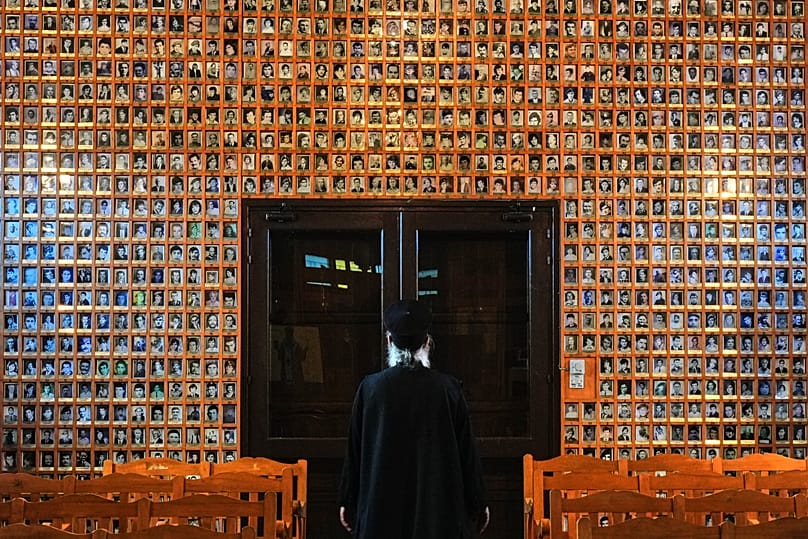
According to the committee's figures, 745 Greek Cypriots and 172 Turkish Cypriots are still listed as missing. But as the years pass, finding and identifying remains is becoming harder. There are fewer eyewitnesses, memories are fading, and new building work is changing the landscape, making possible burial sites harder to find.
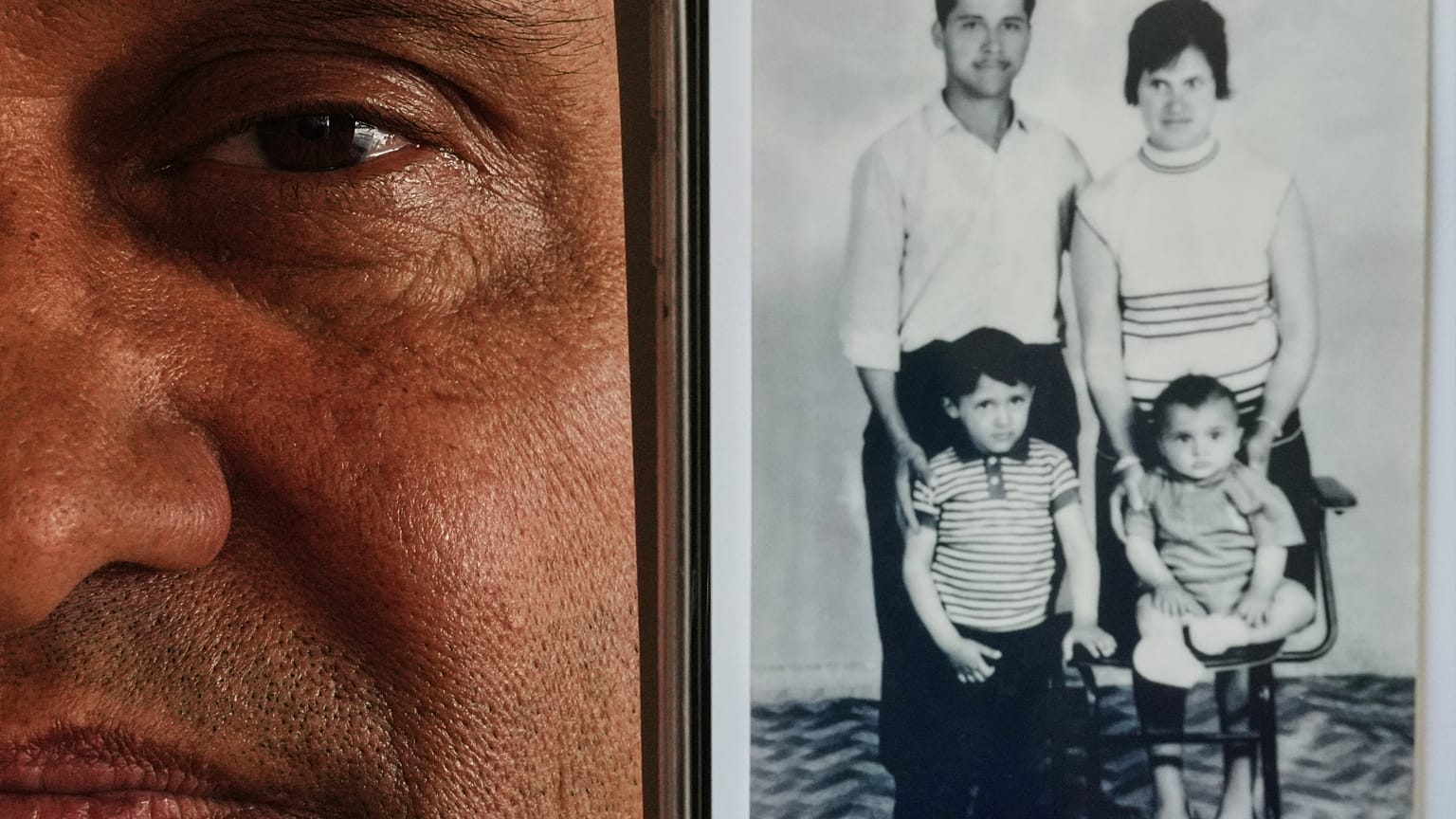
For many of those working on the excavations, the mission is also personal. Ali Tsoluoglu, who heads the CMP's excavation team, knows the families' anguish first-hand, because one of his own relatives also went missing.
"My own family also had a missing person. That is why we try to help the families who are still waiting to find their loved ones, their fathers, their brothers and their sisters. We are trying to help both Greek Cypriots and Turkish Cypriots. I hope we will continue the excavations until the last missing person is found, keeping the families' hope alive," Tsoluoglu said.
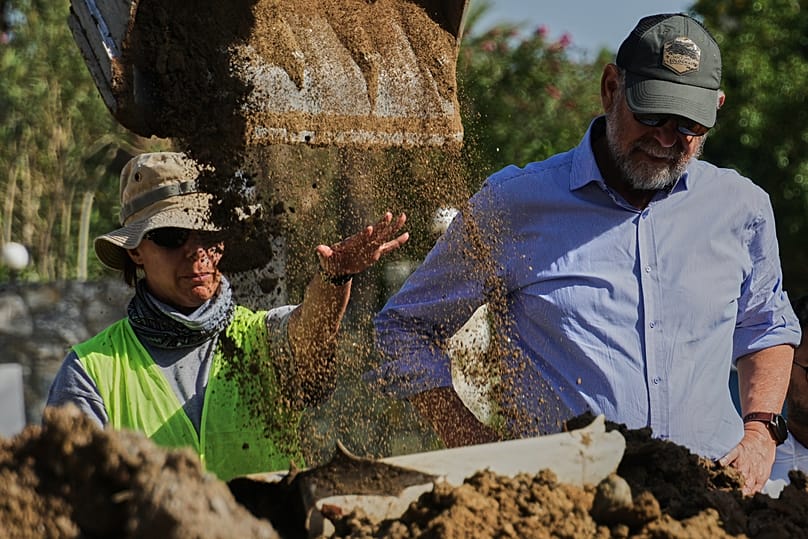
The teams are working at an intense pace, because time is now their biggest enemy. Any delay could mean losing another valuable testimony or piece of information that might help solve a case.
"We are trying to maintain a particularly intensive pace, because we are fighting against time. At this moment, our greatest enemy is time. Witnesses are passing away, families are leaving us, and new buildings are going up everywhere. It is a race against time, but a race we cannot abandon," said Leonidas Pantelides, the Greek Cypriot member of the CMP.
For the families of the missing, identification is more than a scientific procedure. It is a chance to finally learn what happened to their loved ones, to say goodbye and to find some closure after decades of uncertainty. Until every missing person has been found and identified, the search will go on.