

MEPs have condemned a proposed 10% reduction in the next long-term EU budget, threatening to reject the deal if it is struck by EU leaders.
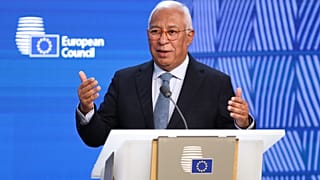
The European Parliament is up in arms over a proposed 10% cut to the EU’s next long-term budget (MFF), put forward by European Council President António Costa in a bid to break the deadlock ahead of key elections in France, Italy and Poland in 2027.
 ADVERTISEMENT
EU leaders will discuss Costa's proposal for the 2028-2034 MFF at a summit in Brussels on Thursday. However, MEPs have made clear they will not rubber-stamp any agreement unless their priorities are taken into account, adding another layer of complexity to already challenging negotiations.
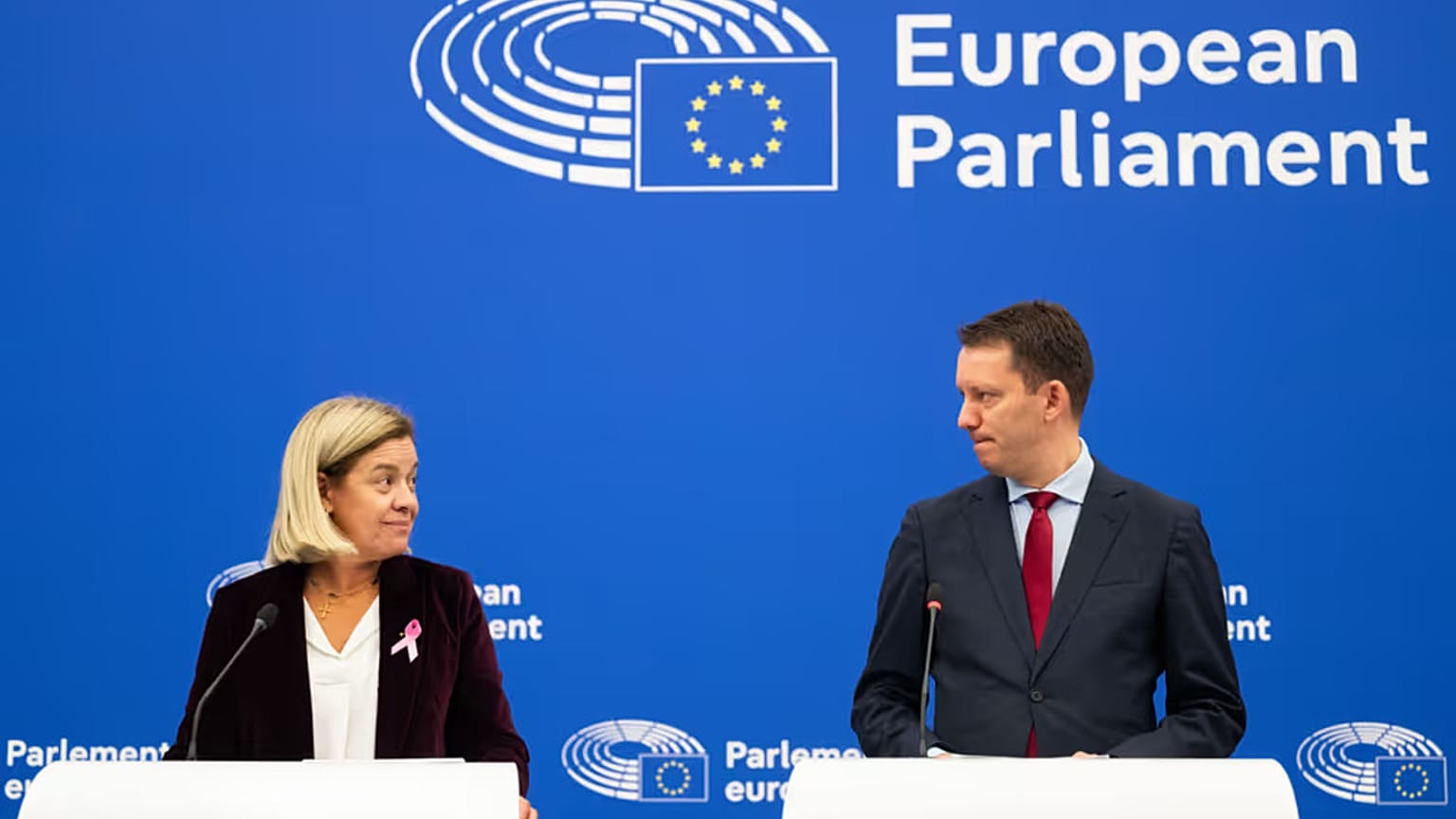
"Prime ministers shall not dictate to the European Parliament what we should do," Siegfried Mureșan, a Romanian member of the European People's Party and Parliament's co-negotiator on the budget, said in a press conference on Wednesday.
The European Parliament plays a key role in adopting the EU’s long-term budget. The process requires unanimous approval by the Council and the consent of an absolute majority of MEPs, meaning any agreement reached by EU leaders must also secure Parliament’s approval.
Last week, Costa proposed cutting €49bn, in current prices, from the Council's previous position to meet the demands of the so-called frugal countries, including Germany, the Netherlands and Sweden.
This would shrink the budget from nearly €2 trillion in the original Commission's proposal to €1.78 trillion, a 10% reduction worth around €204bn that MEPs consider unacceptable.
Mureșan accused EU leaders of being inconsistent, arguing that although they present security and competitiveness as EU priorities, they are effectively cutting funding for them. "'Cut the budget, but protect me' is the motto of many prime ministers. [...] Member states are proposing the same recipe, which weakened our European economy in the last twenty-five years," he said.
Parliament adopted its position in April, setting €2.01 trillion as the minimum the EU needs to face the challenges of the next seven years.
The gap between the two institutions on the budget's size further complicates negotiations that already have several contentious points. Among the main ones is German Chancellor Friedrich Merz's demand to link any deal to financial support for Ukraine, which prompted a backlash from several member states.
Parliament backs Costa on own resources
The European Parliament did, however, back Costa's proposal on "own resources": EU-wide taxes meant to finance the budget directly, without passing through national coffers.
The President of the European Council proposed introducing a tax on digital services, a measure previously advocated by Parliament and likely to receive broad support among member states. Ireland is expected to be the main exception, given that it hosts the European headquarters of many major US tech companies.
Czech MEP Danuše Nerudová, co-rapporteur for own resources, said the levy would "finally create a level playing field in digital business" in Europe, where some companies have paid less tax than others.
Parliament estimated that its version of the levy, with a 5% call rate and a wider range of online services, could raise up to €25bn a year. Costa's version is expected to bring in around €5bn.
The digital levy is meant to replace a controversial tax on large companies (CORE), originally proposed by the European Commission, which met strong opposition from member states.
Overall, the five own resources in Costa's proposal should generate about €60bn a year. According to Nerudová, they are crucial to financing the budget and repaying the joint debt from the EU's post-pandemic recovery fund.
"This is a victory for the European Parliament," she said.