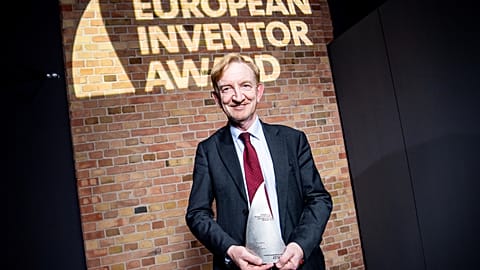






























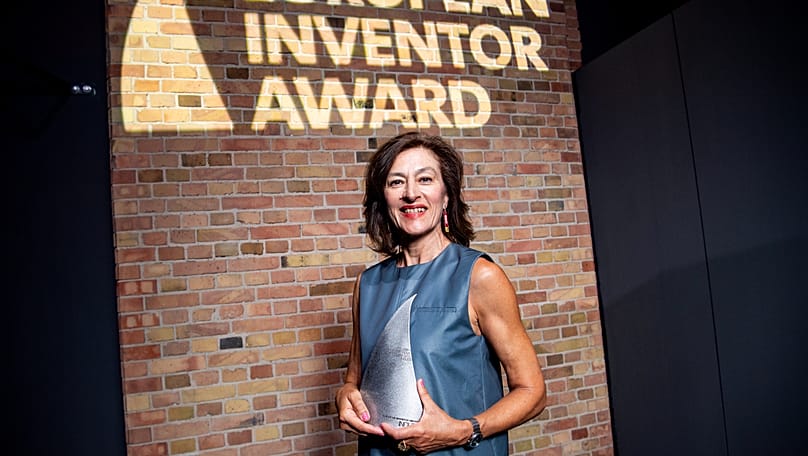
Angeliki Triantafyllou, winner of the 2026 European Inventor Award, explains to Euronews why the future of plant-based food lies not in diet fads but in products with high nutritional value and a smaller environmental footprint.
How will the planet be fed in the coming decades, as the global population keeps growing and natural resources become scarcer?
 ADVERTISEMENT
ADVERTISEMENT
ADVERTISEMENT
The answer to that question lies at the heart of European research into next-generation foods. The goal is not simply to develop more plant-based substitutes, but to create products that combine high nutritional value with a smaller environmental footprint.
This need is becoming increasingly urgent, since the production of cow’s milk is among the most resource-intensive forms of agriculture in terms of land, water and feed consumption, and is also accompanied by significant greenhouse gas emissions.
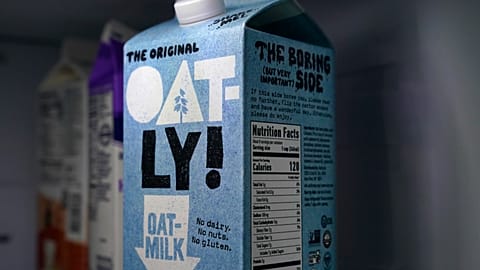
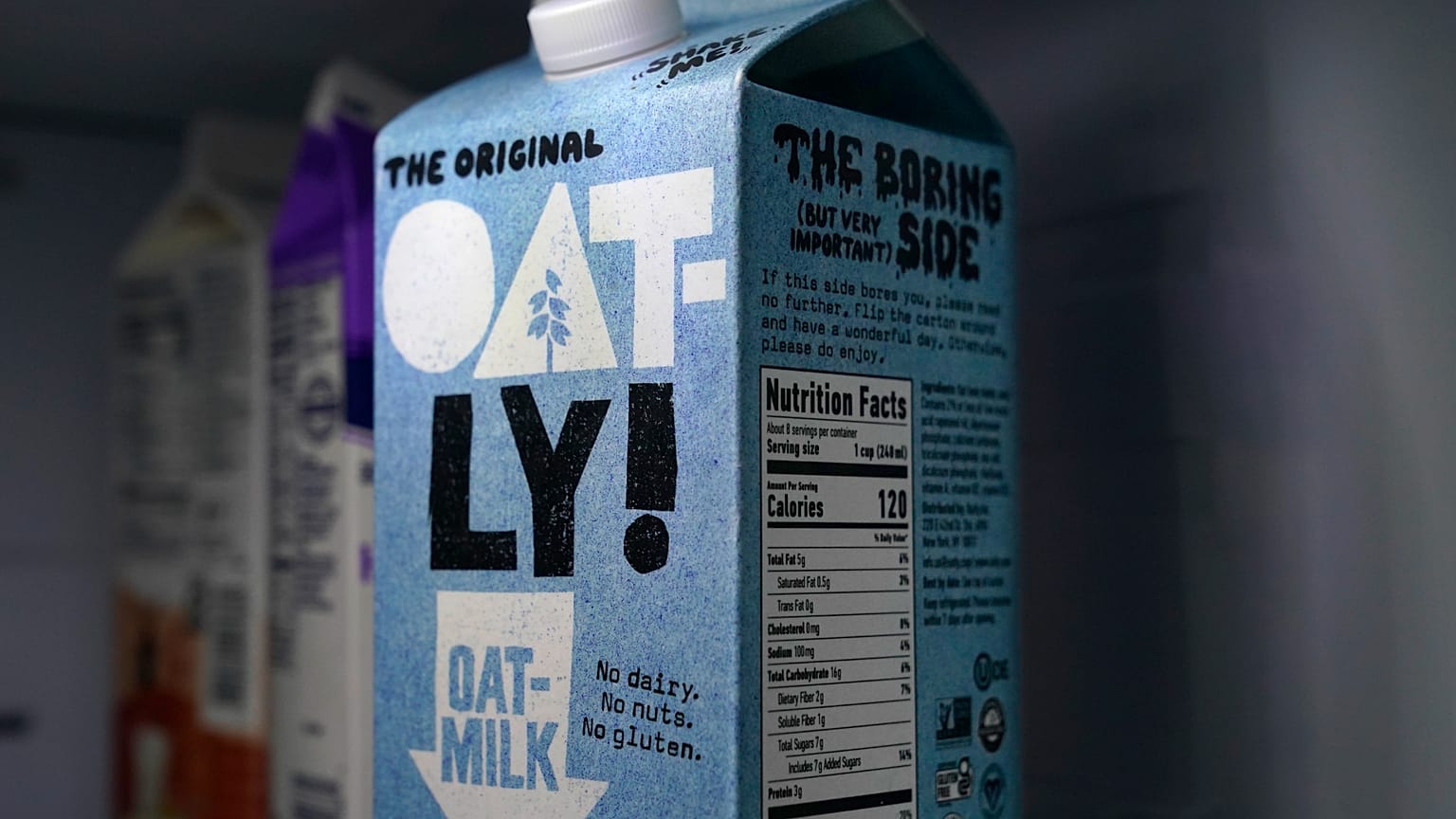
One of the scientists at the forefront of this effort is Greek biotechnologist Angeliki Triantafyllou, president of Cerealiq AB and winner of the European Inventor Award 2026 in the “Industry” category. Triantafyllou was a co-founder of Oatly, the world’s largest producer of oat-based drinks, and for more than 20 years she led the company’s research.
The patented enzymatic method she developed significantly improved the taste, colour, texture and foaming ability of oat drinks, while at the same time increasing their nutritional value compared with previous technologies.
This innovation played a decisive role in transforming oat drinks from a niche product into a global market.
Today, however, her research is focused on a new product: pea milk.
As she reveals to Euronews, her team is developing a technology that uses the whole pea, preserving all its nutrients, instead of relying only on isolated protein as is the case in most current applications:
“Our method, with our enzymatic technology, preserves all the properties and the full nutritional value of the pea. And of course it is an environmentally friendly method.”
No more food fads
Angeliki Triantafyllou believes that the future of plant-based foods does not lie in indiscriminate market expansion or in chasing the next trendy product.
As an example, she indirectly refers to products that have enjoyed great commercial success (such as almond milk) without offering comparable nutritional value.
By contrast, she argues that new plant-based raw materials should be chosen for their nutritional profile and for how much they contribute to more sustainable food production.
Why we need plant-based alternatives
According to Triantafyllou, plant-based products are not intended to completely replace animal products, but to cover part of the nutritional needs of a planet that will have to feed billions of people over the coming decades:
“Animal production cannot increase indefinitely to meet the needs of a constantly growing population.”
As she explains, peas contain high-quality protein, while oats provide valuable beta-glucans and dietary fibre, which most people consume in quantities far below the recommended levels.
At the same time, plant-based crops generally require fewer natural resources and can offer solutions in regions that already face problems such as water scarcity, soil degradation and the impacts of climate change.